When it comes to fertility and assisted reproductive technology, the role of the male partner is often overlooked. However, his involvement and support are crucial in the journey towards starting a family. In this blog post, we will compare two common methods of assisted reproduction – artificial insemination and in vitro fertilization (IVF) – and discuss the role of the male partner in each.
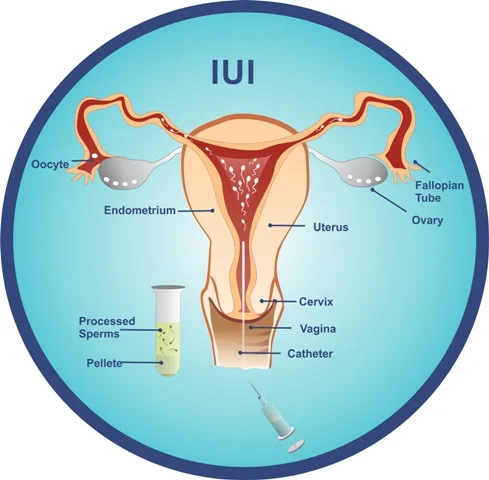
Artificial insemination is a fertility treatment that involves inserting sperm directly into the woman’s reproductive tract. This can be done through intrauterine insemination (IUI), where the sperm is placed in the uterus, or intracervical insemination (ICI), where the sperm is placed in the cervix. This method is often used for couples with male factor infertility, where the male partner has a low sperm count or motility issues.
In artificial insemination, the male partner’s role is crucial as he provides the sperm sample. The sample is then washed and prepared in the laboratory to concentrate the healthy sperm before being inserted into the woman’s reproductive tract. The male partner may also be required to make lifestyle changes or take supplements to improve the quality of his sperm.
The male partner’s involvement in artificial insemination can also have a psychological impact on both partners. It can bring them closer as they work together towards their goal of starting a family. However, it can also be a challenging and emotional process, especially if the male partner has fertility issues. It is essential for both partners to communicate openly and support each other through this journey.
The Role of the Male Partner: A Comparison of Artificial Insemination and IVF
On the other hand, IVF is a more complex and invasive fertility treatment that involves fertilizing the woman’s eggs with the male partner’s sperm in a laboratory. The embryos are then transferred into the woman’s uterus, and if successful, can result in pregnancy. Unlike artificial insemination, IVF can be used to treat a wide range of fertility issues, including male factor infertility, female factor infertility, and unexplained infertility.
In IVF, the male partner’s role is not limited to just providing the sperm sample. He is also required to undergo a series of tests to assess the quality and quantity of his sperm. If the male partner has severe fertility issues, the couple may also opt for intracytoplasmic sperm injection (ICSI) – a procedure where a single sperm is injected into an egg to fertilize it. This procedure requires the male partner to provide a sperm sample through ejaculation or surgical extraction.
The male partner’s involvement in IVF also extends to the emotional and financial support he provides to his partner. IVF can be a physically and emotionally draining process, and the male partner’s support can make a significant difference. He can also help with the medication schedule, accompany his partner to appointments, and be there for her during the egg retrieval and embryo transfer procedures.
In conclusion, both artificial insemination and IVF require the male partner’s active involvement and support. The role of the male partner may differ in each method, but it is equally crucial in achieving a successful pregnancy. As a couple, it is essential to communicate openly, support each other, and understand the challenges of assisted reproduction.
In summary, the male partner plays a crucial role in both artificial insemination and IVF. In artificial insemination, he provides the sperm sample, while in IVF, he undergoes tests and may also need to provide a sample through ejaculation or surgical extraction. The male partner’s emotional and financial support is also vital in both methods. It is essential for couples to communicate and support each other through the journey of assisted reproduction.
Leave a Reply