Blog Post:
Fertility issues have become increasingly common in modern society, with many couples struggling to conceive. While there are various medical treatments and procedures available, some couples turn to alternative methods, such as acupuncture, to aid in their fertility journey. Acupuncture is an ancient Chinese practice that involves the insertion of thin needles into specific points on the body to stimulate energy flow and promote healing. In recent years, fertility acupuncture has gained popularity as a natural and holistic approach to addressing fertility issues. In this blog post, we will explore the ancient practice of fertility acupuncture and how it can help modern couples struggling with fertility issues.
The History of Fertility Acupuncture:
Acupuncture has been used for thousands of years in Traditional Chinese Medicine (TCM) to treat various health conditions, including fertility issues. The earliest recorded use of acupuncture for fertility dates back to the 11th century, where it was mentioned in a TCM book called “The Complete Book of Effective Prescriptions for Diseases of Women.” In the book, it was believed that acupuncture could help regulate the menstrual cycle and improve fertility by balancing the body’s natural energy flow, known as qi.
How Fertility Acupuncture Works:
According to TCM, the body has channels of energy, or meridians, that run throughout the body. These meridians connect to specific organs and correspond to different bodily functions. The goal of acupuncture is to stimulate these meridians’ points to balance the body’s energy flow and promote healing. In the case of fertility acupuncture, the focus is on the reproductive organs and the hormones responsible for ovulation and conception.
Research has shown that acupuncture can help regulate the menstrual cycle, improve the quality of eggs and sperm, and increase blood flow to the reproductive organs. Acupuncture also helps reduce stress and anxiety, which can play a significant role in fertility issues. By promoting relaxation, acupuncture can help balance hormones and regulate the menstrual cycle, making it easier to conceive.
What to Expect During a Fertility Acupuncture Session:
Before starting fertility acupuncture, it is essential to consult with a licensed acupuncturist who specializes in treating fertility issues. They will conduct a thorough evaluation of your health, including your medical history, lifestyle, and any underlying conditions that may affect fertility.
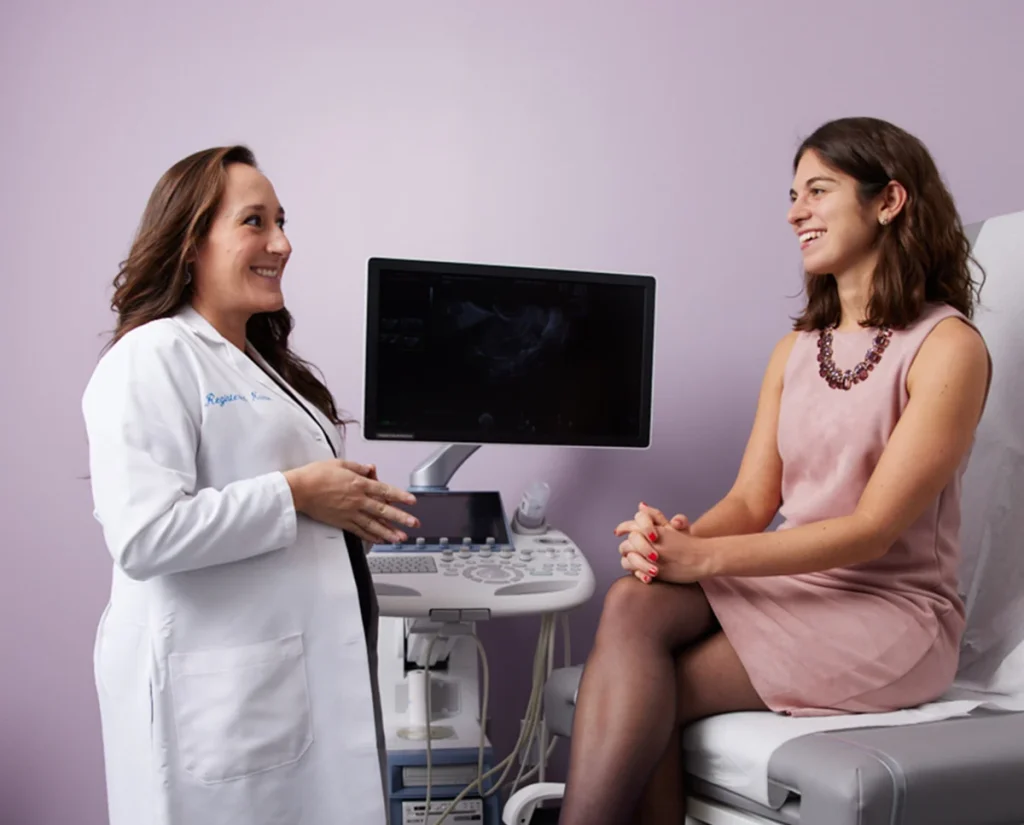
Fertility Acupuncture: The Ancient Practice for Modern Fertility Issues
During a fertility acupuncture session, the acupuncturist will insert thin needles into specific points on your body. These points may vary depending on your specific fertility issues, but they usually include points on the abdomen, legs, and feet. You may experience a mild tingling or dull ache at the insertion points, but it should not be painful. The needles will remain in place for about 20-30 minutes, and you will be able to relax during this time.
Benefits of Fertility Acupuncture:
1. Regulates Hormones: Acupuncture helps balance hormones by stimulating the body’s natural production of hormones. This is crucial for women with irregular menstrual cycles and hormonal imbalances.
2. Improves Egg Quality: Acupuncture helps increase blood flow to the ovaries, which can improve egg quality. This is especially beneficial for women over 35, where egg quality tends to decline.
3. Increases Sperm Count and Motility: Studies have shown that acupuncture can improve sperm count and motility by reducing inflammation and oxidative stress in the body.
4. Reduces Stress and Anxiety: The stress and anxiety of trying to conceive can hinder fertility. Acupuncture promotes relaxation, reduces stress and anxiety, and balances the body’s hormones.
5. Increases Success Rates of Assisted Reproductive Techniques (ART): Studies have shown that combining acupuncture with assisted reproductive techniques, such as in vitro fertilization (IVF), can increase the success rates of these procedures.
Conclusion:
Fertility acupuncture is a safe and natural approach to addressing fertility issues. It works by balancing the body’s energy flow, regulating hormones, and promoting relaxation. While it may not be a solution for everyone, many couples have found success with fertility acupuncture, either on its own or in combination with other fertility treatments. If you are struggling with fertility issues, consider consulting with a licensed acupuncturist to see if fertility acupuncture may be a suitable option for you.
In summary, fertility acupuncture is an ancient Chinese practice that involves the insertion of thin needles into specific points on the body to stimulate energy flow and promote healing. It has been used for thousands of years to treat various health conditions, including fertility issues. Fertility acupuncture works by regulating hormones, improving egg and sperm quality, reducing stress and anxiety, and increasing the success rates of assisted reproductive techniques. If you are struggling with fertility issues, consider consulting with a licensed acupuncturist to see if fertility acupuncture may be a suitable option for you.