Navigating Fertility Options: Comparing Intrauterine Insemination and Sperm Washing
Fertility struggles can be a stressful and emotional experience for individuals and couples. Fortunately, there are various fertility treatments available to help individuals and couples conceive. Two commonly used methods are intrauterine insemination (IUI) and sperm washing. In this blog post, we will explore the differences between these two options and help you navigate which one may be the best fit for you.
What is Intrauterine Insemination?
Intrauterine insemination, also known as artificial insemination, is a procedure where sperm is placed directly into a woman’s uterus to increase the chances of fertilization. This process mimics the natural fertilization process, where sperm travels through the cervix and into the uterus to fertilize an egg.
The Process of IUI
The process of IUI begins with the woman taking fertility medications to stimulate egg production. This helps increase the chances of successful fertilization. The male partner then provides a semen sample, which is washed and concentrated to remove any impurities. The washed sperm is then inserted into the woman’s uterus through a thin catheter, which is inserted through the cervix.
Who Can Benefit from IUI?
IUI is often recommended for couples who have unexplained infertility, mild male factor infertility, or cervical issues. It can also be a good option for same-sex couples and single individuals who want to conceive.
Advantages of IUI
One of the main advantages of IUI is that it is a less invasive and less expensive option compared to other fertility treatments such as in vitro fertilization (IVF). It also has a lower risk of multiple pregnancies, as only a small amount of sperm is inserted into the uterus.
Limitations of IUI
IUI may not be suitable for everyone. It is not recommended for couples with severe male factor infertility, blocked fallopian tubes, or endometriosis. It also has a lower success rate compared to other fertility treatments, especially for couples with certain underlying fertility issues.
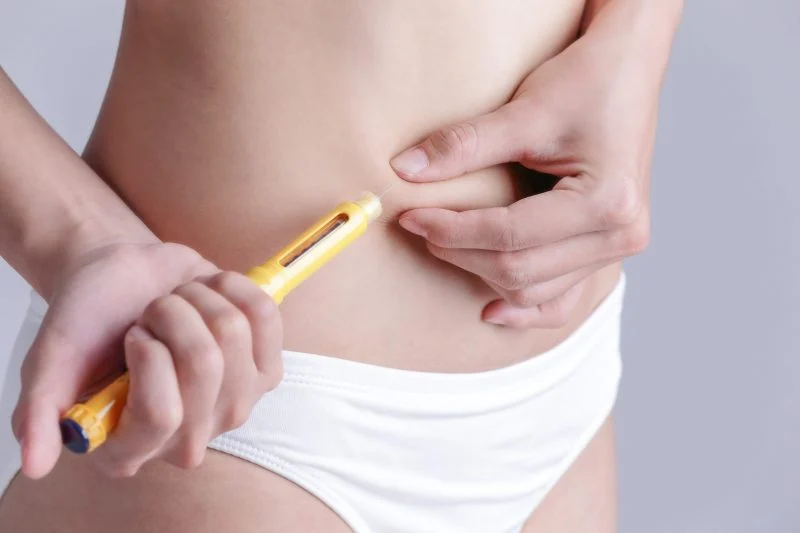
Navigating Fertility Options: Comparing Intrauterine Insemination and Sperm Washing
What is Sperm Washing?
Sperm washing is a laboratory technique used to separate healthy and motile sperm from other substances in a semen sample. This process is often used for couples where the male partner has a low sperm count or poor sperm quality. It is also commonly used for individuals or couples who want to prevent the transmission of certain sexually transmitted infections or genetic disorders.
The Process of Sperm Washing
The process of sperm washing begins with the collection of a semen sample, similar to the process for IUI. The sample is then washed with a special solution to remove any debris or impurities. The sperm is then separated from other substances and concentrated for use in fertility treatments. In some cases, the sperm may also be tested for genetic disorders or infections before being used for insemination or IVF.
Who Can Benefit from Sperm Washing?
Sperm washing is often recommended for couples with male factor infertility, including low sperm count, poor sperm motility, and abnormal sperm shape. It is also a common option for individuals or couples who want to prevent the transmission of certain genetic disorders or infections.
Advantages of Sperm Washing
Sperm washing has a higher success rate compared to IUI, making it a more effective option for couples with male factor infertility. It also reduces the risk of transmission of certain infections or genetic disorders to the mother or baby.
Limitations of Sperm Washing
Sperm washing is a more invasive and expensive option compared to IUI. It also requires advanced laboratory techniques and may not be readily available in all fertility clinics.
Which Option is Right for You?
When deciding between IUI and sperm washing, it is important to consult with a fertility specialist. They can evaluate your medical history, conduct necessary tests, and recommend the best treatment option for your specific situation. It is also important to consider factors such as cost, success rates, and potential risks.
In summary, both IUI and sperm washing are effective fertility treatment options for individuals and couples struggling to conceive. IUI is a less invasive and more affordable option, but may not be suitable for all fertility issues. Sperm washing has a higher success rate but is more expensive and may not be readily available. Consulting with a fertility specialist is crucial in determining the best option for you.
Leave a Reply