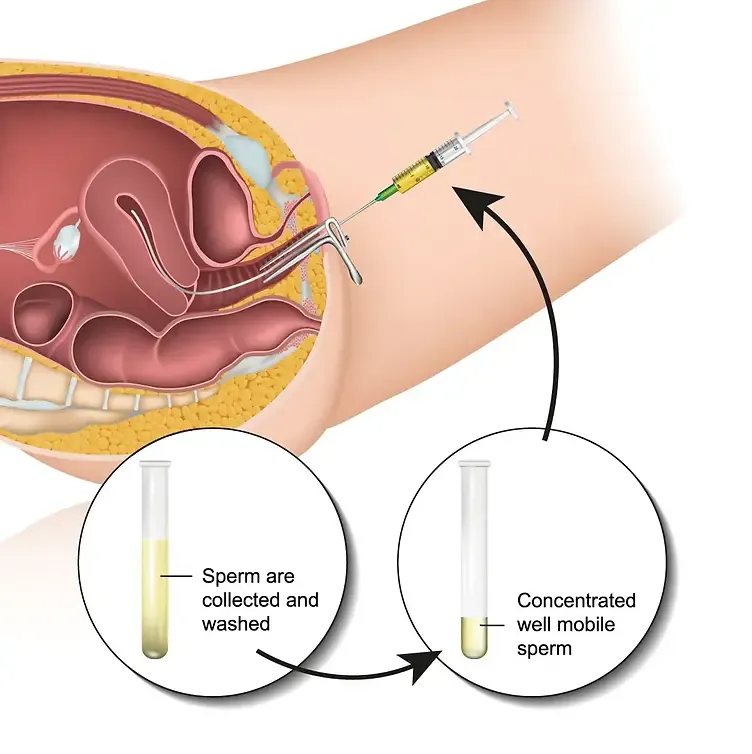
Category: Uncategorized

  • The Dos and Don’ts of At-Home Insemination: Tips for Improving Success Rates

    Blog Post:

    At-home insemination is becoming a popular option for those trying to conceive without the use of assisted reproductive technologies. While it may seem like a simple and easy process, there are certain dos and don’ts that can greatly impact the success rates of at-home insemination. In this blog post, we will discuss some important tips to keep in mind when attempting at-home insemination to help improve your chances of success.

    DO: Educate Yourself

    Before attempting at-home insemination, it is important to educate yourself on the process. This includes understanding your menstrual cycle, ovulation, and the best time to inseminate. You should also research the different methods of at-home insemination, such as using a syringe or a cervical cap. Knowing the ins and outs of the process will help you feel more confident and prepared.

    DON’T: Use Unreliable Sources

    With the vast amount of information available online, it can be tempting to turn to the internet for guidance. However, it is important to be cautious and only rely on reputable sources for information. This includes medical professionals, fertility clinics, and trusted websites. Avoid using information from forums or personal blogs, as they may not provide accurate or safe advice.

    DO: Track Your Ovulation

    Timing is crucial when it comes to at-home insemination. To increase your chances of success, it is important to track your ovulation. This can be done through methods such as tracking your basal body temperature, using ovulation predictor kits, or monitoring changes in cervical mucus. Knowing when you are ovulating will help you determine the best time to inseminate.

    DON’T: Inseminate too Early or too Late

    Inseminating too early or too late in your cycle can greatly decrease your chances of success. Sperm can survive in the female reproductive tract for up to five days, so it is important to inseminate close to the time of ovulation. Inseminating too early may result in the sperm dying off before the egg is released, while inseminating too late may result in the egg being past its prime for fertilization.
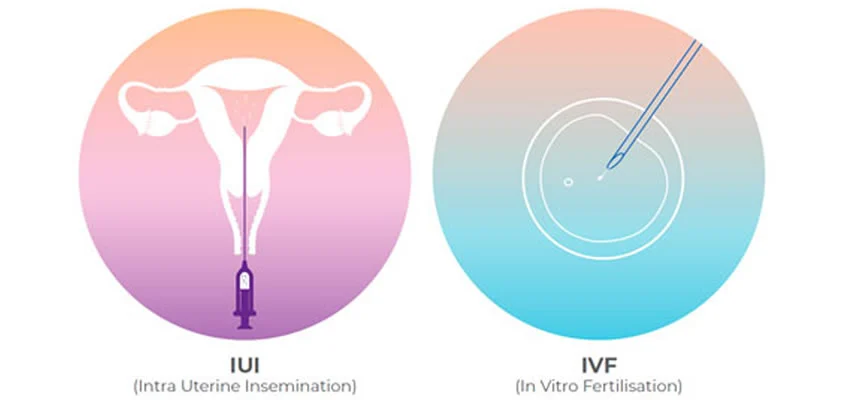
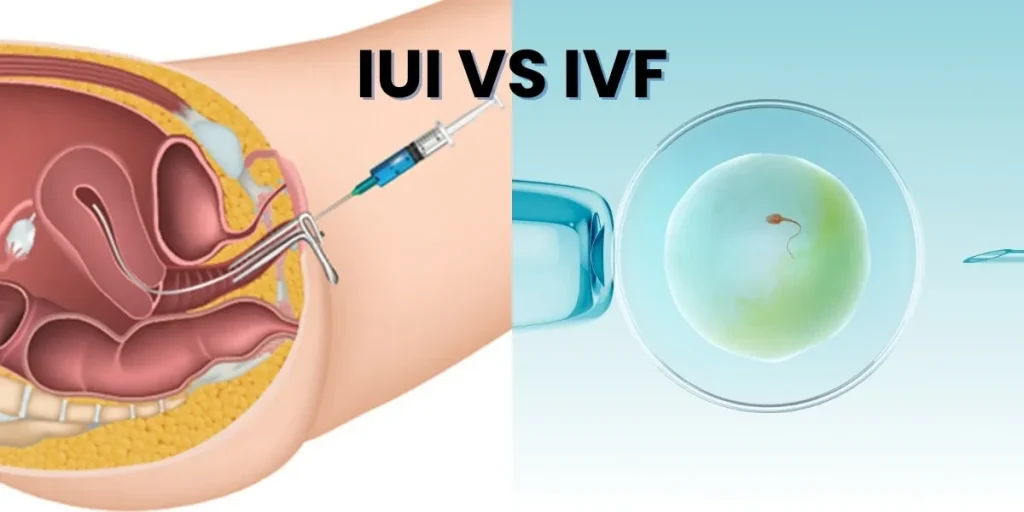
    comparison of IUI and IVF procedures illustrated with simple graphics and labels

    The Dos and Don'ts of At-Home Insemination: Tips for Improving Success Rates

    DO: Use Fresh or Frozen Donor Sperm

    When it comes to using donor sperm for at-home insemination, you have the option of using fresh or frozen sperm. Fresh sperm is usually obtained from a known donor and used immediately after collection. Frozen sperm, on the other hand, is obtained from a sperm bank and can be used at a later time. Both options can be effective, but it is important to follow the instructions for handling and storing the sperm properly.

    DON’T: Use Unsterilized Equipment

    Using unsterilized equipment during at-home insemination can introduce bacteria and other harmful substances into the reproductive tract, which can decrease your chances of success and even lead to infections. It is important to properly sterilize all equipment, including the syringe or cervical cap, before use. This can be done by boiling the equipment in hot water or using a sterilization solution.

    DO: Create a Relaxing Environment

    Stress and anxiety can have a negative impact on fertility and may decrease the success rates of at-home insemination. To create a more conducive environment for insemination, it is important to relax and reduce stress as much as possible. This can include dimming the lights, playing soft music, and using relaxation techniques such as deep breathing or meditation.

    DON’T: Rush the Process

    At-home insemination may require multiple attempts before achieving success. It is important to be patient and not rush the process. Trying too frequently or inseminating multiple times in one cycle may not increase your chances of success and can even be harmful. Give your body time to rest and recover before attempting again.

    DO: Consider Seeking Professional Help

    If you have been attempting at-home insemination for several months without success, it may be time to seek professional help. Fertility clinics and reproductive specialists can provide guidance and assistance in achieving pregnancy through at-home insemination. They can also help diagnose any underlying fertility issues that may be hindering your chances of success.

    In summary, at-home insemination can be a successful method of conceiving, but it is important to be well-informed and follow best practices to improve your chances of success. This includes tracking ovulation, using reliable sources, and creating a relaxing environment. Remember to be patient, and if needed, don’t hesitate to seek professional help.
  • The Impact of Underlying Health Conditions on At-Home Insemination Success Rates

    Blog Post:

    In recent years, at-home insemination has become a popular option for couples and individuals trying to conceive. This method involves using a syringe or cervical cap to transfer sperm into the vagina, eliminating the need for medical intervention. While the success rates for at-home insemination are generally good, there are certain factors that can affect its effectiveness. One of the most significant factors is underlying health conditions. In this blog post, we will explore the impact of underlying health conditions on at-home insemination success rates.

    Understanding At-Home Insemination and its Success Rates

    Before delving into the impact of underlying health conditions, it is essential to have a basic understanding of at-home insemination and its success rates. At-home insemination involves manually inserting sperm into the vagina, usually using a sterile syringe or cervical cap. This method is often used by same-sex couples, single individuals, or couples with male fertility issues. The success rates of at-home insemination can vary, but it is generally estimated to have a success rate of 10-15% per cycle.

    Factors Affecting At-Home Insemination Success Rates

    There are several factors that can affect the success rates of at-home insemination. These include the timing and frequency of insemination, the quality of sperm, ovulation timing, and underlying health conditions. While some of these factors can be managed, underlying health conditions can significantly impact the success of at-home insemination.

    Impact of Underlying Health Conditions on At-Home Insemination Success Rates

    1. Hormonal Imbalances

    Hormonal imbalances can significantly affect the success rates of at-home insemination. Hormones play a vital role in regulating ovulation, and any imbalances can disrupt the ovulation cycle. For example, conditions such as polycystic ovary syndrome (PCOS) can cause irregular ovulation, making it challenging to time insemination correctly. This can decrease the chances of success and may require medical intervention to regulate ovulation.

    2. Endometriosis

    Endometriosis is a condition where tissue similar to the lining of the uterus grows outside of the uterus. This can cause pain, discomfort, and infertility. In cases of severe endometriosis, the adhesions can block sperm from reaching the egg, making it difficult for at-home insemination to be successful. In such cases, medical intervention may be necessary to remove the adhesions and improve the chances of conceiving.

    3. Uterine Abnormalities

    Uterine abnormalities, such as fibroids or polyps, can also affect the success rates of at-home insemination. These growths can interfere with the implantation of a fertilized egg or block the sperm from reaching the egg. Depending on the severity and location of the abnormality, medical procedures may be needed to correct the issue and improve the chances of conceiving.

    4. Cervical Issues

    Cervical issues, such as an incompetent cervix or cervical stenosis, can also impact the success rates of at-home insemination. An incompetent cervix is when the cervix opens too early during pregnancy, leading to a miscarriage. Cervical stenosis, on the other hand, is a condition where the cervix becomes narrow, making it difficult for sperm to pass through. These issues may require medical intervention and monitoring to ensure successful pregnancy.

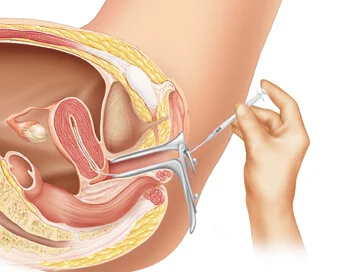
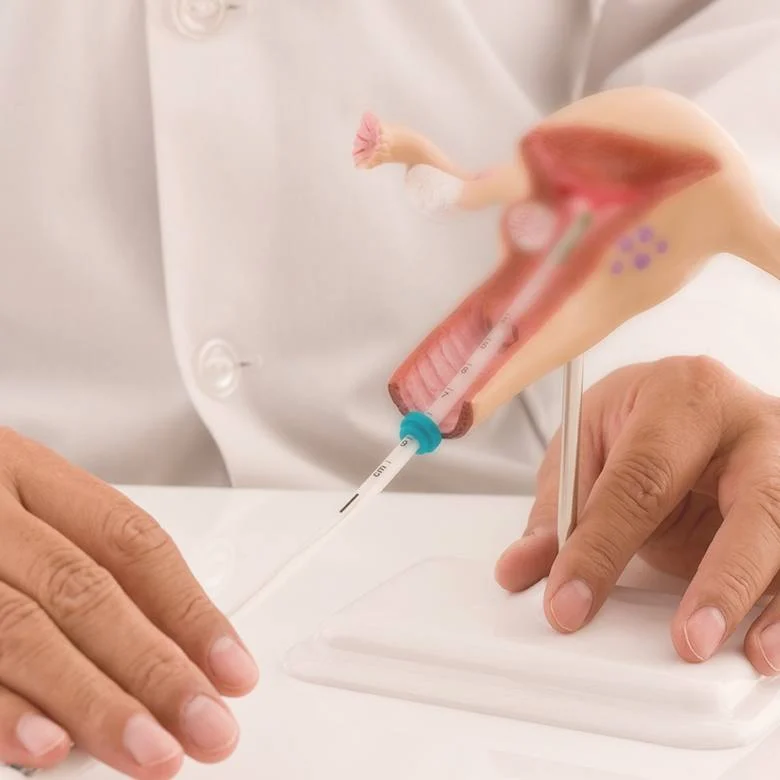
    model of the female reproductive system with a hand demonstrating intrauterine insemination technique

    The Impact of Underlying Health Conditions on At-Home Insemination Success Rates

    5. Chronic Health Conditions

    Chronic health conditions, such as diabetes, thyroid disorders, or autoimmune diseases, can also affect the success rates of at-home insemination. These conditions can cause hormonal imbalances, affect ovulation, or impact the quality of sperm. In such cases, it is essential to work closely with a healthcare provider to manage the condition and improve the chances of success.

    Managing Underlying Health Conditions for Successful At-Home Insemination

    While underlying health conditions can impact the success rates of at-home insemination, it is not impossible to conceive. With proper management, many individuals and couples have successfully conceived through at-home insemination despite underlying health conditions. Here are some tips for managing underlying health conditions for successful at-home insemination:

    1. Seek Medical Advice

    Before attempting at-home insemination, it is essential to consult with a healthcare provider. They can help identify any underlying health conditions that may affect the success of at-home insemination and provide possible solutions.

    2. Monitor Ovulation Closely

    For individuals with hormonal imbalances or conditions such as PCOS, it is crucial to monitor ovulation closely. This can help determine the best time for insemination and increase the chances of success.

    3. Consider Alternative Insemination Methods

    In some cases, at-home insemination may not be the most suitable option. In such cases, alternative insemination methods such as intrauterine insemination (IUI) or in vitro fertilization (IVF) may be recommended by a healthcare provider.

    4. Make Lifestyle Changes

    Certain lifestyle factors, such as smoking, excessive alcohol consumption, and a poor diet, can affect fertility and the success rates of at-home insemination. Making healthy lifestyle choices can improve overall health and increase the chances of conceiving.

    In conclusion, while at-home insemination can be a viable option for many individuals and couples, underlying health conditions can significantly impact its success rates. It is crucial to seek medical advice, monitor ovulation closely, and make necessary lifestyle changes to improve the chances of success. With proper management and support, at-home insemination can be a successful and fulfilling way to start a family.

    Summary:

    At-home insemination is a popular method for individuals and couples trying to conceive. However, the success rates of this method can be affected by various factors, including underlying health conditions. Hormonal imbalances, endometriosis, uterine abnormalities, cervical issues, and chronic health conditions can all impact the success rates of at-home insemination. To increase the chances of success, it is essential to seek medical advice, monitor ovulation closely, consider alternative insemination methods, and make healthy lifestyle choices.

  • At-Home Insemination Success Rates: What You Need to Know Before Starting Your Journey

    At-Home Insemination Success Rates: What You Need to Know Before Starting Your Journey

    In recent years, at-home insemination has become a popular method for individuals and couples looking to start or expand their families. With advances in technology and the increasing acceptance of non-traditional families, many are turning to this option as a more affordable and convenient alternative to clinical insemination. However, before embarking on this journey, it is important to understand the success rates and factors that may affect them.

    What is At-Home Insemination?

    At-home insemination, also known as self-insemination or home insemination, is the process of placing sperm into the vagina or cervix for the purpose of fertilization. This can be done through a variety of methods, including using a syringe, cervical cap, or fertility kit. While it is often used by same-sex couples or single individuals, it can also be an option for heterosexual couples experiencing fertility issues.

    Success Rates of At-Home Insemination

    The success rates of at-home insemination vary depending on various factors, such as age, fertility status, and method used. According to a study published in the Journal of Assisted Reproduction and Genetics, the overall success rate of at-home insemination is around 10-15%. This is significantly lower than the success rate of clinical insemination, which ranges from 15-20%.

    Factors Affecting Success Rates

    Age is one of the most significant factors affecting success rates in at-home insemination. As women age, their fertility decreases, making it more difficult to conceive. This is why it is important to consider age when deciding if at-home insemination is the right option for you.

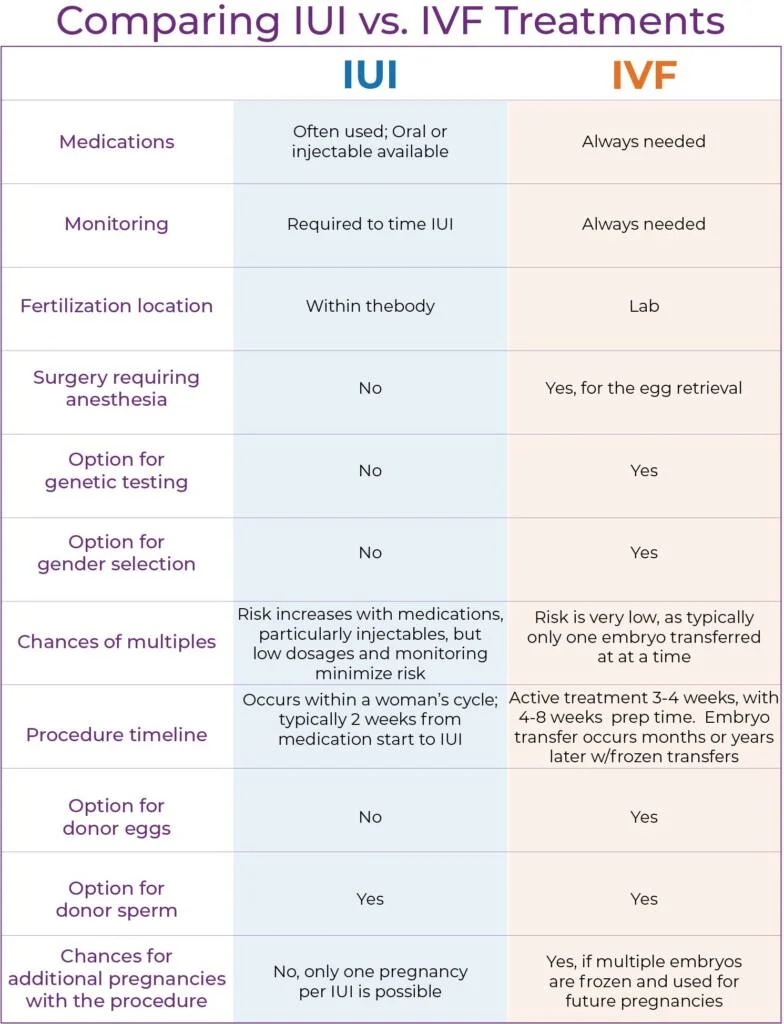
    Comparison chart of IUI and IVF treatments, detailing medications, monitoring, procedures, and success rates.

    At-Home Insemination Success Rates: What You Need to Know Before Starting Your Journey

    Another important factor is the fertility status of the individual or couple. If there are any underlying fertility issues, such as low sperm count or ovulation problems, the success rate of at-home insemination may be lower. It is recommended to consult with a fertility specialist to determine if at-home insemination is the best option for your specific situation.

    Method of Insemination

    The method used for at-home insemination can also impact success rates. Some methods, such as using a fertility kit, have been shown to have higher success rates compared to others. It is important to research and discuss with a healthcare professional to determine which method may be best for you.

    Timing and Frequency of Insemination

    Timing and frequency of insemination can also play a role in success rates. It is important to track ovulation and plan insemination accordingly. The window for conception is typically around 12-24 hours after ovulation, so it is crucial to time insemination correctly. Additionally, some research suggests that increasing the frequency of insemination can also increase the chances of success.

    Tips for Increasing Success Rates

    While there is no guaranteed way to increase success rates in at-home insemination, there are some tips that may help improve your chances. These include:

    – Tracking ovulation: As mentioned previously, timing is crucial in at-home insemination. Tracking ovulation through methods such as basal body temperature or ovulation predictor kits can help increase the chances of conception.
    – Healthy lifestyle choices: Eating a nutritious diet, exercising regularly, and avoiding harmful substances like alcohol and tobacco can help improve overall fertility and increase the chances of success.
    – Consulting with a healthcare professional: It is important to speak with a healthcare professional, such as a fertility specialist, before starting the process of at-home insemination. They can provide personalized advice and guidance based on your specific situation.
    – Consider using donor sperm: If using a donor sperm, it is important to choose a reputable sperm bank and carefully screen the donor. This can help increase the chances of a successful pregnancy.

    In conclusion, at-home insemination can be a viable option for individuals and couples looking to start or expand their families. However, it is important to understand the success rates and factors that may affect them before beginning this journey. With proper research, guidance from healthcare professionals, and healthy lifestyle choices, the chances of a successful pregnancy can be increased.

  • Navigating the Challenges: What to Do When At-Home Insemination Success Rates Are Inconsistent

    Blog Post Title: Navigating the Challenges: What to Do When At-Home Insemination Success Rates Are Inconsistent

    Summary:

    At-home insemination, also known as self-insemination, is becoming an increasingly popular option for individuals and couples looking to conceive. It involves using a syringe or other device to insert semen into the vagina, cervix, or uterus without the assistance of a medical professional. While this method can be convenient and cost-effective, it also comes with its own set of challenges, particularly when it comes to inconsistent success rates.

    In this blog post, we will discuss the various factors that can affect at-home insemination success rates and provide tips on how to navigate these challenges.

    1. Understanding the Basics of At-Home Insemination

    Before diving into the challenges, it is important to have a basic understanding of at-home insemination. This method involves collecting semen from a donor or partner and inserting it into the reproductive tract of the person trying to conceive. This can be done through the use of a syringe, menstrual cup, or specialized device.

    While it may seem simple, there are certain factors that can affect the success of at-home insemination, such as timing, sperm quality, and technique.

    2. Factors That Can Affect At-Home Insemination Success Rates

    a. Timing

    Timing is crucial when it comes to at-home insemination. The window for conception is relatively small, as sperm can only survive for a limited amount of time inside the reproductive tract. It is recommended to inseminate within 24 hours of ovulation, which can be tricky to pinpoint for some individuals. Ovulation predictor kits or tracking basal body temperature can help determine the best time for insemination.

    b. Sperm Quality

    The quality of sperm used in at-home insemination can also greatly affect success rates. Sperm that is too old or has been exposed to extreme temperatures can have reduced motility and viability, making it less likely to result in pregnancy. It is important to use fresh semen from a healthy donor or partner.

    c. Technique

    comparison of IUI and IVF fertility treatments with illustrations of procedures and a petri dish with an egg and sperm

    Navigating the Challenges: What to Do When At-Home Insemination Success Rates Are Inconsistent

    Proper technique is crucial for successful at-home insemination. The sperm must be deposited in the correct location and with the right amount of force for it to reach the egg. It is important to follow instructions carefully and seek guidance from a medical professional if needed.

    3. Tips for Navigating Inconsistent Success Rates

    a. Track and Monitor

    Keeping track of your menstrual cycle and ovulation can help identify patterns and determine the best time for insemination. There are various apps and tools available to help with tracking, which can also be shared with your healthcare provider for further guidance.

    b. Consider Using Multiple Methods

    At-home insemination does not have to be limited to one method. Some individuals may find success with using a combination of methods, such as using both a syringe and a menstrual cup, to increase the chances of pregnancy.

    c. Seek Medical Guidance

    If you have been trying at-home insemination without success, it may be beneficial to seek guidance from a medical professional. They can provide further insight into your individual situation and offer personalized advice and solutions.

    d. Consider Alternative Options

    If at-home insemination is not yielding consistent results, it may be time to consider alternative options such as intrauterine insemination (IUI) or in vitro fertilization (IVF). While these methods may be more expensive, they have higher success rates and are performed by trained medical professionals.

    4. Dealing with the Emotional Rollercoaster

    Trying to conceive can be an emotional rollercoaster, and inconsistent success rates with at-home insemination can add to the stress and frustration. It is important to take care of yourself both physically and emotionally during this process. Seek support from loved ones, join online support groups, and consider therapy if needed.

    In conclusion, navigating the challenges of inconsistent success rates with at-home insemination can be difficult, but it is not impossible. Understanding the basics, tracking and monitoring, seeking guidance, and considering alternative options can all help increase the chances of success. Most importantly, don’t forget to take care of yourself and seek support during this journey.

    SEO metadata:

  • The Role of Age in At-Home Insemination Success Rates

    Blog Post Title: The Impact of Age on At-Home Insemination Success Rates

    At-home insemination, also known as self-insemination, is becoming an increasingly popular method for individuals and couples looking to start a family. This process involves using a syringe or other device to inject sperm into the vagina, cervix, or uterus at home. While it can be a more affordable and convenient alternative to clinical insemination, there are certain factors that can affect its success rates. One of these factors is age.

    In this blog post, we will delve into the role of age in at-home insemination success rates and discuss why it matters when trying to conceive through this method.

    Age and Fertility
    Before we dive into the specifics of at-home insemination success rates, it’s important to understand the relationship between age and fertility. As women age, their fertility starts to decline. This is due to a decrease in the number and quality of eggs in the ovaries. Additionally, the risk of pregnancy complications such as miscarriage and chromosomal abnormalities also increases with age.

    For men, age can also play a role in fertility. While sperm production continues throughout a man’s lifetime, the quality and quantity of sperm may decrease with age. This can make it more difficult to conceive, whether through traditional methods or at-home insemination.

    At-Home Insemination and Age
    When it comes to at-home insemination, age can have an impact on both the male and female partner’s ability to conceive. Let’s take a closer look at each of these factors.

    Female Partner’s Age
    As mentioned earlier, a woman’s fertility starts to decline as she ages. This can make it more challenging to conceive through at-home insemination. Studies have shown that the success rates of at-home insemination decrease significantly after the age of 35. This is due to a decrease in the quality and quantity of eggs, as well as other factors such as hormonal imbalances and underlying health conditions.

    Additionally, the success rates of at-home insemination may also vary based on the specific method used. For example, intrauterine insemination (IUI), which involves placing sperm directly into the uterus, may be more successful for older women as it bypasses potential issues with the cervix and increases the chances of fertilization.

    Male Partner’s Age
    While men can continue to produce sperm throughout their lifetime, the quality and quantity of sperm may decrease as they age. This can affect the success rates of at-home insemination, as the quality of sperm is crucial for fertilization to occur.

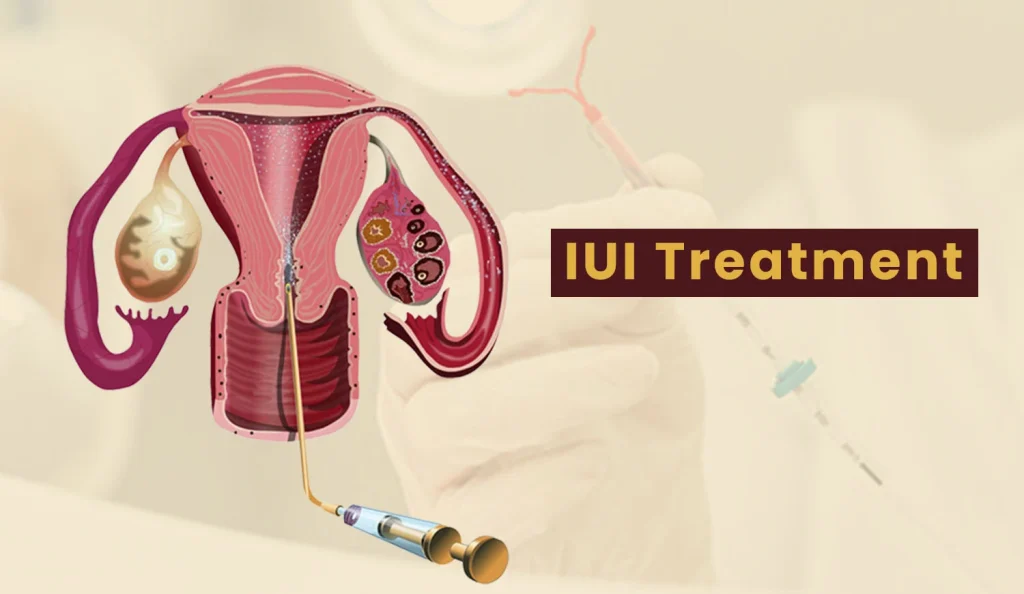
    illustration of the uterus and ovaries with a syringe, labeled "IUI Treatment" in the background

    The Role of Age in At-Home Insemination Success Rates

    One study found that men over the age of 35 had a lower sperm count and a higher percentage of abnormal sperm compared to younger men. This can decrease the chances of fertilization and ultimately affect the success rates of at-home insemination.

    Other Factors to Consider
    While age is an important factor to consider when it comes to at-home insemination success rates, there are other factors that can also play a role. These include underlying health conditions, lifestyle factors, and the timing of insemination. It’s important to consult with a healthcare professional before attempting at-home insemination to ensure that all potential factors are taken into account.

    Tips for Increasing Success Rates
    If you are considering at-home insemination, there are some steps you can take to increase your chances of success, regardless of age. These include:

    1. Track your ovulation: Knowing when you are ovulating can increase the chances of fertilization. There are various methods for tracking ovulation, such as using ovulation predictor kits or tracking basal body temperature.

    2. Use fresh sperm: Using fresh sperm instead of frozen can increase the chances of fertilization. Fresh sperm has a higher motility rate and is more likely to survive and fertilize an egg.

    3. Maintain a healthy lifestyle: Both partners should maintain a healthy lifestyle by eating a balanced diet, exercising regularly, and avoiding unhealthy habits such as smoking and excessive alcohol consumption. This can help improve overall fertility and increase the chances of success.

    4. Consider fertility supplements: There are certain supplements that may help improve fertility in both men and women. Some of these include folic acid, zinc, and CoQ10.

    In conclusion, age can play a significant role in at-home insemination success rates. As women age, their fertility starts to decline, making it more challenging to conceive through this method. Additionally, age can also affect the quality and quantity of sperm in men, further impacting the success rates of at-home insemination. However, by understanding these factors and taking appropriate steps, individuals and couples can increase their chances of success and fulfill their dream of starting a family.

    Summary:
    At-home insemination, also known as self-insemination, is a popular method for individuals and couples looking to start a family. However, age can have a significant impact on the success rates of this method. As women age, their fertility starts to decline, making it more challenging to conceive through at-home insemination. Similarly, age can also affect the quality and quantity of sperm in men, further impacting success rates. Other factors such as underlying health conditions, lifestyle choices, and timing of insemination should also be considered. By tracking ovulation, using fresh sperm, maintaining a healthy lifestyle, and considering fertility supplements, individuals and couples can increase their chances of success with at-home insemination.

  • At-Home Insemination Success Rates: A Comprehensive Guide for Prospective Parents

    Blog Post Title: At-Home Insemination Success Rates: A Comprehensive Guide for Prospective Parents

    At-home insemination is becoming an increasingly popular option for prospective parents who are trying to conceive. This method involves using donor sperm to inseminate oneself or one’s partner at home, without the assistance of a medical professional. While it may seem like a simple and affordable alternative to medical procedures, there are many factors that can affect the success rates of at-home insemination. In this comprehensive guide, we will explore the various factors that can impact the success rates of at-home insemination and provide tips for increasing your chances of success.

    Understanding At-Home Insemination

    At-home insemination involves using a syringe or other insemination device to introduce donor sperm into the vagina or cervix. This method can be used by heterosexual couples, same-sex couples, and single individuals who are looking to start a family. At-home insemination can be done using fresh or frozen donor sperm, which can be purchased from a sperm bank or acquired through a known donor.

    Factors That Can Affect Success Rates

    While at-home insemination may seem like a straightforward process, there are several factors that can affect its success rates. These include:

    1. Timing: The timing of insemination is crucial for success. Sperm can survive in the female reproductive tract for up to five days, so it is important to inseminate around the time of ovulation. This can be determined through methods such as tracking basal body temperature or using ovulation predictor kits.

    2. Sperm Quality: The quality of the donor sperm used can greatly impact the success rates of at-home insemination. It is important to purchase sperm from a reputable sperm bank or have the donor undergo a sperm analysis to ensure high-quality sperm.

    3. Fertility Issues: At-home insemination may not be suitable for individuals or couples who have fertility issues, such as blocked fallopian tubes or low sperm count. It is recommended to consult with a fertility specialist before attempting at-home insemination.

    illustration of intrauterine insemination procedure with a hand holding a speculum and syringe near the uterus

    At-Home Insemination Success Rates: A Comprehensive Guide for Prospective Parents

    4. Age: As with any method of conception, age can also play a role in the success rates of at-home insemination. Women over the age of 35 may have a lower chance of success due to decreased fertility.

    Tips for Increasing Success Rates

    While there is no guarantee of success with at-home insemination, there are some steps that prospective parents can take to increase their chances. These include:

    1. Consult with a Fertility Specialist: It is always recommended to consult with a fertility specialist before attempting at-home insemination. They can assess any potential fertility issues and provide guidance on the best approach for achieving pregnancy.

    2. Track Ovulation: As mentioned earlier, timing is crucial for success. Tracking ovulation through methods such as tracking basal body temperature or using ovulation predictor kits can help determine the best time for insemination.

    3. Use a Speculum: Using a speculum to help visualize the cervix can make the insemination process easier and more effective. It can also help ensure that the sperm is being deposited in the correct location.

    4. Consider Intrauterine Insemination (IUI): In some cases, at-home insemination may not be the most effective method for achieving pregnancy. Intrauterine insemination (IUI) is a medical procedure that involves placing washed sperm directly into the uterus, increasing the chances of conception.

    5. Stay Positive: The journey to parenthood can be emotionally taxing, and at-home insemination may not always result in pregnancy on the first try. It is important to stay positive and keep trying if it doesn’t work out the first time.

    In conclusion, at-home insemination can be a viable option for prospective parents looking to start a family. However, it is important to understand the various factors that can affect its success rates and take necessary steps to increase the chances of conception. Consulting with a fertility specialist, tracking ovulation, and considering alternative methods such as IUI can all contribute to a successful at-home insemination experience.

  • Exploring Alternative Options: When At-Home Insemination Success Rates Are Low

    SUMMARY:

    Alternative options for at-home insemination can be explored when success rates are low. These options include seeking medical assistance, using alternative methods such as intrauterine insemination or in vitro fertilization, and considering natural fertility treatments. It is important to understand the reasons for low success rates and to work closely with a medical professional to determine the best course of action. Additionally, exploring emotional support and self-care practices can also be beneficial in managing the stress and emotions that come with fertility struggles.

    In the world of fertility and conception, there is no one-size-fits-all solution. Every individual and couple’s journey is unique, and sometimes at-home insemination may not yield the desired results. This can be disheartening and frustrating, but there are alternative options that can be explored. In this blog post, we will discuss these alternative options and provide guidance on how to navigate through them.

    Seek Medical Assistance:

    When at-home insemination success rates are low, the first step should be to seek medical assistance. A doctor or fertility specialist can help diagnose any underlying issues that may be hindering conception. They can also provide guidance on the most effective methods of insemination based on individual circumstances. Medical assistance can also include fertility testing and treatments such as hormone therapy or surgery, if necessary. It is crucial to work closely with a medical professional to understand the reasons for low success rates and to determine the best course of action.

    Consider Intrauterine Insemination (IUI) or In Vitro Fertilization (IVF):

    In cases where at-home insemination is not yielding results, alternative methods such as IUI or IVF can be explored. IUI involves placing sperm directly into the uterus using a catheter, while IVF involves fertilizing an egg with sperm in a laboratory and then transferring the embryo into the uterus. These methods have higher success rates compared to at-home insemination, but they also come with a higher financial cost. It is important to discuss with a doctor or fertility specialist to determine if IUI or IVF is the right option for your situation.

    Illustration of the IUI process, showing a syringe and catheter in the reproductive system.

    Exploring Alternative Options: When At-Home Insemination Success Rates Are Low

    Consider Natural Fertility Treatments:

    In addition to medical assistance and alternative methods, natural fertility treatments can also be considered when at-home insemination success rates are low. These treatments include acupuncture, herbal remedies, and lifestyle changes such as diet and exercise. While there is limited scientific evidence to support the effectiveness of these treatments, many individuals and couples have reported positive results. It is important to consult with a qualified practitioner and to inform your doctor about any natural fertility treatments you are considering.

    Seek Emotional Support:

    Dealing with low success rates and fertility struggles can take a toll on one’s emotional well-being. Seeking emotional support can be beneficial in managing the stress and emotions that come with these challenges. This can include therapy, support groups, or talking to a trusted friend or family member. It is important to have a strong support system in place to provide a safe space to express emotions and to receive guidance and encouragement.

    Practice Self-Care:

    In addition to seeking emotional support, practicing self-care is also crucial in managing the mental and emotional toll of fertility struggles. This can include engaging in activities that bring joy and relaxation, such as yoga, meditation, or spending time in nature. It is also important to prioritize self-care and to make time for it regularly. Taking care of oneself is essential in maintaining physical, mental, and emotional well-being during this challenging time.

    In conclusion, when at-home insemination success rates are low, it is important to explore alternative options. Seeking medical assistance, considering alternative methods such as IUI or IVF, and natural fertility treatments can all be effective options. Additionally, seeking emotional support and practicing self-care can help manage the stress and emotions that come with fertility struggles. Remember, every journey is unique, and it is important to find the best option that works for you.

  • The Importance of Patience: Managing Expectations for At-Home Insemination Success Rates

    Blog Post Title: The Importance of Patience: Managing Expectations for At-Home Insemination Success Rates

    Summary:

    Home insemination, also known as at-home insemination, is the process of using donor sperm to conceive without the assistance of a medical professional. It has become a popular option for same-sex couples and single women who want to start a family. However, it is important to understand that at-home insemination success rates are not the same as those of traditional medical procedures. Patience and managing expectations are crucial factors in achieving success with at-home insemination.

    Patience is key when it comes to at-home insemination. Unlike traditional medical procedures, which have a higher success rate, at-home insemination is a more relaxed and less controlled process. It requires patience and perseverance as it may take several tries before achieving a successful pregnancy. Many factors such as ovulation timing, sperm quality, and overall health can affect the success of at-home insemination. It is essential to understand that it may not work on the first try, and that’s okay.

    Managing expectations is also crucial when it comes to at-home insemination. It is essential to have realistic expectations and not be discouraged by unsuccessful attempts. The success rates of at-home insemination vary depending on various factors, such as age, fertility, and sperm quality. According to the American Pregnancy Association, the success rate of at-home insemination is about 15-20% per cycle. It may take multiple cycles before achieving a successful pregnancy, and it is essential to be prepared for this possibility.

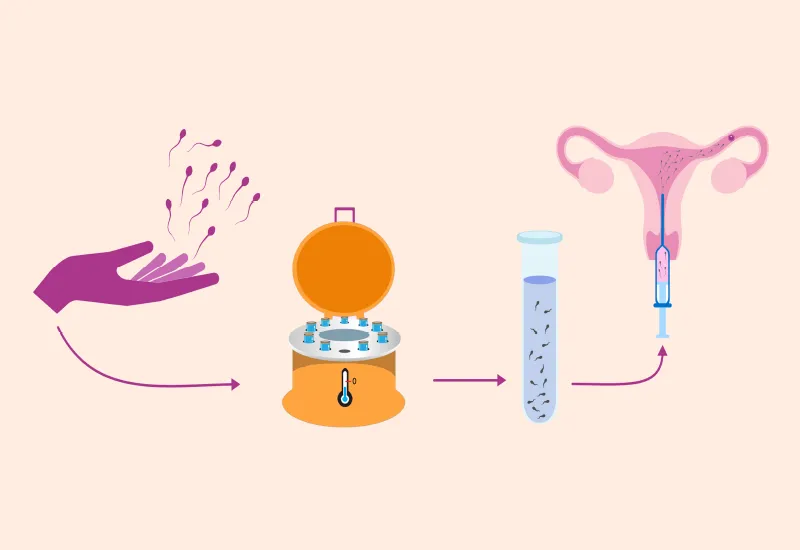
    illustration of the IUI process, showing sperm collection, preparation, and insertion into the uterus

    The Importance of Patience: Managing Expectations for At-Home Insemination Success Rates

    One of the main reasons for the lower success rates of at-home insemination is the lack of medical assistance. In traditional medical procedures, a medical professional monitors the process and ensures that everything is done correctly. In contrast, at-home insemination relies on the individual’s knowledge and understanding of the process. It is crucial to educate oneself on the proper techniques, timing, and precautions to take to increase the chances of success.

    Another essential factor in managing expectations for at-home insemination is understanding the impact of age on fertility. As women age, their fertility declines, making it more challenging to conceive. Additionally, sperm quality also decreases with age, making it harder to achieve a successful pregnancy. It is essential to understand these factors and not get discouraged if it takes longer to conceive.

    Aside from age, other factors can affect the success rates of at-home insemination. These include ovulation timing, sperm quality, and overall health. Ovulation timing is crucial as it is when the egg is released from the ovary and is ready for fertilization. It is essential to track ovulation accurately and time the insemination correctly for the best chances of success. Sperm quality is also a crucial factor as it affects the sperm’s ability to fertilize the egg. It is recommended to use fresh sperm from a known donor or purchase frozen sperm from a reputable sperm bank to ensure the best quality. Overall health is also essential in achieving a successful pregnancy. It is crucial to maintain a healthy diet and lifestyle to increase fertility and overall well-being.

    In addition to patience and managing expectations, it is also essential to have a support system in place. Going through at-home insemination can be emotionally and physically taxing. It is crucial to have a partner, friend, or family member to provide support and encouragement throughout the process. Joining online support groups or seeking guidance from a therapist can also be beneficial in managing emotions and maintaining a positive mindset.

    In conclusion, at-home insemination can be a successful option for starting a family, but it requires patience and managing expectations. It may take multiple attempts before achieving a successful pregnancy, and it is essential to understand and accept this possibility. Factors such as age, ovulation timing, sperm quality, and overall health can affect the success rates of at-home insemination. It is crucial to educate oneself, have a support system, and maintain a positive mindset throughout the process.

  • The Emotional Toll: Coping with Disappointing At-Home Insemination Success Rates

    The Emotional Toll: Coping with Disappointing At-Home Insemination Success Rates

    For many couples, the idea of starting a family through at-home insemination can be a hopeful and exciting prospect. It offers a more intimate and less stressful alternative to clinical procedures, and can also be more cost-effective. However, despite careful planning and following all the necessary steps, the reality is that at-home insemination success rates can be disappointing for some. This can be an emotionally taxing experience for couples who have put all their hopes and dreams into this process. In this blog post, we will explore the emotional toll that comes with coping with disappointing at-home insemination success rates and offer tips on how to navigate this challenging situation.

    Understanding At-Home Insemination Success Rates

    Before delving into the emotional aspect, it is essential to understand the factors that can contribute to disappointing at-home insemination success rates. The success of at-home insemination depends on various factors such as the quality of the sperm used, timing, and the health of both partners. Additionally, there may be underlying fertility issues that can affect the success rates.

    The emotional rollercoaster of at-home insemination

    The journey of trying to conceive through at-home insemination can be a rollercoaster of emotions. It starts with excitement and anticipation as couples embark on this new chapter in their lives. However, as months go by with unsuccessful attempts, feelings of disappointment, frustration, and even hopelessness can start to creep in. For couples who have been trying to conceive for a while, this can add to the emotional burden they are already carrying.

    Coping with disappointment

    The first and most crucial step in coping with disappointing at-home insemination success rates is acknowledging and accepting your feelings. It is normal to feel sad, angry, or frustrated when things don’t go as planned. It is essential to communicate openly with your partner and share your emotions. Remember, you are in this together, and supporting each other through this difficult time is crucial.

    Illustration of intrauterine insemination process, showing sperm collection and injection into the uterus.

    The Emotional Toll: Coping with Disappointing At-Home Insemination Success Rates

    Seeking support

    It is also helpful to seek support from others who have gone through a similar experience. Joining online support groups or connecting with friends who have gone through at-home insemination can provide a sense of comfort and understanding. It can also be beneficial to seek professional counseling to help navigate and process your emotions.

    Reevaluating and exploring other options

    When faced with disappointing at-home insemination success rates, it may be necessary to reevaluate and explore other options. This can include seeking medical advice and considering alternative methods such as intrauterine insemination (IUI) or in vitro fertilization (IVF). While these options may come with a higher cost, they also have higher success rates.

    Taking care of yourself

    Going through the ups and downs of at-home insemination can take a toll on your physical and mental well-being. It is essential to prioritize self-care during this time. This can include getting enough rest, eating well, and engaging in activities that bring you joy and relaxation. Taking care of yourself will not only help you cope with the emotional toll but also prepare your body for future attempts.

    The importance of staying positive

    Despite the disappointment and setbacks, it is crucial to stay positive and maintain hope. Many couples have successfully conceived through at-home insemination, and you could be one of them. It is important to remember that every journey is different, and your time will come. Staying positive and hopeful can help you through this difficult time.

    In conclusion, navigating through disappointing at-home insemination success rates can be emotionally challenging for couples. It is crucial to acknowledge and accept your feelings, seek support, and take care of yourself. Reevaluating and exploring other options can also provide hope for the future. Remember, you are not alone in this journey, and with patience, perseverance, and support, you will overcome this obstacle and achieve your dream of starting a family.

  • At-Home Insemination Success Rates: What to Expect and How to Increase Your Chances

    Blog Post Title: At-Home Insemination Success Rates: What to Expect and How to Increase Your Chances

    Summary:

    At-home insemination is becoming an increasingly popular option for individuals and couples looking to start a family. It involves the process of inserting sperm into the cervix or uterus through artificial means, without the need for medical intervention. While this method may seem simple, there are important factors to consider, such as success rates and how to increase your chances of success.

    In this blog post, we will discuss the success rates of at-home insemination and provide tips on how to increase your chances of a successful pregnancy.

    What Are the Success Rates of At-Home Insemination?

    Success rates of at-home insemination can vary depending on various factors such as age, fertility status, and sperm quality. According to a study published in the Journal of Assisted Reproduction and Genetics, the overall success rate for at-home insemination is approximately 10-15%. This is significantly lower than the success rates of artificial insemination performed by a medical professional, which is around 20%.

    Factors That Can Affect Success Rates

    Age is a crucial factor when it comes to at-home insemination success rates. Women over the age of 35 have a lower chance of success due to decreased fertility. Additionally, those with fertility issues, such as irregular ovulation or blocked fallopian tubes, may also have a lower success rate.

    Sperm quality is another critical factor that can affect the success of at-home insemination. It is essential to use fresh, high-quality sperm for the best chances of success. Poor sperm quality can lead to a lower success rate or even complete failure of the insemination.

    illustration of a uterus with a syringe, representing intrauterine insemination procedure

    At-Home Insemination Success Rates: What to Expect and How to Increase Your Chances

    Ways to Increase Your Chances of Success

    While at-home insemination success rates may not be as high as medical interventions, there are ways to increase your chances of success. Here are some tips to consider:

    1. Track Your Ovulation: Timing is crucial when it comes to insemination. Tracking your ovulation can help you determine the best time to inseminate, increasing your chances of success. You can use ovulation predictor kits or track your basal body temperature to identify your most fertile days.

    2. Choose High-Quality Sperm: As mentioned earlier, using fresh, high-quality sperm is crucial for a successful at-home insemination. You can purchase donor sperm from reputable sperm banks or ask a trusted friend to be a sperm donor.

    3. Use an Insemination Kit: An insemination kit includes all the necessary tools and instructions for at-home insemination. Using a kit can help ensure that the sperm is inserted correctly and increase the chances of success.

    4. Consider Using Pre-Seed: Pre-Seed is a sperm-friendly lubricant that can aid in the movement and survival of sperm. It can be used during at-home insemination to increase the chances of success.

    5. Try Multiple Cycles: Due to the lower success rates of at-home insemination, it is recommended to try multiple cycles to increase the chances of success. It may take a few attempts before achieving a successful pregnancy.

    In Conclusion

    At-home insemination can be a viable option for individuals and couples looking to conceive. While the success rates may not be as high as medical interventions, it is still possible to increase your chances of a successful pregnancy. By considering factors such as age, sperm quality, and using various techniques, you can increase your chances of success.

    Remember to consult with a healthcare professional before attempting at-home insemination and to keep a positive mindset throughout the process. With patience, perseverance, and the right techniques, you can increase your chances of a successful at-home insemination.