Category: Uncategorized

  • Navigating Cultural Differences: The Role of Fertility Counseling in Diverse Communities

    Blog Post: Navigating Cultural Differences: The Role of Fertility Counseling in Diverse Communities

    Cultural diversity is a beautiful aspect of our world, but it can also create challenges when it comes to certain sensitive topics, such as fertility. Different cultures have different beliefs, values, and norms when it comes to family planning and fertility treatments. This can lead to misunderstandings, miscommunication, and even discrimination in healthcare settings. As fertility counseling becomes an increasingly important aspect of reproductive healthcare, it is crucial to address and navigate cultural differences in order to provide effective and inclusive services to diverse communities.

    Understanding Cultural Differences in Fertility

    The concept of family planning and fertility is deeply embedded in cultural and religious beliefs. In some cultures, having a large family is seen as a blessing and a source of pride, while in others, it is a financial burden. Additionally, certain cultures may place a strong emphasis on having biological children, while others may prioritize adoption or fostering. These differences in perspectives and priorities can greatly impact an individual’s decision to seek fertility treatments.

    Moreover, there are also cultural stigmas and taboos surrounding infertility and assisted reproductive technologies (ART). In some cultures, infertility is seen as a personal failure or a curse, which can lead to shame and isolation for those struggling with it. This can make it difficult for individuals to seek help and support for their fertility concerns.

    The Role of Fertility Counseling

    Fertility counseling plays a crucial role in helping individuals and couples navigate their fertility journey. It not only provides emotional support, but also helps individuals make informed decisions about their reproductive health. However, in order to provide effective counseling, it is important for healthcare professionals to understand and respect the cultural differences of their clients.

    One of the main challenges in fertility counseling is the language barrier. Many individuals from diverse communities may not be fluent in the language of their healthcare provider, which can lead to miscommunication and misunderstandings. It is important for providers to have access to interpretation services and to be mindful of cultural nuances in communication.
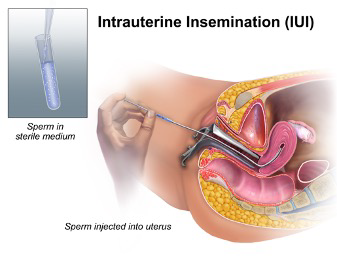
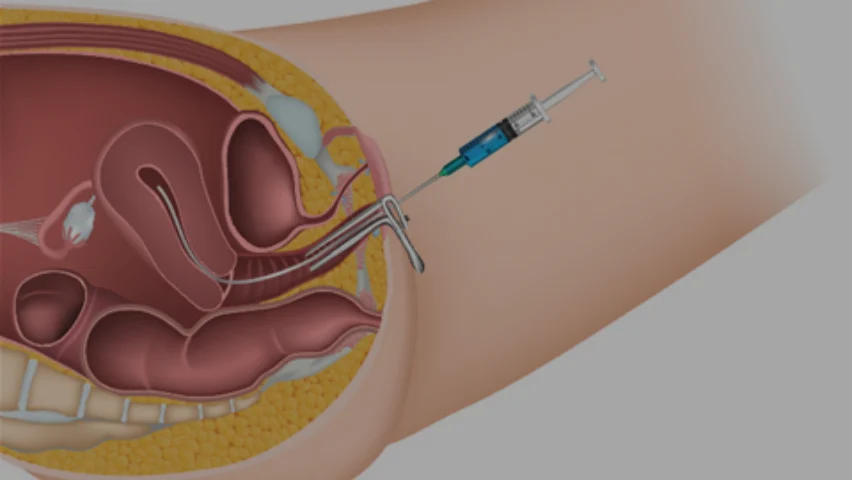
    Illustration of intrauterine insemination (IUI) procedure, showing sperm injection into the uterus.

    Navigating Cultural Differences: The Role of Fertility Counseling in Diverse Communities

    Another important aspect of fertility counseling is cultural competency. This refers to the ability of healthcare professionals to understand and respect the cultural beliefs, values, and practices of their clients. It also involves being aware of one’s own cultural biases and being open to learning about different cultures. By being culturally competent, healthcare providers can create a safe and inclusive environment for their clients, which is crucial for effective counseling.

    Addressing Cultural Differences in Fertility Counseling

    To effectively address cultural differences in fertility counseling, it is important for healthcare providers to educate themselves about different cultures and their beliefs surrounding fertility. This can help them understand their clients’ perspectives and provide culturally sensitive care. Additionally, healthcare providers should also be aware of the cultural resources and support systems available in their community, such as cultural organizations or religious leaders, that can provide additional support to clients.

    It is also important for fertility counselors to be aware of the legal and ethical considerations when it comes to fertility treatments in diverse communities. For example, some cultures may have strict regulations or restrictions on certain fertility treatments, and it is crucial for healthcare providers to respect these boundaries.

    Moreover, fertility counselors should also be mindful of the financial considerations for individuals from diverse communities. Some cultures may have different expectations when it comes to who is responsible for the cost of fertility treatments, and this can impact an individual’s decision to seek treatment. By being aware of these factors, counselors can provide appropriate support and resources to their clients.

    Involving the Community

    In addition to healthcare providers, involving the community can also play a significant role in navigating cultural differences in fertility counseling. This can include collaborating with community leaders and organizations, hosting educational workshops and seminars, and providing culturally sensitive resources and materials. By involving the community, we can create a more inclusive and supportive environment for individuals and couples seeking fertility treatments.

    Summary:

    Navigating cultural differences is a crucial aspect of fertility counseling in diverse communities. Different cultures have different beliefs and values surrounding fertility, and it is important for healthcare providers to understand and respect these differences in order to provide effective and inclusive care. This involves being culturally competent, addressing language barriers, and involving the community in the process. By navigating cultural differences, we can ensure that all individuals have access to the support and resources they need to make informed decisions about their reproductive health.
  • From Grief to Gratitude: The Healing Journey of Fertility Counseling

    Blog Post:

    Grief is a natural and complex emotion that we all experience at some point in our lives. It can come in many forms, but one of the most difficult types of grief to navigate is the grief that comes with infertility. The journey of trying to conceive and experiencing the loss of a pregnancy or the inability to become pregnant can be overwhelming and all-consuming. This is where fertility counseling can play a crucial role in helping individuals and couples move from grief to gratitude.

    Fertility counseling is a specialized form of therapy that focuses on the emotional, psychological, and relational aspects of infertility. It is designed to support individuals and couples who are struggling with infertility, whether they are trying to conceive naturally, undergoing assisted reproductive treatments, or considering other options such as adoption or surrogacy. The goal of fertility counseling is to provide a safe and supportive space for individuals to explore and process their emotions, while also providing practical tools and coping strategies to navigate the challenges of infertility.

    The grief experienced by those struggling with infertility is often complex and multifaceted. It can include feelings of loss, sadness, anger, isolation, guilt, and even shame. These emotions can be overwhelming and may impact all areas of a person’s life, including their relationships, work, and overall well-being. Fertility counseling acknowledges the validity of these emotions and provides a non-judgmental space for individuals to express and process them.

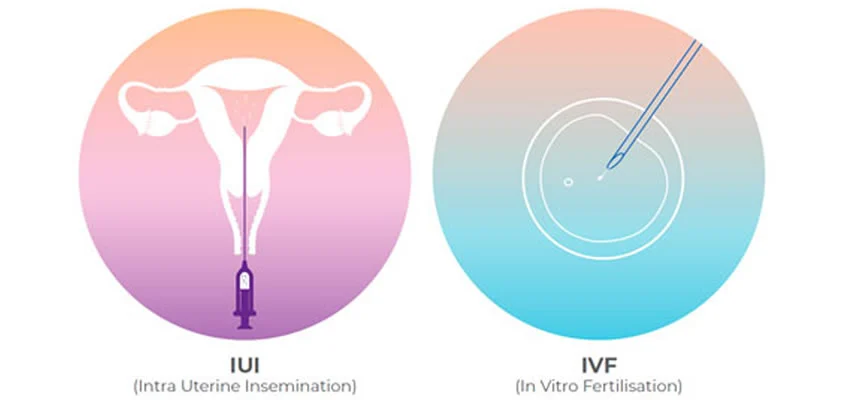
    comparison of IUI and IVF procedures illustrated with simple graphics and labels

    From Grief to Gratitude: The Healing Journey of Fertility Counseling

    One of the unique aspects of fertility counseling is its focus on the couple’s relationship. Infertility can put a strain on even the strongest relationships, as it involves complex emotions and decisions that can be difficult to navigate as a team. Fertility counseling can help couples communicate more effectively, express their needs and feelings, and support each other during this challenging time. It can also help couples make decisions about their fertility journey that feel right for both partners, rather than just one.

    Another important aspect of fertility counseling is its focus on developing coping strategies. Infertility can be a rollercoaster of emotions with its highs and lows, and it is crucial to have healthy coping mechanisms to navigate these ups and downs. Fertility counselors can provide individuals with tools and techniques to manage stress, anxiety, and other challenging emotions that may arise during the fertility journey. These coping strategies can also extend beyond the fertility journey and have a positive impact on one’s overall well-being.

    In addition to supporting individuals and couples during their fertility journey, fertility counseling also plays a crucial role in the healing process after experiencing a loss. A miscarriage, failed IVF cycle, or unsuccessful pregnancy can be devastating and can lead to a deep sense of grief. Fertility counseling can provide a safe and supportive space for individuals to process their emotions and find ways to honor and remember their loss. It can also help individuals find ways to move forward and find hope and gratitude in the midst of their grief.

    The journey from grief to gratitude is not an easy one, and it is important to acknowledge that it looks different for everyone. Some individuals may find it helpful to join a support group or speak with a therapist one-on-one. Others may find comfort in connecting with others who have gone through similar experiences. It is essential to find what works best for you and to have a support system in place as you navigate the fertility journey.

    In summary, fertility counseling can be a valuable resource for individuals and couples struggling with infertility. It provides a safe and supportive space to process complex emotions, improves communication and coping skills, and supports the healing process after experiencing a loss. The journey of infertility can be difficult, but with the help of fertility counseling, individuals can move from grief to gratitude and find hope and healing along the way.

  • Fertility and Self-Care: Balancing Counseling and Support Group Sessions

    Blog Post Summary:

    Fertility and self-care are two important aspects of life that can often be overlooked, especially when dealing with the emotional and physical challenges of trying to conceive. For many individuals and couples, counseling and support group sessions can be beneficial in navigating this journey. However, finding a balance between these two forms of support is crucial for overall well-being. In this blog post, we will explore the importance of self-care in the context of fertility and how it can be balanced with counseling and support group sessions.

    The journey towards parenthood can be filled with a rollercoaster of emotions, from hope and excitement to disappointment and frustration. It is important to acknowledge and honor these emotions, and this is where counseling can be helpful. A trained therapist can provide a safe and non-judgmental space for individuals and couples to express their thoughts and feelings, and help them develop coping strategies to manage the challenges of fertility.

    However, while counseling can be a valuable resource, it is equally important to prioritize self-care during this time. Self-care refers to any intentional actions taken to promote one’s physical, mental, and emotional well-being. It is not a luxury, but a necessity for maintaining overall health and managing stress. In the context of fertility, self-care can involve activities such as exercise, mindfulness practices, and seeking out social support from loved ones.

    One way to incorporate self-care into the fertility journey is by attending support group sessions. These gatherings provide a sense of community and understanding, as individuals and couples can connect with others who are going through similar experiences. Support groups can also offer valuable insights and resources, as well as a sense of hope and empowerment.

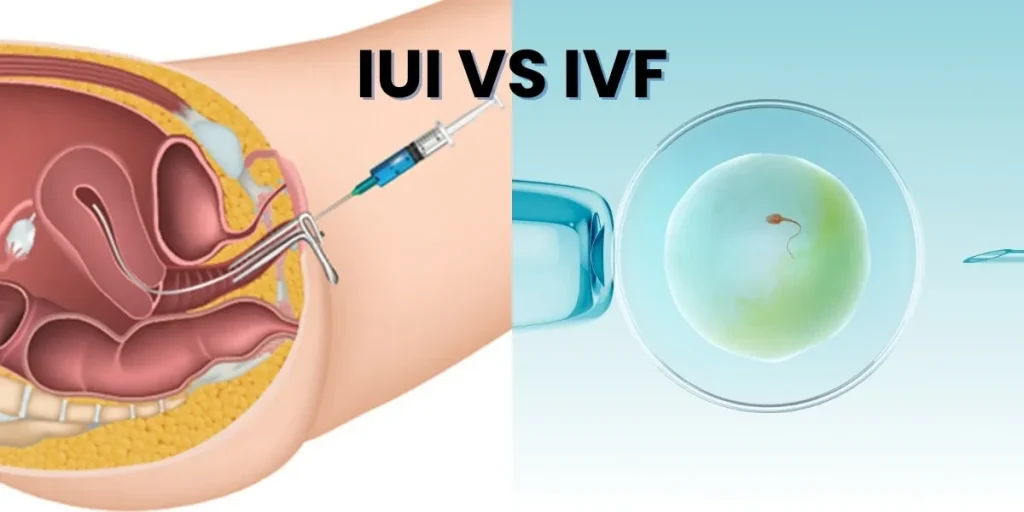
    comparison of IUI and IVF fertility treatments with illustrations of procedures and a petri dish with an egg and sperm

    Fertility and Self-Care: Balancing Counseling and Support Group Sessions

    While both counseling and support groups can be beneficial, it is important to find a balance between the two. Over-reliance on either form of support can lead to neglecting one’s own needs. This can be especially true for those who are undergoing fertility treatments, as they may feel pressure to constantly focus on their fertility journey and neglect other aspects of their life.

    One way to balance counseling and support group sessions is by setting boundaries and prioritizing self-care activities. This can involve scheduling regular breaks from fertility-related discussions and appointments, and dedicating time to engage in self-care practices. It is also important to communicate with therapists and support group facilitators about one’s needs and boundaries.

    Another way to balance these forms of support is by finding a therapist or support group that specifically focuses on fertility. These professionals will have a better understanding of the unique challenges and emotions that come with trying to conceive, and can provide tailored support and resources. Additionally, they can work together to ensure that the individual or couple’s needs are being met and that they are receiving well-rounded support.

    It is also important to keep in mind that self-care looks different for everyone and can change over time. What may have been a helpful self-care practice in the past may not be as effective in the present. It is important to regularly reassess and adjust self-care routines to fit one’s current needs and circumstances.

    In conclusion, the journey towards parenthood can be emotionally and physically taxing, and it is important to prioritize self-care in the midst of counseling and support group sessions. Finding a balance between these forms of support is crucial for overall well-being, and can help individuals and couples navigate the challenges of fertility with more resilience and self-compassion. By setting boundaries, communicating with professionals, and regularly reassessing self-care practices, individuals and couples can find a balance that works for them and supports their journey towards parenthood.

  • Empathy and Understanding: The Key Components of Fertility Support Groups

    Empathy and Understanding: The Key Components of Fertility Support Groups

    Fertility struggles can be a difficult and isolating experience for many individuals and couples. The journey towards parenthood can be filled with physical, emotional, and financial challenges, leaving those going through it feeling overwhelmed and alone. This is where fertility support groups can play a crucial role in providing much-needed empathy and understanding to those on the fertility journey.

    Fertility support groups are a safe and supportive space for individuals and couples to share their experiences, emotions, and challenges related to fertility. These groups can be in-person or online and are often facilitated by a trained professional or led by individuals who have gone through fertility struggles themselves. While each support group may have a different focus or approach, there are two key components that are essential to their success – empathy and understanding.

    Empathy refers to the ability to understand and share the feelings of others. In the context of fertility support groups, this means being able to put yourself in the shoes of someone going through similar struggles and truly understanding their emotions, fears, and challenges. Empathy is crucial because it allows individuals to feel seen and heard, which can provide a sense of validation and comfort.

    In fertility support groups, empathy can be expressed through active listening and validation. Active listening involves being fully present and engaged in what the other person is saying, without judgment or distractions. It also involves reflecting back what the person has shared, showing that you have understood and heard them. Validation, on the other hand, involves acknowledging and accepting the emotions and experiences of others. This can be incredibly powerful for those going through fertility struggles, as it can help them feel less alone and more understood.

    Understanding, on the other hand, refers to the ability to comprehend and relate to someone’s experiences and perspectives. In fertility support groups, understanding is essential because it allows individuals to connect with others who are going through similar struggles. It also helps break down feelings of isolation and shame that often come with fertility challenges. When individuals feel understood, they are more likely to open up and share their experiences, which can lead to deeper connections and a sense of belonging.

    Illustration of intrauterine insemination (IUI) procedure with syringe and catheter in the uterus.

    Empathy and Understanding: The Key Components of Fertility Support Groups

    One way that understanding is fostered in fertility support groups is through the sharing of personal experiences. When individuals share their stories and struggles, it allows others to see that they are not alone and that their experiences are valid. This can be incredibly comforting and empowering for those going through fertility struggles, as it helps them feel heard and understood. Additionally, understanding can also be fostered through education and information sharing. Support group leaders or professionals may provide valuable information and resources related to fertility, which can help individuals better understand their own experiences and navigate the complexities of fertility treatments.

    Apart from empathy and understanding, there are several other benefits of participating in fertility support groups. These include:

    1. Building a sense of community: Fertility support groups provide a safe and welcoming space for individuals and couples to connect with others who are on a similar journey. This sense of community can provide much-needed support and encouragement, especially during difficult times.

    2. Coping with emotions: Fertility struggles can bring up a wide range of emotions, from grief and sadness to anger and frustration. Support groups can provide a safe outlet for individuals to express and process these emotions, which can be crucial for their overall well-being.

    3. Learning coping strategies: Support groups can also provide individuals with practical coping strategies to help them manage the emotional and physical challenges of fertility treatments. This can include techniques such as mindfulness, relaxation exercises, and self-care practices.

    4. Reducing stigma and shame: Fertility struggles are often surrounded by stigma and shame, which can make individuals feel isolated and misunderstood. Support groups provide a non-judgmental space where individuals can share their experiences without fear of stigma or shame.

    In summary, empathy and understanding are the key components of fertility support groups. These groups provide a safe and supportive space for individuals and couples to share their experiences, emotions, and challenges related to fertility. By fostering empathy and understanding, support groups can help individuals feel seen, heard, and understood, reducing the sense of isolation and shame that often comes with fertility struggles. Additionally, support groups offer a sense of community, coping strategies, and a reduction of stigma and shame, making them a valuable resource for those on the fertility journey.

  • Breaking the Silence: The Importance of Fertility Counseling for Mental Health

    Breaking the Silence: The Importance of Fertility Counseling for Mental Health

    Dealing with fertility issues can be an emotionally, physically, and financially taxing experience for individuals and couples. The inability to conceive or carry a child can lead to feelings of grief, loss, guilt, and even shame. These complex emotions can often take a toll on one’s mental health, making it crucial for individuals struggling with fertility to seek counseling and support.

    Fertility counseling, also known as reproductive or fertility therapy, is a specialized form of therapy that focuses on the emotional and psychological aspects of fertility issues. It aims to help individuals and couples navigate the challenges of fertility and provides them with the necessary tools and support to cope with the emotional rollercoaster that comes with it.

    Despite the prevalence of fertility issues, it is still a topic that is often shrouded in silence and stigma. Many individuals and couples may feel ashamed or embarrassed to talk about their struggles with fertility, leading them to suffer in silence. This silence can be detrimental to one’s mental health, as the stress and emotional burden of fertility issues can lead to anxiety, depression, and other mental health disorders.

    Fertility counseling provides a safe and judgment-free space for individuals and couples to express their emotions and concerns. It allows them to unload the weight they have been carrying and process their feelings in a healthy and constructive manner. A professional fertility counselor can also help clients understand and navigate the various treatment options available, providing them with the necessary information to make informed decisions about their fertility journey.

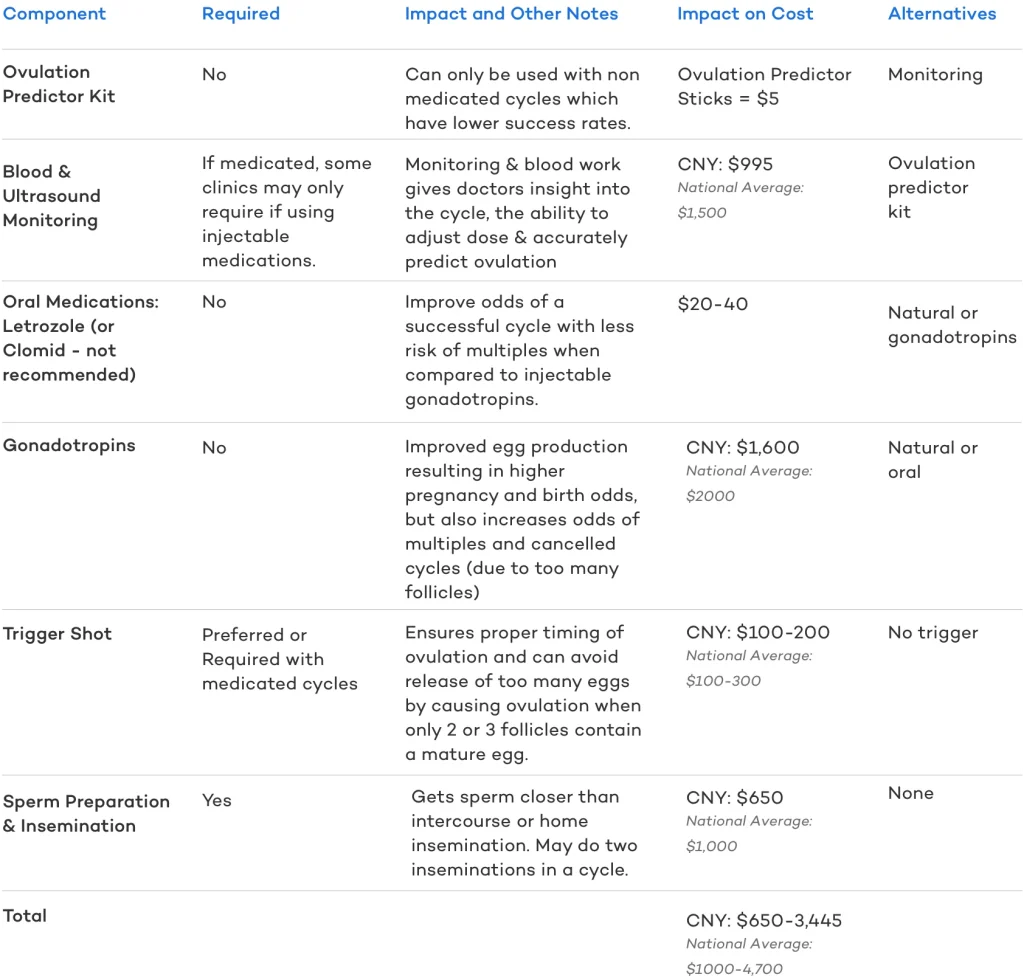
    Cost breakdown for IUI components, including requirements, impacts, and alternatives.

    Breaking the Silence: The Importance of Fertility Counseling for Mental Health

    In addition to providing emotional support, fertility counseling can also help individuals and couples manage the stress and anxiety that often accompany fertility treatments. The constant monitoring, medical procedures, and financial strain can take a toll on one’s mental well-being. Fertility counseling can equip clients with coping mechanisms to reduce stress and improve their overall mental health.

    Moreover, fertility counseling can also help improve relationships. Fertility issues can put a strain on even the strongest of relationships. The stress and disappointment of unsuccessful treatments can lead to conflicts and communication breakdowns between partners. Fertility counseling can provide a safe and neutral space for partners to communicate openly and work through their issues together, strengthening their bond and improving their chances of a successful outcome.

    For individuals or couples considering alternative options such as donor conception, surrogacy, or adoption, fertility counseling can be particularly beneficial. These options come with their own set of emotional challenges and complexities, and a fertility counselor can help individuals and couples navigate them in a healthy and supportive manner. They can also provide guidance on how to talk to family and friends about these decisions and manage any potential stigma or judgment.

    In addition to individual and couples therapy, fertility counseling can also include support groups. These groups bring together individuals and couples who are going through similar experiences, providing a sense of community and understanding. Support groups can be a valuable source of emotional support and a place to share experiences, information, and resources.

    In conclusion, fertility counseling is a crucial aspect of mental health care for individuals and couples struggling with fertility issues. It provides a safe and supportive space to process complex emotions, manage stress, and improve relationships. Fertility counseling can also help individuals and couples make informed decisions about their fertility journey and navigate the challenges that come with it. By breaking the silence and seeking support, individuals and couples can improve their mental health and increase their chances of a successful outcome.

  • The Power of Positivity: How Fertility Support Groups Can Boost Your Mental Health

    Blog Post:

    In today’s fast-paced and stressful world, it’s easy to get overwhelmed and feel like we’re constantly struggling to keep our heads above water. This is especially true for individuals or couples who are struggling with fertility issues. The emotional and physical toll of trying to conceive can be draining and can take a toll on one’s mental health. However, there is a powerful tool that can help boost mental health and provide much-needed support during this difficult journey – fertility support groups.

    Fertility support groups are safe and welcoming spaces for individuals or couples who are trying to conceive, have experienced pregnancy loss, or are going through fertility treatments. These groups provide a platform for people to share their experiences, emotions, and struggles with others who understand and can relate to what they are going through. While the primary goal of these groups is to provide support and information related to fertility, they also have a powerful impact on one’s mental health and overall well-being. Let’s explore the power of positivity that fertility support groups can bring into your life.

    1. A Sense of Community and Belonging

    One of the most significant benefits of participating in a fertility support group is the sense of community and belonging it provides. Going through fertility struggles can be isolating and can make individuals feel like they are the only ones facing these challenges. However, in a support group, one can meet others who are going through similar experiences and understand the struggles and emotions involved. This sense of community can help individuals feel less alone and provide a sense of belonging, which can have a positive impact on mental health.

    2. Validation and Understanding

    Fertility support groups offer a safe space for individuals to share their experiences and emotions without fear of judgment. This validation and understanding from others who are going through similar challenges can be incredibly comforting and therapeutic. It can help individuals feel heard and understood, which can alleviate feelings of isolation and loneliness. This can be particularly helpful for those who may not have a strong support system in their personal lives.

    3. Coping Strategies and Resources

    Fertility support groups are not just about sharing experiences and emotions; they also provide valuable information and resources. Many groups have professionals, such as therapists or fertility specialists, who provide guidance and coping strategies to help individuals manage their emotions and navigate their fertility journey. These resources can be invaluable in helping individuals cope with the stress and anxiety that often accompany fertility struggles.

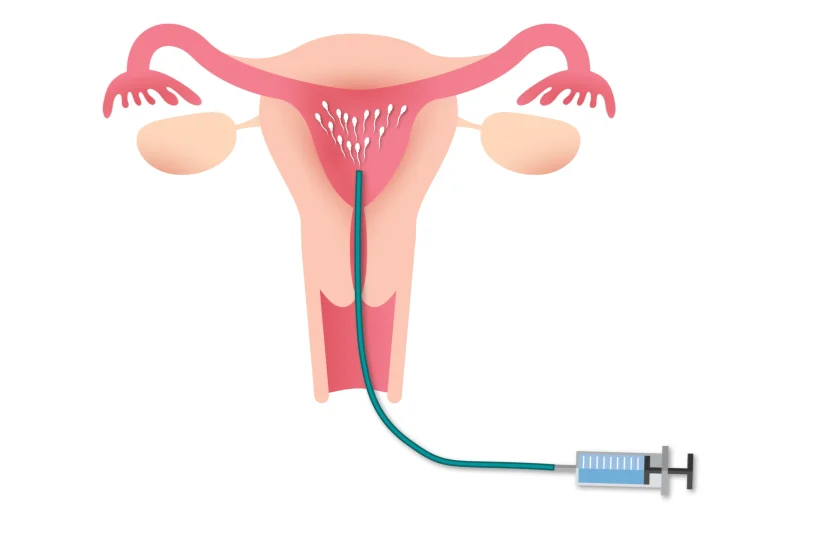
    diagram of a uterus with a syringe for intrauterine insemination procedure

    The Power of Positivity: How Fertility Support Groups Can Boost Your Mental Health

    4. Hope and Positivity

    One of the most significant benefits of participating in a fertility support group is the sense of hope and positivity it can bring. Seeing others who have gone through similar challenges and have successfully conceived or are on their way to becoming parents can provide a much-needed ray of hope. It can also serve as a reminder that one is not alone in their struggles and that there is light at the end of the tunnel. This positivity can be a powerful tool in boosting mental health and helping individuals stay motivated and resilient on their journey to parenthood.

    5. A Safe Place to Grieve

    For individuals or couples who have experienced pregnancy loss or failed fertility treatments, a support group can be a safe place to grieve. It is a space where they can openly express their emotions and receive support and understanding from others who have gone through similar experiences. This can be incredibly healing and therapeutic, as bottling up emotions and grief can have a negative impact on mental health.

    6. Bonding and Friendships

    Fertility support groups not only provide support and information, but they also offer the opportunity to form meaningful connections and friendships. Going through a challenging journey with others can create a strong bond, and many individuals in these groups form lasting friendships. These friendships can provide a source of support and understanding long after the fertility journey is over, making a positive impact on overall mental health.

    7. A Sense of Empowerment

    Participating in a fertility support group can also provide a sense of empowerment to individuals. It helps them take control of their journey and make informed decisions about their fertility treatment. It also allows them to advocate for their needs and rights, which can be particularly helpful when dealing with healthcare professionals. This sense of empowerment can boost self-esteem and confidence, which are essential aspects of mental health.

    In summary, fertility support groups can have a powerful impact on one’s mental health and well-being. They provide a sense of community, validation, coping strategies, hope, and positivity. They also serve as a safe place to grieve, bond, and form friendships, and can empower individuals to take control of their fertility journey. If you are struggling with fertility issues, consider joining a support group and experience the power of positivity for yourself.

  • Fertility Treatment Options: Navigating with the Help of Counseling and Support

    Blog post summary:

    Fertility treatment can be a complex and emotional journey for individuals and couples struggling with infertility. While there are various medical options available, it is important to also consider the role of counseling and support in navigating this process. In this blog post, we will discuss the different fertility treatment options and the benefits of seeking counseling and support during this challenging time.

    The blog post begins by providing an overview of the various fertility treatment options, including medications, assisted reproductive technologies, and adoption. It emphasizes the importance of consulting with a fertility specialist to determine the best course of action based on individual circumstances.

    Next, the blog post delves into the emotional and psychological impact of infertility and how counseling can provide much-needed support during this difficult time. It highlights the benefits of seeking therapy, such as coping with grief and loss, managing stress and anxiety, and improving communication in relationships.

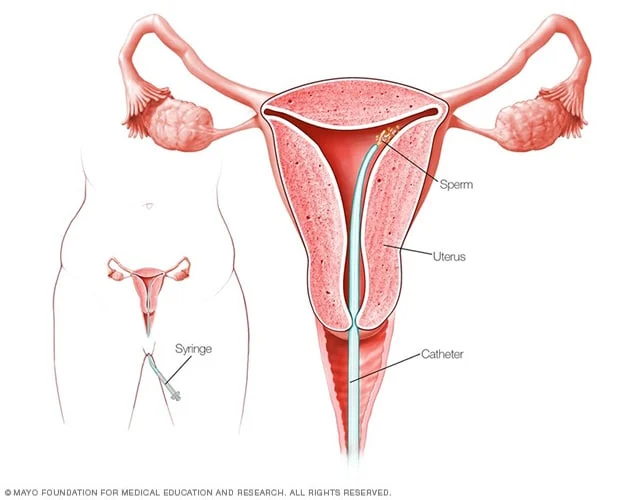
    diagram illustrating intrauterine insemination (IUI) procedure with uterus, sperm, and catheter labeled

    Fertility Treatment Options: Navigating with the Help of Counseling and Support

    The blog post then explores the role of support groups in the fertility treatment journey. It explains how connecting with others who are going through a similar experience can provide a sense of community, reduce feelings of isolation, and offer valuable advice and support.

    Additionally, the blog post discusses the importance of self-care during fertility treatment. It emphasizes the need to prioritize physical and emotional well-being and offers practical tips for self-care, such as exercise, mindfulness, and seeking out positive distractions.

    Finally, the blog post addresses the financial aspect of fertility treatment and the potential strain it can put on individuals and couples. It suggests seeking financial counseling and exploring options for financial assistance to alleviate some of the stress and burden.

    In conclusion, fertility treatment is a challenging journey that can greatly benefit from the support of counseling and support groups. By addressing the emotional, psychological, and financial aspects of infertility, individuals and couples can navigate this process with greater resilience and hope.

  • The Cost of Infertility: How Counseling and Support Groups Can Provide Financial Guidance

    Blog Post:

    Infertility is a complex and emotionally challenging issue that affects millions of couples worldwide. It can take a toll on a person’s mental and emotional well-being, as well as their financial stability. Many couples struggling with infertility face significant financial burdens, from the cost of fertility treatments to the expenses associated with adoption or surrogacy. This financial strain can add an extra layer of stress and anxiety to an already difficult situation.

    In the United States, the average cost of one cycle of in vitro fertilization (IVF) is around $12,000, and that does not include additional expenses such as medications, diagnostic tests, and other procedures. These costs can quickly add up, and for many couples, it can be difficult to afford multiple cycles of IVF. In addition, many insurance companies do not cover fertility treatments, leaving couples to bear the full financial burden on their own.

    The Cost of Counseling for Infertility

    Counseling and support groups can provide much-needed guidance and support for couples struggling with infertility. However, many people may be hesitant to seek out these resources due to the added expense. While it is understandable to be concerned about the cost of counseling, it is essential to consider the potential long-term benefits that can outweigh the short-term costs.

    Counseling can help individuals and couples navigate the complex emotions that come with infertility. It can provide a safe space to process feelings of grief, anger, and frustration. Infertility can also strain a couple’s relationship, and counseling can help improve communication and strengthen their bond. By addressing these emotional challenges, couples may find that they are better equipped to handle the financial strain of infertility.

    Counseling can also provide guidance on managing financial stress and making informed decisions about fertility treatments. A counselor can help couples explore all their options and develop a plan that is both financially and emotionally sustainable. They can also provide resources for financial assistance and help couples create a budget to manage the costs of fertility treatments.

    The Value of Support Groups

    Support groups are another valuable resource for couples facing infertility. These groups provide a sense of community and understanding that can be difficult to find elsewhere. They allow individuals to connect with others who are going through a similar experience, providing a sense of validation and support.

    Support groups can also be a valuable source of information and advice on managing the financial aspects of infertility. Members can share their experiences with different treatments and offer tips on how to minimize costs. They can also provide emotional support and help individuals and couples navigate the ups and downs of the fertility journey.

    A person administering an injection into their abdomen with a yellow pen-like device.

    The Cost of Infertility: How Counseling and Support Groups Can Provide Financial Guidance

    Cost-Efficient Counseling and Support Options

    While the cost of individual counseling sessions can add up, there are also more cost-efficient options available. Many therapists offer sliding scale fees based on income, making counseling more affordable for those on a tight budget. In addition, some insurance plans may cover a portion of counseling costs, so it is worth checking with your provider to see if this is an option.

    Online support groups and counseling are also becoming increasingly popular and can be a more cost-effective alternative. These virtual platforms allow individuals to connect with others from the comfort of their own home, eliminating the need for travel expenses. Online counseling sessions may also be more affordable than traditional in-person sessions.

    Finding Financial Support for Infertility

    In addition to counseling and support groups, there are also financial resources available for couples struggling with infertility. Many fertility clinics offer financing options, such as payment plans or loans, to help make treatments more affordable. Some clinics also offer discounted rates for multiple cycles or have programs in place to assist low-income individuals and couples.

    There are also grants and scholarships available specifically for fertility treatments. These grants can help cover the cost of IVF, medications, and other related expenses. It is worth researching and applying for these grants, as they can provide much-needed financial assistance for couples facing infertility.

    Summary:

    Infertility can be emotionally and financially draining for couples. The cost of fertility treatments, coupled with the added expenses of counseling and support, can make it challenging to pursue the dream of starting a family. However, seeking out counseling and support can provide valuable guidance and emotional support to help couples navigate the challenges of infertility.

    Counseling can provide a safe space to process emotions, improve relationships, and make informed decisions about fertility treatments. Support groups can offer a sense of community and valuable information on managing the financial aspects of fertility. These resources, along with cost-efficient options and financial assistance, can help alleviate the financial strain of infertility and make the journey more manageable.

    By seeking out counseling and support, couples can not only improve their mental and emotional well-being but also receive valuable financial guidance to help them achieve their dream of starting a family.

  • Coping with Pregnancy Loss: The Benefits of Fertility Counseling and Support

    Summary:

    Pregnancy loss, also known as miscarriage, is a devastating experience for expectant parents. It can leave them feeling lost, confused, and overwhelmed with emotions. Coping with pregnancy loss can be a difficult journey, but seeking fertility counseling and support can offer numerous benefits to help individuals navigate through this challenging time.

    Fertility counseling is a form of therapy specifically tailored to individuals and couples who are struggling with fertility issues, including pregnancy loss. This type of counseling can provide a safe and supportive space for individuals to express their feelings and work through their grief. Fertility counselors are trained to understand the complexities of pregnancy loss and can offer guidance and coping strategies to help individuals manage their emotions.

    One of the main benefits of fertility counseling is the validation of feelings. Pregnancy loss is often a taboo topic, and many individuals may feel isolated and misunderstood by those around them. Fertility counseling provides a safe and non-judgmental space for individuals to share their experiences and feelings without fear of being judged. This validation of emotions can be crucial in the healing process and can help individuals feel less alone in their grief.

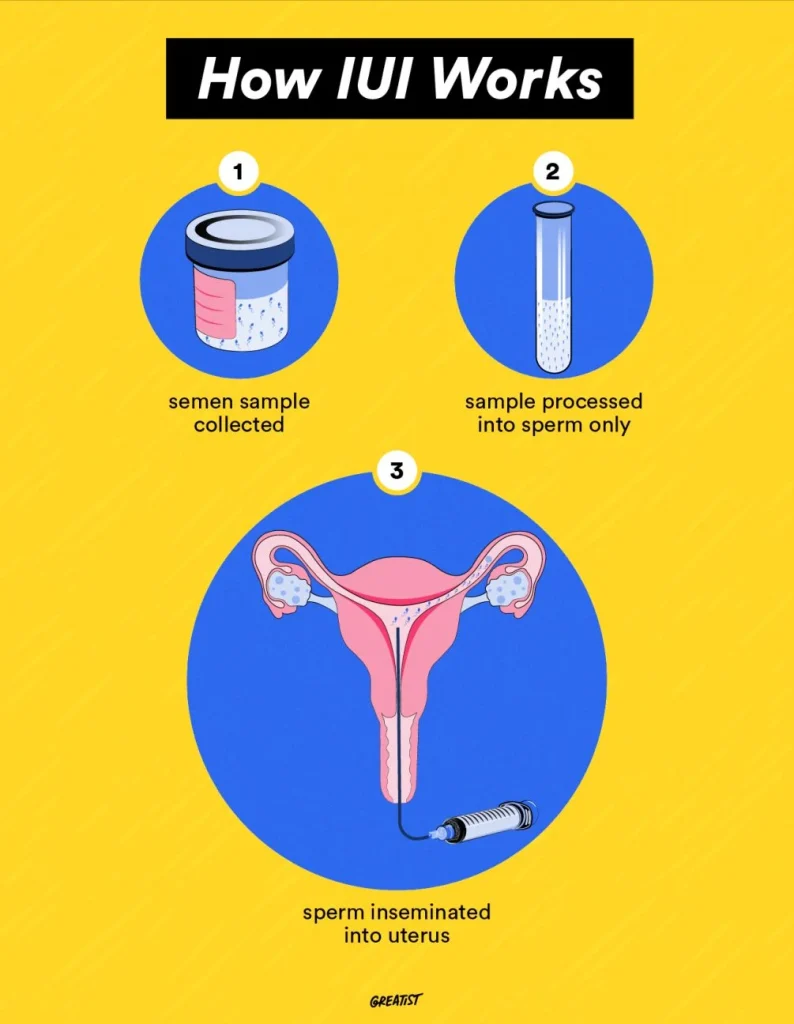
    illustration explaining the steps of intrauterine insemination (IUI) process on a bright yellow background

    Coping with Pregnancy Loss: The Benefits of Fertility Counseling and Support

    Another benefit of fertility counseling is the opportunity for individuals to learn coping skills. Pregnancy loss can bring about a range of emotions, including sadness, anger, guilt, and anxiety. Fertility counselors can help individuals identify and understand these emotions and teach them techniques to cope with them. This can include relaxation techniques, mindfulness practices, and cognitive-behavioral therapy. These coping skills can help individuals manage their emotions and navigate through their grief in a healthier way.

    Fertility counseling also offers a safe space for individuals to explore their options and make decisions about their future. After a pregnancy loss, individuals may feel unsure about trying to conceive again or may have fears and anxieties about future pregnancies. Fertility counselors can help individuals work through these concerns and provide them with information and support to make informed decisions about their fertility journey.

    In addition to fertility counseling, support groups can also be a valuable resource for individuals coping with pregnancy loss. Support groups provide a sense of community and understanding as individuals connect with others who have gone through similar experiences. These groups can offer a safe and supportive environment for individuals to share their feelings, seek advice, and gain insight into their grief journey.

    Apart from professional support, seeking support from friends and family can also be beneficial. However, it is essential to set boundaries and communicate clearly about one’s needs. It is also crucial for loved ones to understand that each person’s grief journey is unique, and there is no right or wrong way to grieve. Providing a listening ear and offering practical support can make a significant difference in helping individuals cope with pregnancy loss.

    In conclusion, coping with pregnancy loss can be a challenging and emotional journey. Seeking fertility counseling and support can offer numerous benefits to individuals navigating through this difficult time. From validating feelings to providing coping skills and offering a safe space to make decisions, fertility counseling can play a vital role in the healing process. Along with professional support, seeking support from loved ones and connecting with others in support groups can also aid in coping with pregnancy loss. Remember, there is no timeline for grief, and it is essential to be patient and kind to oneself during this process.

  • Finding Your Voice: The Empowerment of Fertility Support Groups

    Finding Your Voice: The Empowerment of Fertility Support Groups

    For many people, the journey to starting a family is not always easy. In fact, it can be filled with unexpected challenges and obstacles, especially when it comes to fertility. The emotional toll of dealing with infertility and other fertility issues can be overwhelming and isolating, leaving many individuals and couples feeling lost and alone. However, there is a growing movement towards finding strength and support through fertility support groups. These groups provide a safe and empowering space for individuals to share their experiences, connect with others who understand, and find their voice in a world that often shames and stigmatizes those struggling with fertility.

    The Power of Community

    One of the most significant benefits of fertility support groups is the sense of community they provide. Infertility can often leave individuals feeling isolated and misunderstood by their loved ones. This can lead to feelings of shame, guilt, and inadequacy. However, in a support group, individuals can connect with others who are going through similar experiences. They can share their stories, provide support and encouragement, and offer a listening ear without any judgment.

    The power of community is especially crucial when it comes to infertility because it is a topic that is often not discussed openly in society. Fertility support groups create a safe and inclusive space where individuals can freely express their thoughts and feelings without fear of being judged or ostracized. This sense of belonging and understanding can be incredibly empowering, as it allows individuals to break their silence and find their voice.

    Validation of Feelings

    Infertility is a complex and emotional experience that can bring up a range of feelings, including anger, sadness, grief, and frustration. However, these emotions are often dismissed or invalidated in society, leaving individuals to carry the weight of their struggles alone. Fertility support groups provide a space where individuals can openly express their feelings without fear of being judged or dismissed.

    In these groups, individuals can find validation for their emotions and experiences, which can be incredibly empowering. By hearing the stories of others and realizing that they are not alone in their struggles, individuals can find a sense of comfort and understanding. This can help them process their emotions and find ways to cope with the challenges they are facing.

    Empowerment Through Education

    Illustration of IUI procedure with uterus and syringe against a DNA background.

    Finding Your Voice: The Empowerment of Fertility Support Groups

    Fertility support groups not only provide emotional support but also serve as a valuable source of information and education. Many groups have guest speakers or hold informational sessions on various topics related to fertility, such as treatments, alternative options, and self-care practices. This education can empower individuals to take an active role in their fertility journey and make informed decisions.

    Moreover, fertility support groups also provide a platform for individuals to share their own knowledge and experiences. This can be especially helpful for those who have already gone through certain treatments or have tried alternative methods. They can share their insights and advice with others, helping them feel more in control of their situation.

    Mental Health Support

    The emotional toll of infertility can take a significant toll on one’s mental health. It is not uncommon for individuals struggling with fertility to experience anxiety, depression, and other mental health issues. Fertility support groups can serve as a vital source of mental health support for those going through these challenges.

    In a support group, individuals can find a safe and understanding space to talk about their mental health struggles and receive support from others who are going through similar experiences. This can be incredibly empowering, as it allows individuals to openly address their mental health and seek help without any shame or stigma.

    Family Planning and Beyond

    Fertility support groups not only cater to those struggling with infertility but also to individuals and couples who are planning to start a family. These groups can provide valuable information and support for those navigating family planning decisions, such as considering fertility treatments or adoption. They can also offer a safe and inclusive space for LGBTQ+ individuals and couples looking to start a family.

    Furthermore, fertility support groups can also serve as a source of support for individuals and couples who have successfully started a family but still need emotional support and understanding. They can offer a sense of community and validation for those who may still be dealing with the emotional aftermath of their fertility struggles.

    In summary, fertility support groups are a powerful tool for empowerment and support for those struggling with fertility. They provide a sense of community, validation of emotions, education, mental health support, and a safe space for family planning and beyond. These groups offer a beacon of hope and strength for individuals and couples going through the challenges of fertility, and through the power of community, they can find their voice and feel empowered in their journey towards starting a family.