Blog Post: Navigating Cultural Differences: The Role of Fertility Counseling in Diverse Communities
Cultural diversity is a beautiful aspect of our world, but it can also create challenges when it comes to certain sensitive topics, such as fertility. Different cultures have different beliefs, values, and norms when it comes to family planning and fertility treatments. This can lead to misunderstandings, miscommunication, and even discrimination in healthcare settings. As fertility counseling becomes an increasingly important aspect of reproductive healthcare, it is crucial to address and navigate cultural differences in order to provide effective and inclusive services to diverse communities.
Understanding Cultural Differences in Fertility
The concept of family planning and fertility is deeply embedded in cultural and religious beliefs. In some cultures, having a large family is seen as a blessing and a source of pride, while in others, it is a financial burden. Additionally, certain cultures may place a strong emphasis on having biological children, while others may prioritize adoption or fostering. These differences in perspectives and priorities can greatly impact an individual’s decision to seek fertility treatments.
Moreover, there are also cultural stigmas and taboos surrounding infertility and assisted reproductive technologies (ART). In some cultures, infertility is seen as a personal failure or a curse, which can lead to shame and isolation for those struggling with it. This can make it difficult for individuals to seek help and support for their fertility concerns.
The Role of Fertility Counseling
Fertility counseling plays a crucial role in helping individuals and couples navigate their fertility journey. It not only provides emotional support, but also helps individuals make informed decisions about their reproductive health. However, in order to provide effective counseling, it is important for healthcare professionals to understand and respect the cultural differences of their clients.
One of the main challenges in fertility counseling is the language barrier. Many individuals from diverse communities may not be fluent in the language of their healthcare provider, which can lead to miscommunication and misunderstandings. It is important for providers to have access to interpretation services and to be mindful of cultural nuances in communication.
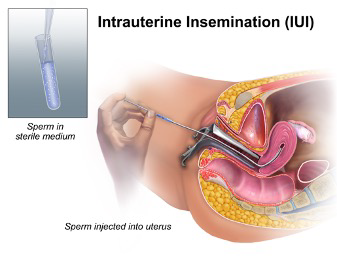
Navigating Cultural Differences: The Role of Fertility Counseling in Diverse Communities
Another important aspect of fertility counseling is cultural competency. This refers to the ability of healthcare professionals to understand and respect the cultural beliefs, values, and practices of their clients. It also involves being aware of one’s own cultural biases and being open to learning about different cultures. By being culturally competent, healthcare providers can create a safe and inclusive environment for their clients, which is crucial for effective counseling.
Addressing Cultural Differences in Fertility Counseling
To effectively address cultural differences in fertility counseling, it is important for healthcare providers to educate themselves about different cultures and their beliefs surrounding fertility. This can help them understand their clients’ perspectives and provide culturally sensitive care. Additionally, healthcare providers should also be aware of the cultural resources and support systems available in their community, such as cultural organizations or religious leaders, that can provide additional support to clients.
It is also important for fertility counselors to be aware of the legal and ethical considerations when it comes to fertility treatments in diverse communities. For example, some cultures may have strict regulations or restrictions on certain fertility treatments, and it is crucial for healthcare providers to respect these boundaries.
Moreover, fertility counselors should also be mindful of the financial considerations for individuals from diverse communities. Some cultures may have different expectations when it comes to who is responsible for the cost of fertility treatments, and this can impact an individual’s decision to seek treatment. By being aware of these factors, counselors can provide appropriate support and resources to their clients.
Involving the Community
In addition to healthcare providers, involving the community can also play a significant role in navigating cultural differences in fertility counseling. This can include collaborating with community leaders and organizations, hosting educational workshops and seminars, and providing culturally sensitive resources and materials. By involving the community, we can create a more inclusive and supportive environment for individuals and couples seeking fertility treatments.
Summary:
Navigating cultural differences is a crucial aspect of fertility counseling in diverse communities. Different cultures have different beliefs and values surrounding fertility, and it is important for healthcare providers to understand and respect these differences in order to provide effective and inclusive care. This involves being culturally competent, addressing language barriers, and involving the community in the process. By navigating cultural differences, we can ensure that all individuals have access to the support and resources they need to make informed decisions about their reproductive health.