Author: mutony

  • The Role of Stress in Fertility: Can At-Home Testing Help Identify the Cause?

    Blog Post:

    The journey of trying to conceive can be filled with excitement, hope, and joy, but it can also come with its fair share of stress and anxiety. While some level of stress is a part of everyday life, excessive stress can have a significant impact on our overall health, including fertility. In fact, studies have shown that high levels of stress can affect both male and female fertility, making it difficult to conceive. However, the good news is that there are ways to manage stress and improve fertility, and at-home testing may be able to help identify the underlying causes. In this blog post, we will explore the role of stress in fertility and how at-home testing can be a useful tool in understanding and addressing fertility issues.

    Understanding Stress and Its Impact on Fertility

    Before we dive into the connection between stress and fertility, it’s essential to understand what stress is and how it affects our bodies. Stress is the body’s natural response to any demand or threat. It triggers the release of hormones, such as cortisol and adrenaline, which prepare the body for a fight or flight response. While this response is necessary in certain situations, chronic stress can have harmful effects on our physical and mental well-being.

    When it comes to fertility, stress can disrupt the delicate balance of hormones in the body, leading to an irregular menstrual cycle and ovulation. In men, stress can affect sperm production and quality, making it difficult to fertilize an egg. Additionally, stress can also impact sexual desire and intimacy, further hindering the chances of conception.

    The Link Between Stress and Infertility

    Several studies have explored the connection between stress and fertility and have found a significant association between the two. One study from the National Institutes of Health found that women with high levels of alpha-amylase, an enzyme that indicates stress, had a 29% lower chance of getting pregnant each month than those with lower levels. Another study from the American Society for Reproductive Medicine found that women who reported feeling stressed had a lower chance of conceiving during their fertile window.

    In men, stress can also have a significant impact on fertility. A study published in the journal Fertility and Sterility found that men with high levels of perceived stress had a lower sperm count and motility compared to men with lower stress levels. This can make it challenging to fertilize an egg and lead to difficulties in conceiving.

    How At-Home Testing Can Help Identify the Cause of Infertility

    Infertility can have various underlying causes, and stress is just one of them. However, identifying the root cause is crucial in finding the right treatment and improving chances of conception. At-home fertility testing kits can be a useful tool in understanding the factors that may be impacting fertility.

    Hormone testing kits can help monitor hormone levels, such as estrogen, progesterone, and testosterone, which play a vital role in fertility. These tests can be done at home, making it more convenient for individuals and couples to track their hormone levels regularly. This can help identify any imbalances that may be causing fertility issues.
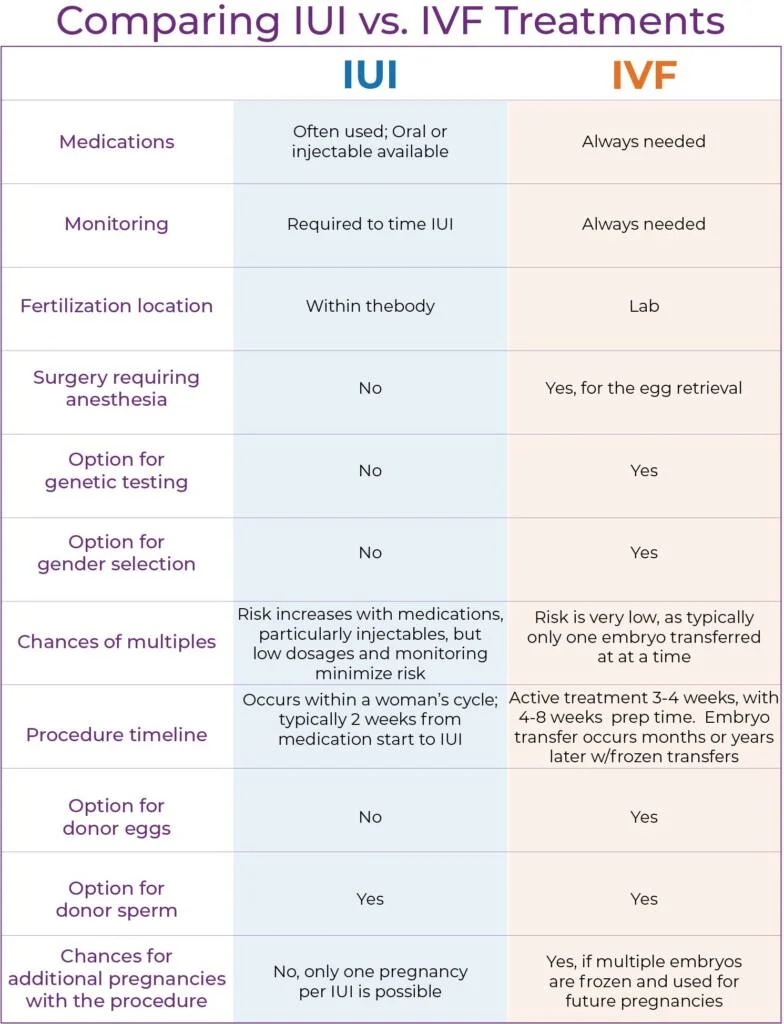
    Comparison chart of IUI and IVF treatments, detailing medications, monitoring, procedures, and success rates.

    The Role of Stress in Fertility: Can At-Home Testing Help Identify the Cause?

    Another at-home testing option is semen analysis kits, which can help men determine their sperm count and quality. These kits can provide valuable information and help identify any potential fertility issues that may be related to stress.

    Other at-home tests, such as ovulation predictor kits and fertility tracking apps, can also be helpful in understanding ovulation patterns and fertile days. These tools can be beneficial for couples trying to conceive as they can help identify the best time to have intercourse for optimal chances of pregnancy.

    Managing Stress for Improved Fertility

    While at-home testing can help identify the cause of infertility, managing stress is equally important in improving fertility. Here are some ways to reduce stress and promote overall well-being:

    1. Practice relaxation techniques: Activities such as yoga, meditation, and deep breathing can help reduce stress and promote relaxation.

    2. Exercise regularly: Regular physical activity can help release endorphins, also known as the “feel-good” hormones, which can help reduce stress levels.

    3. Get quality sleep: Lack of sleep can increase stress levels, so it’s essential to get enough rest each night.

    4. Seek support: Talking to a therapist or joining a support group can be beneficial for managing stress and coping with the emotional challenges of fertility struggles.

    5. Make time for self-care: Engage in activities that bring joy and help you relax, such as reading, listening to music, or taking a warm bath.

    Summary:

    Stress can have a significant impact on fertility, affecting both men and women. Chronic stress can disrupt hormone balance and interfere with ovulation, making it difficult to conceive. However, at-home testing can be a useful tool in identifying the underlying causes of infertility, including stress. Hormone testing kits, semen analysis kits, and ovulation predictor kits can help individuals and couples track and monitor their fertility, providing valuable information to address any potential issues. Additionally, managing stress through relaxation techniques, regular exercise, and self-care can also help improve fertility. With the help of at-home testing and stress management techniques, couples can take a proactive approach towards improving their fertility and achieving their dream of starting a family.
  • Medical Fertility Testing vs At-Home Ovulation Prediction: Which is More Accurate?

    Medical fertility testing and at-home ovulation prediction are two methods commonly used by women who are trying to conceive. Both techniques aim to provide accurate information about a woman’s fertility and ovulation cycle, but there are some key differences between them. In this blog post, we will explore the pros and cons of medical fertility testing and at-home ovulation prediction, and determine which method is more accurate.

    Medical Fertility Testing:
    Medical fertility testing involves a series of tests and procedures that are conducted by a healthcare professional to assess a woman’s fertility. These tests may include blood work, ultrasounds, and other diagnostic procedures to evaluate the health of the reproductive organs and hormone levels. The results of these tests can help identify any underlying issues that may be impacting a woman’s ability to conceive.

    Pros:
    1. Accurate and comprehensive: Medical fertility testing is conducted by trained professionals and provides a thorough evaluation of a woman’s fertility. This can help identify any potential issues that may be impacting fertility, such as hormonal imbalances or structural abnormalities.

    2. Personalized treatment plan: Based on the results of the tests, a healthcare provider can create a personalized treatment plan for the individual. This can include medication, surgery, or other interventions to address any identified issues and increase the chances of conception.

    3. Ongoing monitoring: Medical fertility testing often involves regular monitoring to track changes in hormone levels and ovulation. This can help identify the most fertile days for conception and ensure that the treatment plan is effective.

    Cons:
    1. Time-consuming and expensive: Medical fertility testing can be a lengthy and costly process, with multiple appointments and tests required. This may not be feasible for everyone, especially those without insurance coverage for fertility treatments.

    2. Invasive procedures: Some of the tests involved in medical fertility testing, such as ultrasounds and hysterosalpingograms, can be uncomfortable and invasive. This may deter some women from pursuing this method of fertility assessment.

    At-Home Ovulation Prediction:
    At-home ovulation prediction involves using various methods and devices to track ovulation and determine the most fertile days for conception. These methods include tracking basal body temperature, monitoring cervical mucus, and using ovulation predictor kits.

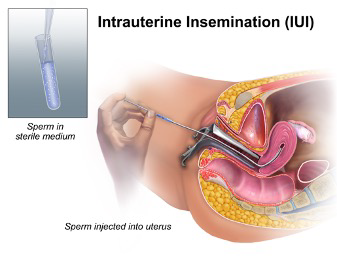
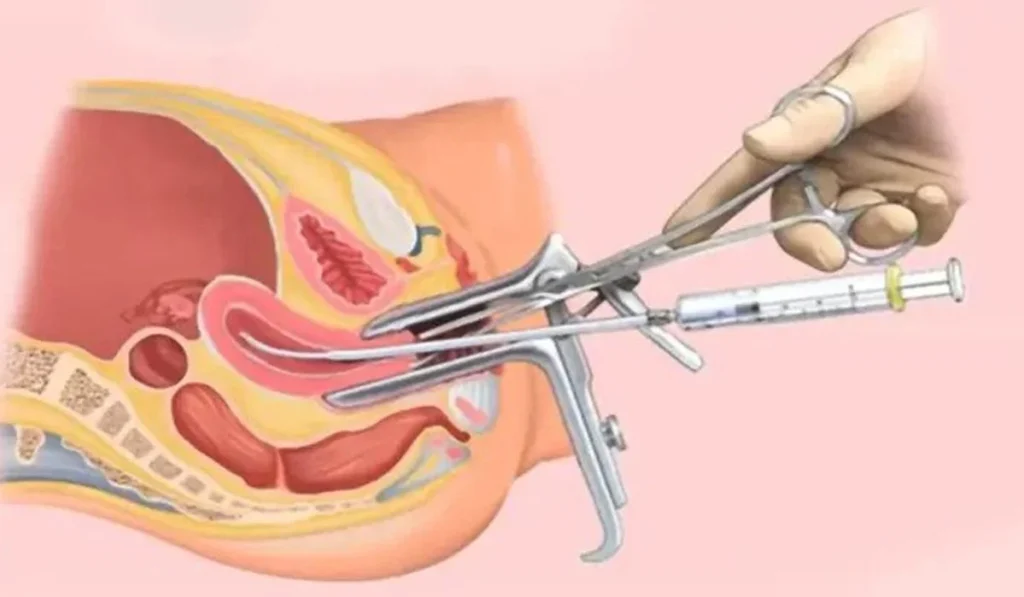
    illustration of an intrauterine insemination procedure with medical instruments and anatomical details

    Medical Fertility Testing vs At-Home Ovulation Prediction: Which is More Accurate?

    Pros:
    1. Convenient and accessible: At-home ovulation prediction methods can be easily done at home, without the need for medical appointments or procedures. This makes it a more convenient and accessible option for women who may not have access to medical fertility testing.

    2. Cost-effective: Compared to medical fertility testing, at-home ovulation prediction methods are much more affordable. This can be a significant factor for individuals who are on a budget or do not have insurance coverage for fertility treatments.

    3. Non-invasive: At-home ovulation prediction methods do not involve any invasive procedures, making them a more comfortable option for women who may be uncomfortable with medical tests.

    Cons:
    1. Less comprehensive: At-home ovulation prediction methods may not provide a complete picture of a woman’s fertility. These methods only track ovulation and do not assess any underlying issues that may be impacting fertility.

    2. User error: The accuracy of at-home ovulation prediction methods can be impacted by user error. For example, not following instructions correctly or misinterpreting results can lead to inaccurate predictions.

    3. Limited effectiveness: These methods may not be as effective for women with irregular menstrual cycles or hormonal imbalances. This can lead to incorrect predictions and a longer time to conceive.

    Which Method is More Accurate?
    While both medical fertility testing and at-home ovulation prediction have their advantages and disadvantages, medical fertility testing is generally considered to be more accurate. This is because it provides a more comprehensive evaluation of a woman’s fertility and can identify any underlying issues that may be impacting conception. However, at-home ovulation prediction can still be a useful tool for women who are trying to conceive, especially when used in combination with medical fertility testing.

    In conclusion, medical fertility testing and at-home ovulation prediction are both viable methods for assessing a woman’s fertility. While medical fertility testing is more comprehensive and accurate, at-home ovulation prediction can still be a useful tool for tracking ovulation and increasing the chances of conception. Ultimately, the best approach will depend on individual circumstances, and it is always recommended to consult with a healthcare professional for personalized advice.

  • At-Home Fertility Testing: A Solution for Busy Couples Trying to Conceive

    At-Home Fertility Testing: A Solution for Busy Couples Trying to Conceive

    Trying to conceive can be an exciting and emotional journey for couples, but it can also be a stressful and time-consuming one. With busy work schedules and other responsibilities, finding the time to visit a fertility clinic for testing can be challenging. This is where at-home fertility testing comes in as a convenient and efficient solution for busy couples trying to conceive.

    What is At-Home Fertility Testing?

    At-home fertility testing involves taking fertility tests and analyzing the results in the comfort of your own home. These tests are designed to measure different aspects of fertility, such as hormone levels, ovulation, and sperm count. They are easily accessible and can be purchased online or at a local pharmacy without a prescription.

    Benefits of At-Home Fertility Testing for Busy Couples

    1. Convenience and Privacy

    One of the main benefits of at-home fertility testing is the convenience it offers. Instead of having to take time off work and schedule appointments at a fertility clinic, couples can take the tests at their own convenience and in the privacy of their own home. This eliminates the stress and anxiety of having to go to a clinic and allows couples to have more control over their fertility journey.

    2. Cost-Effective

    Fertility treatments and clinic visits can be expensive, especially if multiple tests and appointments are required. At-home fertility testing is a more cost-effective option for couples, as the tests are affordable and eliminate the need for clinic visits. This can be especially beneficial for couples who are trying to conceive on a budget.

    3. Time-Saving

    For busy couples, time is a precious commodity. At-home fertility testing saves time by eliminating the need for travel and waiting for appointments at a clinic. The tests can be taken at any time, and results are usually available within a few days, allowing couples to move forward with their fertility journey without any delays.

    4. Early Detection of Fertility Issues

    Early detection of fertility issues is crucial for successful conception. At-home fertility tests can help identify any potential problems early on, allowing couples to seek medical help and treatment sooner. This can increase the chances of successful conception and reduce the stress and frustration of unsuccessful attempts.

    5. Easy to Use

    At-home fertility tests are designed to be easy to use, with clear instructions and simple procedures. This makes it accessible for couples who may feel intimidated or uncomfortable with medical procedures. The tests also come with customer support, so couples can get any questions or concerns addressed quickly.

    Comparison of IUI and IVF, illustrating procedures and definitions for each fertility treatment.

    At-Home Fertility Testing: A Solution for Busy Couples Trying to Conceive

    Types of At-Home Fertility Tests

    1. Ovulation Predictor Kits (OPKs)

    OPKs are the most common type of at-home fertility test. They detect the luteinizing hormone (LH) in urine, which rises just before ovulation occurs. This helps couples determine the most fertile days of the woman’s menstrual cycle, increasing the chances of successful conception.

    2. Fertility Hormone Tests

    These tests measure the levels of follicle-stimulating hormone (FSH) and estrogen in a woman’s urine. High levels of FSH can indicate a decline in ovarian reserve, while low levels of estrogen may signal issues with ovulation.

    3. Sperm Count Tests

    Sperm count tests measure the number of sperm in a man’s semen. These tests can help identify any potential issues with sperm count or quality, which can affect fertility.

    4. Fertility Saliva Tests

    These tests analyze a woman’s saliva for changes in estrogen levels, which can indicate ovulation. They are easy to use and can be reused multiple times, making them a cost-effective option for tracking ovulation.

    5. Fertility Monitors

    Fertility monitors are electronic devices that track hormone levels in urine to predict ovulation. They can also be used to track other fertility signs, such as basal body temperature and cervical mucus.

    Limitations of At-Home Fertility Testing

    While at-home fertility testing offers many benefits, it is important to note that they are not a replacement for medical advice and diagnosis. These tests can only provide an indication of potential fertility issues and should not be relied upon as a definite diagnosis. If a couple is struggling to conceive, it is recommended to seek medical advice from a fertility specialist.

    Summary

    At-home fertility testing is a convenient and efficient solution for busy couples trying to conceive. It offers benefits such as convenience, cost-effectiveness, time-saving, early detection of fertility issues, and ease of use. There are different types of at-home fertility tests available, including ovulation predictor kits, fertility hormone tests, sperm count tests, fertility saliva tests, and fertility monitors. However, it is important to note that these tests are not a replacement for medical advice and should be used as a tool to track fertility and identify potential issues.

  • The Debate on At-Home Fertility Testing: Experts Weigh In

    The Debate on At-Home Fertility Testing: Experts Weigh In

    In recent years, there has been a rise in the popularity of at-home fertility testing kits, which allow individuals to test their fertility levels from the comfort of their own home. These kits claim to provide a convenient and affordable way for people to assess their reproductive health and plan for their future. However, this trend has sparked a heated debate among experts in the medical community, with some praising the accessibility and convenience of at-home testing, while others raise concerns about their accuracy and potential implications for mental health. In this blog post, we will delve into the debate surrounding at-home fertility testing and provide insights from experts on both sides of the argument.

    The Rise of At-Home Fertility Testing

    The concept of at-home fertility testing is not new, but it has gained widespread popularity in recent years with the advent of advanced technology and social media. These kits typically involve a simple urine or blood test that can be done at home, with results available within a few minutes or sent to a lab for analysis. Some kits also offer additional features such as tracking ovulation and providing personalized recommendations for improving fertility.

    Proponents of at-home fertility testing argue that it provides a convenient and affordable way for individuals to take control of their reproductive health. Many women, especially those who are trying to conceive, may feel more comfortable testing in the privacy of their own home rather than going to a doctor’s office. The use of at-home kits also eliminates the need for multiple appointments and potential embarrassment or discomfort associated with traditional fertility testing methods.

    The Accuracy Debate

    One of the main concerns raised by experts is the accuracy of at-home fertility testing kits. While most kits claim to have a high level of accuracy, there is still a lack of regulation and oversight in the industry. This means that the results may not always be reliable, leading to false reassurances or unnecessary worries for users.

    Dr. Brooke Hodes-Wertz, a reproductive endocrinologist at NYU Langone Health, explains, “At-home fertility tests are not regulated by the FDA, so there is no guarantee that the results are accurate or consistent. It’s important for individuals to understand that these tests only provide a snapshot of their fertility at a given moment and should not be used as a definitive diagnosis.”

    Additionally, fertility can be affected by various factors such as stress, diet, and underlying health conditions, which may not be reflected in the results of an at-home test. This can lead to false reassurance or unnecessary anxiety for individuals who may receive misleading results.

    Comparison chart of IUI and IVF treatments, detailing medications, monitoring, procedures, and success rates.

    The Debate on At-Home Fertility Testing: Experts Weigh In

    The Mental Health Impact

    Another concern raised by experts is the potential mental health impact of at-home fertility testing. While some may find comfort in knowing their fertility levels, others may experience anxiety or distress from the results. This can be especially true for those who are struggling with fertility issues or trying to conceive.

    Dr. Joanne Ruthsatz, a clinical psychologist and associate professor at Ohio State University, explains, “Results from at-home fertility tests can have a significant impact on an individual’s mental health, especially if they receive unfavorable results. It’s important for individuals to be prepared for all possible outcomes and to seek support if needed.”

    The Debate Continues

    The debate on at-home fertility testing is ongoing, with experts on both sides presenting valid arguments. While some argue that it provides a convenient and affordable option for individuals to assess their fertility levels, others raise concerns about accuracy and potential mental health implications. Ultimately, the decision to use at-home fertility testing should be made after careful consideration and consultation with a healthcare professional.

    Dr. Nicole Noyes, a reproductive endocrinologist and Director of Fertility Preservation at NewYork-Presbyterian/Weill Cornell Medical Center, advises, “If someone is considering using an at-home fertility test, they should first consult with their doctor to understand the limitations of the test and how the results may impact their fertility journey.”

    In conclusion, at-home fertility testing has its benefits and drawbacks, and it is essential for individuals to weigh these factors carefully before deciding to use it. While it may provide a convenient option for some, it is not a replacement for medical advice and should be used with caution.

    Summary:

    At-home fertility testing kits have gained popularity in recent years, but their accuracy and potential impact on mental health have sparked a debate among experts. Proponents argue that it offers convenience and affordability, while critics raise concerns about accuracy and potential negative effects on mental health. The lack of regulation in the industry also adds to the uncertainty surrounding these tests. Experts advise individuals to consult with a healthcare professional before using at-home fertility testing and to understand its limitations.

  • Medical Fertility Testing: Exploring the Different Types Available

    Medical Fertility Testing: Exploring the Different Types Available

    Fertility is a crucial aspect of human life that allows individuals to conceive and have children. However, not everyone is fortunate enough to have good fertility health. For some, it may take longer to get pregnant, while for others, it may be a struggle to conceive at all. This is where medical fertility testing comes into play. It is a way to assess an individual’s fertility health and determine any underlying issues that may be affecting their chances of conceiving. In this blog post, we will explore the different types of medical fertility testing available and how they can help individuals understand their fertility health better.

    1. Hormone Testing

    Hormone testing is one of the most common types of fertility testing. It involves checking the levels of various hormones in the body, such as follicle-stimulating hormone (FSH), luteinizing hormone (LH), estrogen, and progesterone. These hormones play a significant role in the menstrual cycle and ovulation, and any imbalances can affect fertility. Hormone testing can be done through blood tests, saliva tests, or urine tests, and it can help identify issues such as polycystic ovary syndrome (PCOS), thyroid disorders, or menopause.

    2. Ovulation Testing

    Ovulation testing is another essential type of fertility testing, especially for women. It involves tracking and monitoring a woman’s ovulation cycle to determine the best time for conception. Ovulation can be tracked through various methods, including monitoring basal body temperature, tracking cervical mucus changes, or using ovulation predictor kits. These tests can help determine whether a woman is ovulating regularly and if there are any issues affecting ovulation.

    3. Semen Analysis

    Semen analysis is a fertility test that is primarily used for men. It involves examining a semen sample to assess the quantity, quality, and movement of sperm. Low sperm count, abnormal sperm shape, and poor sperm motility can all affect fertility. A semen analysis can also detect any underlying issues such as infections or hormonal imbalances that may be affecting sperm production.

    4. Hysterosalpingography (HSG)

    Illustration of intrauterine insemination (IUI) procedure, showing sperm injection into the uterus.

    Medical Fertility Testing: Exploring the Different Types Available

    Hysterosalpingography (HSG) is a fertility test that involves injecting a dye into the cervix and taking an X-ray of the uterus and fallopian tubes. This test helps determine if there are any blockages or abnormalities in the reproductive organs that may be hindering conception. If there are any blockages, they can be cleared through a minimally invasive procedure, increasing the chances of pregnancy.

    5. Pelvic Ultrasound

    A pelvic ultrasound is a non-invasive test that uses sound waves to create images of the reproductive organs. It can help detect any structural abnormalities such as fibroids, cysts, or polyps that may be affecting fertility. It can also be used to monitor follicle growth during ovulation and can help diagnose conditions such as endometriosis or uterine abnormalities.

    6. Genetic Testing

    Genetic testing is a more advanced type of fertility testing that can help identify any genetic conditions that may affect fertility. It involves taking a blood or saliva sample and testing it for any genetic mutations or abnormalities that may lead to infertility or recurrent miscarriages. Genetic testing can also be done for couples to identify any potential genetic issues that may affect their future children.

    7. Immunological Testing

    Immunological testing is a type of fertility testing that involves checking the blood for any autoimmune conditions that may affect fertility. Some autoimmune disorders, such as antiphospholipid syndrome, can cause recurrent miscarriages or affect the success of fertility treatments. Immunological testing can help identify these conditions and develop a treatment plan to improve fertility.

    In conclusion, there are various types of medical fertility testing available to help individuals understand their fertility health better. These tests can be done individually or in combination to provide a comprehensive assessment of one’s fertility. If you are trying to conceive and facing challenges, it is essential to consult with a healthcare professional and undergo the necessary fertility testing to identify any underlying issues and develop a treatment plan.

    Summary:

    Medical fertility testing is a crucial way to assess an individual’s fertility health and determine any underlying issues that may be affecting their chances of conceiving. There are several types of fertility testing available, including hormone testing, ovulation testing, semen analysis, HSG, pelvic ultrasound, genetic testing, and immunological testing. These tests can help identify issues such as hormonal imbalances, ovulation problems, sperm abnormalities, structural issues, genetic conditions, or autoimmune disorders that may be affecting fertility. By undergoing the necessary fertility testing, individuals can understand their fertility health better and develop a treatment plan to improve their chances of conceiving.

  • At-Home Fertility Testing for Women Over 35: What You Need to Know

    Blog Post Title: At-Home Fertility Testing for Women Over 35: What You Need to Know

    Summary:

    As women age, their fertility declines, making it more difficult for them to conceive naturally. For women over the age of 35, the chances of getting pregnant decrease significantly, and many may struggle with fertility issues. This is why it is important for women in this age group to be proactive about their fertility and consider at-home fertility testing.

    At-home fertility testing allows women to assess their reproductive health in the comfort of their own home, without having to make a trip to a doctor’s office. It can provide valuable information about a woman’s fertility status and help her make informed decisions about her reproductive future. In this blog post, we will discuss everything you need to know about at-home fertility testing for women over 35.

    1. Understanding Fertility and Aging

    Before we dive into the details of at-home fertility testing, it is important to understand how fertility changes as women age. Women are born with a limited number of eggs, and as they age, the quantity and quality of their eggs decline. This decrease in fertility begins in the late 20s and becomes more significant after the age of 35.

    In addition to age, there are other factors that can affect a woman’s fertility, such as underlying medical conditions, lifestyle habits, and genetics. It is essential for women over 35 to be aware of these factors and take necessary steps to maintain their reproductive health.

    2. What is At-Home Fertility Testing?

    At-home fertility testing involves using a device or kit to measure various hormones and biomarkers in a woman’s body that are linked to fertility. These tests are designed to provide a snapshot of a woman’s reproductive health by measuring hormone levels such as follicle-stimulating hormone (FSH), luteinizing hormone (LH), estrogen, and progesterone.

    Some at-home fertility tests also measure other markers like anti-Mullerian hormone (AMH) and thyroid-stimulating hormone (TSH). These hormones play a crucial role in a woman’s menstrual cycle and can provide insight into her ovarian reserve and overall reproductive health.

    3. How At-Home Fertility Testing Works

    At-home fertility tests typically involve collecting a sample of urine, blood, or saliva and using it to measure hormone levels. The process may vary depending on the type of test, but most kits come with detailed instructions on how to use them.

    For urine tests, women are required to collect a sample of their first-morning urine and dip the test strip into the sample. The strip will change color to indicate the level of hormones present. Blood tests require pricking a finger and using the blood sample to test for hormone levels. Saliva tests involve collecting a saliva sample and sending it to a lab for analysis.

    Comparison chart of IUI and IVF treatments, detailing medications, monitoring, procedures, and success rates.

    At-Home Fertility Testing for Women Over 35: What You Need to Know

    4. Pros and Cons of At-Home Fertility Testing

    One of the main benefits of at-home fertility testing is convenience. Women can perform these tests in the comfort of their own home and get results within a few minutes. It also allows women to track their hormone levels over time and identify any changes that may require medical attention.

    However, there are also some limitations to at-home fertility testing. These tests are not a substitute for a medical evaluation and cannot diagnose any underlying fertility issues. They also do not provide a complete picture of a woman’s reproductive health and may not be accurate for all women.

    5. When to Consider At-Home Fertility Testing

    At-home fertility testing can be beneficial for women over 35 who are trying to conceive, as it can help them understand their current fertility status. It can also be useful for women who are not yet ready to start a family but want to plan for their future fertility.

    Additionally, women who have been trying to conceive for more than six months without success may consider at-home fertility testing to identify any potential issues. It is important to note that if a woman has a known medical condition that may affect her fertility, she should consult a doctor rather than relying solely on at-home fertility testing.

    6. What to Do With the Results

    If the results of at-home fertility testing are concerning or abnormal, it is crucial to seek medical advice from a healthcare provider. They can provide a proper evaluation and determine the cause of any fertility issues. In some cases, further testing or treatment may be necessary.

    If the results are normal, it does not necessarily mean that a woman will have no trouble conceiving. It is essential to remember that at-home fertility testing is just one aspect of reproductive health and does not provide a complete picture.

    7. Other Factors to Consider

    While at-home fertility testing can provide valuable information, there are other factors that women over 35 should consider when it comes to their fertility. These include maintaining a healthy lifestyle, managing stress levels, and seeking medical advice if they have any concerns.

    It is also important for women to be aware of the potential risks associated with pregnancy at an older age, such as increased chances of complications and genetic abnormalities in the baby. Consulting with a doctor can help women make informed decisions about their reproductive future.

    In conclusion, at-home fertility testing can be a useful tool for women over 35 to assess their reproductive health and make informed decisions about their fertility. However, it is essential to remember that these tests are not a substitute for medical evaluation and should be used in conjunction with healthcare provider guidance.

    SEO metadata:

  • The Link Between Hormones and Fertility: Insights from At-Home and Medical Testing

    Summary:

    Hormones play a crucial role in fertility, and understanding their levels and functioning is essential for those trying to conceive. At-home and medical testing can provide valuable insights into hormone imbalances and potential fertility issues. In this blog post, we will explore the link between hormones and fertility and the benefits of using both at-home and medical testing to optimize fertility.

    First, let’s understand the role of hormones in fertility. Hormones are chemical messengers that regulate various bodily functions, including the menstrual cycle and ovulation. In women, the main hormones involved in fertility are estrogen, progesterone, follicle-stimulating hormone (FSH), and luteinizing hormone (LH). Any imbalance in these hormones can affect ovulation and fertility.

    At-home hormone testing has gained popularity in recent years as a convenient and accessible way to monitor hormone levels. These tests involve collecting a sample of urine, saliva, or blood at home and sending it to a lab for analysis. At-home testing kits can measure levels of estrogen, progesterone, FSH, and LH, giving individuals a better understanding of their hormone levels and potential imbalances.

    One of the main advantages of at-home hormone testing is its convenience. It can be done in the comfort of one’s home, eliminating the need for multiple trips to a doctor’s office. At-home tests also tend to be more affordable than medical testing, making it a more accessible option for those on a budget.

    However, at-home hormone testing has its limitations. It can only provide a snapshot of hormone levels at a specific time, and the results may not be as accurate as medical testing. Additionally, at-home tests cannot diagnose underlying medical conditions that may be affecting fertility. Therefore, it is essential to consult with a medical professional if at-home testing reveals any hormone imbalances or concerns.

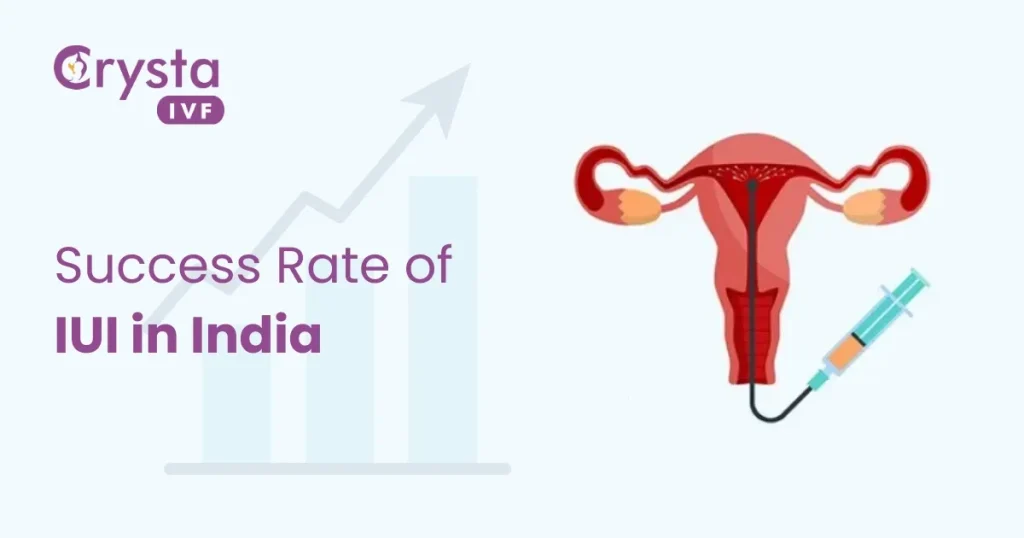
    success rate of IUI in India with a graphic of a uterus and syringe alongside a rising graph

    The Link Between Hormones and Fertility: Insights from At-Home and Medical Testing

    On the other hand, medical testing involves a series of blood tests, ultrasounds, and other diagnostic procedures performed by a doctor. These tests can provide a more comprehensive and accurate picture of hormone levels and any underlying medical conditions that may be contributing to fertility issues.

    One of the most commonly used medical tests for fertility is the blood test for Anti-Müllerian Hormone (AMH). This hormone is produced by the ovaries and is an indicator of ovarian reserve, or the number of eggs a woman has left. A low AMH level may indicate a reduced ovarian reserve, making it more challenging to conceive.

    Other medical tests for fertility include checking thyroid function, insulin levels, and other hormone levels that can affect fertility. These tests can help identify any underlying conditions, such as polycystic ovary syndrome (PCOS) or thyroid disorders, that may be contributing to fertility issues.

    Combining at-home and medical testing can provide a more comprehensive understanding of hormone levels and potential fertility issues. At-home testing can be a useful tool for monitoring hormone levels throughout the menstrual cycle, while medical testing can help diagnose any underlying medical conditions and provide targeted treatment options.

    In addition to testing, lifestyle changes can also play a significant role in balancing hormones and optimizing fertility. Eating a healthy diet, managing stress levels, and maintaining a healthy weight can all contribute to hormonal balance and improve fertility.

    In conclusion, hormones and fertility are intricately linked, and understanding their levels and functioning is crucial for those trying to conceive. Both at-home and medical testing can provide valuable insights into hormone imbalances and potential fertility issues. By combining these testing methods and making positive lifestyle changes, individuals can take a proactive approach to optimize their fertility and increase their chances of conception.

  • The Role of Genetics in Fertility Testing: What At-Home Tests Can Reveal

    The Role of Genetics in Fertility Testing: What At-Home Tests Can Reveal

    Fertility is a topic that is often associated with women, but the truth is that both men and women play a crucial role in the ability to conceive and have a healthy pregnancy. While there are many factors that can affect fertility, genetics is one aspect that is often overlooked. In recent years, at-home genetic testing has become increasingly popular and has started to shed light on the impact genetics can have on fertility. In this blog post, we will explore the role of genetics in fertility testing and what at-home tests can reveal.

    Understanding Genetics and Fertility
    Before we dive into the world of genetic testing, it is important to have a basic understanding of genetics and how it relates to fertility. Genetics is the study of genes and how they are passed down from parents to children. Our genes contain the instructions for our body’s development, including reproductive capabilities. When it comes to fertility, genes play a significant role in determining the quality and quantity of eggs and sperm, as well as the functioning of reproductive organs.

    How Genetics Affect Fertility
    Genetics can impact fertility in a variety of ways. Some genetic conditions can directly affect reproductive organs, making it more difficult to conceive. For example, polycystic ovary syndrome (PCOS) is a common genetic condition that can cause hormonal imbalances and lead to irregular ovulation and difficulty getting pregnant. In men, genetic conditions like Klinefelter syndrome can result in low sperm count or abnormal sperm shape, making it harder to fertilize an egg.

    Genetics can also play a role in the quality and quantity of eggs and sperm. As we age, the quality of our eggs and sperm can decline, making it more difficult to conceive. However, some people may have a genetic predisposition to having lower egg or sperm quality even at a younger age. This can be a result of inherited genetic mutations or variants that affect the production of healthy eggs and sperm.

    At-Home Genetic Testing for Fertility
    In the past, genetic testing for fertility was only available through a fertility specialist. However, with the rise of at-home DNA testing kits, it has become more accessible for people to learn about their genetic makeup and how it may affect their fertility. These tests analyze a person’s DNA for specific genetic mutations or variants that may impact fertility.

    A person administering an injection into their abdomen with a yellow pen-like device.

    The Role of Genetics in Fertility Testing: What At-Home Tests Can Reveal

    One of the most popular at-home DNA testing kits is 23andMe, which offers a health and ancestry test that includes a fertility report. This report provides information about genetic variants that may affect fertility, such as PCOS, endometriosis, and early menopause. It also includes a carrier status report, which can identify if a person carries a genetic mutation that may be passed down to their children and potentially impact their fertility.

    Another at-home genetic testing option is Fertilome, a test specifically designed for fertility. This test analyzes genetic variants related to hormone levels, egg quality, and other factors that can affect fertility. It also provides personalized recommendations for improving fertility based on the results.

    What At-Home Testing Can Reveal
    At-home genetic testing for fertility can provide valuable insights into a person’s genetic makeup and how it may impact their ability to conceive. These tests can reveal potential genetic conditions that may affect fertility, as well as any inherited genetic mutations that could be passed down to children. With this information, individuals and couples can make more informed decisions about their reproductive health and seek appropriate medical assistance if needed.

    It is important to note that at-home genetic testing is not a replacement for medical advice from a fertility specialist. These tests can provide helpful information, but they should not be used as a diagnostic tool. If a person has concerns about their fertility, it is always best to consult with a healthcare professional who can provide a thorough evaluation and personalized recommendations.

    In conclusion, genetics play a significant role in fertility, and at-home genetic testing can provide valuable information about potential genetic factors that may impact a person’s ability to conceive. These tests can help individuals and couples make informed decisions about their reproductive health and seek appropriate medical assistance if needed. As the field of genetics continues to advance, we can expect to see more developments in at-home testing for fertility, providing even more insights into this complex and essential aspect of human health.

    Summary:
    In this blog post, we explored the role of genetics in fertility testing and what at-home tests can reveal. Genetics plays a crucial role in fertility, affecting the quality and quantity of eggs and sperm, as well as the functioning of reproductive organs. At-home genetic testing has become increasingly popular and can provide valuable insights into potential genetic factors that may impact fertility. However, it is important to remember that these tests are not a replacement for medical advice and should be used as a tool to supplement fertility evaluations. As technology continues to advance, we can expect to see more developments in at-home testing for fertility, providing even more insights into this complex and essential aspect of human health.

  • The Cost-Effectiveness of At-Home Fertility Testing: A Comparison with Medical Testing

    In recent years, there has been a growing trend towards at-home fertility testing kits as an alternative to traditional medical testing. These kits claim to offer a convenient and cost-effective way for individuals and couples to assess their reproductive health and fertility potential. But are they really a reliable option? In this blog post, we will compare the cost-effectiveness of at-home fertility testing with medical testing and examine the pros and cons of each option.

    What is At-Home Fertility Testing?

    At-home fertility testing kits are designed to provide individuals with information about their reproductive health and fertility potential. They typically involve collecting a small sample of urine or saliva and sending it to a laboratory for analysis. The results are then provided to the individual through an online portal or mobile app.

    Pros of At-Home Fertility Testing:

    1. Convenience: One of the biggest advantages of at-home fertility testing is the convenience it offers. Individuals can take the test in the comfort of their own home, without having to schedule an appointment with a doctor or visit a clinic.

    2. Affordability: At-home fertility testing kits are generally more affordable than medical testing. They can range from $50 to $200, depending on the type of test and the company offering it. This makes it a more accessible option for those on a budget.

    3. Privacy: Many people may feel more comfortable with the privacy that at-home fertility testing offers. They may be hesitant to share their reproductive health concerns with a doctor or clinic, and at-home testing allows them to keep the results confidential.

    4. Early detection: At-home fertility testing kits claim to be able to detect potential fertility issues at an early stage, giving individuals more time to seek medical assistance if needed.

    Cons of At-Home Fertility Testing:

    1. Limited accuracy: While at-home fertility testing kits claim to be accurate, there is still a chance of error. The results may be affected by factors such as improper sample collection, shipping delays, or lab errors.

    2. Lack of professional guidance: Unlike medical testing, at-home fertility testing does not involve a healthcare professional who can provide guidance and interpretation of the results. This can lead to confusion or misinterpretation of the results.

    3. Limited testing options: At-home fertility testing usually only provides a basic assessment of fertility potential, whereas medical testing can offer a more comprehensive evaluation, including hormonal levels, ovarian reserve, and sperm analysis.

    4. No treatment options: At-home fertility testing does not offer any treatment options for individuals who may have fertility issues. It only provides information and recommendations based on the results.

    What is Medical Testing?

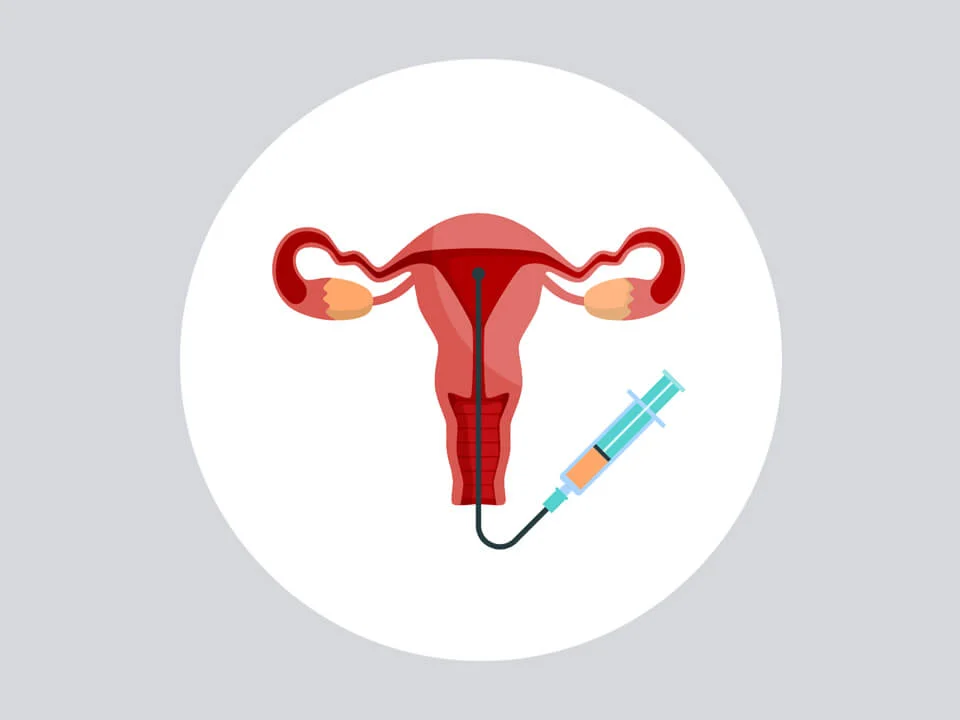
    Illustration of a uterus with a syringe, representing intrauterine insemination (IUI) procedure.

    The Cost-Effectiveness of At-Home Fertility Testing: A Comparison with Medical Testing

    Medical testing for fertility involves a visit to a doctor or fertility specialist, where a thorough evaluation is conducted to assess reproductive health and fertility potential. This can include blood tests, ultrasound scans, and other diagnostic procedures.

    Pros of Medical Testing:

    1. Accuracy: Medical testing is considered to be more accurate than at-home fertility testing. The results are interpreted by a healthcare professional, reducing the chances of error.

    2. Comprehensive evaluation: As mentioned earlier, medical testing offers a more comprehensive evaluation of reproductive health and fertility potential, providing a more detailed understanding of any potential issues.

    3. Professional guidance: Medical testing involves a healthcare professional who can provide guidance, answer any questions, and offer treatment options if needed.

    4. Personalized treatment: If any fertility issues are detected, medical testing offers personalized treatment options tailored to an individual’s specific needs.

    Cons of Medical Testing:

    1. Cost: Medical testing can be expensive, with the cost ranging from hundreds to thousands of dollars, depending on the tests and treatments required.

    2. Time-consuming: Medical testing often involves multiple appointments, which can be time-consuming and may require taking time off work.

    3. Inconvenience: Unlike at-home fertility testing, medical testing requires individuals to visit a doctor or clinic, which may not be easily accessible for some.

    The Bottom Line: Which Option is More Cost-Effective?

    While at-home fertility testing may seem like a more affordable option, it is important to consider the potential limitations and drawbacks. Medical testing, although more expensive, offers a more accurate and comprehensive evaluation and personalized treatment options. It also provides the guidance of a healthcare professional, which is crucial in understanding and addressing any fertility issues.

    In conclusion, both at-home fertility testing and medical testing have their pros and cons. It ultimately depends on an individual’s personal preference, budget, and fertility concerns. However, when it comes to accuracy and effectiveness, medical testing is the recommended option for those seeking a thorough evaluation of their reproductive health and fertility potential.

    In summary, at-home fertility testing offers convenience and affordability, while medical testing provides accuracy, comprehensive evaluation, and personalized treatment options. Ultimately, individuals should carefully consider their options and consult with a healthcare professional to determine the best course of action for their reproductive health.

  • At-Home Fertility Testing for Men: How to Improve Sperm Quality and Quantity

    Blog Post:

    Fertility is a crucial factor in a couple’s journey towards starting a family. While it is often assumed that women are solely responsible for fertility, studies have shown that male infertility is just as prevalent, accounting for about 40% of infertility cases. This is why it is essential for men to also take an active role in monitoring and improving their fertility. At-home fertility testing for men is becoming increasingly popular, as it offers a convenient and private way to assess sperm quality and quantity.

    In this blog post, we will discuss everything you need to know about at-home fertility testing for men, including its benefits, how to perform the tests, and ways to improve sperm quality and quantity.

    Benefits of At-Home Fertility Testing for Men:

    One of the main benefits of at-home fertility testing for men is convenience. With traditional fertility testing, men have to make appointments, travel to a clinic, and provide a semen sample in a clinical setting. This can be a daunting and uncomfortable experience for many, leading to hesitation and delay in getting tested. At-home fertility testing allows men to collect their semen sample in the comfort and privacy of their own home, making the process less intimidating.

    Another advantage of at-home fertility testing is cost-effectiveness. Traditional fertility testing can be expensive, with some clinics charging hundreds of dollars for a single semen analysis. At-home tests are much more affordable, with prices ranging from $50 to $100, making it accessible to more people.

    How to Perform At-Home Fertility Tests for Men:

    There are several at-home fertility tests available on the market, each with its specific instructions. However, most tests require a semen sample to be collected and analyzed. The most common type of at-home fertility test is a semen analysis kit, which measures sperm count, motility, and morphology.

    To perform a semen analysis, follow these steps:

    1. Abstain from ejaculation for 2-5 days before the test to ensure an accurate sample.

    2. Wash your hands and genitals thoroughly before collecting the sample.

    3. Collect the semen sample in a sterile container provided in the testing kit.

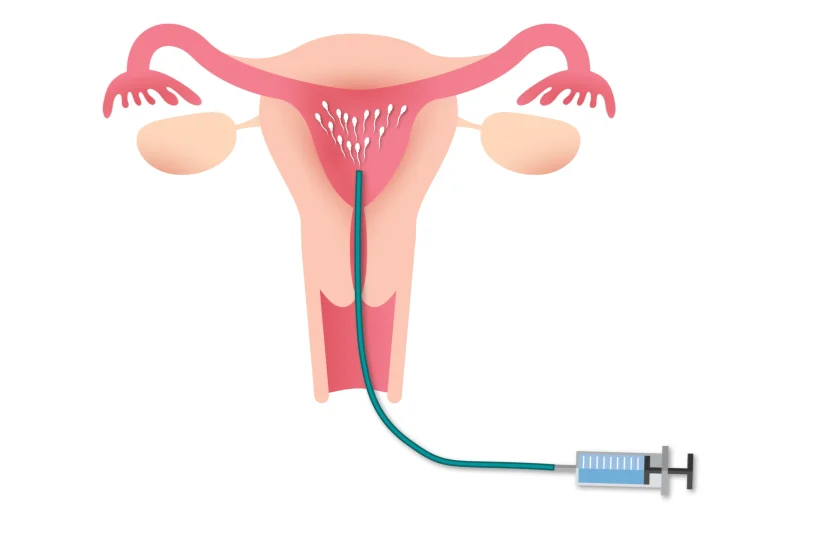
    diagram of a uterus with a syringe for intrauterine insemination procedure

    At-Home Fertility Testing for Men: How to Improve Sperm Quality and Quantity

    4. Follow the instructions on the kit to prepare and analyze the sample.

    5. Read the results and compare them to the reference values provided in the kit.

    If the results show any abnormalities, it is best to consult a healthcare professional for further evaluation and treatment.

    Ways to Improve Sperm Quality and Quantity:

    If you are planning to take an at-home fertility test, it is essential to prepare your body to ensure the most accurate results. Here are some ways to improve sperm quality and quantity:

    1. Maintain a healthy weight: Being overweight or underweight can affect sperm production. Maintaining a healthy weight through a balanced diet and regular exercise can help improve sperm quality and quantity.

    2. Quit smoking and limit alcohol consumption: Smoking and excessive alcohol intake have been linked to decreased sperm quality. Quitting smoking and reducing alcohol consumption can improve overall health and increase sperm count and motility.

    3. Reduce stress: High levels of stress can interfere with hormone production and sperm production. Engage in relaxation techniques such as meditation, yoga, or regular exercise to manage stress levels.

    4. Avoid excessive heat exposure: High temperatures can damage sperm production. Avoid activities that expose the genitals to excessive heat, such as hot tubs, saunas, or tight-fitting underwear.

    5. Take supplements: Certain supplements, such as zinc, vitamin C, and CoQ10, have been shown to improve sperm quality and quantity. Consult with a healthcare professional before taking any supplements.

    Summary:

    At-home fertility testing for men offers a convenient, private, and cost-effective way to assess sperm quality and quantity. It is essential for men to take an active role in monitoring and improving their fertility, and at-home tests make it easier to do so. To perform a semen analysis, follow the instructions provided in the testing kit and consult a healthcare professional if any abnormalities are found. Maintaining a healthy lifestyle, reducing stress, and avoiding heat exposure can also help improve sperm quality and quantity.