Author: mutony

  • A Holistic Guide to Overcoming Secondary Infertility

    Secondary infertility is a common but often overlooked issue that affects many couples who are trying to conceive. Unlike primary infertility, which is the inability to conceive a first child, secondary infertility refers to the difficulty in conceiving after a previous successful pregnancy. This can be a frustrating and emotional experience for those experiencing it, as they may have assumed that they would have no difficulty getting pregnant again. In this blog post, we will discuss a holistic guide to overcoming secondary infertility, including possible causes, traditional and alternative treatments, and tips for supporting mental health during this journey.

    Possible Causes of Secondary Infertility

    There are several potential causes of secondary infertility, including age, hormonal imbalances, and underlying health conditions. As women age, their fertility naturally decreases, making it more difficult to conceive. Hormonal imbalances, such as irregular ovulation or low progesterone levels, can also affect a woman’s ability to get pregnant. Additionally, underlying health conditions such as endometriosis, polycystic ovary syndrome (PCOS), or uterine fibroids can also contribute to secondary infertility.

    Traditional Treatments for Secondary Infertility

    The most common traditional treatment for secondary infertility is fertility medication, such as Clomid or Letrozole, which can help stimulate ovulation. In some cases, intrauterine insemination (IUI) or in vitro fertilization (IVF) may also be recommended. These treatments can be effective, but they can also be expensive and come with potential side effects. It’s essential to discuss all options with a fertility specialist and understand the potential risks and benefits before moving forward with any treatment.

    Alternative Treatments for Secondary Infertility

    In addition to traditional treatments, there are also alternative approaches that can be used to help overcome secondary infertility. These include acupuncture, herbal remedies, and dietary changes. Acupuncture has been shown to improve fertility by promoting blood flow to the pelvic area and reducing stress levels. Herbal remedies, such as maca root or chasteberry, can help regulate hormones and improve fertility. Dietary changes, such as increasing intake of whole foods and reducing processed foods, can also have a positive impact on fertility.
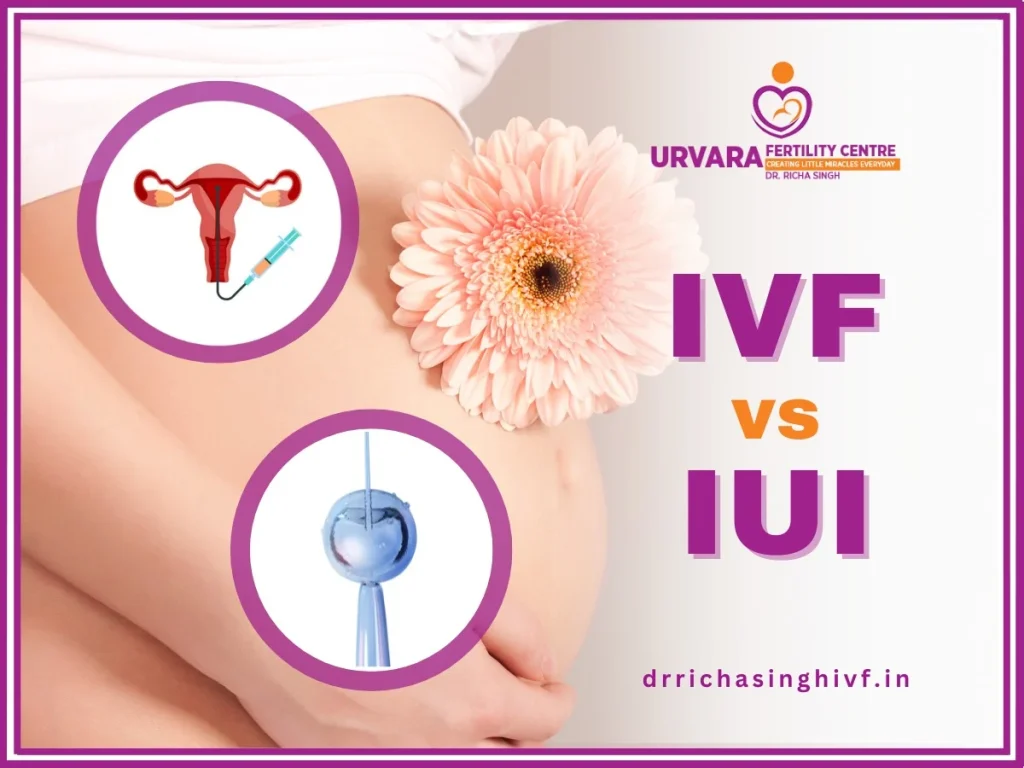
    IVF vs IUI comparison with illustrations of reproductive processes and a flower on a pregnant belly.

    A Holistic Guide to Overcoming Secondary Infertility

    Holistic Approaches to Overcoming Secondary Infertility

    Taking a holistic approach to overcoming secondary infertility means addressing not just the physical aspects but also the mental and emotional aspects of fertility. This includes reducing stress levels, improving overall health and well-being, and creating a supportive environment. Some holistic practices that can be beneficial for those struggling with secondary infertility include yoga, meditation, and journaling. These activities can help reduce stress and promote relaxation, which can have a positive impact on fertility.

    Supporting Mental Health During the Journey

    The journey of overcoming secondary infertility can be emotionally and mentally taxing. It’s crucial for those experiencing it to take care of their mental health and seek support when needed. This can include therapy, support groups, or talking to friends and family. It’s also essential to practice self-care and find healthy ways to cope with the emotions that come with this experience. This can include exercise, spending time in nature, or engaging in hobbies and activities that bring joy.

    In Conclusion

    Overcoming secondary infertility is a challenging and complex journey, but it’s important to remember that there is hope. By understanding the possible causes, exploring traditional and alternative treatments, and taking a holistic approach to fertility, it is possible to overcome secondary infertility and achieve a successful pregnancy. It’s also crucial to prioritize mental health and seek support during this time. By taking care of both physical and emotional well-being, individuals and couples can navigate this journey and come out stronger in the end.

    SEO metadata:
  • The Link Between Gut Health and Fertility: A Holistic Perspective

    Summary:

    Fertility is a topic that affects many people, but what many may not realize is the link between gut health and fertility. Our gut health plays a vital role in our overall health, including our reproductive health. In this blog post, we will explore the connection between gut health and fertility from a holistic perspective.

    Firstly, we will discuss the importance of a healthy gut for fertility. Our gut is home to trillions of bacteria, known as our gut microbiome. These bacteria play a crucial role in digestion, immunity, and even our mood. When the balance of our gut microbiome is disrupted, it can lead to various health issues, including fertility problems. We will delve deeper into how an unhealthy gut can affect our fertility.

    Next, we will explore the impact of inflammation on fertility. Inflammation is the body’s response to injury or infection, and it can also be triggered by a poor diet, stress, and environmental toxins. Chronic inflammation can disrupt our hormones, affect egg and sperm quality, and interfere with the menstrual cycle. We will discuss ways to reduce inflammation through a healthy diet and lifestyle changes.

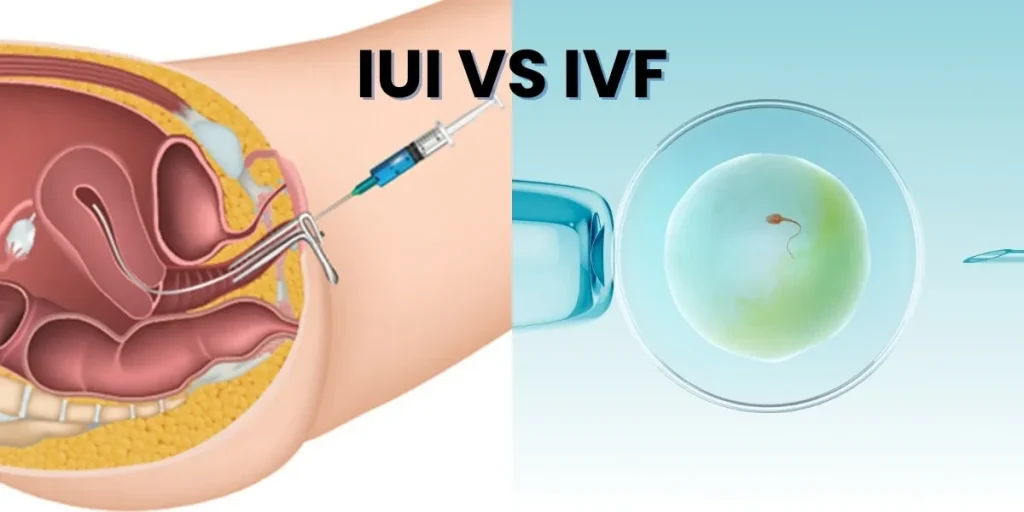
    comparison of IUI and IVF fertility treatments with illustrations of procedures and a petri dish with an egg and sperm

    The Link Between Gut Health and Fertility: A Holistic Perspective

    Furthermore, we will examine the role of the gut-brain axis in fertility. The gut and brain are connected through the vagus nerve, and they communicate with each other constantly. This connection is essential for regulating hormones, mood, and stress levels, all of which can affect fertility. We will explore how stress and mental health impact our gut and fertility and provide tips for managing stress and improving mental well-being.

    Additionally, we will discuss the importance of a healthy diet for fertility. A nutrient-dense diet that includes plenty of fruits, vegetables, whole grains, and healthy fats is crucial for reproductive health. We will highlight specific nutrients that are essential for fertility, such as folate, omega-3 fatty acids, and probiotics. We will also discuss foods to avoid, such as processed and sugary foods, that can harm our gut and fertility.

    Moreover, we will touch upon the impact of environmental toxins on our fertility. Our gut microbiome can be disrupted by exposure to toxins found in our food, water, and everyday products. These toxins can interfere with hormone balance and harm reproductive health. We will provide tips for reducing exposure to toxins and ways to support our body’s natural detoxification processes.

    Lastly, we will discuss the benefits of holistic approaches in improving gut health and fertility. Holistic practices, such as acupuncture, yoga, and meditation, can help reduce stress, improve digestion, and balance hormones. We will also mention the importance of a healthy sleep schedule and regular exercise in maintaining overall health and fertility.

    In conclusion, our gut health and fertility are interconnected, and taking a holistic approach to both can improve our chances of conceiving. By nourishing our gut with a healthy diet, managing stress and mental health, reducing exposure to toxins, and incorporating holistic practices, we can support our reproductive health and overall well-being.

  • Holistic Fertility: A Journey of Self-Discovery and Healing

    Holistic Fertility: A Journey of Self-Discovery and Healing

    Fertility is a deeply personal and complex journey for many individuals and couples. It can be filled with hope, joy, and excitement, but it can also bring feelings of frustration, disappointment, and even heartache. For those struggling to conceive, it can be a physically and emotionally draining experience. While modern medicine offers many solutions and treatments for fertility issues, there is another approach that is gaining popularity – holistic fertility.

    Holistic fertility is a multidimensional approach to fertility that focuses on treating the whole person – mind, body, and spirit. It views fertility as a reflection of overall health and wellness, rather than just a reproductive issue. This approach recognizes the interconnectedness of the body and how various factors such as diet, stress, lifestyle, and emotions can impact fertility. By addressing all aspects of a person’s well-being, holistic fertility aims to optimize fertility and promote overall health and balance.

    The journey of holistic fertility begins with self-discovery. It involves gaining a deeper understanding of oneself, one’s body, and one’s fertility. This process can be empowering and transformative, as it allows individuals to take control of their fertility journey and make informed decisions about their health and well-being.

    Self-discovery in holistic fertility begins with understanding the menstrual cycle. For many women, their menstrual cycle is a mysterious and often misunderstood process. However, understanding the different phases of the cycle and how they relate to fertility is crucial. The menstrual cycle is not just about ovulation and menstruation; it is a complex interplay of hormones and bodily functions that can reveal a lot about a person’s overall health and fertility.

    Tracking the menstrual cycle is a key component of holistic fertility. This can be done through various methods such as charting basal body temperature, monitoring cervical mucus, and using ovulation predictor kits. By tracking the menstrual cycle, individuals can gain valuable insights into their fertility and identify any potential issues or irregularities.

    Another important aspect of self-discovery in holistic fertility is understanding the mind-body connection. Our thoughts, emotions, and beliefs can have a significant impact on our physical health, including fertility. Stress, for example, can disrupt hormonal balance and interfere with ovulation. Negative thoughts and limiting beliefs can also create energetic blocks that can inhibit conception.

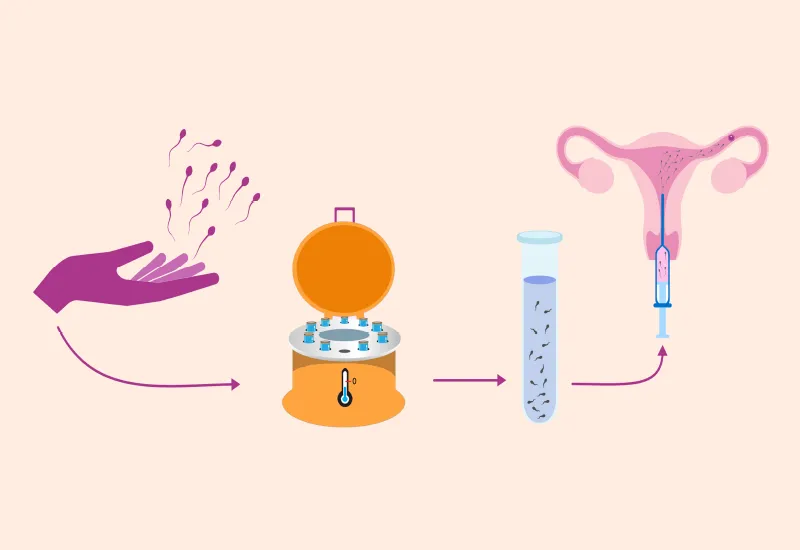
    illustration of the IUI process, showing sperm collection, preparation, and insertion into the uterus

    Holistic Fertility: A Journey of Self-Discovery and Healing

    To address the mind-body connection, holistic fertility practices often incorporate relaxation techniques such as meditation, mindfulness, and yoga. These practices can help individuals release stress, quiet the mind, and cultivate a positive mindset. By reducing stress and promoting a sense of calm, these practices can help balance hormones and improve overall fertility.

    In addition to addressing the mind-body connection, holistic fertility also focuses on nourishing the body through a healthy diet and lifestyle. Nutrition plays a crucial role in fertility, as the body needs specific nutrients to support reproductive function. A diet rich in whole, nutrient-dense foods can help balance hormones, regulate the menstrual cycle, and optimize fertility.

    Holistic fertility also emphasizes the importance of reducing exposure to toxins and environmental pollutants. These toxins can disrupt hormonal balance and negatively impact fertility. Switching to natural and organic personal care and household products can help reduce exposure to harmful chemicals and improve overall health and fertility.

    While self-discovery is a crucial aspect of holistic fertility, healing is also a significant component of this approach. Many individuals and couples turn to holistic fertility after experiencing challenges with traditional fertility treatments or facing unexplained infertility. Holistic fertility offers a new perspective and approach to fertility issues, focusing on addressing the root cause of the problem rather than just the symptoms.

    Healing in holistic fertility involves treating the whole person, not just the reproductive system. This can include therapies such as acupuncture, herbal medicine, and chiropractic care, which aim to restore balance and promote overall well-being. These therapies can also help address any underlying health issues that may be impacting fertility.

    In addition to physical healing, holistic fertility also recognizes the importance of emotional healing. The journey of trying to conceive can be emotionally taxing, and unresolved emotions can create energetic blocks that hinder fertility. Therapies such as counseling, hypnotherapy, and energy healing can help individuals work through their emotions and release any emotional blocks that may be affecting their fertility.

    The journey of holistic fertility is not a quick fix or a one-size-fits-all solution. It is a process of self-discovery, healing, and transformation that can take time. However, the benefits can be life-changing. By treating the whole person and addressing underlying issues, holistic fertility can help individuals and couples achieve optimal fertility and overall well-being.

    In summary, holistic fertility is a multidimensional approach to fertility that focuses on treating the whole person – mind, body, and spirit. It involves self-discovery, understanding the menstrual cycle, addressing the mind-body connection, nourishing the body through a healthy diet and lifestyle, and healing through various therapies. By taking a holistic approach to fertility, individuals and couples can gain a deeper understanding of their bodies and promote overall health and balance, leading to a more fulfilling and empowered fertility journey.

  • The Benefits of Mindfulness for Couples Struggling with Fertility

    Blog Post: The Benefits of Mindfulness for Couples Struggling with Fertility

    Fertility struggles can be a difficult and emotionally taxing experience for couples. The journey to conceive can be filled with uncertainty, stress, and disappointment. This can take a toll on both individuals and their relationship. However, incorporating mindfulness practices into their daily lives can have numerous benefits for couples who are struggling with fertility. In this blog post, we will explore the ways in which mindfulness can help couples cope with fertility challenges and improve their overall well-being.

    What is Mindfulness?

    Mindfulness is the practice of being present and aware of one’s thoughts, feelings, and surroundings without judgment. It involves intentionally paying attention to the present moment and accepting it as it is. This practice originated from Buddhist teachings but has gained popularity in Western psychology as a tool for managing stress, anxiety, and other mental health issues.

    Benefits of Mindfulness for Couples Struggling with Fertility

    1. Reduces Stress and Anxiety

    Couples struggling with infertility often experience high levels of stress and anxiety. This can be due to the pressure of trying to conceive, the fear of not being able to have children, and the emotional rollercoaster of fertility treatments. Mindfulness can help reduce these negative emotions by promoting relaxation and calming the mind. By focusing on the present moment, couples can let go of worries about the future and find a sense of peace and calm.

    2. Improves Communication and Connection

    Fertility struggles can strain a couple’s relationship, as they may experience feelings of frustration, disappointment, and even resentment towards each other. Mindfulness can help couples improve their communication and connection by fostering empathy and understanding. By being present and truly listening to each other without judgment, couples can strengthen their bond and support each other through this difficult journey.

    3. Increases Self-Awareness and Acceptance

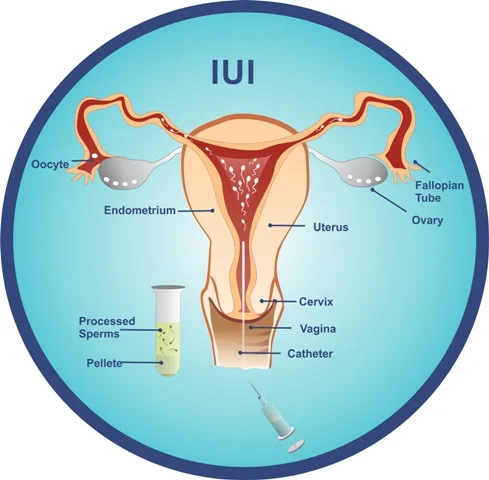
    diagram illustrating intrauterine insemination (IUI) with labeled reproductive anatomy and procedures

    The Benefits of Mindfulness for Couples Struggling with Fertility

    Mindfulness encourages individuals to be aware of their thoughts and feelings without reacting to them. This can help couples struggling with fertility to become more in tune with their emotions and thoughts related to their fertility journey. By accepting these thoughts and feelings without judgment, couples can develop a more positive outlook and find ways to cope with their challenges.

    4. Promotes a Positive Mindset

    The journey to conceive can be a rollercoaster of emotions, with highs and lows. Mindfulness can help couples maintain a positive mindset by focusing on the present moment and being grateful for what they have. This practice can also help them let go of negative thoughts and worries about the future, which can be detrimental to their mental health.

    5. Coping with Disappointment and Grief

    Couples struggling with fertility may experience disappointment and grief when they are unable to conceive. These feelings can be overwhelming and difficult to cope with. Mindfulness can help individuals acknowledge and accept these emotions without judgment, allowing them to process and move forward in a healthy way.

    6. Improves Sleep Quality

    Fertility struggles can also disrupt sleep patterns, as individuals may have trouble falling or staying asleep due to stress and anxiety. Mindfulness practices, such as meditation and deep breathing, can help calm the mind and promote relaxation, leading to better sleep quality.

    7. Enhances Overall Well-being

    Practicing mindfulness can have a positive impact on an individual’s overall well-being. It can reduce stress, improve emotional regulation, and promote a sense of calm and contentment. By taking care of their mental and emotional health, couples can have a better quality of life and be better equipped to handle the challenges of fertility struggles.

    In summary, mindfulness can be a valuable tool for couples struggling with fertility. It can help reduce stress and anxiety, improve communication and connection, promote a positive mindset, and enhance overall well-being. By incorporating mindfulness into their daily routine, couples can navigate their fertility journey with more resilience and find peace and acceptance along the way.

  • Holistic Fertility Treatments for PCOS: Addressing the Root Cause

    Title: Holistic Fertility Treatments for PCOS: Addressing the Root Cause

    Polycystic Ovary Syndrome (PCOS) affects 1 in 10 women of reproductive age, making it one of the most common hormonal disorders in women. It is a complex condition that can cause a range of symptoms, including irregular periods, weight gain, acne, and fertility problems. While conventional treatments may offer relief from the symptoms, they often fail to address the root cause of PCOS. This is where holistic fertility treatments come in – they aim to address the underlying imbalances in the body that are causing PCOS, rather than just treating the symptoms. In this blog post, we will explore some holistic fertility treatments that can help women with PCOS achieve a healthy pregnancy by addressing the root cause of their condition.

    1. Diet and Nutrition
    Diet and nutrition play a crucial role in managing PCOS. Women with PCOS often have insulin resistance, which means that their cells are less responsive to insulin, leading to high levels of insulin in the blood. This results in the ovaries producing excess androgens (male hormones), which can disrupt ovulation and cause other symptoms of PCOS. A diet that is low in sugar and refined carbohydrates and high in healthy fats, protein, and fiber can help manage insulin resistance and balance hormone levels. Foods like green leafy vegetables, lean protein, and healthy fats like avocados, nuts, and olive oil should be incorporated into the diet. Additionally, supplements like inositol, folic acid, and vitamin D can also help improve insulin sensitivity and regulate menstrual cycles in women with PCOS.

    2. Acupuncture
    Acupuncture is an ancient Chinese therapy that involves inserting thin needles into specific points on the body to stimulate energy flow. In the case of PCOS, acupuncture can help regulate hormone levels, reduce inflammation, and promote ovulation. Several studies have shown that acupuncture can improve menstrual regularity, reduce testosterone levels, and increase the chances of pregnancy in women with PCOS. It is a safe and natural treatment with little to no side effects, making it a popular choice among women with PCOS who are trying to conceive.

    3. Herbal Medicine
    Herbal medicine has been used for centuries to treat various health conditions, including PCOS. There are several herbs that have been found to be effective in treating PCOS by balancing hormones, reducing inflammation, and improving insulin sensitivity. Some of the most commonly used herbs for PCOS include cinnamon, spearmint, licorice root, and saw palmetto. However, it is important to consult a qualified herbalist or naturopath before incorporating any herbal remedies into your PCOS treatment plan, as some herbs may interact with medications or have side effects.

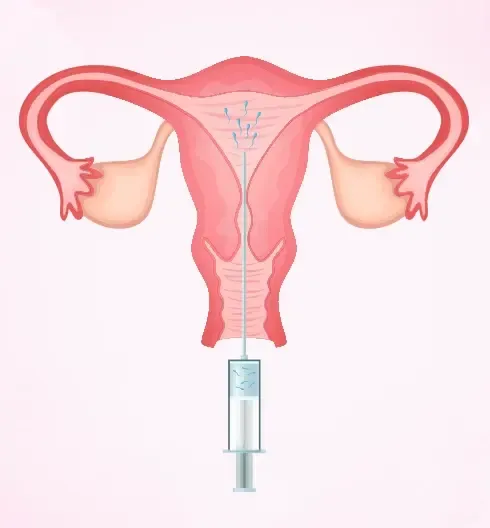
    Illustration of a uterus with a syringe indicating an intrauterine insemination procedure.

    Holistic Fertility Treatments for PCOS: Addressing the Root Cause

    4. Stress Management
    Stress can have a significant impact on hormone levels and ovulation in women with PCOS. Cortisol, the stress hormone, can disrupt the delicate balance of hormones in the body, leading to irregular periods and fertility problems. It is essential to find ways to manage stress and incorporate relaxation techniques into your daily routine. This can include practicing yoga or meditation, going for walks in nature, or spending time doing activities that you enjoy. Reducing stress levels can help regulate hormone levels and improve fertility in women with PCOS.

    5. Exercise
    Regular exercise is crucial for women with PCOS as it can help improve insulin sensitivity, regulate menstrual cycles, and manage weight. Women with PCOS are often advised to engage in moderate to high-intensity exercises like strength training, cardio, and high-intensity interval training (HIIT). These types of exercises can help burn fat, improve insulin sensitivity, and regulate hormone levels. However, it is important to find an exercise routine that works for you and to not over-exercise, as excessive exercise can also disrupt hormone levels.

    6. Mind-Body Therapies
    Mind-body therapies like meditation, mindfulness, and cognitive-behavioral therapy (CBT) can be beneficial for women with PCOS. These therapies can help reduce stress, improve mood, and promote a positive mindset, which can be helpful in managing PCOS. CBT, in particular, can also help address any negative thoughts or beliefs that may contribute to stress and anxiety in women with PCOS. By incorporating mind-body therapies into your PCOS treatment plan, you can improve your overall well-being and increase your chances of conceiving.

    In conclusion, holistic fertility treatments can be highly effective in managing PCOS and improving fertility by addressing the root cause of the condition. By incorporating diet and nutrition, acupuncture, herbal medicine, stress management, exercise, and mind-body therapies into your treatment plan, you can balance your hormones, regulate your menstrual cycles, and increase your chances of conceiving naturally. It is important to work with a qualified healthcare practitioner who can create a personalized treatment plan tailored to your specific needs and monitor your progress along the way. With a holistic approach, women with PCOS can overcome their fertility struggles and achieve a healthy pregnancy.

    Summary:
    Polycystic Ovary Syndrome (PCOS) affects 1 in 10 women and is a common hormonal disorder that can cause fertility problems. Holistic fertility treatments aim to address the root cause of PCOS by balancing hormones, reducing inflammation, and improving insulin sensitivity. These treatments include diet and nutrition, acupuncture, herbal medicine, stress management, exercise, and mind-body therapies. By incorporating these treatments into your PCOS treatment plan, you can improve your overall health and increase your chances of conceiving naturally.

  • Fertility and Chiropractic Care: A Holistic Approach to Balance

    Fertility is a topic that is often surrounded by myths and misconceptions, causing many women and couples to feel overwhelmed and confused. The truth is, fertility is a complex and multifaceted issue, and there is no one-size-fits-all solution. However, one approach that has been gaining recognition in recent years is chiropractic care.

    Chiropractic care is a holistic approach to health that focuses on maintaining proper alignment and function of the spine and nervous system. While many people may associate chiropractic care with back pain or injuries, its benefits go far beyond that. In fact, studies have shown that chiropractic care can have a positive impact on fertility and reproductive health.

    In this blog post, we will explore the connection between fertility and chiropractic care, and how this holistic approach can help women achieve balance and improve their chances of conceiving.

    The Connection between Fertility and Chiropractic Care

    The nervous system plays a crucial role in the body’s functioning, including reproductive health. The nerves that control reproductive organs originate from the spine, making the spine and nervous system vital for optimal reproductive function. Any misalignments or imbalances in the spine can disrupt the communication between the brain and reproductive organs, leading to issues with fertility.

    Chiropractic care works by correcting these misalignments, also known as subluxations, through gentle adjustments of the spine. This helps restore proper nerve function and allows the body to function at its best.

    One study published in the Journal of Pediatric, Maternal, and Family Health found that 75% of women who received chiropractic care had improved fertility and were able to conceive within six months to a year. This is a significant improvement compared to the 20% success rate of those who relied on assisted reproductive technologies.

    Balancing Hormones and Menstrual Cycles

    Hormonal imbalances are a common cause of fertility issues in women. Hormones are responsible for regulating the menstrual cycle and preparing the body for pregnancy. Any disruptions in this delicate balance can make it challenging to conceive.

    Chiropractic care can help regulate hormonal imbalances by improving the function of the endocrine system. The endocrine system is responsible for producing and regulating hormones, and any interference in its function can lead to issues with fertility. By correcting spinal misalignments, chiropractic care can help restore balance to the endocrine system, improving hormonal health and menstrual cycles.

    Stress Reduction and Fertility

    Stress is a significant factor that can impact fertility. In today’s fast-paced world, many women experience high levels of stress, which can interfere with their reproductive health. Chronic stress can disrupt the balance of hormones and affect the functioning of the reproductive organs.

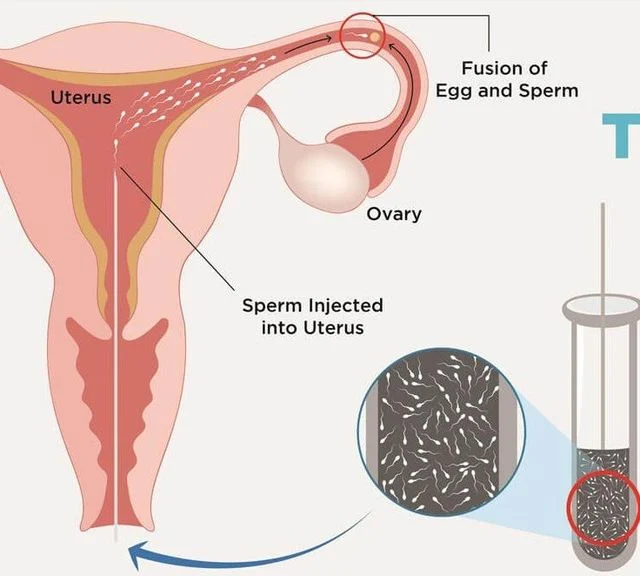
    Diagram illustrating the IUI process, showing sperm injection into the uterus and egg fertilization.

    Fertility and Chiropractic Care: A Holistic Approach to Balance

    Chiropractic care can help reduce stress levels by promoting relaxation and reducing tension in the body. The gentle adjustments of the spine can also help release tension in the muscles, which can alleviate physical symptoms of stress. Additionally, chiropractors can provide lifestyle recommendations and resources to help manage stress levels and promote overall well-being.

    Pregnancy and Chiropractic Care

    Pregnancy is a time of significant changes in a woman’s body, and chiropractic care can play a crucial role in supporting a healthy pregnancy. As the body changes to accommodate the growing baby, the spine and pelvis can become misaligned, leading to discomfort and pain. Chiropractic adjustments can help relieve these discomforts and ensure proper alignment of the spine and pelvis, which can also improve the baby’s positioning for birth.

    Chiropractic care during pregnancy can also help with other common pregnancy-related issues such as nausea, headaches, and sciatica. It can also aid in maintaining a healthy nervous system, which is vital for the developing baby’s growth and development.

    Postpartum Care

    Chiropractic care can also be beneficial for women after giving birth. The physical demands of labor and delivery can cause stress and strain on the body. Chiropractic adjustments can help restore proper alignment and alleviate any discomfort or pain. It can also aid in postpartum recovery by promoting relaxation and reducing stress levels.

    Additionally, chiropractic care can also help with breastfeeding challenges, such as mastitis and difficulty latching, by addressing any spinal misalignments that may be interfering with the body’s natural ability to produce and release milk.

    A Holistic Approach to Fertility and Reproductive Health

    Chiropractic care offers a holistic approach to fertility and reproductive health by addressing the root cause of the issue rather than just treating the symptoms. It focuses on bringing the body into balance, allowing it to function optimally and improve overall health and well-being.

    In addition to chiropractic adjustments, chiropractors may also provide lifestyle recommendations, such as proper nutrition and exercise, to support fertility and reproductive health. This holistic approach can help women achieve balance in their physical, emotional, and mental well-being, which is crucial for optimal fertility.

    In Summary

    Fertility issues can be challenging and overwhelming, but they do not have to be faced alone. Chiropractic care offers a holistic approach to fertility and reproductive health, focusing on restoring balance to the body and addressing the root cause of the issue. By improving spinal alignment and nerve function, chiropractic care can help regulate hormones, reduce stress, and support a healthy pregnancy and postpartum recovery. With its many benefits, chiropractic care can be an essential component of a holistic approach to balancing fertility and reproductive health.

    Metadata:

  • The Impact of Environmental Toxins on Fertility: A Holistic Perspective

    Blog Post Title: The Impact of Environmental Toxins on Fertility: A Holistic Perspective

    Summary:

    Fertility is a topic that affects many individuals and couples around the world. It is the ability to conceive and carry a pregnancy to full term. However, in recent years, there has been a decline in fertility rates, and environmental toxins have been identified as one of the major contributing factors. Environmental toxins are substances found in our environment that can have harmful effects on our health and reproductive systems. In this blog post, we will explore the impact of environmental toxins on fertility from a holistic perspective.

    Firstly, we will discuss how environmental toxins can affect both male and female fertility. Exposure to these toxins can lead to hormonal imbalances, which can affect ovulation and sperm production. For women, toxins can interfere with the menstrual cycle, making it difficult to conceive. For men, exposure to toxins can lead to decreased sperm count and quality, making it challenging to achieve a successful pregnancy.

    Secondly, we will delve into the different sources of environmental toxins, including air pollution, water pollution, and food contamination. Air pollution, caused by industrial emissions and vehicle exhaust, can affect fertility by disrupting hormone production. Water pollution, from chemicals and pesticides, can also have a negative impact on fertility. Additionally, food contamination from pesticides, antibiotics, and hormones can contribute to infertility issues.

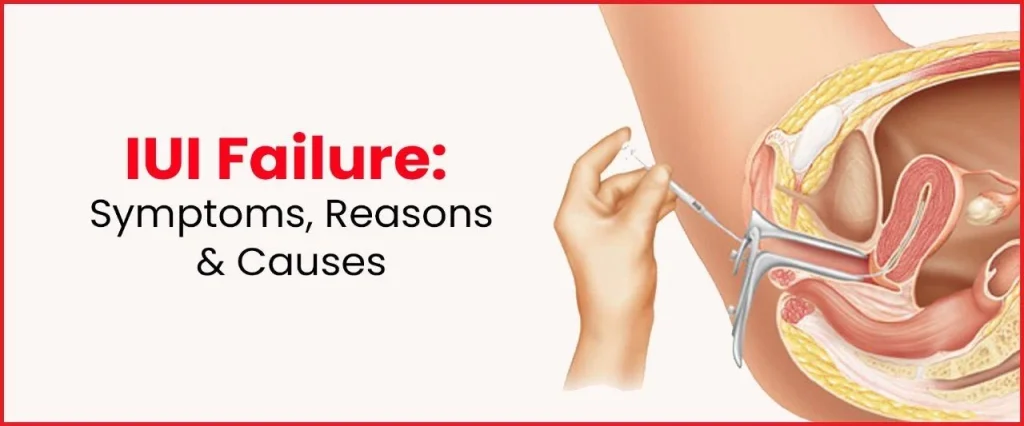
    illustration of IUI procedure with text on symptoms, reasons, and causes of IUI failure

    The Impact of Environmental Toxins on Fertility: A Holistic Perspective

    Next, we will look at the role of our body’s detoxification system in protecting us from environmental toxins. Our liver, kidneys, and lymphatic system are responsible for filtering and removing toxins from our bodies. However, excessive exposure to toxins can overwhelm these organs, leading to a build-up of toxins in our body. This can result in a weakened immune system and hormonal imbalances, ultimately affecting fertility.

    Moreover, we will discuss the importance of a holistic approach to address the impact of environmental toxins on fertility. While reducing exposure to toxins is crucial, it is also essential to support our bodies’ natural detoxification process. This can include following a clean and organic diet, incorporating regular physical activity, and practicing stress-reducing activities like yoga or meditation.

    We will also explore the use of alternative therapies, such as acupuncture and herbal medicine, in supporting fertility and detoxification. These methods can help to rebalance hormones and strengthen the body’s natural detoxification systems, promoting overall health and fertility.

    Lastly, we will emphasize the need for environmental awareness and prevention. While individual actions can make a significant impact, it is crucial to address the root cause of environmental toxins by advocating for stricter regulations and policies to reduce pollution and contamination.

    In conclusion, environmental toxins have a significant impact on fertility, and it is vital to take a holistic approach to address this issue. By reducing exposure to toxins, supporting the body’s natural detoxification process, and promoting environmental awareness, we can work towards a healthier and more fertile future.

  • Holistic Fertility Diets: Nourishing Your Body for Conception

    Blog Post Title: Holistic Fertility Diets: Nourishing Your Body for Conception

    Summary:

    Fertility is a natural process that is influenced by various factors, including diet and overall health. Many couples struggling with infertility often turn to costly medical treatments without realizing that a simple change in their diet could make a significant difference. A holistic approach to fertility is gaining popularity, focusing on nourishing the body to optimize fertility and increase the chances of conception. In this blog post, we will discuss the importance of a holistic fertility diet and how it can support your journey towards parenthood.

    Firstly, let’s understand what a holistic fertility diet is. It is a way of eating that focuses on nourishing the body with whole, nutrient-dense foods to support reproductive health. This diet aims to balance hormones, reduce inflammation, and provide the body with the necessary nutrients to support a healthy pregnancy. Unlike restrictive diets, a holistic fertility diet encourages a variety of whole foods, including fruits, vegetables, whole grains, healthy fats, and lean proteins.

    One of the key benefits of a holistic fertility diet is its ability to balance hormones. Hormonal imbalances can greatly impact fertility, leading to irregular ovulation and menstrual cycles. A diet rich in whole foods, specifically healthy fats and lean proteins, can help regulate hormones and improve fertility. Foods like avocados, olive oil, salmon, and nuts are excellent sources of healthy fats that support hormone production.

    test tube with sperm in blue liquid, promoting IUI success rate and factors influencing fertility.

    Holistic Fertility Diets: Nourishing Your Body for Conception

    Inflammation is another factor that can affect fertility. Chronic inflammation in the body can lead to conditions like endometriosis and PCOS, which can interfere with ovulation and conception. A holistic fertility diet is rich in anti-inflammatory foods, such as leafy greens, berries, and turmeric, which can help reduce inflammation in the body. By reducing inflammation, the body can better focus on the reproductive process.

    The quality and quantity of nutrients in our diet play a crucial role in fertility. A holistic fertility diet emphasizes the consumption of whole, nutrient-dense foods, which provide essential vitamins and minerals to support reproductive health. For example, vitamin D is crucial for fertility as it helps regulate ovulation and improve egg quality. Foods like eggs, fatty fish, and fortified dairy products are good sources of vitamin D. Other important nutrients for fertility include iron, folate, and zinc, which are found in foods like leafy greens, legumes, and lean meats.

    In addition to nourishing the body with whole foods, a holistic fertility diet also focuses on eliminating or reducing processed foods and toxins from the diet. Processed foods, such as refined sugars and trans fats, can lead to inflammation and hormonal imbalances, which can negatively impact fertility. Similarly, exposure to toxins from environmental pollutants and chemicals in household products can also harm reproductive health. By avoiding these harmful substances and opting for natural, whole foods, a holistic fertility diet can support the body’s natural detoxification process and promote overall health.

    It’s also important to mention that a holistic fertility diet is not just about what you eat, but also how you eat. Eating mindfully, chewing food thoroughly, and taking time to enjoy meals can all play a role in improving digestion and nutrient absorption. Stress and anxiety can also affect fertility, so incorporating relaxation techniques like meditation and yoga into your daily routine can be beneficial.

    In conclusion, a holistic fertility diet is a natural, safe, and effective approach to improving fertility and increasing the chances of conception. By focusing on whole, nutrient-dense foods, reducing inflammation, and eliminating toxins, this diet supports reproductive health and balances hormones. Along with a healthy diet, it’s essential to maintain a healthy weight, exercise regularly, and manage stress levels to optimize fertility. With patience, persistence, and a holistic approach, you can nourish your body for conception and start your journey towards parenthood.

  • A Holistic Approach to Unexplained Infertility

    A Holistic Approach to Unexplained Infertility: Understanding and Treating the Root Cause

    Infertility is a deeply personal and often heartbreaking experience for individuals and couples who are trying to conceive. While there are many known causes of infertility, such as hormonal imbalances, blocked fallopian tubes, or low sperm count, there is a subset of couples who are diagnosed with unexplained infertility. This diagnosis can be frustrating and confusing, as there are no clear reasons or explanations for why a couple is unable to conceive. However, a holistic approach to unexplained infertility may provide a new perspective and potential solutions for those struggling to start a family.

    What is Unexplained Infertility?

    Unexplained infertility is a diagnosis given to couples who have been actively trying to conceive for at least a year, but have no identifiable cause of infertility. This means that both partners have been evaluated and show no signs of any physical or hormonal issues that could impact their ability to conceive. It is estimated that about 10-20% of couples struggling with infertility receive this diagnosis.

    The emotional toll of unexplained infertility can be immense, as couples often feel that they are stuck in a state of limbo with no answers or solutions. Many may also feel a sense of guilt or frustration, wondering if they are doing something wrong or not trying hard enough to get pregnant. However, it is important to understand that unexplained infertility is not a result of any personal shortcomings, and it is a medical diagnosis that requires a comprehensive approach to treat.

    Taking a Holistic Approach to Unexplained Infertility

    A holistic approach to unexplained infertility means looking at the individual as a whole, rather than just focusing on the reproductive system. It recognizes that there are many interconnected factors that can impact fertility, including physical, emotional, and lifestyle factors. By addressing these various aspects, a holistic approach aims to treat the root cause of infertility and increase the chances of conception.

    1. Addressing Stress and Mental Health

    One of the first steps in a holistic approach to unexplained infertility is to address any potential sources of stress and prioritize mental health. Stress can have a significant impact on the body, including the reproductive system. When the body is under chronic stress, it can disrupt the delicate balance of hormones, making it more difficult to conceive.

    Couples struggling with infertility may also experience a range of emotions, including anxiety, depression, and grief. These emotions can also take a toll on mental health and may even contribute to physical symptoms. Seeking support from a therapist or joining a support group can be beneficial in managing stress and improving overall well-being.

    IVF vs IUI comparison with illustrations of reproductive processes and a flower on a pregnant belly.

    A Holistic Approach to Unexplained Infertility

    2. Improving Nutrition and Lifestyle Habits

    Another important aspect of a holistic approach to unexplained infertility is to focus on nutrition and lifestyle habits. A balanced and nutrient-dense diet can help optimize reproductive function and increase the chances of conception. It is also essential to avoid substances that can negatively impact fertility, such as alcohol, tobacco, and excessive caffeine.

    Regular exercise and maintaining a healthy weight can also play a role in improving fertility. Being overweight or underweight can disrupt hormone levels and make it more difficult to get pregnant. Incorporating stress-reducing activities, such as yoga or meditation, can also be beneficial in promoting overall health and well-being.

    3. Exploring Alternative Therapies

    In addition to traditional medical treatments, there are also alternative therapies that can support a holistic approach to unexplained infertility. These may include acupuncture, herbal medicine, and fertility massage. These therapies aim to balance the body’s energy and promote reproductive health. While there is limited scientific evidence to support their effectiveness, many couples have reported success with these modalities in their fertility journey.

    4. Addressing Underlying Hormonal Imbalances

    While the diagnosis of unexplained infertility means that there are no apparent hormonal imbalances, it is still important to consider the role of hormones in fertility. Often, there may be subtle imbalances that are not detected through standard testing. A holistic approach may involve further testing to identify and address any underlying hormonal issues that could be contributing to infertility.

    5. Partner Support and Communication

    Infertility can be a difficult journey for both partners, and it is crucial to have open and supportive communication throughout the process. A holistic approach to unexplained infertility involves not just the individual but also their partner. By working together and supporting each other, couples can navigate through the challenges of infertility and strengthen their relationship along the way.

    Summary:

    Unexplained infertility is a diagnosis given to couples who cannot conceive despite no identifiable cause. It can be a frustrating and emotionally taxing experience, but a holistic approach can provide a new perspective and potential solutions. This approach involves addressing stress and mental health, improving nutrition and lifestyle habits, exploring alternative therapies, considering underlying hormonal imbalances, and having partner support and communication. By treating the individual as a whole and addressing various interconnected factors, there is hope for those struggling with unexplained infertility to achieve their dream of starting a family.

  • The Power of Visualization in Holistic Fertility Care

    Blog Post:

    In recent years, there has been a growing interest in holistic approaches to fertility care. This approach focuses on treating the whole person, rather than just the symptoms, and considers physical, emotional, and spiritual aspects of a person’s well-being. One powerful tool in this approach is visualization, which involves using the mind to create mental images that can bring about positive changes in the body. In this blog post, we will explore the power of visualization in holistic fertility care and how it can help couples on their journey to parenthood.

    What is Visualization?

    Visualization is a technique that has been used for centuries in various cultures to improve physical, mental, and emotional well-being. It involves creating a detailed mental image of a desired outcome and focusing on it with intention and belief. This can be done through meditation, guided imagery, or simply by using the power of imagination.

    How Visualization Can Aid in Fertility

    The mind and body are closely connected, and what we think and feel can have a significant impact on our physical health. In the case of fertility, stress and anxiety can interfere with the body’s natural processes and make it more difficult to conceive. Visualization can help reduce stress and promote relaxation, which can improve overall reproductive health.

    Additionally, visualization can help couples struggling with fertility to maintain a positive mindset and stay motivated. The journey to parenthood can be emotionally draining and challenging, but by envisioning a positive outcome, couples can stay focused on their goal and have a sense of control over their situation.

    Creating a Fertile Mindset

    Our thoughts and beliefs can affect our body in profound ways. In the case of fertility, negative thoughts and doubts can create a barrier and make it harder to conceive. Visualization can help to shift these negative thought patterns and replace them with positive ones. By envisioning a healthy pregnancy and birth, couples can create a fertile mindset and believe that it is possible for them.

    Visualizing the Reproductive Process

    comparison of IUI and IVF fertility treatments with illustrations of procedures and a petri dish with an egg and sperm

    The Power of Visualization in Holistic Fertility Care

    Many women undergoing fertility treatments often feel disconnected from their bodies. Visualization can help them reconnect and feel more in tune with their reproductive system. By visualizing the reproductive process, women can become more aware of their body’s natural rhythms and signals, which can help them to better understand their fertility. This can also help women to feel more empowered and take an active role in their fertility journey.

    Using Affirmations for Fertility

    Affirmations are positive statements that can help reprogram the mind and promote positive thinking. They can be a powerful tool in combination with visualization for fertility. Some examples of affirmations for fertility include “My body is healthy and capable of conceiving,” “I am open and receptive to new life,” and “I trust in my body’s ability to conceive.” By repeating these affirmations during visualization, couples can reinforce the belief that they are capable of conceiving and carrying a healthy pregnancy.

    Visualizing a Healthy Pregnancy and Birth

    Pregnancy and childbirth can be a daunting thought for couples struggling with fertility. Visualization can help to alleviate fears and concerns by creating a positive image of a healthy pregnancy and birth. Couples can visualize themselves holding their newborn baby, feeling joy and gratitude, and envisioning a smooth and uncomplicated birth. This can help to reduce anxiety and create a sense of calm, which is essential for a successful pregnancy.

    The Role of Mind-Body Techniques in Fertility Treatment

    Visualization is just one of the many mind-body techniques that can be incorporated into fertility treatment. Other techniques such as meditation, yoga, and acupuncture can also help to reduce stress and improve reproductive health. By combining these techniques with traditional fertility treatments, couples can increase their chances of success and improve their overall well-being.

    Incorporating Visualization into Daily Life

    In addition to incorporating visualization into fertility treatments, couples can also practice it in their daily lives. This can involve taking a few minutes each day to visualize their desired outcome, whether it be a healthy pregnancy or a peaceful mind. It can also involve creating a vision board, where couples can place images and affirmations that represent their fertility goals. By making visualization a part of their daily routine, couples can stay focused on their journey and maintain a positive mindset.

    Summary:

    Holistic approaches to fertility care are becoming increasingly popular, with a focus on treating the whole person and addressing physical, emotional, and spiritual aspects of well-being. Visualization is a powerful tool in this approach, involving the use of mental images to bring about positive changes in the body. By reducing stress, creating a fertile mindset, visualizing the reproductive process, using affirmations, and envisioning a healthy pregnancy and birth, couples can improve their chances of conceiving and have a more positive experience on their fertility journey. Incorporating visualization into daily life can also help to maintain a positive mindset and improve overall well-being. Combined with other mind-body techniques and traditional fertility treatments, visualization can play a significant role in holistic fertility care.