Author: mutony

  • Intrauterine Insemination vs In Vitro Fertilization: A Psychological Perspective

    Intrauterine Insemination vs In Vitro Fertilization: A Psychological Perspective

    When it comes to building a family, many couples face challenges and struggles. For some, the journey to parenthood is not as straightforward as they had hoped. In recent years, assisted reproductive technologies have become increasingly popular and accessible for couples who are struggling with fertility issues. Intrauterine insemination (IUI) and in vitro fertilization (IVF) are two common methods of fertility treatment that are often used interchangeably, but it’s important to understand the differences between them, especially from a psychological perspective.

    Intrauterine Insemination (IUI) is a fertility treatment where sperm is directly inserted into a woman’s uterus during ovulation. This procedure is relatively simple and is often the first step for couples who are trying to conceive. It can be done with the partner’s sperm or donor sperm and is a less invasive and less expensive option compared to IVF. IUI is also commonly used for individuals or couples who are using donor sperm, or for those with male factor infertility.

    On the other hand, In Vitro Fertilization (IVF) is a more complex procedure that involves extracting eggs from the woman’s ovaries and fertilizing them with sperm in a lab setting. The fertilized egg or embryo is then transferred back into the woman’s uterus. IVF is often recommended for couples with more severe fertility issues, such as blocked fallopian tubes, endometriosis, or low sperm count. It is also commonly used for individuals or couples who have tried other fertility treatments without success.

    Both IUI and IVF have their own unique benefits and challenges, and it’s essential to consider the psychological impact of these procedures on couples.

    The Psychological Impact of IUI

    For couples who are struggling with infertility, the process of trying to conceive can be emotionally taxing. IUI can provide a sense of hope and optimism, as it is a relatively simple and non-invasive procedure that can be done in a doctor’s office. However, it can also be a rollercoaster of emotions, as the success rates of IUI are lower compared to IVF.

    One of the main psychological challenges of IUI is the uncertainty of the outcome. Each cycle of IUI has a success rate of around 10-20%, and it’s impossible to predict which cycle will result in a pregnancy. This can lead to anxiety and disappointment for couples who may have to undergo multiple cycles before achieving a successful pregnancy.

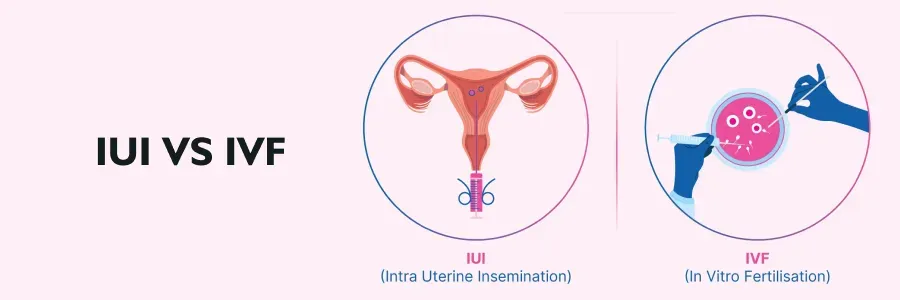
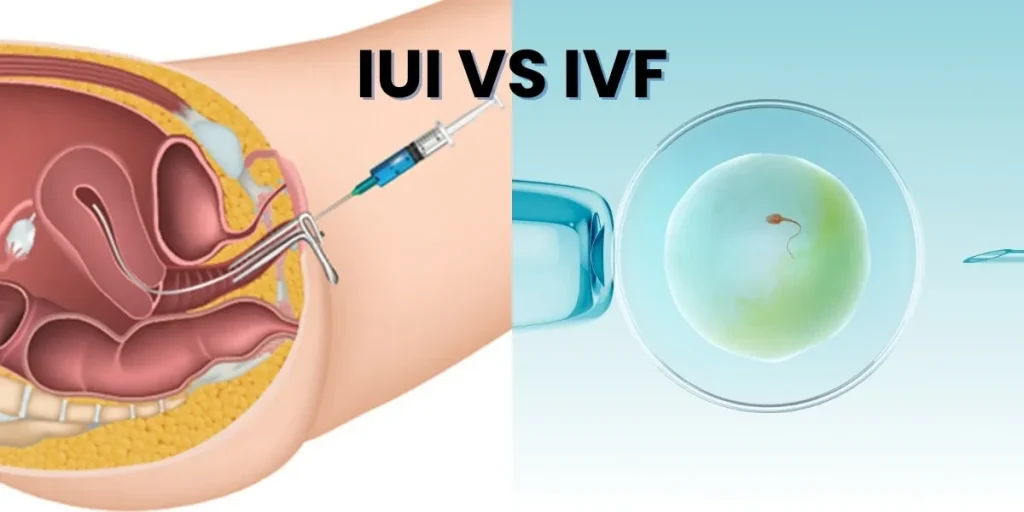
    Comparison of IUI and IVF, illustrating procedures and definitions for each fertility treatment.

    Intrauterine Insemination vs In Vitro Fertilization: A Psychological Perspective

    Another psychological aspect to consider is the involvement of the partner’s sperm or donor sperm. For some couples, the use of donor sperm can bring up feelings of inadequacy or insecurity, while for others, it can be a source of excitement and hope. It’s essential for couples to openly communicate and address any concerns or fears they may have before undergoing IUI.

    The Psychological Impact of IVF

    IVF is a more complex and invasive procedure compared to IUI, which can have a significant psychological impact on couples. The process of IVF involves multiple steps, including hormone injections, egg retrieval, and embryo transfer, which can be physically and emotionally draining for the woman. The financial cost of IVF can also add to the stress and pressure for couples.

    One of the main psychological challenges of IVF is the high expectations and pressure placed on the couple to achieve a successful pregnancy. With IVF being a more expensive and time-consuming procedure, couples often feel a great deal of pressure to succeed. This can lead to feelings of guilt, shame, and disappointment if the cycle is not successful.

    The use of assisted reproductive technologies can also bring up ethical and moral dilemmas for couples, such as the decision to use donor eggs or embryos or the possibility of multiple pregnancies. It’s essential for couples to discuss and address these issues with their doctors and each other to ensure they are emotionally prepared for the IVF process.

    The Role of Support and Counseling

    Both IUI and IVF can be emotionally challenging for couples, and it’s crucial for them to have a strong support system in place. Friends and family can provide much-needed support and understanding, but sometimes it’s beneficial to seek professional help. Many fertility clinics offer counseling services for couples undergoing fertility treatments, which can help them navigate the emotional rollercoaster and cope with the challenges they may face.

    Counseling can also provide a safe space for couples to discuss their fears, concerns, and hopes for the future. It can help them communicate more effectively with each other and strengthen their relationship during this challenging time. Additionally, counseling can help couples develop coping strategies and manage stress and anxiety during the fertility treatment process.

    In summary, both IUI and IVF are viable options for couples struggling with infertility, and the decision between the two should be made carefully, taking into consideration not only the medical factors but also the psychological impact. It’s essential for couples to have open and honest communication with each other and their doctor, as well as seek support and counseling to help them cope with the emotional challenges of fertility treatments.

  • The Importance of Counseling: Intrauterine Insemination vs In Vitro Fertilization

    The journey to parenthood may not always be a smooth one for every couple. Some may face challenges in conceiving naturally and may require additional assistance in the form of fertility treatments. In such cases, counseling can play a crucial role in helping couples make informed decisions about their options for assisted reproduction. Two common methods of fertility treatment are Intrauterine Insemination (IUI) and In Vitro Fertilization (IVF). While both aim to help couples achieve pregnancy, they have distinct differences and it is important for couples to understand these differences before choosing which method is best for them. In this blog post, we will explore the importance of counseling for couples considering IUI or IVF.

    Firstly, it is important to understand what IUI and IVF are and how they differ. IUI involves placing sperm directly into the uterus during the woman’s ovulation period, allowing for a higher chance of fertilization. On the other hand, IVF involves retrieving eggs from the woman’s ovaries and fertilizing them with sperm in a lab, before transferring the resulting embryos back into the woman’s uterus. While both procedures have high success rates, they also come with their own set of benefits and challenges.

    One of the main benefits of IUI is its lower cost compared to IVF. This makes it a more accessible option for couples who may not have the financial means for IVF. Additionally, IUI is a less invasive procedure and does not require the use of fertility drugs, making it a more comfortable and less complicated process for some couples. However, the success rates of IUI may be lower compared to IVF, especially for couples with certain fertility issues such as male factor infertility or advanced maternal age.

    On the other hand, IVF has a higher success rate, making it a more attractive option for couples who have been struggling with infertility for a longer period of time. It also allows for genetic testing of embryos, which can help identify any potential chromosomal abnormalities and increase the chances of a successful pregnancy. However, IVF is a more invasive and expensive procedure, and the use of fertility drugs can also have potential side effects for the woman.

    With these differences in mind, it is important for couples to seek counseling before making a decision on which fertility treatment to pursue. Counseling can provide a safe and supportive space for couples to discuss their concerns, fears, and hopes about the fertility treatment process. A trained counselor can also help couples explore their options and understand the potential risks and benefits of each treatment, taking into account their individual medical history and circumstances.

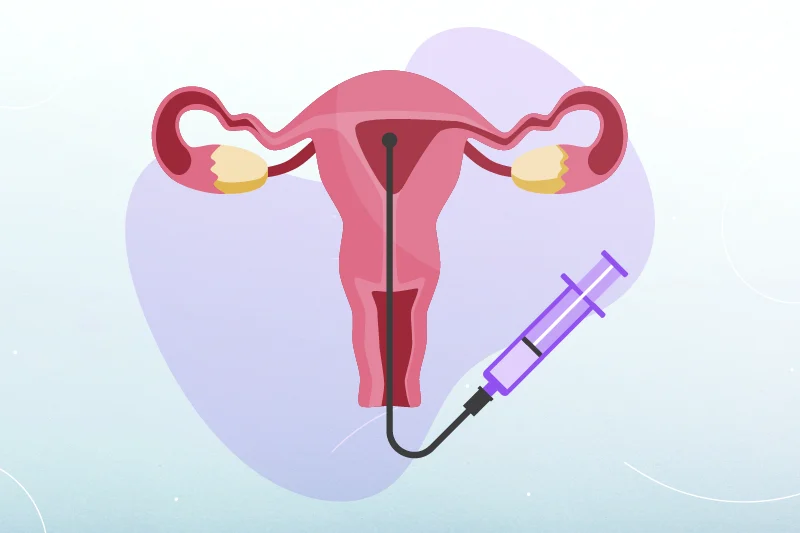
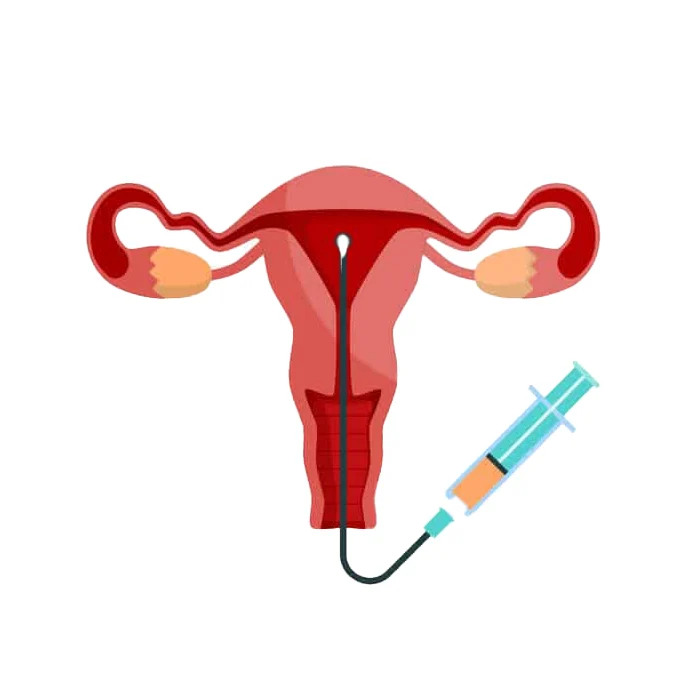
    illustration of a uterus with a syringe for intrauterine insemination (IUI) procedure

    The Importance of Counseling: Intrauterine Insemination vs In Vitro Fertilization

    Another important aspect of counseling is addressing the emotional and psychological impact of fertility treatments. It is common for couples to experience feelings of stress, anxiety, and disappointment during the process, as well as conflicts within their relationship. Counseling can offer coping strategies and support for couples to navigate these emotions and maintain a healthy relationship.

    Moreover, counseling can also help couples manage any potential ethical or moral concerns they may have about the fertility treatment process. For example, some couples may have reservations about the use of fertility drugs or the selection of embryos during IVF. A counselor can provide a non-judgmental space for couples to discuss these concerns and make decisions that align with their personal values and beliefs.

    In addition to individual counseling, couples can also benefit from attending counseling sessions together. This can help improve communication and strengthen their relationship, as well as provide a support system for both partners during the fertility treatment process.

    In conclusion, counseling plays a crucial role in the decision-making process for couples considering IUI or IVF. It provides a safe and supportive space for couples to explore their options, understand the potential risks and benefits, and address any emotional or ethical concerns they may have. By seeking counseling, couples can make informed decisions and feel more prepared for the journey to parenthood, whatever path they may choose.

    Summary: Counseling is essential for couples considering fertility treatments such as Intrauterine Insemination (IUI) or In Vitro Fertilization (IVF). These procedures have distinct differences and it is important for couples to understand them before making a decision. Counseling can help couples explore their options, understand the potential risks and benefits, and address any emotional or ethical concerns. It can also provide support for individuals and strengthen the relationship between partners.

  • Intrauterine Insemination vs In Vitro Fertilization: A Global Comparison

    Intrauterine insemination (IUI) and in vitro fertilization (IVF) are two of the most commonly used fertility treatments for couples struggling with infertility. While both techniques involve the use of assisted reproductive technology (ART), they differ in terms of procedure, cost, and success rates. In this blog post, we will explore the similarities and differences between IUI and IVF, as well as compare their availability and success rates on a global scale.

    What is Intrauterine Insemination (IUI)?

    Intrauterine insemination, also known as artificial insemination, is a fertility treatment where sperm is placed directly into the woman’s uterus during ovulation. This procedure is often recommended for couples with unexplained infertility, mild male factor infertility, or for same-sex female couples using a donor’s sperm.

    The IUI procedure involves the collection and processing of the male partner’s sperm sample. The sperm is then inserted into the woman’s uterus using a thin catheter. This procedure is relatively simple and can be performed in a doctor’s office without the need for anesthesia.

    What is In Vitro Fertilization (IVF)?

    In vitro fertilization, on the other hand, is a more complex and invasive procedure. It involves the stimulation of a woman’s ovaries to produce multiple eggs, which are then retrieved and fertilized in a laboratory with the male partner’s sperm. The fertilized eggs, or embryos, are then transferred back into the woman’s uterus.

    IVF is recommended for couples with more complex infertility issues, such as blocked fallopian tubes, severe male factor infertility, or for women with certain medical conditions that affect fertility. This procedure requires close monitoring and multiple doctor visits, and it is usually done under anesthesia.

    Cost Comparison: IUI vs IVF

    The cost of fertility treatments can vary greatly depending on the country and clinic. However, in general, IVF is a more costly procedure compared to IUI. According to the American Society for Reproductive Medicine, the average cost of one cycle of IUI is around $865, while IVF can cost anywhere between $12,000 to $15,000 per cycle.

    Global Availability: IUI vs IVF

    illustration of a uterus with a syringe, representing intrauterine insemination procedure

    Intrauterine Insemination vs In Vitro Fertilization: A Global Comparison

    Both IUI and IVF are widely available in many countries around the world. However, there are some regions where one procedure may be more accessible than the other. For example, in countries with limited resources and infrastructure, IUI may be the only available fertility treatment due to its simplicity and lower cost.

    In contrast, IVF is more commonly available in developed countries with advanced medical technology and higher healthcare spending. However, there are efforts being made to increase access to IVF in developing countries, such as the World Health Organization’s initiative to promote low-cost IVF techniques.

    Success Rates: IUI vs IVF

    The success rates of IUI and IVF can vary greatly depending on various factors such as age, cause of infertility, and the quality of the sperm and eggs. Generally, IVF has a higher success rate compared to IUI, with the chance of a successful pregnancy ranging from 30-35% per cycle for IVF, compared to 10-20% for IUI.

    However, it is important to note that success rates can also be affected by the experience and skill of the healthcare providers and the quality of the clinic. Therefore, it is crucial to choose a reputable and experienced fertility clinic for both IUI and IVF procedures.

    A Global Comparison: IUI vs IVF

    When it comes to global comparison, both IUI and IVF are widely available in developed countries such as the United States, Canada, and European countries. However, there are some differences in the usage and success rates of these procedures in various regions of the world.

    For example, in Asian countries such as Japan and South Korea, IUI is more commonly used compared to IVF, as cultural factors may discourage couples from using more invasive procedures. In Latin American countries, IVF is more commonly used, with higher success rates compared to IUI.

    In African countries, the availability and usage of both IUI and IVF are relatively low due to limited resources and societal stigma surrounding infertility. However, there are efforts being made to increase access and awareness of these procedures in Africa.

    In conclusion, both IUI and IVF are effective fertility treatments that have helped countless couples achieve their dream of starting a family. While IVF may have a higher success rate, IUI is a more affordable and less invasive option for couples with less complex infertility issues. The availability and success rates of these procedures may vary globally, but with advancements in technology and increasing awareness, more and more couples around the world are being able to benefit from these fertility treatments.

    In summary, IUI and IVF are two of the most commonly used fertility treatments, with IUI being a less invasive and more affordable option compared to IVF. The availability and success rates of these procedures may vary globally, with IVF being more accessible in developed countries, and IUI being more commonly used in regions with limited resources. However, with advancements in technology and efforts to increase access and awareness, both IUI and IVF are helping couples around the world fulfill their dream of starting a family.

  • The Role of Religion: Intrauterine Insemination vs In Vitro Fertilization

    Religion has long been a powerful force in shaping societal beliefs and practices, including those related to fertility and reproduction. In modern times, advancements in reproductive technology have raised ethical questions and sparked debates within various religious communities. Two popular methods of assisted reproduction, intrauterine insemination (IUI) and in vitro fertilization (IVF), have been particularly controversial due to their use of medical interventions to aid in conception. In this blog post, we will explore the role of religion in the context of IUI and IVF, and how different faiths approach these assisted reproductive technologies.

    First, let’s define IUI and IVF to better understand their differences. Intrauterine insemination involves placing washed and concentrated sperm directly into the uterus during a woman’s ovulation cycle. This method is often used for couples with fertility issues, but is also commonly used by single women and same-sex couples. In vitro fertilization, on the other hand, involves fertilizing an egg with sperm outside of the body, and then transferring the resulting embryos into the woman’s uterus for implantation. This method is more complex and expensive, and is typically used for couples with more severe fertility issues.

    Christianity is the largest religion in the world, with various denominations and beliefs. In general, most Christian denominations view assisted reproductive technologies as permissible as long as they do not involve the destruction of embryos. This stance is based on the belief that life begins at conception, and any destruction of embryos is seen as equivalent to abortion. Therefore, many Christians view IUI as an acceptable method, as it does not involve the creation or destruction of embryos. However, IVF is often viewed with more skepticism, as it involves the creation of multiple embryos, some of which may not survive the process. Some Christian denominations have specific guidelines on the number of embryos that can be created and the disposition of any unused embryos. The Catholic Church, for example, prohibits the creation of any excess embryos and calls for the respectful disposition of all embryos.

    In Judaism, there is a range of opinions on the use of assisted reproductive technologies. Orthodox Judaism generally allows for the use of IUI and IVF, as long as the sperm and egg are from the married couple and the creation of excess embryos is avoided. Conservative and Reform Judaism also generally allow for the use of these technologies, with Reform Judaism being the most liberal in its approach. However, some rabbis and scholars have raised concerns about the commodification of reproduction and the potential for exploitation of egg donors in the IVF process.

    In Islam, there is also a diversity of opinions on assisted reproductive technologies. Some Muslim scholars view IUI as permissible, as it does not involve the creation or destruction of embryos. However, there is more debate over the use of IVF, with some scholars allowing for it as long as the sperm and egg are from the married couple and the creation of excess embryos is avoided. Others view any form of assisted reproduction as going against the natural process of procreation and therefore not permissible in Islam.

    Comparison of IUI and IVF with illustrations of each procedure.

    The Role of Religion: Intrauterine Insemination vs In Vitro Fertilization

    Hinduism, like other religions, has varying opinions on assisted reproductive technologies. In general, Hinduism emphasizes the importance of procreation and the continuation of family lineage. Therefore, many Hindus view IUI and IVF as acceptable methods for couples struggling with infertility. However, there is also a belief in karma and the idea that children should be conceived through natural means. Some Hindu practitioners may view assisted reproduction as interfering with this natural process.

    Buddhism, with its emphasis on compassion and non-harming, generally allows for the use of assisted reproductive technologies. However, some scholars have raised ethical concerns about the creation and destruction of excess embryos in the IVF process. They argue that this goes against the Buddhist principle of non-harming and may lead to the suffering of potential life forms.

    In conclusion, the role of religion in the context of IUI and IVF is complex and varies greatly between different faiths. While some religions may view these methods as permissible, others may have reservations or outright prohibitions. The ethical implications of assisted reproductive technologies are a topic of ongoing debate within religious communities, and it is important for individuals to consult with their faith leaders and consider their own beliefs before making decisions about these methods.

    Summary:

    Religion plays a significant role in shaping societal beliefs and practices related to fertility and reproduction. In the context of assisted reproductive technologies, such as intrauterine insemination (IUI) and in vitro fertilization (IVF), different religions have varying stances and opinions. While some view these methods as permissible, others may have reservations or prohibitions based on beliefs about the beginning of life and the ethical implications of these technologies. Ultimately, individuals must consider their own religious beliefs and consult with their faith leaders when making decisions about assisted reproduction.

  • Exploring the Ethics: Intrauterine Insemination vs In Vitro Fertilization

    Blog Post Title: Exploring the Ethics: Intrauterine Insemination vs In Vitro Fertilization

    Introduction:
    In today’s world, there are many different options available for couples who are struggling with infertility. Two common methods are Intrauterine Insemination (IUI) and In Vitro Fertilization (IVF). Both of these procedures involve assisted reproductive technology and have been successful in helping couples conceive. However, along with the medical and scientific advancements, there are also ethical considerations that come into play when it comes to these methods of conception. In this blog post, we will explore the ethics behind IUI and IVF, and how they differ from each other.

    Definition and Process of IUI:
    Intrauterine Insemination, also known as artificial insemination, involves placing washed sperm directly into a woman’s uterus during her ovulation period. This process is typically used when a couple is having difficulty conceiving due to issues with sperm quality or quantity. The sperm is collected from the male partner or a donor, washed and prepared before being inserted into the uterus. This procedure is relatively simple and can be done in a doctor’s office without the need for anesthesia.

    Definition and Process of IVF:
    In Vitro Fertilization, on the other hand, is a more complex procedure that involves fertilizing an egg with sperm in a laboratory setting. The process starts with the female partner undergoing hormonal injections to stimulate the ovaries to produce multiple eggs. Once the eggs are mature, they are retrieved from the ovaries and combined with sperm in a petri dish. After fertilization, the embryo is then transferred back into the woman’s uterus, where it can hopefully implant and result in a pregnancy. IVF is often used when there are issues with the woman’s fallopian tubes, or when other fertility treatments have not been successful.

    The Ethical Considerations of IUI:
    One of the main ethical concerns with IUI is the potential for multiple pregnancies. Since the procedure involves placing washed sperm directly into the uterus, there is a higher chance of multiple eggs being fertilized and resulting in a multiple pregnancy. While some couples may see this as a blessing, it can also lead to high-risk pregnancies and complications for both the mother and the babies. Additionally, there is the issue of donor sperm and the ethical implications that come with choosing a donor. Some may argue that using donor sperm goes against traditional views of conception and raises questions about the child’s identity and genetic heritage.

    Illustration of the uterus with a syringe, depicting the intrauterine insemination procedure.

    Exploring the Ethics: Intrauterine Insemination vs In Vitro Fertilization

    The Ethical Considerations of IVF:
    IVF also raises ethical concerns, particularly with the use of donor eggs or sperm. In this case, the child may not have a genetic connection to one or both of their parents, which can raise questions about identity and family dynamics. There are also concerns about the potential for unused embryos, as not all embryos that are created during the IVF process are transferred back into the uterus. Some may be discarded, while others may be kept frozen for future use. This raises ethical questions about the value and status of these embryos and what should be done with them.

    Another ethical consideration with IVF is the cost. This procedure can be expensive, and not all couples can afford it. This creates a divide between those who have the financial means to pursue IVF and those who do not, which can lead to feelings of injustice and inequality.

    The Role of Religion:
    Religion also plays a significant role in the ethical considerations of both IUI and IVF. Some religious beliefs view these methods of assisted reproduction as interfering with the natural process of conception and therefore, go against their beliefs. This can create a moral dilemma for couples who are struggling with infertility and are seeking treatment. They may feel conflicted between their desire to have a child and their religious beliefs.

    The Importance of Informed Consent:
    One crucial factor that applies to both IUI and IVF is the importance of informed consent. Both procedures involve complex medical and ethical considerations, and it is crucial for couples to fully understand the risks, benefits, and potential outcomes before making a decision. It is the responsibility of the medical professionals to provide thorough and accurate information and for the couple to ask questions and make an informed decision based on their values and beliefs.

    Conclusion:
    In conclusion, both IUI and IVF are effective methods of assisted reproduction, but they come with their own set of ethical considerations. Whether it is the potential for multiple pregnancies, the use of donor sperm or eggs, the cost, or religious beliefs, couples must carefully consider these factors before deciding on a course of action. It is also essential for medical professionals to follow ethical guidelines and provide informed consent to ensure that couples are fully aware of the implications of these procedures.

    Summary:
    Intrauterine Insemination (IUI) and In Vitro Fertilization (IVF) are two common methods of assisted reproduction that have helped many couples conceive. However, along with the medical and scientific advancements, there are also ethical considerations that come into play when it comes to these methods of conception. Some of the ethical concerns include the potential for multiple pregnancies, the use of donor sperm or eggs, the cost, and religious beliefs. Both procedures also require informed consent to ensure that couples are fully aware of the implications and can make an informed decision based on their values and beliefs.

  • Intrauterine Insemination vs In Vitro Fertilization: A LGBTQ+ Perspective

    Intrauterine Insemination vs In Vitro Fertilization: A LGBTQ+ Perspective

    For many LGBTQ+ individuals and couples, starting a family can be a complex and emotional journey. With advances in reproductive technology, there are now various options available for LGBTQ+ individuals and couples who wish to conceive a child. Two of the most common methods are intrauterine insemination (IUI) and in vitro fertilization (IVF). In this blog post, we will explore the differences between IUI and IVF and how they can benefit LGBTQ+ individuals and couples in their quest to become parents.

    What is Intrauterine Insemination (IUI)?

    IUI, also known as artificial insemination, is a fertility treatment that involves placing washed and concentrated sperm directly into the uterus, bypassing the cervix. This procedure is typically done during ovulation, and it can be performed with either the sperm of a partner or a donor. IUI is a simpler and less invasive procedure compared to IVF and is often the first choice for LGBTQ+ individuals and couples who are trying to conceive.

    Advantages of IUI for LGBTQ+ Individuals and Couples

    One of the main advantages of IUI for LGBTQ+ individuals and couples is that it allows for the use of donor sperm. This means that same-sex female couples or single women can have a child with the help of a sperm donor. For same-sex male couples, IUI can also be an option if one partner has viable sperm. Additionally, IUI is less expensive and less invasive than IVF, making it a more accessible option for many LGBTQ+ individuals and couples.

    What is In Vitro Fertilization (IVF)?

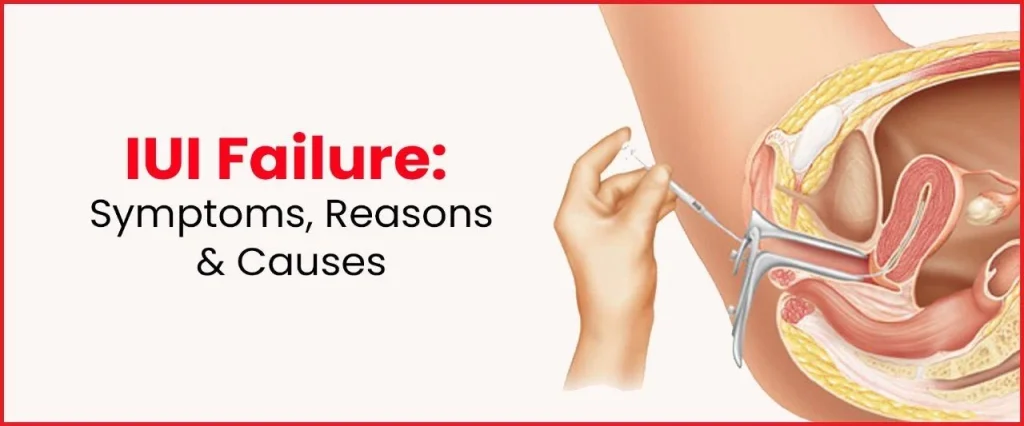
    illustration of IUI procedure with text on symptoms, reasons, and causes of IUI failure

    Intrauterine Insemination vs In Vitro Fertilization: A LGBTQ+ Perspective

    IVF involves retrieving eggs from the ovaries and fertilizing them with sperm in a laboratory setting. The resulting embryos are then transferred into the uterus, where they can implant and develop into a pregnancy. This procedure is more complex and expensive than IUI and is typically recommended for individuals or couples who have been unsuccessful with other fertility treatments.

    Advantages of IVF for LGBTQ+ Individuals and Couples

    For LGBTQ+ individuals and couples, IVF offers several advantages. First, it allows for the use of a surrogate, which can be a viable option for same-sex male couples or single men who wish to have a biological child. Additionally, IVF can also be used in conjunction with donor eggs or sperm, making it a viable option for same-sex female couples or single women. IVF also has a higher success rate compared to IUI, making it a more reliable option for those who have struggled with fertility issues.

    Factors to Consider for LGBTQ+ Individuals and Couples

    When deciding between IUI and IVF, there are several factors that LGBTQ+ individuals and couples should consider. One important factor is the cost. While IUI is generally less expensive than IVF, it may not be covered by insurance, and the cost of sperm or egg donors can also add up. IVF, on the other hand, can be more expensive, but some insurance plans may cover a portion of the cost. It is important to research and compare the costs of each option before making a decision.

    Another factor to consider is the success rate. While IVF has a higher success rate compared to IUI, it also involves more invasive procedures and potential side effects. It is essential to discuss these risks with a fertility specialist and carefully weigh them against the potential benefits.

    Lastly, LGBTQ+ individuals and couples should also consider the emotional and psychological impact of each procedure. Both IUI and IVF can be emotionally taxing, and it is crucial to have a strong support system and open communication with a healthcare provider throughout the process.

    In conclusion, both IUI and IVF can be viable options for LGBTQ+ individuals and couples who wish to start a family. Each procedure has its own advantages and considerations, and it is important to consult with a fertility specialist to determine the best option for each unique situation. With the help of modern reproductive technology, LGBTQ+ individuals and couples can fulfill their dreams of becoming parents and creating a loving, diverse family.

  • Exploring the Legal Side: Intrauterine Insemination vs In Vitro Fertilization

    Exploring the Legal Side: Intrauterine Insemination vs In Vitro Fertilization

    In recent years, the advancements in reproductive technology have opened up new possibilities for couples struggling with infertility. Intrauterine insemination (IUI) and in vitro fertilization (IVF) are two of the most commonly used assisted reproductive techniques. While both procedures have proven to be effective in helping couples achieve their dream of having a child, there are legal considerations that need to be taken into account when it comes to these fertility treatments. In this blog post, we will delve into the legal side of IUI and IVF, discussing the potential legal implications and considerations for couples considering these procedures.

    Understanding Intrauterine Insemination (IUI)

    Intrauterine insemination, also known as artificial insemination, is a relatively simple and non-invasive fertility treatment. It involves placing sperm directly into a woman’s uterus during her ovulation period, increasing the chances of fertilization. The procedure can be done with the use of a donor sperm or the partner’s sperm, depending on the couple’s specific needs.

    Legal Considerations for IUI

    When it comes to IUI, the most significant legal consideration is the use of donor sperm. Many couples opt for donor sperm when the male partner’s sperm is not viable or in the case of same-sex couples. In these cases, it is essential to have a legal agreement in place between the donor and the intended parent(s). This agreement should outline the donor’s rights and responsibilities, as well as the intended parent(s)’ rights to the child.

    Another legal consideration for IUI is the potential for multiple pregnancies. Since IUI involves placing sperm directly into the uterus, there is a higher chance of multiple eggs being fertilized. This could result in the birth of twins, triplets, or more. In these cases, it is essential to have a legal agreement in place outlining the rights and responsibilities of the intended parent(s) and potential legal issues that may arise from multiple pregnancies.

    Understanding In Vitro Fertilization (IVF)

    In vitro fertilization is a more complex fertility treatment that involves retrieving eggs from a woman’s ovaries and fertilizing them with sperm in a laboratory setting. The fertilized eggs, known as embryos, are then transferred into the woman’s uterus, increasing the chances of pregnancy.

    Illustration of a uterus with a syringe indicating an intrauterine insemination procedure.

    Exploring the Legal Side: Intrauterine Insemination vs In Vitro Fertilization

    Legal Considerations for IVF

    Similar to IUI, the use of donor sperm or eggs in IVF raises legal considerations that need to be addressed. In addition to the agreement between the donor and intended parent(s), there may also be legal implications regarding the anonymity of the donor and the rights of the child to know their genetic origins. Laws and regulations surrounding these issues vary from state to state, so it is essential to consult with a legal professional familiar with reproductive law.

    Another legal consideration for IVF is the creation, storage, and potential disposal of embryos. In cases where multiple embryos are created, there may be ethical and legal implications regarding the fate of unused embryos. It is crucial for couples to have a clear understanding of their rights and options for their embryos before undergoing the IVF process.

    The Role of Legal Contracts

    In both IUI and IVF, it is essential to have legal contracts in place to protect the rights of all parties involved. These contracts can outline the responsibilities and obligations of the donor, intended parent(s), and the fertility clinic. They can also address issues such as custody, privacy, and financial arrangements.

    The Importance of Legal Counsel

    Navigating the legal side of IUI and IVF can be complicated, and it is crucial to seek the advice of a legal professional before embarking on these fertility treatments. An experienced reproductive law attorney can help couples understand their rights and responsibilities, draft legal agreements, and ensure that all legal requirements are met.

    In conclusion, while IUI and IVF offer hope for couples struggling with infertility, it is essential to consider the legal implications and seek the guidance of a legal professional. Having clear legal agreements in place can help protect the rights of all parties involved and ensure a smooth and successful fertility journey.

    Summary:

    Intrauterine insemination (IUI) and in vitro fertilization (IVF) are two commonly used assisted reproductive techniques for couples struggling with infertility. However, there are legal considerations that need to be taken into account for these procedures, such as the use of donor sperm or eggs, potential for multiple pregnancies, and the creation, storage, and disposal of embryos. Legal contracts and the guidance of a legal professional are crucial in navigating the legal side of IUI and IVF.

  • The Impact of Insurance: Intrauterine Insemination vs In Vitro Fertilization

    Blog Post Title: The Impact of Insurance: Intrauterine Insemination vs In Vitro Fertilization

    Summary:

    Infertility is a common issue that affects many couples around the world. With advancements in medical technology, there are now various treatments available to help couples conceive. Two of the most popular treatments are Intrauterine Insemination (IUI) and In Vitro Fertilization (IVF). However, these treatments can be costly, and many couples struggle with the financial burden. This has led to the question of whether insurance coverage should be offered for these procedures.

    This blog post will explore the impact of insurance coverage for IUI and IVF. We will discuss the differences between these treatments, their success rates, and the cost associated with them. We will also examine the current state of insurance coverage for these procedures and the potential impact of offering coverage.

    Intrauterine Insemination (IUI) is a fertility treatment where sperm is placed directly into the uterus during ovulation. This procedure is less invasive and less expensive compared to IVF. It is often the first option for couples who are struggling to conceive. The success rate of IUI varies depending on factors such as age and underlying fertility issues, but it is generally lower than IVF.

    On the other hand, In Vitro Fertilization (IVF) involves retrieving eggs from the ovaries and fertilizing them with sperm in a laboratory. The fertilized eggs are then transferred to the uterus for implantation. IVF is a more complex and invasive procedure, and it has a higher success rate compared to IUI. However, it is also significantly more expensive.

    comparison of IUI and IVF fertility treatments with illustrations of procedures and a petri dish with an egg and sperm

    The Impact of Insurance: Intrauterine Insemination vs In Vitro Fertilization

    The cost of IUI and IVF can be a major barrier for couples seeking these treatments. On average, one cycle of IUI can cost between $500 to $4,000, while a single round of IVF can cost between $10,000 to $15,000. In some cases, multiple cycles of these treatments may be required, increasing the overall cost. This financial burden can cause stress and strain on couples, both emotionally and financially.

    Currently, insurance coverage for fertility treatments varies greatly. Some insurance plans cover a portion of the cost for IUI and IVF, while others provide no coverage at all. This lack of coverage can be frustrating for couples, especially when facing infertility issues. The cost of these procedures can be a significant barrier for many, making it challenging to access necessary treatment.

    The impact of insurance coverage for fertility treatments is significant. Access to these treatments can greatly improve the chances of conceiving for couples struggling with infertility. By offering coverage for IUI and IVF, more couples will have access to these treatments, increasing their chances of success.

    Moreover, offering insurance coverage for fertility treatments can also have a positive impact on society. Infertility can lead to emotional distress, and for many, it is a traumatic experience. By providing coverage for these treatments, couples can focus on their journey to parenthood without the added stress of financial concerns. This can lead to a healthier and happier society.

    Another crucial point to consider is the cost-effectiveness of offering insurance coverage for fertility treatments. While these procedures may seem expensive, the long-term costs of infertility can be even higher. Infertility can lead to the need for more extensive and costly medical interventions, such as fertility drugs, surgeries, and even adoption. By covering IUI and IVF, insurance companies can save money in the long run.

    In conclusion, the impact of insurance coverage for IUI and IVF is significant. It can provide much-needed financial relief for couples struggling with infertility and increase their chances of conceiving. It can also have a positive impact on society and be cost-effective for insurance companies in the long run. As infertility continues to affect many couples, it is crucial for insurance companies to consider offering coverage for these treatments.

  • Intrauterine Insemination vs In Vitro Fertilization: A Personal Story

    Intrauterine Insemination (IUI) and In Vitro Fertilization (IVF) are two commonly used fertility treatments for couples struggling to conceive. These assisted reproductive technologies (ART) offer hope to those facing infertility, but they differ in their procedures and success rates. As someone who has personally gone through both IUI and IVF, I want to share my story and compare these two treatments.

    My husband and I had been trying to conceive for over a year without success. After various tests and consultations, we were diagnosed with unexplained infertility. Our doctor recommended starting with IUI, a less invasive and less expensive option compared to IVF. I was hopeful and excited, but also nervous about what the process would entail.

    IUI involves placing washed and concentrated sperm directly into the uterus during ovulation. This procedure can be done with or without fertility drugs. In our case, we opted for the use of fertility drugs to increase the chances of ovulation and pregnancy. The process was simple and painless, and we were able to do it at our doctor’s office. However, it did require frequent visits for ultrasounds and monitoring to determine the best time for the procedure.

    Unfortunately, our first IUI cycle was unsuccessful. We were disappointed, but our doctor reassured us that it often takes multiple cycles to achieve pregnancy. So, we tried again the following month, and this time, we were successful! I was overjoyed when we saw those two pink lines on the pregnancy test. However, our happiness was short-lived as I experienced a miscarriage at six weeks. It was devastating, but we didn’t lose hope and decided to try IUI again.

    After three failed IUI cycles, our doctor suggested moving on to IVF. IVF involves retrieving eggs from the ovaries and fertilizing them with sperm in a laboratory. The resulting embryos are then transferred back into the uterus. This process is more invasive and expensive compared to IUI, but it also has a higher success rate.

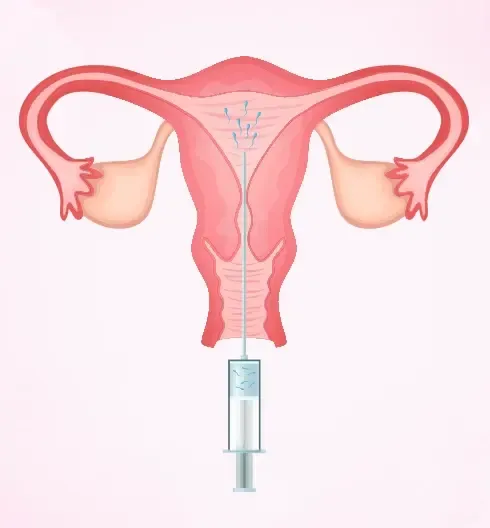
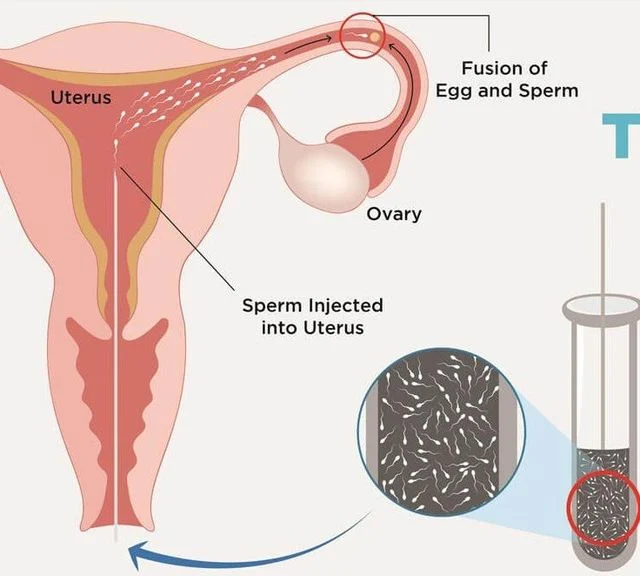
    Diagram illustrating the IUI process, showing sperm injection into the uterus and egg fertilization.

    Intrauterine Insemination vs In Vitro Fertilization: A Personal Story

    The thought of IVF was daunting, but we knew it was our best chance of conceiving. The process began with daily hormone injections to stimulate my ovaries and produce multiple eggs. This was followed by egg retrieval under sedation, which was a bit uncomfortable but not overly painful. The retrieved eggs were then fertilized with my husband’s sperm in the lab, and we waited for five days for the embryos to develop.

    The embryo transfer was the most nerve-wracking part of the IVF process. We had four embryos, and our doctor recommended transferring two to increase our chances of success. The procedure was quick and painless, and we were able to see the embryos on the ultrasound screen. The two-week wait to find out if the transfer was successful was the longest two weeks of my life. But when we got the call that I was pregnant, we were overjoyed and grateful.

    Our IVF journey was not without its challenges. I had to administer daily hormone injections and go through numerous appointments and procedures. The emotional toll was also significant, with the constant rollercoaster of hope and disappointment. But it was all worth it when we welcomed our beautiful twin girls into the world.

    Looking back, I can see the differences between IUI and IVF and how they impacted our journey. IUI was a less invasive and less expensive option, but it also had a lower success rate. IVF, on the other hand, was more physically and emotionally demanding, but it gave us our miracle babies. I believe that both treatments have their place in the world of fertility treatments, and the choice should be based on individual circumstances and preferences.

    In summary, Intrauterine Insemination (IUI) and In Vitro Fertilization (IVF) are two popular fertility treatments that offer hope to couples facing infertility. IUI is a less invasive and less expensive option, while IVF is more invasive and expensive but has a higher success rate. As someone who has gone through both treatments, I believe that each has its own benefits and drawbacks, and the decision should be made based on individual factors.

  • The Impact of Lifestyle: Intrauterine Insemination vs In Vitro Fertilization

    Blog Post: The Impact of Lifestyle: Intrauterine Insemination vs In Vitro Fertilization

    In today’s world, many couples face challenges when trying to conceive a child. The rise in infertility rates has led to advancements in assisted reproductive technologies (ART) such as intrauterine insemination (IUI) and in vitro fertilization (IVF). These procedures have become popular options for couples struggling with fertility issues, but they have distinct differences that can greatly impact a person’s lifestyle. In this blog post, we will explore the impact of lifestyle on couples considering IUI and IVF as fertility treatment options.

    Understanding Intrauterine Insemination (IUI)

    IUI is a form of fertility treatment where sperm is placed directly into a woman’s uterus during ovulation. This procedure is commonly used for couples with unexplained infertility, mild male factor infertility, or in cases where the woman has issues with ovulation. One of the main advantages of IUI is that it is a less invasive and less expensive option compared to IVF. It also allows for the use of the male partner’s sperm, which can be a more natural and intimate experience for couples.

    The Impact of Lifestyle on IUI

    One of the key factors that can affect the success of IUI is a person’s lifestyle. For example, being overweight or underweight can impact the body’s hormone levels, making it more difficult to conceive. Similarly, smoking, excessive alcohol consumption, and drug use can also decrease fertility and reduce the chances of IUI success. It is essential for couples considering IUI to adopt a healthy lifestyle, including a balanced diet and regular exercise, to increase their chances of success.

    The Emotional Impact of IUI

    IUI can be an emotional rollercoaster for couples. The process of trying to conceive can be stressful, and the uncertainty of whether the treatment will be successful can take a toll on a person’s mental well-being. It is important for couples to have a strong support system and to communicate openly with each other throughout the process. Seeking counseling or joining a support group can also be beneficial for couples going through IUI.

    Understanding In Vitro Fertilization (IVF)

    Diagram illustrating the IUI process, showing sperm injection into the uterus and egg fertilization.

    The Impact of Lifestyle: Intrauterine Insemination vs In Vitro Fertilization

    IVF is a more complex fertility treatment that involves retrieving eggs from the woman’s ovaries and fertilizing them with sperm in a laboratory. The resulting embryos are then transferred to the woman’s uterus for implantation. This procedure is typically recommended for couples with more severe fertility issues, such as blocked fallopian tubes, advanced maternal age, or severe male factor infertility.

    The Impact of Lifestyle on IVF

    Unlike IUI, lifestyle factors have less of an impact on the success of IVF. However, maintaining a healthy lifestyle is still essential for improving the chances of a successful pregnancy. A balanced diet, regular exercise, and avoiding harmful substances can contribute to a more favorable outcome. Additionally, managing stress levels and having a positive mindset can also play a crucial role in the success of IVF.

    The Emotional Impact of IVF

    IVF can be a physically and emotionally taxing experience for couples. The process involves numerous appointments, medications, and procedures, which can be overwhelming and stressful. The financial burden of IVF can also add to the emotional toll on couples. It is crucial for couples to communicate openly with each other and seek support from friends, family, or a therapist to cope with the emotional impact of IVF.

    Comparing IUI and IVF

    When it comes to the impact of lifestyle, IUI and IVF have their differences. IUI is a less invasive and less expensive option, but lifestyle factors can significantly affect its success. On the other hand, IVF is a more complex and costly procedure, but lifestyle factors have less impact on its success. Ultimately, the decision between IUI and IVF will depend on a couple’s specific fertility issues, their budget, and their lifestyle.

    In conclusion, lifestyle plays a crucial role in the success of both IUI and IVF. It is essential for couples to adopt a healthy lifestyle and manage their emotional well-being throughout the process of trying to conceive. Seeking support from loved ones and healthcare professionals can make a significant difference in the journey towards parenthood. It is also important to remember that every person’s fertility journey is unique, and what works for one couple may not work for another.

    Summary:

    Infertility can be a challenging issue for many couples, leading them to consider assisted reproductive technologies such as intrauterine insemination (IUI) and in vitro fertilization (IVF). These procedures have different impacts on a person’s lifestyle, with IUI being less invasive and expensive but susceptible to lifestyle factors, and IVF being more costly but less affected by lifestyle. It is crucial for couples to maintain a healthy lifestyle and seek support throughout their fertility journey.