Author: mutony

  • Fertility Tracking for the Modern Couple: Apps vs Traditional Tools

    Blog Post: Fertility Tracking for the Modern Couple: Apps vs Traditional Tools

    In today’s fast-paced world, many modern couples are turning to technology for assistance in various aspects of their lives, including family planning. Fertility tracking, which involves monitoring and recording a woman’s menstrual cycle to determine the most fertile days for conception, is no exception. With the rise of smartphone apps and other digital tools, many couples are now faced with the dilemma of whether to use traditional methods or rely on technology for fertility tracking. In this blog post, we will explore the pros and cons of both options and help you decide which approach is best for you and your partner.

    Traditional Tools: The Basics

    For centuries, women have been using traditional tools such as the calendar method, basal body temperature (BBT) charting, and cervical mucus monitoring to track their fertility. These methods are based on the natural changes that occur in a woman’s body during her menstrual cycle. The calendar method involves tracking the length of a woman’s menstrual cycle and determining the most fertile days based on past cycles. BBT charting involves taking a woman’s temperature every morning before getting out of bed to detect a slight rise that occurs after ovulation. Cervical mucus monitoring involves observing changes in the consistency and amount of cervical mucus, which can indicate the most fertile days of a woman’s cycle. These methods are simple and inexpensive, making them accessible to most couples.

    Pros and Cons of Traditional Tools

    One of the biggest advantages of traditional fertility tracking tools is that they do not require any special equipment or technology. They can also be used discreetly without anyone else knowing. Additionally, these methods can be empowering for women as they help them understand their bodies and take control of their reproductive health. However, they do have some limitations. Traditional methods may not be accurate for women with irregular cycles or those who are breastfeeding or going through menopause. They also require a high level of commitment and consistency in tracking, which can be challenging for some individuals.

    Apps: The Modern Approach

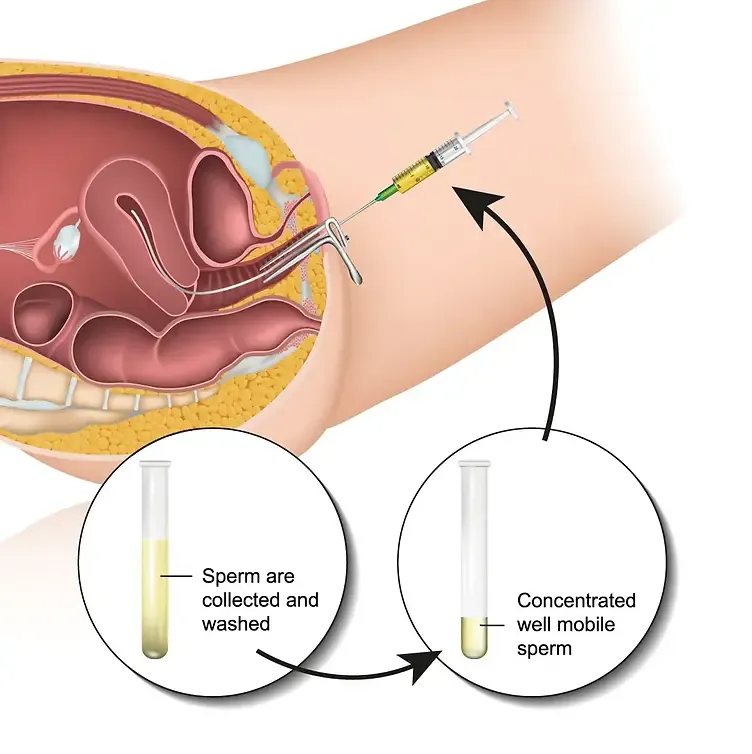
    test tube with sperm in blue liquid, promoting IUI success rate and factors influencing fertility.

    Fertility Tracking for the Modern Couple: Apps vs Traditional Tools

    With the rise of technology, many fertility tracking apps have emerged in recent years. These apps use algorithms and data input by the user to predict the most fertile days for conception. They often come with additional features such as period and symptom tracking, personalized insights, and community support. Some apps even offer the option to connect with a fertility specialist for personalized guidance and advice. Fertility tracking apps are convenient and easily accessible, making them a popular choice among modern couples.

    Pros and Cons of Apps

    One of the biggest advantages of fertility tracking apps is their convenience and ease of use. With just a few taps on your smartphone, you can track your cycle and receive personalized insights. These apps also make it easier to detect patterns and changes in your cycle over time. Additionally, some apps offer a more comprehensive approach to fertility tracking, including tracking ovulation symptoms and providing personalized recommendations for improving fertility. However, like any technology, these apps are not foolproof and can sometimes provide inaccurate predictions. They also come with a monthly or yearly subscription fee, which can add up over time.

    Traditional Tools vs Apps: Which is Best for You?

    Ultimately, the decision between traditional tools and apps for fertility tracking will depend on your personal preferences and needs. If you are someone who prefers a more natural and low-tech approach, traditional tools may be the best option for you. On the other hand, if you enjoy the convenience and added features of technology, fertility tracking apps may be the way to go. It is also worth considering combining both methods for a more comprehensive approach to fertility tracking.

    Summary:

    In this blog post, we have discussed the pros and cons of traditional tools versus fertility tracking apps for modern couples. Traditional tools such as the calendar method, BBT charting, and cervical mucus monitoring are simple, inexpensive, and empowering for women, but may have limitations. On the other hand, fertility tracking apps offer convenience, personalized insights, and the option for additional support, but may not always be accurate and come with a subscription fee. Ultimately, the best approach will depend on personal preferences and needs, and combining both methods may provide a more comprehensive approach to fertility tracking.
  • The Accuracy Debate: Examining Fertility Tracking Apps and Traditional Methods

    Blog Post:

    The Accuracy Debate: Examining Fertility Tracking Apps and Traditional Methods

    With the increasing popularity of fertility tracking apps, the traditional methods of charting and monitoring one’s menstrual cycle have been called into question. Many women are turning to these apps as a more convenient and user-friendly way to track their fertility and plan for pregnancy. However, there is a growing debate over the accuracy of these apps compared to the traditional methods. In this blog post, we will examine the accuracy debate between fertility tracking apps and traditional methods, and explore the benefits and drawbacks of each.

    Fertility tracking apps have gained widespread popularity in recent years, with many claiming to offer a more comprehensive and convenient way to track fertility. These apps use algorithms and data input by the user, such as basal body temperature and cervical mucus observations, to predict ovulation and fertile days. They also often offer additional features such as period and symptom tracking, and personalized insights and advice. On the surface, these apps seem like a convenient and modern approach to fertility tracking. However, there are concerns about their accuracy and reliability.
    One of the main concerns with fertility tracking apps is their reliance on user input. Unlike traditional methods, where the woman charts her own observations on a physical chart, these apps require the user to manually input data. This leaves room for human error, as it is easy to forget to input data or to input incorrect information. Inaccurate data can lead to incorrect predictions and potentially affect a woman’s chances of conceiving. Furthermore, these apps often rely on standardized algorithms, which may not accurately reflect the unique patterns and rhythms of an individual’s menstrual cycle.

    Another factor that affects the accuracy of fertility tracking apps is the variability of women’s menstrual cycles. While traditional methods take into account the natural fluctuations and changes in a woman’s cycle, apps may not be able to accurately predict these variations. This can result in incorrect estimates of ovulation and fertile days, leading to potential frustration and disappointment for women trying to conceive. Additionally, some apps may not account for common factors that can affect a woman’s cycle, such as stress, illness, or changes in lifestyle or medication.

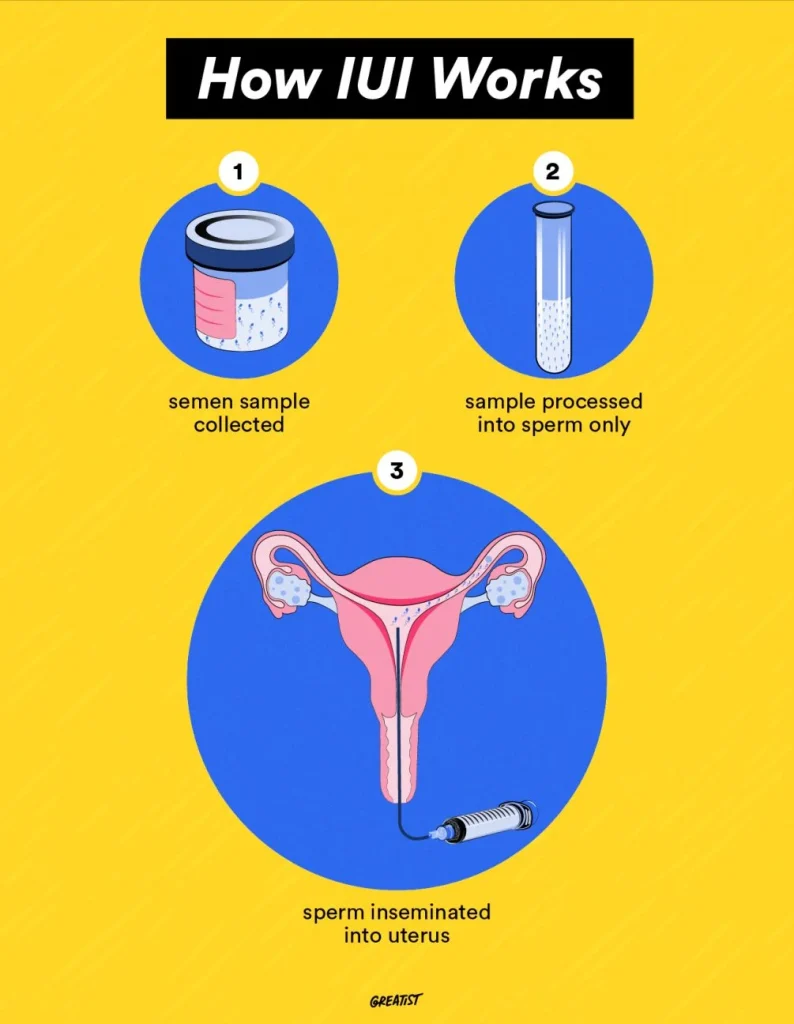
    illustration explaining the steps of intrauterine insemination (IUI) process on a bright yellow background

    The Accuracy Debate: Examining Fertility Tracking Apps and Traditional Methods

    On the other hand, traditional methods of fertility tracking, such as the sympto-thermal method and the Billings method, have been used for decades and have been proven to be effective in predicting ovulation and fertile days. These methods involve tracking physical changes in the body, such as basal body temperature and cervical mucus, and require the woman to be actively involved in the process. They also take into account individual variations and fluctuations in a woman’s cycle, making them more personalized and accurate. However, these methods also have their drawbacks.

    One of the main drawbacks of traditional fertility tracking methods is the time and effort required. Charting one’s cycle on a physical chart can be time-consuming and may not be practical for women with busy schedules. Additionally, these methods often require a learning curve and may be more difficult to understand and interpret compared to the user-friendly interfaces of fertility tracking apps. This can make it challenging for women to accurately track their fertility and may lead to frustration and confusion.

    Another factor to consider is the cost of traditional methods compared to fertility tracking apps. While most apps are free or have a minimal cost, traditional methods often require purchasing materials such as charts, thermometers, and instructional books or courses. This can add up over time and may be a barrier for some women who are looking for a more affordable option.

    In conclusion, the accuracy debate between fertility tracking apps and traditional methods is a complex and ongoing one. While apps offer convenience and modern features, they may not be as accurate as traditional methods that take into account individual variations and changes in a woman’s cycle. On the other hand, traditional methods may be more accurate but require more effort and may not be as user-friendly as apps. Ultimately, the choice between using an app or traditional method will depend on individual preferences and needs. It is important for women to carefully consider their options and choose the method that works best for them.

    Summary:

    The accuracy of fertility tracking apps and traditional methods is a topic of debate. While apps offer convenience and modern features, they may not be as accurate as traditional methods that take into account individual variations and changes in a woman’s cycle. On the other hand, traditional methods may be more accurate but require more effort and may not be as user-friendly as apps. Ultimately, the choice between using an app or traditional method will depend on individual preferences and needs. It is important for women to carefully consider their options and choose the method that works best for them.

  • Breaking Down Barriers: How Fertility Tracking Apps Are Empowering Women

    Breaking Down Barriers: How Fertility Tracking Apps Are Empowering Women

    In today’s world, women are taking control of their reproductive health and fertility like never before. With the rise of technology and the increasing popularity of fertility tracking apps, women now have more access to information and resources to help them better understand their bodies and plan for pregnancy. These apps are breaking down barriers and empowering women to take charge of their reproductive health in a way that was not possible before. In this blog post, we will discuss the evolution of fertility tracking apps, their benefits, and the ways in which they are empowering women.

    The Evolution of Fertility Tracking Apps

    Fertility tracking apps have come a long way since their inception. What started as a simple way to track menstrual cycles has now evolved into sophisticated tools that use advanced algorithms and data analysis to help women understand their fertility. These apps use various methods such as basal body temperature tracking, ovulation prediction, and cervical mucus analysis to help women identify their most fertile days and plan for pregnancy.

    One of the earliest fertility tracking apps, OvuView, was launched in 2009. This app allowed women to track their menstrual cycles and predict their ovulation dates. However, it lacked the advanced features and user-friendly interface that we see in today’s apps. With the rise of smartphones and the increasing demand for women-centric healthcare, more and more fertility tracking apps started to emerge. Today, there are numerous apps available on the market, each with unique features and benefits.

    The Benefits of Fertility Tracking Apps

    Fertility tracking apps offer a wide range of benefits to women. First and foremost, these apps provide accurate information about a woman’s menstrual cycle, allowing them to plan or prevent pregnancy accordingly. By tracking their menstrual cycles and identifying their most fertile days, women can either try to conceive or use contraception to avoid pregnancy.

    Moreover, these apps also help women better understand their bodies and their reproductive health. By tracking symptoms and changes in their bodies, women can identify potential issues and seek medical advice if needed. This not only empowers women to take charge of their health but also helps in early detection and treatment of any underlying conditions.

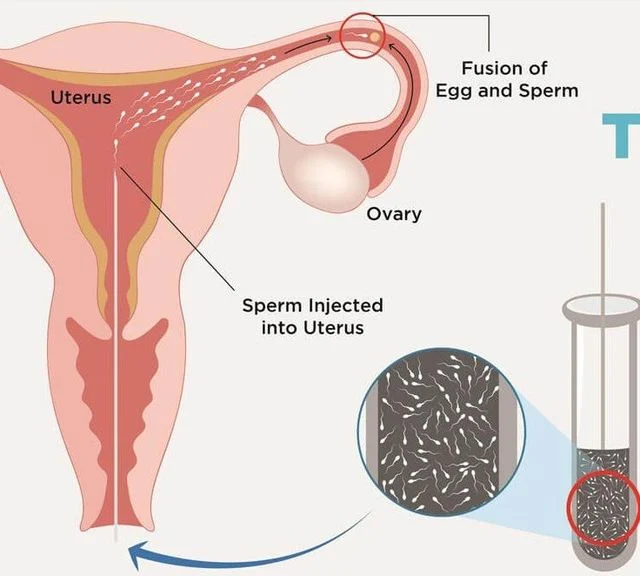
    Diagram illustrating the IUI process, showing sperm injection into the uterus and egg fertilization.

    Breaking Down Barriers: How Fertility Tracking Apps Are Empowering Women

    Fertility tracking apps also offer a sense of control and autonomy to women. In a world where women’s reproductive health has often been stigmatized and controlled by societal norms, these apps give women the power to make informed decisions about their bodies and fertility. This is especially beneficial for women who may face barriers in accessing traditional healthcare services due to factors such as cost, location, or cultural norms.

    Empowering Women Through Knowledge and Education

    One of the most significant ways in which fertility tracking apps are empowering women is through knowledge and education. These apps not only provide accurate information about a woman’s menstrual cycle but also offer educational resources and tools to help women better understand their bodies and fertility.

    Many fertility tracking apps have features such as in-app articles, videos, and forums where women can learn more about reproductive health, fertility, and pregnancy. This not only helps women make informed decisions but also encourages them to take an active role in their reproductive health.

    Breaking Down Barriers for Marginalized Communities

    In addition to providing knowledge and education, fertility tracking apps are also breaking down barriers for marginalized communities. For women who may not have access to traditional healthcare services, these apps offer a low-cost and convenient alternative. Moreover, these apps also cater to women from diverse backgrounds and cultures by providing information and resources in multiple languages.

    Furthermore, fertility tracking apps also offer privacy and discretion, which may be crucial for women in conservative or restrictive societies. By allowing women to track their menstrual cycles and fertility in the privacy of their own homes, these apps are breaking down societal barriers and empowering women to take control of their reproductive health.

    In summary, fertility tracking apps are revolutionizing the way women approach their reproductive health. These apps provide accurate information, education, and resources, empowering women to make informed decisions about their fertility. By breaking down barriers and offering a sense of control and autonomy, these apps are playing a crucial role in empowering women to take charge of their reproductive health.

  • Fertility Tracking on the Go: The Convenience of Apps

    Blog Post: Fertility Tracking on the Go: The Convenience of Apps

    In today’s fast-paced world, people are constantly on the go and looking for ways to make their lives more convenient. This includes everything from ordering groceries online to managing their finances on their mobile devices. But what about fertility tracking? With the advancement of technology, there are now numerous apps available that make it easier than ever to track your fertility on the go. In this blog post, we will explore the convenience of using fertility tracking apps and how they can benefit women who are trying to conceive or simply want to understand their menstrual cycle better.

    The Basics of Fertility Tracking

    Before we dive into the world of apps, let’s first understand the basics of fertility tracking. Fertility tracking is the process of monitoring your menstrual cycle to determine when you are most fertile. This is essential for women who are trying to conceive, as it helps them pinpoint the best time to have intercourse for the highest chances of getting pregnant. It can also be useful for women who want to track their cycle for health reasons or to simply better understand their bodies.

    Traditionally, fertility tracking involved keeping a paper calendar or using a fertility tracking chart to record your menstrual cycle and any other relevant information such as basal body temperature or changes in cervical mucus. While this method can be effective, it is not always the most convenient, especially for women who are always on the go.

    The Convenience of Fertility Tracking Apps

    This is where fertility tracking apps come in. With just a few taps on your smartphone, you can easily track your menstrual cycle and access valuable information about your fertility. These apps offer a wide range of features that make fertility tracking more convenient and accurate than ever before.

    One of the main advantages of using a fertility tracking app is the ability to access it on the go. You no longer have to worry about forgetting your paper calendar at home or carrying around a bulky chart. You can simply open the app on your phone and enter your data anytime, anywhere. This is especially useful for busy women who may not have the time to sit down and record their cycle every day.

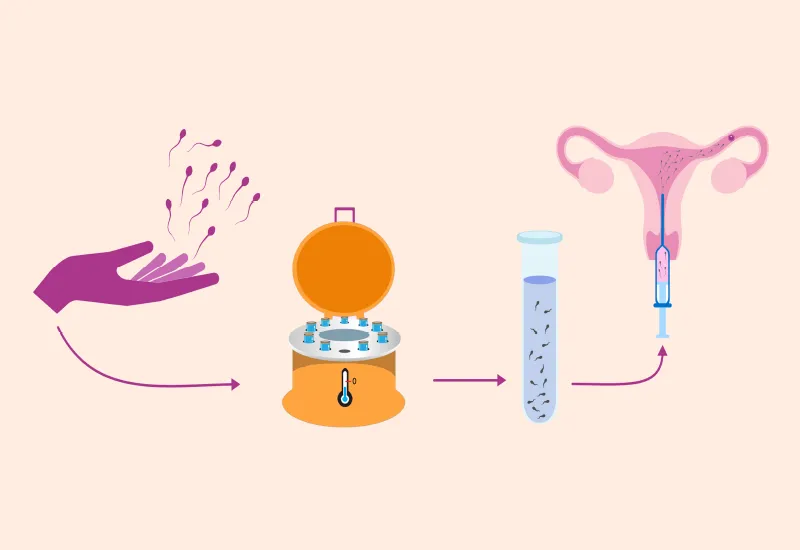
    Illustration of intrauterine insemination process, showing sperm collection and injection into the uterus.

    Fertility Tracking on the Go: The Convenience of Apps

    Another convenience of fertility tracking apps is the ability to set reminders. Many apps allow you to set reminders for when to take your basal body temperature, when to check your cervical mucus, and when to expect your next period. This takes away the stress of trying to remember everything and ensures that you are consistently tracking your cycle.

    Fertility tracking apps also offer a variety of tools and features to make tracking more accurate and informative. For example, some apps use algorithms to predict your fertile window and ovulation based on your cycle data. This can be especially helpful for women who have irregular cycles or are new to fertility tracking. Additionally, some apps offer educational resources and personalized insights based on your data, giving you a better understanding of your fertility.

    Benefits for Women Trying to Conceive

    For women who are trying to conceive, fertility tracking apps offer even more benefits. These apps can help you identify your most fertile days, track your ovulation, and even give you tips on how to improve your chances of conception. They also allow you to easily share your data with your partner or doctor, making it a collaborative effort.

    Fertility tracking apps can also be a useful tool for women who are undergoing fertility treatments. They can help you keep track of important information such as medication schedules and doctor appointments, making the process less stressful and more organized.

    Benefits for Women Who Want to Understand Their Cycle

    Fertility tracking apps are not just for women who are trying to conceive. They can also be beneficial for any woman who wants to better understand her menstrual cycle. By tracking your cycle, you can identify patterns and irregularities that may indicate underlying health issues. You can also use the data to make informed decisions about birth control and family planning.

    Additionally, many fertility tracking apps now offer features that allow you to track other aspects of your health, such as exercise, nutrition, and stress levels. This holistic approach can give you a better understanding of how your overall health and lifestyle may be affecting your menstrual cycle.

    In summary, fertility tracking apps offer a convenient and effective way to track your fertility on the go. They provide a variety of tools and features that make tracking more accurate and informative, and they can be beneficial for women who are trying to conceive or simply want to understand their bodies better. With the convenience and accessibility of these apps, there’s no reason not to take control of your fertility tracking today.

  • Traditional vs Tech: Which Fertility Tracking Method Is Right for You?

    Traditional vs Tech: Which Fertility Tracking Method Is Right for You?

    Fertility tracking has been practiced for centuries, with traditional methods such as tracking basal body temperature and cervical mucus being the go-to options for women trying to conceive or avoid pregnancy. However, with the rise of technology, there are now a plethora of fertility tracking apps and devices available on the market. This has sparked a debate among women about which method is more effective and accurate. In this blog post, we will discuss the differences between traditional and tech-based fertility tracking methods and help you determine which one is right for you.

    Traditional Fertility Tracking Methods

    Traditional fertility tracking methods rely on observing and recording changes in the woman’s body to determine her fertile window. These methods are based on the understanding that a woman’s body goes through hormonal changes throughout her menstrual cycle, which affects her fertility. The two most commonly used traditional methods are tracking basal body temperature and cervical mucus.

    1. Basal Body Temperature (BBT) Tracking

    BBT tracking involves taking your temperature every morning before getting out of bed. This method relies on the fact that a woman’s body temperature rises slightly after ovulation due to an increase in progesterone. By tracking your BBT over several cycles, you can identify when you are most likely to ovulate and determine your fertile window.

    Pros:
    – BBT tracking is free and only requires a basal body thermometer.
    – It can help you identify if and when you are ovulating, which is helpful for both trying to conceive and avoiding pregnancy.
    – It can also help identify potential issues with your menstrual cycle, such as irregularities in ovulation or luteal phase defects.

    Cons:
    – BBT tracking can be time-consuming and requires diligence in taking your temperature at the same time every day.
    – It can only predict ovulation after it has occurred, making it less useful for timing intercourse.
    – Factors such as illness, lack of sleep, or alcohol consumption can affect your BBT, making it less reliable.

    2. Cervical Mucus Tracking

    Cervical mucus tracking involves observing and recording changes in the texture and consistency of your cervical mucus throughout your cycle. As estrogen levels rise, cervical mucus becomes more abundant, slippery, and stretchy, resembling raw egg whites. This type of mucus is considered the most fertile and indicates that ovulation is approaching.

    Pros:
    – Cervical mucus tracking is free and only requires observation and recording.
    – It can help pinpoint your fertile window and time intercourse accordingly.
    – It can also give insight into potential hormonal imbalances or issues with ovulation.

    Cons:
    – It can be challenging to accurately observe and interpret changes in cervical mucus.
    – Factors such as sexual activity, lubricants, or infections can affect the quality of cervical mucus.
    – It may not be reliable for women with irregular cycles or those using hormonal birth control.

    Tech-Based Fertility Tracking Methods

    Cost breakdown for IUI components, including requirements, impacts, and alternatives.

    Traditional vs Tech: Which Fertility Tracking Method Is Right for You?

    With the advancement of technology, there has been an influx of fertility tracking apps and devices on the market. These methods use a combination of data input, algorithms, and sometimes external devices to track and predict ovulation and fertility.

    1. Fertility Tracking Apps

    Fertility tracking apps use algorithms to predict ovulation based on data such as menstrual cycle length, period start and end dates, and other symptoms like libido and mood changes. Some apps also allow for input of additional data such as BBT and cervical mucus observations. These apps also provide helpful features like tracking fertility trends, setting reminders for ovulation and fertility window, and providing educational resources.

    Pros:
    – Fertility tracking apps are convenient and user-friendly.
    – They can incorporate multiple data points to predict ovulation accurately.
    – They can provide helpful insights and resources for women trying to conceive or avoid pregnancy.

    Cons:
    – These apps rely on algorithms and may not be entirely accurate for all women.
    – They may not be suitable for women with irregular cycles or those using hormonal birth control.
    – Some apps may require a subscription fee for full access to features.

    2. Fertility Tracking Devices

    Fertility tracking devices use external sensors or monitors to track various data points such as BBT, cervical mucus, and hormone levels. These devices connect to a corresponding app, which uses the data to predict ovulation and fertility. Some devices, like the Ava bracelet, can also track additional data like heart rate, skin temperature, and sleep patterns.

    Pros:
    – Fertility tracking devices can provide more accurate and detailed data compared to apps.
    – They can be more convenient than traditional methods as they require minimal effort from the user.
    – Some devices offer additional features like tracking overall health and providing personalized insights.

    Cons:
    – These devices can be costly, with some ranging from $100 to $300.
    – They may not be suitable for women with irregular cycles or those using hormonal birth control.
    – Some devices may require a subscription fee for full access to features.

    Which Method Is Right for You?

    The decision between traditional and tech-based fertility tracking methods ultimately depends on your personal preferences and needs. If you are someone who prefers a natural and low-cost approach, traditional methods may be the way to go. However, if you are looking for convenience and more detailed data, tech-based methods may be worth the investment. Additionally, if you have irregular cycles or use hormonal birth control, traditional methods may not be as effective for you, and tech-based methods may be a better option.

    In conclusion, both traditional and tech-based fertility tracking methods have their pros and cons. It is essential to research and consider your options carefully to determine which one is right for you. Remember, no method is 100% accurate, and it is always best to consult with a healthcare professional for personalized advice.

    Summary:

    Fertility tracking involves monitoring changes in a woman’s body to determine her fertile window. Traditional methods such as tracking basal body temperature and cervical mucus have been used for centuries, while tech-based methods, such as fertility tracking apps and devices, have gained popularity in recent years. Traditional methods rely on observing and recording changes in the body, while tech-based methods use data input and algorithms to predict ovulation and fertility. The choice between traditional and tech-based methods depends on personal preferences and needs, and it is always best to consult with a healthcare professional for personalized advice.

  • Fertility Tracking Apps: Are They Worth the Hype?

    Fertility tracking apps have become increasingly popular in recent years, with claims of helping women track their menstrual cycles, ovulation, and fertility windows. These apps promise to make it easier for women to plan or prevent pregnancy, and some even offer additional features such as personalized health insights and reminders for self-care. But are these apps really worth the hype? In this blog post, we will explore the pros and cons of fertility tracking apps and analyze whether they truly live up to their promises.

    First, let’s understand what fertility tracking apps are and how they work. These apps use algorithms and data input by the user to predict ovulation and fertility windows. The user can input information such as menstrual cycle length, period dates, and any symptoms or changes in their body. Some apps also allow users to track their basal body temperature and cervical mucus, which are indicators of fertility. Based on this information, the app generates a fertility calendar and provides personalized insights and predictions.

    One of the main advantages of fertility tracking apps is convenience. These apps are easily accessible on smartphones and can be used anywhere at any time. This makes it easier for women to track their cycles and fertility without the need for traditional methods such as charting on paper. Additionally, some apps also offer features like cycle summaries and reminders for taking birth control pills, making it easier for women to stay on top of their reproductive health.

    Another benefit of fertility tracking apps is the potential for increased awareness and understanding of one’s body. By tracking their menstrual cycle and fertility, women may become more in tune with their bodies and notice any changes or irregularities. This can be especially helpful for those trying to conceive, as they can identify their most fertile days and increase their chances of becoming pregnant. Some apps even offer educational resources and information about reproductive health, which can be empowering for users.

    However, there are also some downsides to fertility tracking apps that should be considered. One major concern is the reliability and accuracy of these apps. While some apps may use scientifically-backed algorithms, others may not be as accurate. This can lead to incorrect predictions and potentially cause issues for those relying on the app for family planning. It’s important to carefully research and choose a reputable app with good reviews and accurate algorithms.

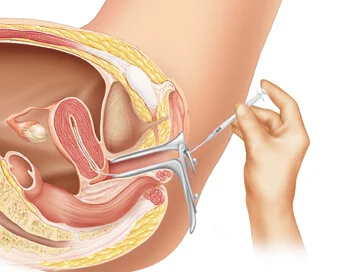
    illustration of an intrauterine insemination procedure with medical instruments and anatomical details

    Fertility Tracking Apps: Are They Worth the Hype?

    Moreover, fertility tracking apps may not be suitable for everyone. These apps may not work as well for those with irregular periods or conditions that affect their menstrual cycle. It’s also important to note that these apps should not be used as a replacement for medical advice. If you are experiencing any fertility issues or concerns, it’s best to consult a healthcare professional rather than relying solely on an app.

    Privacy is another aspect to consider when using fertility tracking apps. These apps require personal information such as menstrual cycle dates and intimate details about one’s body. While most apps claim to have strong privacy policies and secure data storage, there have been concerns about data breaches and the selling of user data in the past. It’s important to thoroughly read the app’s privacy policy and be cautious about the information you share.

    In addition, the use of fertility tracking apps can also contribute to increased stress and anxiety for some users. Trying to conceive can already be a stressful and emotional journey, and relying on an app for fertility predictions can add to that pressure. It’s important for users to take breaks from the app and not become too dependent on it for their reproductive health.

    So, are fertility tracking apps worth the hype? The answer is not a simple yes or no. These apps can be useful tools for some women, providing convenience, awareness, and potential insights into their reproductive health. However, they should not be relied upon as the sole method of family planning and should be used in conjunction with other methods or medical advice. It’s also important to carefully research and choose a reputable app and be aware of the potential downsides and limitations.

    In conclusion, fertility tracking apps can be beneficial for those looking to track their menstrual cycle and fertility. They offer convenience, increased awareness, and potential insights, but it’s important to carefully consider their accuracy and limitations. These apps should not be seen as a replacement for medical advice and should be used with caution. Ultimately, it’s up to individual users to weigh the pros and cons and decide if fertility tracking apps are worth the hype for them.

  • The Power of Data: How Fertility Tracking Apps Are Changing the Game

    Blog Post:

    Data has become an essential part of our daily lives, and it’s no surprise that it has also revolutionized the way we approach fertility tracking. In recent years, fertility tracking apps have gained immense popularity, providing women with a convenient and accurate way to monitor their menstrual cycles, ovulation, and overall reproductive health. These apps use data and technology to help women better understand their bodies, plan or prevent pregnancy, and even identify potential fertility issues. In this blog post, we will explore the power of data in fertility tracking apps and how they are changing the game for women’s reproductive health.

    The Rise of Fertility Tracking Apps:

    Fertility tracking, also known as natural family planning, has been around for centuries. Women have been using various methods like tracking their basal body temperature, cervical mucus, and menstrual cycle to understand their fertility and plan or prevent pregnancy. However, these methods were often tedious, inaccurate, and required a lot of manual tracking. With the rise of technology, fertility tracking has become more accessible, convenient, and accurate through the use of fertility tracking apps.

    These apps use algorithms and data from users to predict ovulation, fertile windows, and menstrual cycles. They also offer features like symptom tracking, reminders, and personalized insights to help women better understand their reproductive health. The popularity of these apps can be attributed to their ease of use, privacy, and accuracy. With just a few taps on their smartphones, women can track their cycles, receive personalized predictions and insights, and even connect with other users for support and advice.

    The Power of Data in Fertility Tracking Apps:

    One of the most significant advantages of fertility tracking apps is the use of data to provide accurate predictions and insights. These apps collect data from users, such as menstrual cycle length, period flow, and symptoms, and use it to create personalized fertility charts and predictions. The more data a user inputs, the more accurate the predictions become. This data-driven approach not only makes fertility tracking more efficient but also empowers women to take control of their reproductive health.

    Moreover, fertility tracking apps also use data to identify potential fertility issues. For example, irregularities in menstrual cycles or symptoms like excessive bleeding or severe cramps can be a sign of underlying health problems. By tracking these symptoms and providing the data to their healthcare providers, women can receive early detection and treatment for these issues. This not only improves their reproductive health but also overall well-being.

    Supporting Women’s Health Choices:

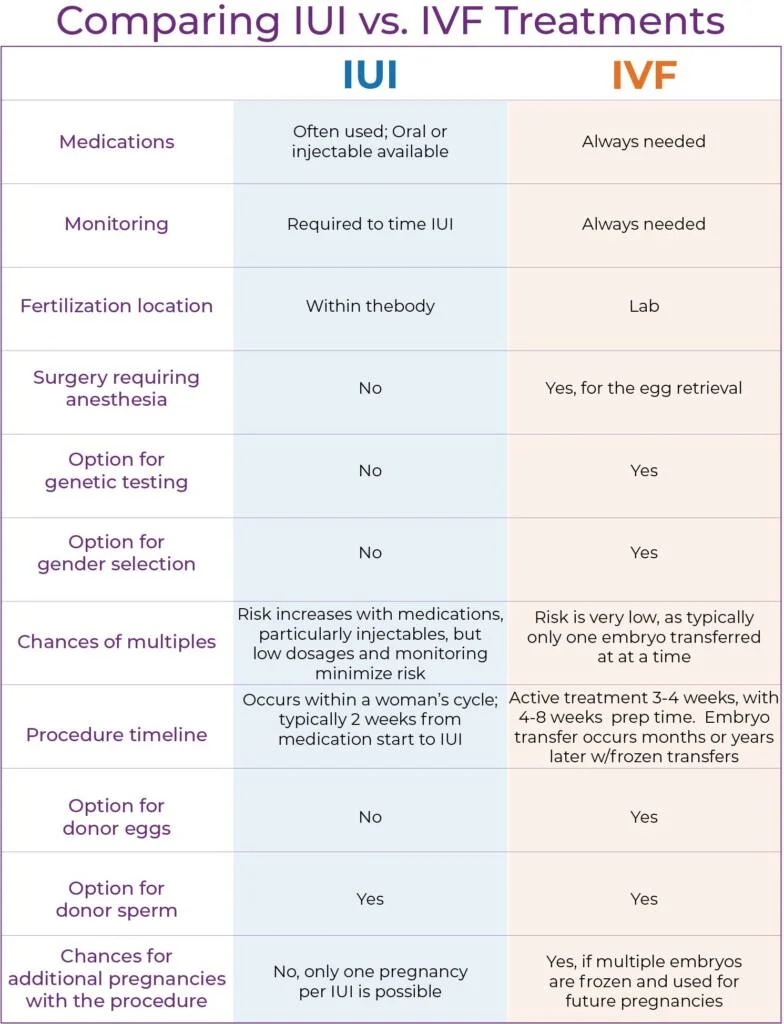
    Comparison chart of IUI and IVF treatments, detailing medications, monitoring, procedures, and success rates.

    The Power of Data: How Fertility Tracking Apps Are Changing the Game

    Fertility tracking apps not only provide women with insights into their reproductive health but also support their health choices. These apps offer features like birth control reminders and family planning tools, helping women make informed decisions about their reproductive health. For those trying to conceive, these apps can be incredibly helpful in identifying the most fertile days and tracking ovulation. On the other hand, for those looking to prevent pregnancy, these apps can act as a convenient alternative to traditional birth control methods.

    Moreover, fertility tracking apps also allow women to track other aspects of their health, such as mood, energy levels, and exercise. This data can help women identify patterns and make lifestyle changes to improve their overall well-being. By promoting a holistic approach to reproductive health, these apps empower women to take charge of their health and make informed choices.

    The Impact on Women’s Health:

    The use of data in fertility tracking apps has had a significant impact on women’s reproductive health. These apps have not only made fertility tracking more accessible and convenient but have also helped identify potential fertility issues and support women’s health choices. With the abundance of data collected, these apps also have the potential to contribute to medical research and advancements in women’s healthcare.

    Moreover, the rise of fertility tracking apps has also led to a shift in societal attitudes towards women’s reproductive health. These apps have made it easier for women to openly discuss and seek information about their reproductive health, breaking the stigma surrounding the topic. With more data and information available, women can make informed choices about their reproductive health, leading to better overall health outcomes.

    In Conclusion:

    Fertility tracking apps have become a game-changer in women’s reproductive health, thanks to the power of data. These apps offer a convenient and accurate way to track menstrual cycles, ovulation, and overall reproductive health. By using data to provide personalized insights and predictions, these apps empower women to take control of their reproductive health and make informed decisions. With the potential to impact medical research and change societal attitudes, the power of data in fertility tracking apps is truly remarkable.

    Summary:

    Fertility tracking apps have gained popularity in recent years for their convenience, accuracy, and use of data to monitor women’s menstrual cycles and reproductive health. These apps use algorithms and personal data to provide personalized insights and predictions, making fertility tracking more efficient and empowering women to make informed decisions about their reproductive health. They also support women’s health choices and have the potential to impact medical research and societal attitudes towards women’s reproductive health.

  • From Pen and Paper to Pixels: How Fertility Tracking Methods Have Changed

    From Pen and Paper to Pixels: How Fertility Tracking Methods Have Changed

    Fertility tracking is the process of monitoring and recording various aspects of a woman’s menstrual cycle in order to determine the most fertile days for conception. For many years, this was done using pen and paper, with women tracking their cycles through handwritten charts and calendars. However, with the advancement of technology, fertility tracking methods have evolved and shifted towards digital tools and devices. In this blog post, we will explore the journey from pen and paper to pixels and how it has revolutionized the way women track their fertility.

    The Traditional Method: Pen and Paper

    Before the digital age, women relied on pen and paper to track their fertility. This involved keeping a record of their menstrual cycles, including the first day of their period, the duration of their cycle, and any changes or irregularities. This information was then used to predict the most fertile days for conception. This method required a lot of manual work and calculation, and there was always room for error.

    The Rise of Digital Fertility Tracking

    With the rise of technology, fertility tracking methods have become more advanced and accurate. The first digital fertility tracking method was the basal body temperature (BBT) method, which involved using a special thermometer to track subtle changes in body temperature that occur during ovulation. This method was more accurate than the traditional pen and paper method, but it still required manual tracking and recording.

    The introduction of fertility tracking apps took this process to the next level. These apps allow women to input their menstrual cycle data, and they use algorithms to predict the most fertile days for conception. They also offer additional features such as tracking symptoms, mood, and lifestyle factors that may affect fertility. This has made the process more convenient and accurate, as the data is automatically recorded and analyzed.

    The Role of Wearable Devices

    Another significant development in fertility tracking has been the introduction of wearable devices, such as fertility bracelets and smartwatches. These devices use sensors to track various physiological data, including body temperature, heart rate, and sleep patterns. They also sync with fertility tracking apps, providing more accurate data and predictions. This has made the process of fertility tracking even more effortless and accurate, as the data is collected in real-time without any manual input.

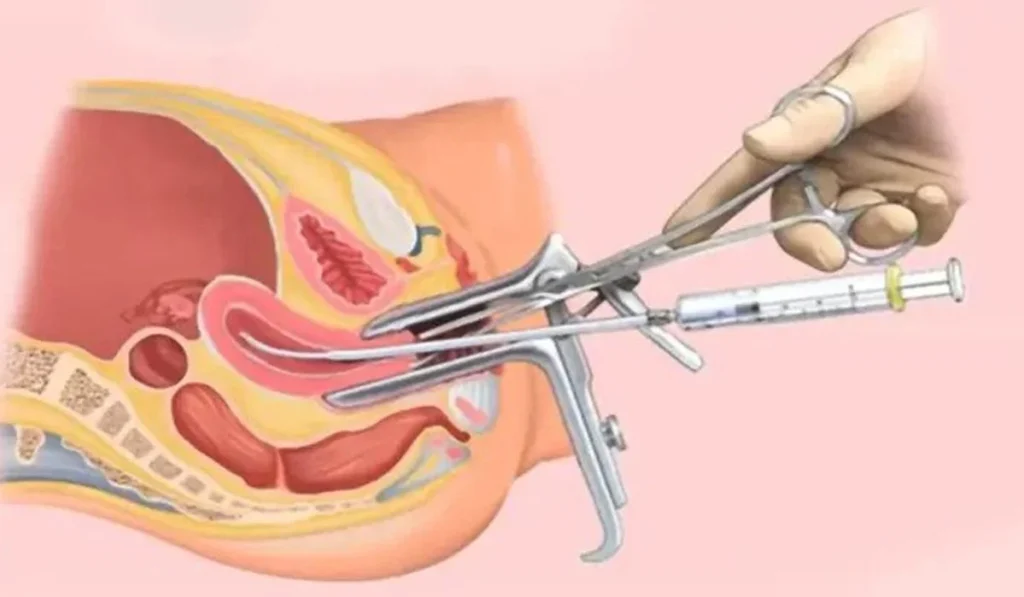
    illustration of intrauterine insemination procedure with a hand holding a speculum and syringe near the uterus

    From Pen and Paper to Pixels: How Fertility Tracking Methods Have Changed

    The Advantages of Digital Fertility Tracking

    The shift towards digital fertility tracking methods has brought numerous advantages for women. Firstly, it offers a more accurate way of tracking fertility, as the data is automatically recorded and analyzed, reducing the chances of human error. Secondly, it is more convenient and less time-consuming than the traditional pen and paper method. With just a few clicks, women can track their cycles and get predictions on their most fertile days. Additionally, digital fertility tracking also allows for more comprehensive tracking of various factors that may affect fertility, such as lifestyle and environmental factors. This can provide valuable insights for women trying to conceive.

    Challenges and Controversies

    While digital fertility tracking methods have numerous advantages, they also come with their own set of challenges and controversies. One of the main concerns is the reliability and accuracy of these methods. While they are more accurate than the traditional method, they are not foolproof, and there is still room for error. Another concern is the privacy of data collected by these apps and devices. As they collect sensitive information about a woman’s menstrual cycle, there have been concerns about data privacy and security. Additionally, some critics argue that relying solely on technology for fertility tracking may lead to a loss of awareness and understanding of one’s own body and cycles.

    The Future of Fertility Tracking

    As technology continues to advance, we can expect to see further developments in fertility tracking methods. One area that is gaining traction is the use of artificial intelligence (AI) in fertility tracking. AI-powered fertility tracking apps and devices can analyze vast amounts of data and provide more accurate predictions. Another exciting development is the use of non-invasive methods, such as saliva or urine testing, to track fertility. These methods eliminate the need for manual tracking and can provide more accurate results.

    In conclusion, the journey from pen and paper to pixels has transformed the way women track their fertility. Digital fertility tracking methods offer numerous advantages, such as convenience and accuracy, but they also come with their own set of challenges. As technology continues to advance, we can expect to see even more innovations in this field, making the process of fertility tracking even more accurate and effortless.

    Summary:

    Fertility tracking methods have evolved from traditional pen and paper methods to digital tools and devices. The rise of technology has led to the development of fertility tracking apps and wearable devices, making the process more accurate and convenient. However, digital fertility tracking also comes with its own set of challenges and controversies. The future of fertility tracking looks promising, with the potential for AI-powered apps and non-invasive methods. Overall, the shift towards digital fertility tracking has revolutionized the way women track their fertility.

  • Revolutionizing Fertility Tracking: The Rise of Apps

    Revolutionizing Fertility Tracking: The Rise of Apps

    In recent years, there has been a significant increase in the use of fertility tracking apps. These apps, designed to help women track their menstrual cycles, ovulation, and fertility, have become a popular tool for women trying to conceive or simply gain a better understanding of their bodies. With the rise of technology and the increasing demand for more personalized and convenient healthcare options, fertility tracking apps have revolutionized the way women approach their reproductive health. In this blog post, we will explore the reasons behind the rise of these apps, their features, and their impact on women’s health.

    The Need for Fertility Tracking Apps

    For many years, women have relied on traditional methods such as tracking their cycles on calendars or using physical fertility tracking devices to monitor their fertility. However, these methods have limitations and are often not accurate or convenient. With the advancements in technology, fertility tracking apps have emerged as a more accessible and efficient alternative.

    One of the main reasons for the popularity of fertility tracking apps is the increasing number of women who are postponing pregnancy to later in life. As women age, their fertility declines, and they become more conscious of their reproductive health. Fertility tracking apps allow women to monitor their cycles and ovulation, providing them with information about their most fertile days to help them plan for pregnancy.

    In addition, these apps have also become useful for women who are trying to avoid pregnancy. By tracking their menstrual cycles, women can determine their most fertile days and take necessary precautions to avoid pregnancy. This is especially beneficial for those who do not want to use hormonal contraceptives or other traditional birth control methods.

    Features of Fertility Tracking Apps

    Fertility tracking apps offer a range of features that make them a valuable tool for women’s reproductive health. These apps use various methods, such as calendar tracking, basal body temperature tracking, and cervical mucus monitoring, to help women track their cycles and determine their most fertile days.

    Many fertility tracking apps also offer personalized insights and predictions based on the user’s data. This allows women to understand their unique patterns and get more accurate predictions about their fertility. Some apps even offer additional features, such as reminders to take birth control pills or notifications for when to expect their next period.

    Diagram illustrating the IUI process, showing sperm injection into the uterus and egg fertilization.

    Revolutionizing Fertility Tracking: The Rise of Apps

    The Impact of Fertility Tracking Apps on Women’s Health

    The rise of fertility tracking apps has had a significant impact on women’s health. These apps have empowered women to take control of their reproductive health and make informed decisions about their fertility. By tracking their cycles and understanding their bodies better, women can identify any irregularities or potential health issues and seek medical help if needed.

    Moreover, fertility tracking apps have also helped break the stigma surrounding women’s reproductive health. By providing a discreet and convenient way for women to track their fertility, these apps have made it easier for women to discuss their reproductive health without feeling uncomfortable.

    Future of Fertility Tracking Apps

    As the use of fertility tracking apps continues to grow, we can expect to see more advancements and improvements in these apps. With the integration of artificial intelligence and machine learning, these apps will become even more personalized and accurate in predicting fertility.

    Furthermore, fertility tracking apps are also becoming a part of the larger trend of telemedicine and remote healthcare. With the ability to track and share data with healthcare providers, these apps can offer a more holistic approach to women’s reproductive health.

    In conclusion, fertility tracking apps have revolutionized the way women approach their reproductive health. With their convenience, accuracy, and personalized features, these apps have become a valuable tool for women trying to conceive or simply gain a better understanding of their bodies. As technology continues to advance, we can expect to see even more advancements in these apps, making them an essential part of the modern woman’s healthcare journey.

    Summary:

    Fertility tracking apps have become a popular tool for women trying to conceive or gain a better understanding of their bodies. These apps provide a more convenient and accurate alternative to traditional methods of fertility tracking. They offer features such as calendar tracking, personalized insights, and predictions, and have had a significant impact on women’s health by empowering them to take control of their reproductive health and breaking the stigma surrounding it. With advancements in technology, these apps are expected to become even more personalized and integrated into telemedicine and remote healthcare.

  • Fertility Tracking in the Digital Age: Apps vs Traditional Techniques

    Fertility tracking is a practice that has been used for centuries to help individuals and couples monitor their reproductive health and increase their chances of conceiving. With the rise of technology, there are now various digital tools, such as apps, that claim to make fertility tracking easier and more accurate. However, many traditional techniques, such as basal body temperature charting and cervical mucus monitoring, are still widely used and trusted. In this blog post, we will explore the pros and cons of using fertility tracking apps versus traditional techniques in the digital age.

    Introduction to Fertility Tracking
    Fertility tracking is the process of monitoring various physiological changes in the body to determine the most fertile days of a woman’s menstrual cycle. This can be used to either avoid or achieve pregnancy. The most fertile time for a woman is typically around ovulation, which occurs when an egg is released from the ovary. By tracking fertility, individuals and couples can plan for pregnancy or use natural methods of birth control.

    Traditional Techniques
    Basal body temperature charting and cervical mucus monitoring are two of the most commonly used traditional techniques for fertility tracking. Basal body temperature charting involves taking your temperature every morning before getting out of bed and recording it on a chart. This can help determine when ovulation occurs, as there is a slight increase in temperature after ovulation. Cervical mucus monitoring involves observing changes in the consistency and texture of cervical mucus throughout the menstrual cycle. As ovulation approaches, the mucus becomes more clear, stretchy, and slippery, making it easier for sperm to travel to the egg.

    Pros of Traditional Techniques
    One of the main advantages of traditional techniques is that they are natural and non-invasive. They do not require any expensive devices or technology, making them accessible to everyone. Additionally, these methods have been used for centuries and have been proven to be effective in tracking fertility. They also provide a deeper understanding of one’s own body and can help individuals identify any potential fertility issues.

    illustration of the IUI process, showing sperm collection, preparation, and insertion into the uterus

    Fertility Tracking in the Digital Age: Apps vs Traditional Techniques

    Cons of Traditional Techniques
    The main drawback of traditional techniques is that they require a lot of time and effort. Basal body temperature charting requires taking your temperature at the same time every morning, which can be challenging for those with irregular sleep schedules. Cervical mucus monitoring also requires daily observation and recording, which can be inconvenient for some individuals. Another downside is that these methods are subjective and rely on the individual’s interpretation of their own body, which can lead to errors.

    Fertility Tracking Apps
    In recent years, there has been an explosion of fertility tracking apps in the market. These apps use algorithms and data input by the user to predict ovulation and fertile days. Some apps also offer additional features, such as tracking of other fertility indicators like mood, energy levels, and exercise. These apps can be downloaded on smartphones, making them easily accessible and convenient for users.

    Pros of Fertility Tracking Apps
    One of the main benefits of fertility tracking apps is their convenience. They require minimal effort and can provide quick and accurate results. They also offer additional features that can help individuals track other aspects of their health that may affect fertility. Additionally, these apps can store and analyze data over time, providing a more comprehensive understanding of one’s fertility patterns. Some apps also offer community support and educational resources, which can be helpful for those trying to conceive.

    Cons of Fertility Tracking Apps
    One of the major concerns with fertility tracking apps is their accuracy. While they may use advanced algorithms, these apps rely on the user inputting accurate data. If the data is incorrect or incomplete, it can lead to inaccurate predictions. Additionally, these apps may not work for individuals with irregular menstrual cycles, as they are not able to make accurate predictions for those with unpredictable ovulation patterns. Another disadvantage is that most fertility tracking apps are not regulated by medical authorities, so their effectiveness and safety cannot be guaranteed.

    Summary
    In summary, fertility tracking is a useful practice for both those trying to conceive and those using natural methods of birth control. Traditional techniques, such as basal body temperature charting and cervical mucus monitoring, have been used for centuries and have proven to be effective. However, they require a lot of time and effort and can be subjective. Fertility tracking apps offer convenience and additional features, but their accuracy and effectiveness may be questionable. Ultimately, the best approach may be to combine traditional techniques with the use of fertility tracking apps for a more comprehensive understanding of one’s fertility.