Summary:
When it comes to fertility treatments, there are two commonly used methods: intrauterine insemination (IUI) and timed intercourse. Both treatments involve the introduction of sperm into the female reproductive tract in order to increase the chances of fertilization. However, the impact of underlying medical conditions on these treatments can vary greatly. In this blog post, we will dive into the differences between IUI and timed intercourse, and how underlying medical conditions can affect their success rates.
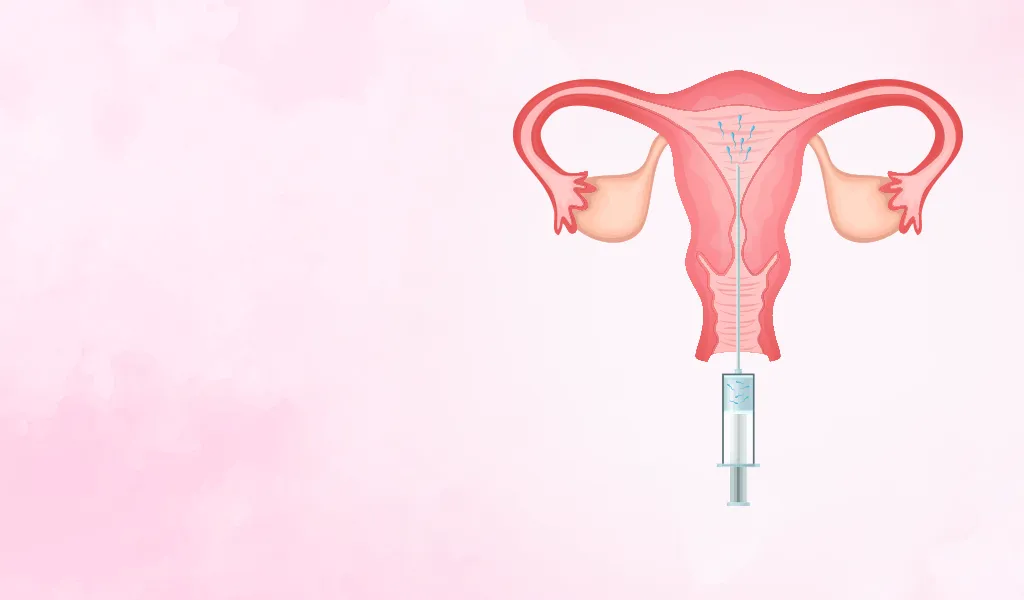
Firstly, let’s discuss the basics of IUI and timed intercourse. IUI involves the insertion of washed and prepared sperm directly into the uterus, bypassing the cervix. This method is often combined with fertility drugs to stimulate ovulation. On the other hand, timed intercourse involves tracking a woman’s ovulation cycle and having intercourse during the most fertile days. This method relies on the natural fertilization process without any medical intervention.
One of the main factors that can impact the success of both IUI and timed intercourse is the presence of underlying medical conditions. These conditions can affect a woman’s fertility in various ways and may require different approaches in fertility treatments. Some common conditions that can affect fertility include endometriosis, polycystic ovarian syndrome (PCOS), and uterine fibroids.
Endometriosis is a condition where the tissue that lines the uterus grows outside of it, often causing inflammation and scarring. This can lead to difficulty in conceiving as it can affect the quality of the eggs and interfere with the implantation process. For women with endometriosis, IUI may be a better option as it bypasses the cervix and the inflamed tissues, giving the sperm a better chance of reaching and fertilizing the egg. Timed intercourse may be less effective as the inflamed tissues can make it difficult for the sperm to reach the egg.
PCOS is a hormonal disorder that can cause irregular or absent ovulation, making it more challenging to get pregnant. In this case, both IUI and timed intercourse can be effective, depending on the severity of the condition. For women with mild PCOS, timed intercourse may be sufficient as it relies on the natural ovulation process. However, for those with more severe PCOS, IUI combined with fertility drugs may be a better option to increase the chances of conception.
Uterine fibroids are non-cancerous growths in the uterus that can affect fertility by altering the shape and size of the uterus. These growths can interfere with the implantation process and cause recurrent miscarriages. In this case, the success rates of both IUI and timed intercourse may be lower. However, studies have shown that IUI may be more successful in women with uterine fibroids than timed intercourse, as it bypasses the cervix and increases the chances of the sperm reaching the egg.
Other medical conditions that can impact fertility treatments include blocked fallopian tubes, male factor infertility, and advanced maternal age. In cases where there are blocked fallopian tubes, IUI may be the only option as it bypasses the tubes and allows the sperm to reach the egg directly. For male factor infertility, either IUI or timed intercourse may be effective, depending on the cause of the infertility. In cases of advanced maternal age, IUI may be a better option as fertility declines with age, and IUI can bypass any age-related issues with ovulation.
In conclusion, both IUI and timed intercourse can be effective fertility treatments, but the success rates can be affected by underlying medical conditions. It is essential to consult with a fertility specialist to determine the best course of treatment based on individual circumstances. Factors such as the severity of the medical condition, age, and other fertility factors should be taken into consideration when deciding between IUI and timed intercourse.
SEO metadata: