Blog Post:
In recent years, at-home insemination has become a popular option for couples and individuals trying to conceive. This method involves using a syringe or cervical cap to transfer sperm into the vagina, eliminating the need for medical intervention. While the success rates for at-home insemination are generally good, there are certain factors that can affect its effectiveness. One of the most significant factors is underlying health conditions. In this blog post, we will explore the impact of underlying health conditions on at-home insemination success rates.
Understanding At-Home Insemination and its Success Rates
Before delving into the impact of underlying health conditions, it is essential to have a basic understanding of at-home insemination and its success rates. At-home insemination involves manually inserting sperm into the vagina, usually using a sterile syringe or cervical cap. This method is often used by same-sex couples, single individuals, or couples with male fertility issues. The success rates of at-home insemination can vary, but it is generally estimated to have a success rate of 10-15% per cycle.
Factors Affecting At-Home Insemination Success Rates
There are several factors that can affect the success rates of at-home insemination. These include the timing and frequency of insemination, the quality of sperm, ovulation timing, and underlying health conditions. While some of these factors can be managed, underlying health conditions can significantly impact the success of at-home insemination.
Impact of Underlying Health Conditions on At-Home Insemination Success Rates
1. Hormonal Imbalances
Hormonal imbalances can significantly affect the success rates of at-home insemination. Hormones play a vital role in regulating ovulation, and any imbalances can disrupt the ovulation cycle. For example, conditions such as polycystic ovary syndrome (PCOS) can cause irregular ovulation, making it challenging to time insemination correctly. This can decrease the chances of success and may require medical intervention to regulate ovulation.
2. Endometriosis
Endometriosis is a condition where tissue similar to the lining of the uterus grows outside of the uterus. This can cause pain, discomfort, and infertility. In cases of severe endometriosis, the adhesions can block sperm from reaching the egg, making it difficult for at-home insemination to be successful. In such cases, medical intervention may be necessary to remove the adhesions and improve the chances of conceiving.
3. Uterine Abnormalities
Uterine abnormalities, such as fibroids or polyps, can also affect the success rates of at-home insemination. These growths can interfere with the implantation of a fertilized egg or block the sperm from reaching the egg. Depending on the severity and location of the abnormality, medical procedures may be needed to correct the issue and improve the chances of conceiving.
4. Cervical Issues
Cervical issues, such as an incompetent cervix or cervical stenosis, can also impact the success rates of at-home insemination. An incompetent cervix is when the cervix opens too early during pregnancy, leading to a miscarriage. Cervical stenosis, on the other hand, is a condition where the cervix becomes narrow, making it difficult for sperm to pass through. These issues may require medical intervention and monitoring to ensure successful pregnancy.
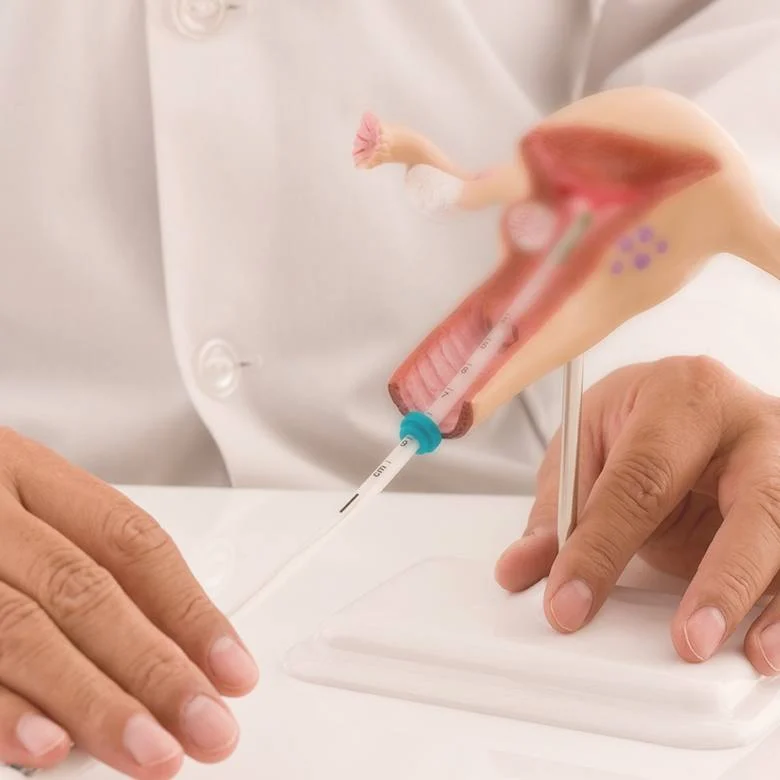
The Impact of Underlying Health Conditions on At-Home Insemination Success Rates
5. Chronic Health Conditions
Chronic health conditions, such as diabetes, thyroid disorders, or autoimmune diseases, can also affect the success rates of at-home insemination. These conditions can cause hormonal imbalances, affect ovulation, or impact the quality of sperm. In such cases, it is essential to work closely with a healthcare provider to manage the condition and improve the chances of success.
Managing Underlying Health Conditions for Successful At-Home Insemination
While underlying health conditions can impact the success rates of at-home insemination, it is not impossible to conceive. With proper management, many individuals and couples have successfully conceived through at-home insemination despite underlying health conditions. Here are some tips for managing underlying health conditions for successful at-home insemination:
1. Seek Medical Advice
Before attempting at-home insemination, it is essential to consult with a healthcare provider. They can help identify any underlying health conditions that may affect the success of at-home insemination and provide possible solutions.
2. Monitor Ovulation Closely
For individuals with hormonal imbalances or conditions such as PCOS, it is crucial to monitor ovulation closely. This can help determine the best time for insemination and increase the chances of success.
3. Consider Alternative Insemination Methods
In some cases, at-home insemination may not be the most suitable option. In such cases, alternative insemination methods such as intrauterine insemination (IUI) or in vitro fertilization (IVF) may be recommended by a healthcare provider.
4. Make Lifestyle Changes
Certain lifestyle factors, such as smoking, excessive alcohol consumption, and a poor diet, can affect fertility and the success rates of at-home insemination. Making healthy lifestyle choices can improve overall health and increase the chances of conceiving.
In conclusion, while at-home insemination can be a viable option for many individuals and couples, underlying health conditions can significantly impact its success rates. It is crucial to seek medical advice, monitor ovulation closely, and make necessary lifestyle changes to improve the chances of success. With proper management and support, at-home insemination can be a successful and fulfilling way to start a family.
Summary:
At-home insemination is a popular method for individuals and couples trying to conceive. However, the success rates of this method can be affected by various factors, including underlying health conditions. Hormonal imbalances, endometriosis, uterine abnormalities, cervical issues, and chronic health conditions can all impact the success rates of at-home insemination. To increase the chances of success, it is essential to seek medical advice, monitor ovulation closely, consider alternative insemination methods, and make healthy lifestyle choices.