Blog Post:
The journey to parenthood is an exciting and emotional one. For many couples, trying to conceive can be a long and difficult process. And for those who are struggling with fertility issues, the waiting game can be even more challenging. One of the first steps in understanding and addressing fertility problems is undergoing fertility tests. But how long do these tests take for men and women? In this blog post, we will explore the various fertility tests available and the time it takes for both men and women to complete them.
Fertility Tests for Women:
1. Ovulation Tests:
The first step in understanding fertility in women is to determine if and when ovulation is happening. This can be done through ovulation tests, which typically involve tracking basal body temperature, changes in cervical mucus, and using ovulation predictor kits. These tests can take anywhere from a few days to a few weeks to complete, depending on the length of a woman’s cycle and the accuracy of the tests.
2. Hormone Tests:
Hormone tests are crucial in understanding a woman’s reproductive health. These tests measure the levels of hormones such as estrogen, progesterone, luteinizing hormone (LH), and follicle-stimulating hormone (FSH). These tests can be done through blood work or saliva samples and usually take a few days to a week to complete.
3. Ultrasound:
Ultrasound is another common fertility test for women. It involves using sound waves to create images of the reproductive organs. This test can help identify any abnormalities or disorders that may affect fertility. An ultrasound typically takes about 20-30 minutes to complete.
4. Hysterosalpingography (HSG):
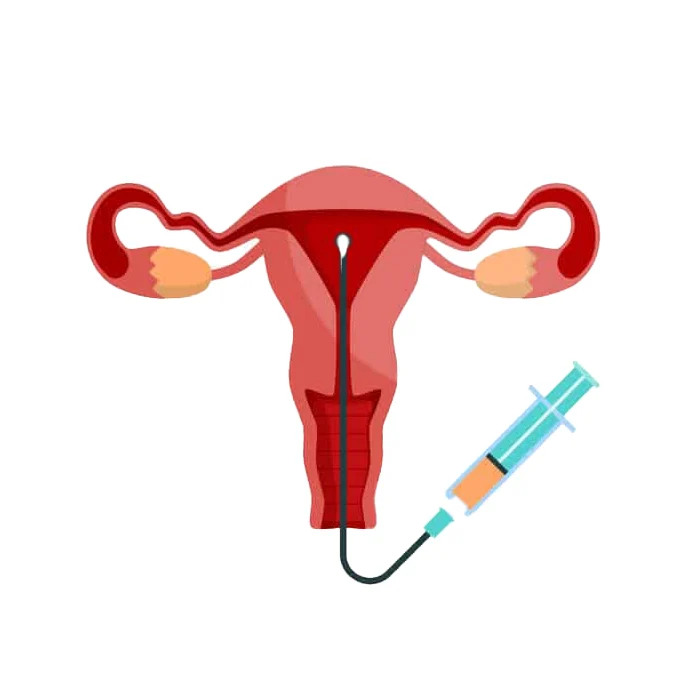
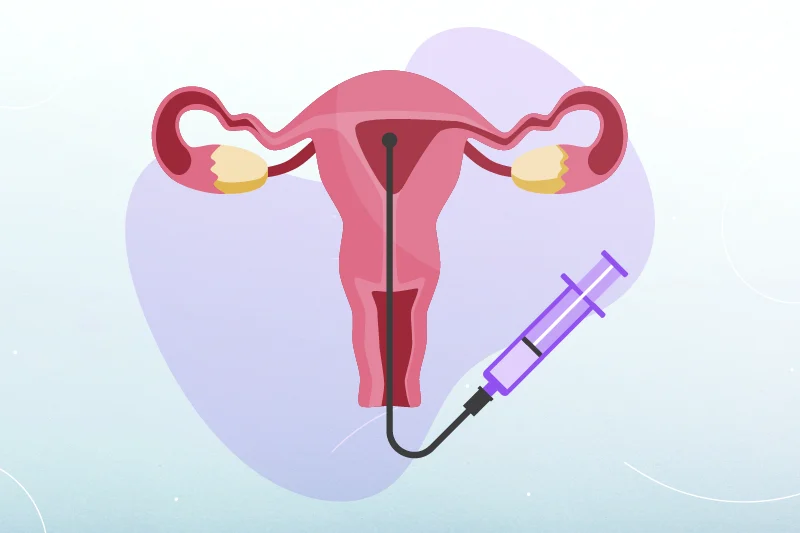
HSG is a procedure that uses X-rays and a special dye to examine the uterus and fallopian tubes. This test can help identify any blockages or abnormalities in the reproductive system. It usually takes about 15-30 minutes to complete and may require a day or two for recovery.
5. Laparoscopy:
Laparoscopy is a minimally invasive surgical procedure that involves inserting a small camera through a small incision in the abdomen. This procedure allows doctors to examine the reproductive organs and detect any issues that may affect fertility. Laparoscopy can take up to an hour to complete and may require a few days for recovery.
Fertility Tests for Men:
1. Semen Analysis:
The most common fertility test for men is a semen analysis. This test involves collecting a sample of semen and analyzing it for sperm count, motility, and morphology. The process usually takes about a week to complete, including the time needed for sperm to fully develop.
The Waiting Game: How Long Do Fertility Tests Take for Men and Women?
2. Hormone Tests:
Similar to women, hormone tests are also essential for men’s fertility. These tests measure the levels of testosterone, luteinizing hormone (LH), follicle-stimulating hormone (FSH), and prolactin. These tests can be done through blood work and usually take a few days to a week to complete.
3. Ultrasound:
Ultrasound can also be used to examine the male reproductive system. This test helps detect any blockages or abnormalities in the reproductive organs. It usually takes about 20-30 minutes to complete.
4. Testicular Biopsy:
In some cases, a testicular biopsy may be necessary to diagnose fertility problems in men. This procedure involves removing a small sample of testicular tissue for analysis. It can take up to a week to receive the results of the biopsy.
5. Genetic Testing:
In rare cases, genetic testing may be recommended for men experiencing fertility issues. This test can help identify any genetic disorders that may affect fertility. The results of genetic testing can take several weeks to months to come back.
The Waiting Game:
Overall, the time it takes to complete fertility tests for men and women varies depending on the type of test and the individual’s reproductive health. Most tests can be completed within a few days to a few weeks, but in some cases, it may take longer. It is essential to consult with a fertility specialist to determine which tests are necessary and how long each test may take to complete.
In addition to the time it takes to complete the tests, there is also the waiting game for the results. This can be a stressful and emotional time for couples. It is important to stay positive and to communicate with your partner during this process. Remember, fertility issues are common, and there are many options available to help couples conceive.
In conclusion, fertility tests are an essential step in understanding and addressing fertility problems for both men and women. The time it takes to complete these tests can vary, but it is crucial to be patient and communicate with your doctor throughout the process. With the right treatment and support, many couples can overcome fertility issues and achieve their dream of starting a family.
Summary:
Fertility tests are an essential step in understanding and addressing fertility problems for both men and women. The time it takes to complete these tests can vary, with ovulation tests and hormone tests taking a few days to a few weeks, ultrasounds taking 20-30 minutes, and laparoscopy or HSG taking longer. For men, semen analysis is the most common test, and hormone tests, ultrasound, and testicular biopsy may also be required. Genetic testing can take several weeks to months to get results. It is important to consult with a fertility specialist and communicate with your partner during this process. With the right treatment and support, many couples can overcome fertility issues and achieve their dream of starting a family.