Blog Post:
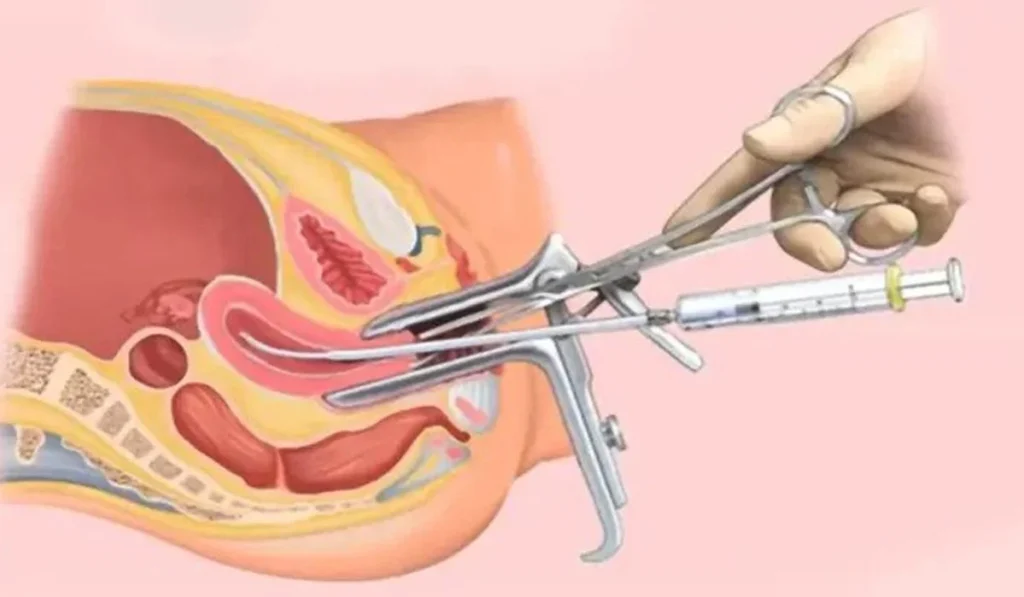
Fertility issues can be a challenging and emotional journey for many couples. When faced with difficulties in conceiving, there are various options available to help increase the chances of getting pregnant. Fertility medications and surgery are two common approaches that are used to treat infertility. However, it can be overwhelming and confusing to decide which option is best for you. In this blog post, we will discuss the differences between fertility medications and surgery, and what you need to know before making a decision.
Fertility Medications:
Fertility medications, also known as ovulation induction, are used to stimulate the ovaries to produce and release eggs. These medications can be taken orally, by injection, or vaginally. The most commonly used fertility medications are clomiphene citrate, letrozole, gonadotropins, and metformin.
Clomiphene citrate and letrozole are oral medications that are used to stimulate the release of follicle-stimulating hormone (FSH) and luteinizing hormone (LH). These hormones are responsible for the growth and maturation of eggs in the ovaries. These medications are usually the first-line treatment for women with ovulatory disorders.
Gonadotropins, on the other hand, are injectable medications that contain FSH and LH. These hormones directly stimulate the ovaries to produce eggs. Gonadotropins are typically used for women who do not respond to clomiphene citrate or letrozole. They are also used in combination with other fertility treatments, such as in vitro fertilization (IVF).
Metformin is another medication that is commonly used in women with polycystic ovary syndrome (PCOS). This medication helps to regulate insulin levels and can improve ovulation in women with PCOS.
Pros of Fertility Medications:
– Less invasive: Fertility medications are non-surgical treatments, making them less invasive and less risky compared to surgery.
– Cost-effective: Fertility medications are generally more affordable than surgery, making them a more accessible option for many couples.
– Can be done at home: Most fertility medications can be self-administered at home, which means fewer doctor appointments and less time away from work.
Cons of Fertility Medications:
– Multiple births: Fertility medications can increase the chances of having multiple births, such as twins or triplets. This can increase the risk of complications during pregnancy and delivery.
– Side effects: Some women may experience side effects from fertility medications, such as hot flashes, mood swings, and bloating.
– Not effective for all types of infertility: Fertility medications are only effective for certain types of infertility, such as ovulation disorders. They are not effective for issues with the fallopian tubes or uterus.
Surgery:
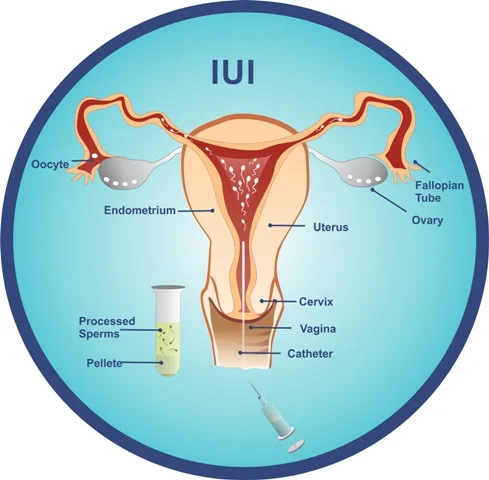
Fertility Medications vs Surgery: What You Need to Know
Surgery is another option for treating infertility. It involves a surgical procedure to correct any physical abnormalities that may be causing infertility. The most common types of surgery for infertility are hysteroscopy, laparoscopy, and tubal surgery.
Hysteroscopy is a procedure that involves inserting a thin, lighted device into the uterus to diagnose and treat any issues with the uterine lining, such as fibroids or polyps.
Laparoscopy is a minimally invasive surgery that is used to diagnose and treat issues with the reproductive organs, such as endometriosis, blocked fallopian tubes, or ovarian cysts.
Tubal surgery is a procedure that repairs any damage or obstruction in the fallopian tubes, which can prevent the egg from reaching the uterus for fertilization.
Pros of Surgery:
– Can correct physical issues: Surgery can address underlying physical issues that may be causing infertility, which can improve the chances of getting pregnant.
– Higher success rates: Unlike fertility medications, surgery can have a higher success rate in treating infertility, especially in cases of tubal blockages.
– No multiple births: Unlike fertility medications, surgery does not increase the chances of having multiple births.
Cons of Surgery:
– Invasive: Surgery is a more invasive option compared to fertility medications, which can increase the risk of complications.
– Expensive: Surgery can be more expensive than fertility medications, which may not be feasible for all couples.
– Recovery time: Recovery time after surgery can be longer, and it may take a few weeks to resume normal activities.
Conclusion:
When it comes to fertility treatments, there is no one-size-fits-all solution. Both fertility medications and surgery have their own pros and cons, and the best option for you will depend on your individual situation. It is essential to consult with a fertility specialist to determine the underlying cause of your infertility and to discuss the most suitable treatment plan for you.
In general, fertility medications are a less invasive and more cost-effective option, while surgery has a higher success rate in certain cases. However, fertility medications may not be effective for all types of infertility, and surgery can be more invasive and expensive. It is crucial to weigh the pros and cons and consider your personal preferences before making a decision.
Summary:
Fertility medications and surgery are two common approaches used to treat infertility. Fertility medications are non-surgical treatments that stimulate the ovaries to produce and release eggs. They are less invasive and more cost-effective than surgery, but they may not be effective for all types of infertility and can increase the chances of multiple births. Surgery is a more invasive option that can correct physical issues and has a higher success rate, but it can be more expensive and require a longer recovery time. Ultimately, the best option for you will depend on your individual situation, and it is important to consult with a fertility specialist before making a decision.