Tag: trust

  • The Importance of Patience: At-Home vs Clinic Intrauterine Insemination

    Blog Post: The Importance of Patience: At-Home vs Clinic Intrauterine Insemination

    Intrauterine insemination (IUI) is a popular fertility treatment option for couples who are struggling to conceive. It involves placing sperm directly into a woman’s uterus, increasing the chances of fertilization. While many people opt for in-clinic IUI, there is also the option of at-home insemination. Both methods have their own benefits and drawbacks, but one aspect that is crucial for success in either option is patience.

    Patience is often overlooked when it comes to fertility treatments, but it plays a significant role in the success of IUI. In this blog post, we will discuss the importance of patience in both at-home and clinic intrauterine insemination.

    At-Home Insemination: A Test of Patience

    At-home insemination involves collecting sperm from a partner or a sperm donor and using a syringe or a device called a cervical cap to place it into the vagina or near the cervix. It can be a more convenient and private option for couples who do not want to go through the process of in-clinic IUI. However, it requires a great deal of patience and attention to detail.

    Timing is crucial in at-home insemination, as the sperm needs to be inseminated during the woman’s ovulation window for the best chances of fertilization. This requires tracking ovulation using tools such as ovulation predictor kits or fertility tracking apps. It can be a stressful and time-consuming process, as women may need to track their cycles for several months before successfully timing the insemination.

    Moreover, at-home insemination also requires patience in terms of the results. Unlike in-clinic IUI, where the sperm is directly placed into the uterus, at-home insemination relies on the sperm traveling through the cervix and into the uterus on its own. This process can take up to 6 hours, and the couple may not know if the insemination was successful until they take a pregnancy test two weeks later. This waiting period can be emotionally challenging, and it is crucial to remain patient and optimistic during this time.

    Clinic Intrauterine Insemination: A Test of Patience and Trust

    In-clinic IUI involves a series of steps, including monitoring the woman’s ovulation, preparing the sperm sample, and placing it directly into the uterus using a catheter. The process is more controlled and has a higher success rate compared to at-home insemination. However, it also requires a great deal of patience and trust in the medical team.
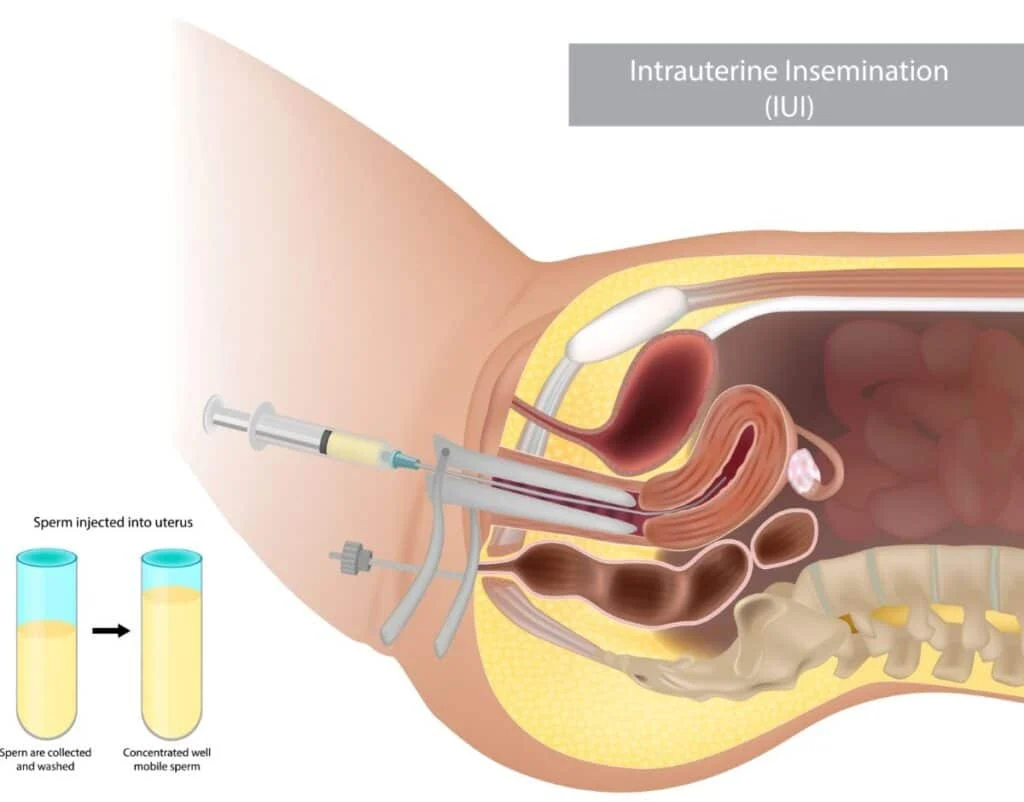
    Diagram illustrating intrauterine insemination (IUI) procedure with sperm injection into the uterus.

    The Importance of Patience: At-Home vs Clinic Intrauterine Insemination

    The timing of the sperm placement is crucial, and it needs to be done at the perfect time during the woman’s ovulation. This requires regular ultrasounds and blood tests to track the growth of the follicles and the levels of hormones in the body. This process can take several weeks, and it requires patience and trust in the medical team to make the right decisions at the right time.

    Moreover, the success of in-clinic IUI also relies on patience during the two-week wait for the pregnancy test. While the chances of success are higher compared to at-home insemination, there is still no guarantee of pregnancy. It is crucial to remain patient and trust the process, as the body needs time to adjust and implant the fertilized egg.

    The Importance of Patience in IUI

    Whether it is at-home or clinic insemination, patience is a crucial element for success. Insemination is not a one-time solution, and it often requires multiple attempts before achieving a pregnancy. It is essential to have realistic expectations and trust the process, no matter which option you choose.

    Patience is also crucial in maintaining a healthy mindset during the fertility journey. It can be an emotional rollercoaster, and it is normal to feel anxious, frustrated, and stressed. However, practicing patience and remaining optimistic can make the journey more bearable and increase the chances of success.

    Additionally, patience is also essential in the overall health and well-being of the couple. Fertility treatments can be physically and emotionally draining, and it is crucial to give the body time to rest and recover between attempts. Rushing the process and being impatient can lead to burnout and potential health issues.

    In conclusion, patience is a vital component in the success of both at-home and clinic intrauterine insemination. It requires patience in timing, results, and trust in the process. It is also essential for maintaining a healthy mindset and overall well-being. No matter which option you choose, remember to practice patience and trust the journey.

    Summary:

    Intrauterine insemination (IUI) is a popular fertility treatment option, with the choice of at-home or clinic insemination. Both methods require patience for success. At-home insemination requires patience in timing and waiting for results, while in-clinic IUI requires patience in trusting the medical team and the two-week wait. Patience is also crucial for maintaining a healthy mindset and overall well-being. It is a test of patience, but it can lead to a successful pregnancy.


  • The Role of Donor-Recipient Relationships in Sperm Banks vs Known Donors

    Blog Post: The Role of Donor-Recipient Relationships in Sperm Banks vs Known Donors

    Sperm donation has become a widely accepted and utilized method for couples and individuals to start or expand their families. With advancements in technology and science, sperm banks have emerged as a popular option for those seeking a donor. However, another option that has gained traction in recent years is known donors, where the recipient has a personal connection with the donor. In both scenarios, the donor-recipient relationship plays a crucial role in the success and dynamics of the arrangement. In this blog post, we will explore the importance of donor-recipient relationships in sperm banks and known donors, and how they differ from each other.

    Sperm Banks: The Role of Donor-Recipient Relationships

    In sperm banks, the donor-recipient relationship is typically kept anonymous. Donors are usually chosen based on their physical characteristics, education, and health history. The recipient does not have any personal connection with the donor, and the arrangement is purely a business transaction. This anonymity can be beneficial for both parties as it allows the recipient to focus solely on the donor’s genetic material and not be influenced by any personal biases or emotions.

    However, this anonymity also means that the recipient and the child, if conceived, will not have any information about the donor’s identity or medical history. This lack of information can be challenging for the child as they grow up and may have questions about their genetic background. It can also create a sense of loss and longing for the donor, who may never know if their donation resulted in a successful pregnancy.

    In some cases, sperm banks may offer limited non-identifying information about the donor, such as their physical characteristics and occupation. This information can help the recipient feel more connected to the donor and ease any concerns they may have about their choice. However, it still does not provide the level of personal connection that known donors offer.

    Known Donors: The Role of Donor-Recipient Relationships

    Known donors are individuals who have a personal relationship with the recipient, such as a friend or family member. In this scenario, the donor-recipient relationship is more intimate and involves trust, communication, and emotional support. The recipient and the donor have a pre-existing bond, which can make the process of sperm donation more comfortable and less clinical.

    Illustration of IUI procedure with uterus and syringe against a DNA background.

    The Role of Donor-Recipient Relationships in Sperm Banks vs Known Donors

    One significant advantage of known donors is the ability to have open and honest communication about the donation process. The recipient can ask questions about the donor’s medical history, lifestyle, and motivations for donating, which can provide peace of mind and a deeper understanding of the donor. Additionally, known donors can provide the recipient and the child with a sense of connection and identity, as they know where their genetic material is coming from.

    However, there can also be challenges in known donor arrangements. The donor may feel a sense of responsibility towards the child, which can create conflicts and boundaries within the relationship. The recipient may also feel pressure to maintain a close relationship with the donor, even if it is not what they desire. It is essential to have clear communication and boundaries in place to avoid any potential issues that may arise.

    The Importance of Donor-Recipient Relationships in Both Scenarios

    While the dynamics of donor-recipient relationships differ in sperm banks and known donors, they both play a crucial role in the donation process. In sperm banks, the relationship is more transactional, but it is essential for the recipient to have trust in the donor’s medical history and genetic material. In known donor arrangements, the relationship is more personal, and trust and communication are vital for a successful donation.

    No matter the type of donor-recipient relationship, it is crucial to have open and honest communication, trust, and boundaries in place. These elements ensure that both parties are comfortable and have a clear understanding of their roles and responsibilities in the arrangement.

    In conclusion, the donor-recipient relationship is a crucial aspect of sperm donation, whether it is through sperm banks or known donors. While both scenarios have their advantages and challenges, the key is to find what works best for the recipient and the donor. Ultimately, the goal of sperm donation is to help individuals or couples achieve their dream of starting or expanding their family, and a strong donor-recipient relationship can play a significant role in making that happen.

    Summary:

    Sperm donation has become a popular method for starting or expanding families, and there are two main options: sperm banks and known donors. In sperm banks, the donor-recipient relationship is kept anonymous, while known donors involve a personal connection between the recipient and the donor. Both scenarios have their advantages and challenges, but the key to success is open communication, trust, and boundaries in the donor-recipient relationship.

  • Choosing Your Co-Parent: What to Look for in a Potential Partner

    Blog Post:

    Choosing the right co-parent is an important decision for anyone who wants to start a family. Whether you are looking for a romantic partner or someone who simply shares your values and goals for raising children, there are certain qualities and traits that you should look for in a potential co-parent. In this blog post, we will discuss the key factors to consider when choosing your co-parent and how to find the right partner for this important role in your life.

    1. Shared Values and Goals

    One of the most crucial factors to consider when choosing a co-parent is shared values and goals. This includes fundamental beliefs about parenting, such as discipline, education, and religion. It is important to discuss these topics early on and ensure that you and your potential co-parent are on the same page. This will ensure a smoother co-parenting relationship and create a consistent environment for your child.

    2. Communication Skills

    Effective communication is essential in any relationship, but it is especially important when it comes to co-parenting. Look for someone who is open and honest, and who is willing to have difficult conversations. This will be important in making important decisions about your child’s upbringing and resolving any conflicts that may arise. Make sure to have open and honest conversations with your potential co-parent to gauge their communication skills and ensure that you can work together effectively.

    3. Parenting Style

    It is important to consider your potential co-parent’s parenting style and how it aligns with your own. Some people may have a more relaxed approach while others may be more strict. It is important to find someone who has a similar parenting style to yours to ensure consistency for your child. This will also help avoid conflicts and disagreements about how to raise your child.

    4. Commitment and Reliability

    Co-parenting is a long-term commitment and it requires a reliable and committed partner. Look for someone who is willing to put in the time and effort to co-parent and who is willing to make sacrifices for the sake of your child. This could include attending school events, doctor’s appointments, and making important decisions together. Make sure to discuss your expectations and commitments with your potential co-parent to ensure that you are both on the same page.

    5. Trust and Respect

    Trust and respect are important foundations for any relationship, including co-parenting. You should choose a co-parent who is trustworthy and respectful towards you and your child. This includes respecting your decisions as a parent and trusting your judgment. It is also important to have mutual trust and respect for each other as co-parents to ensure an effective and harmonious relationship.

    test tube with sperm in blue liquid, promoting IUI success rate and factors influencing fertility.

    Choosing Your Co-Parent: What to Look for in a Potential Partner

    6. Compatibility and Compatibility

    Compatibility and chemistry are important in any relationship, including co-parenting. While you do not need to have a romantic relationship with your co-parent, it is important to have a strong connection and compatibility. This will make it easier to work together and create a positive environment for your child. It is important to get to know your potential co-parent on a personal level and see if you have a good connection before making a final decision.

    7. Financial Stability

    Co-parenting can be financially demanding, and it is important to choose a co-parent who is financially stable and responsible. This will ensure that you both can provide for your child and make important decisions about their upbringing without any financial strain. It is important to have open and honest discussions about finances with your potential co-parent to make sure you are both on the same page.

    8. Supportive Network

    Having a supportive network is crucial for any parent, and it is especially important for co-parents. Look for a potential co-parent who has a strong support system, whether it is their family or friends. This will not only provide support for you and your co-parent, but also for your child. It is important to have a strong and supportive network to navigate the challenges of co-parenting and provide a stable and loving environment for your child.

    9. Willingness to Compromise

    Co-parenting requires a lot of compromise and flexibility. It is important to choose a co-parent who is willing to compromise and make sacrifices for the sake of your child. This could include adjusting schedules, making changes to parenting plans, or even making personal sacrifices. It is crucial to have open and honest conversations about expectations and flexibility with your potential co-parent to ensure a successful co-parenting relationship.

    10. Legal Considerations

    Lastly, it is important to consider the legal aspect of co-parenting. It is recommended to have a written agreement in place outlining the responsibilities and expectations of each co-parent. This will provide clarity and avoid any potential conflicts in the future. It is important to discuss the legal aspects of co-parenting with your potential partner and seek legal advice if needed.

    In conclusion, choosing your co-parent is an important decision that requires careful consideration. It is important to find someone who shares your values and goals, has effective communication skills, a compatible parenting style, and is committed and reliable. Trust, respect, and a supportive network are also crucial factors to consider. Remember to have open and honest conversations with your potential co-parent and seek legal advice if needed. With these considerations in mind, you can find the right co-parent to embark on this important journey of raising a child together.

    Summary:

    Choosing the right co-parent is a crucial decision that requires careful consideration. It is important to find someone who shares your values and goals, has effective communication skills, a compatible parenting style, and is committed and reliable. Trust, respect, and a supportive network are also crucial factors to consider. Compromise, legal considerations, and a strong personal connection are also important in choosing the right co-parent for a successful co-parenting relationship.