Tag: traditional tools

  • Fertility Tracking for the Modern Couple: Apps vs Traditional Tools

    Blog Post: Fertility Tracking for the Modern Couple: Apps vs Traditional Tools

    In today’s fast-paced world, many modern couples are turning to technology for assistance in various aspects of their lives, including family planning. Fertility tracking, which involves monitoring and recording a woman’s menstrual cycle to determine the most fertile days for conception, is no exception. With the rise of smartphone apps and other digital tools, many couples are now faced with the dilemma of whether to use traditional methods or rely on technology for fertility tracking. In this blog post, we will explore the pros and cons of both options and help you decide which approach is best for you and your partner.

    Traditional Tools: The Basics

    For centuries, women have been using traditional tools such as the calendar method, basal body temperature (BBT) charting, and cervical mucus monitoring to track their fertility. These methods are based on the natural changes that occur in a woman’s body during her menstrual cycle. The calendar method involves tracking the length of a woman’s menstrual cycle and determining the most fertile days based on past cycles. BBT charting involves taking a woman’s temperature every morning before getting out of bed to detect a slight rise that occurs after ovulation. Cervical mucus monitoring involves observing changes in the consistency and amount of cervical mucus, which can indicate the most fertile days of a woman’s cycle. These methods are simple and inexpensive, making them accessible to most couples.

    Pros and Cons of Traditional Tools

    One of the biggest advantages of traditional fertility tracking tools is that they do not require any special equipment or technology. They can also be used discreetly without anyone else knowing. Additionally, these methods can be empowering for women as they help them understand their bodies and take control of their reproductive health. However, they do have some limitations. Traditional methods may not be accurate for women with irregular cycles or those who are breastfeeding or going through menopause. They also require a high level of commitment and consistency in tracking, which can be challenging for some individuals.

    Apps: The Modern Approach

    test tube with sperm in blue liquid, promoting IUI success rate and factors influencing fertility.

    Fertility Tracking for the Modern Couple: Apps vs Traditional Tools

    With the rise of technology, many fertility tracking apps have emerged in recent years. These apps use algorithms and data input by the user to predict the most fertile days for conception. They often come with additional features such as period and symptom tracking, personalized insights, and community support. Some apps even offer the option to connect with a fertility specialist for personalized guidance and advice. Fertility tracking apps are convenient and easily accessible, making them a popular choice among modern couples.

    Pros and Cons of Apps

    One of the biggest advantages of fertility tracking apps is their convenience and ease of use. With just a few taps on your smartphone, you can track your cycle and receive personalized insights. These apps also make it easier to detect patterns and changes in your cycle over time. Additionally, some apps offer a more comprehensive approach to fertility tracking, including tracking ovulation symptoms and providing personalized recommendations for improving fertility. However, like any technology, these apps are not foolproof and can sometimes provide inaccurate predictions. They also come with a monthly or yearly subscription fee, which can add up over time.

    Traditional Tools vs Apps: Which is Best for You?

    Ultimately, the decision between traditional tools and apps for fertility tracking will depend on your personal preferences and needs. If you are someone who prefers a more natural and low-tech approach, traditional tools may be the best option for you. On the other hand, if you enjoy the convenience and added features of technology, fertility tracking apps may be the way to go. It is also worth considering combining both methods for a more comprehensive approach to fertility tracking.

    Summary:

    In this blog post, we have discussed the pros and cons of traditional tools versus fertility tracking apps for modern couples. Traditional tools such as the calendar method, BBT charting, and cervical mucus monitoring are simple, inexpensive, and empowering for women, but may have limitations. On the other hand, fertility tracking apps offer convenience, personalized insights, and the option for additional support, but may not always be accurate and come with a subscription fee. Ultimately, the best approach will depend on personal preferences and needs, and combining both methods may provide a more comprehensive approach to fertility tracking.
  • Navigating Fertility: Comparing Apps and Traditional Tracking Tools

    Navigating Fertility: Comparing Apps and Traditional Tracking Tools

    Fertility is a topic that has been gaining more attention in recent years as more couples struggle with conceiving. With advancements in technology, there are now various apps and traditional tracking tools available to help individuals and couples navigate their fertility journey. In this blog post, we will explore the different options and compare apps and traditional tracking tools to help you decide which one may be best for you.

    Understanding Fertility Tracking

    Before diving into the comparison, it’s important to understand the basics of fertility tracking. Fertility tracking involves monitoring and recording various fertility signs such as menstrual cycle, basal body temperature, cervical mucus, and ovulation. By tracking these signs, individuals can identify their most fertile days and increase their chances of conception.

    Apps for Fertility Tracking

    In recent years, there has been a surge in the popularity of fertility tracking apps. These apps use algorithms and data input by users to predict ovulation and fertile days. There are many different apps available, each with its unique features and interface. Some popular options include Clue, Flo, and Glow.

    Pros of Apps for Fertility Tracking

    One of the main advantages of using an app for fertility tracking is convenience. Most apps are available for download on smartphones, making it easy to track on-the-go. These apps also have features that allow users to input data such as menstrual cycle length, ovulation test results, and other fertility signs, making it easier to keep track of everything in one place. Additionally, some apps offer additional features such as personalized insights, community forums, and partner syncing options.

    Cons of Apps for Fertility Tracking

    One of the main drawbacks of using fertility tracking apps is their reliance on algorithms and data input by users. This means that the accuracy of predictions and fertile window may vary from person to person. Some apps also require a paid subscription for full access to features, which can be costly in the long run.

    Traditional Tracking Tools

    Traditional tracking tools have been used for decades to monitor fertility signs. These tools include ovulation predictor kits (OPKs), basal body temperature thermometers, and cervical mucus monitoring. Unlike apps, these tools do not rely on algorithms or data input and instead provide more accurate readings of fertility signs.

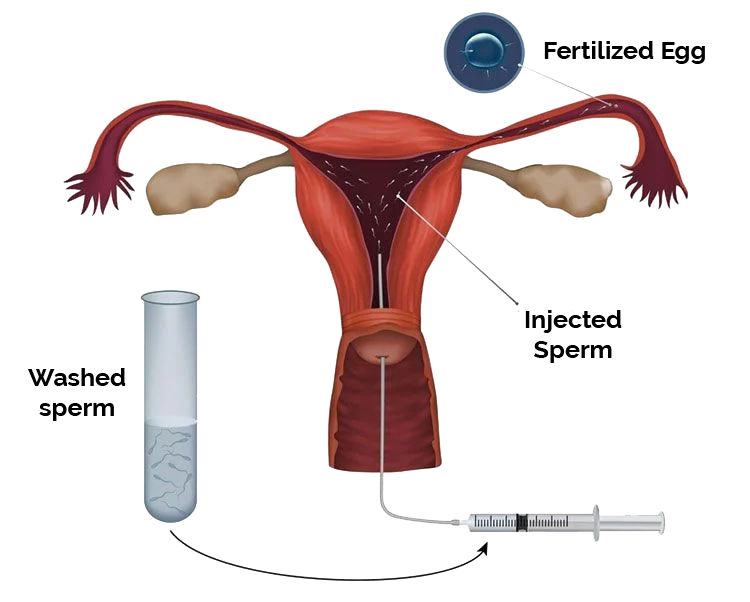
    diagram of the female reproductive system with an IUI syringe and test tube for artificial insemination

    Navigating Fertility: Comparing Apps and Traditional Tracking Tools

    Pros of Traditional Tracking Tools

    One of the main advantages of traditional tracking tools is their accuracy. OPKs, for example, use urine tests to detect the surge in luteinizing hormone, which is a primary indicator of ovulation. Basal body temperature thermometers are also highly accurate in detecting changes in body temperature that occur during ovulation. Additionally, these tools are often more affordable in the long run compared to fertility tracking apps.

    Cons of Traditional Tracking Tools

    One of the main drawbacks of traditional tracking tools is the inconvenience and time commitment required. For example, basal body temperature thermometers require daily temperature readings at the same time each morning, which can be challenging for individuals with irregular sleep schedules. OPKs also require daily testing during the predicted fertile window, which can be costly and time-consuming.

    Comparing Apps and Traditional Tracking Tools

    When it comes to comparing apps and traditional tracking tools, it ultimately depends on personal preference and individual fertility needs. Apps offer convenience and additional features, while traditional tracking tools provide more accurate readings. Some individuals may find it beneficial to use a combination of both methods for a more comprehensive tracking approach.

    Tips for Effective Fertility Tracking

    Regardless of whether you choose to use apps or traditional tracking tools, there are some tips that can help make your fertility tracking more effective:

    1. Be consistent: Whether using an app or traditional tracking tool, it’s important to be consistent with tracking your fertility signs. This will provide more accurate data and help identify patterns.

    2. Educate yourself: It’s essential to understand the basics of fertility and how tracking works to make informed decisions about your fertility journey.

    3. Seek professional help: If you are struggling to conceive or have concerns about your fertility, it’s best to consult a healthcare professional for guidance and support.

    Summary:

    Fertility tracking is essential for individuals and couples who are trying to conceive. With advancements in technology, there are now various apps and traditional tracking tools available to help in this process. Apps offer convenience and additional features, while traditional tracking tools provide more accurate readings. Some tips for effective fertility tracking include being consistent, educating yourself, and seeking professional help if needed.