Tag: tracking methods

  • Maximizing Your Fertility: Which Tracking Method is Right for You?

    Blog Post Title: Maximizing Your Fertility: Which Tracking Method is Right for You?

    Fertility is a topic that is often surrounded by myths and misconceptions. For many individuals and couples, trying to conceive can be a challenging and emotional journey. However, with the advancement of technology and research, there are now various methods available to help maximize fertility and increase the chances of getting pregnant. One of the most effective ways to boost fertility is by tracking your menstrual cycle and ovulation. In this blog post, we will explore the different tracking methods available and help you determine which one is the right fit for you.

    1. Basal Body Temperature (BBT) Tracking
    Basal body temperature tracking involves measuring your body’s temperature using a special thermometer every morning before getting out of bed. This method works on the premise that a woman’s body temperature rises slightly after ovulation. By tracking your BBT over a few months, you can identify the pattern of when you ovulate. This information can help you plan intercourse during your most fertile days.

    Pros:
    – Inexpensive and easy to do at home
    – Can help identify ovulation patterns
    – Can be used in conjunction with other tracking methods

    Cons:
    – Requires consistency and commitment
    – Can be affected by factors such as illness, alcohol consumption, and lack of sleep
    – Only predicts ovulation after it has occurred, not before

    2. Ovulation Predictor Kits (OPKs)
    OPKs work by detecting the surge in luteinizing hormone (LH) that occurs 24-36 hours before ovulation. This surge triggers the release of an egg from the ovary. By testing your urine with an OPK, you can identify when your LH surge is happening, and therefore predict when you will ovulate.

    Pros:
    – Easy to use and read
    – Can predict ovulation 24-36 hours in advance
    – Can be used at home

    Cons:
    – Can be expensive if used every month
    – Can give false positives if not used correctly
    – May not work for women with irregular cycles or certain medical conditions

    3. Cervical Mucus Tracking
    Cervical mucus tracking involves monitoring changes in the consistency and appearance of your cervical mucus throughout your menstrual cycle. As you approach ovulation, your cervical mucus becomes clear, slippery and stretchy, similar to egg whites. This type of mucus helps sperm travel to the egg more easily.

    Pros:
    – Can be done at home with no cost
    – Provides information about the quality of your cervical mucus, which is important for fertility
    – Can be used in conjunction with other tracking methods

    Comparison of IUI and IVF, illustrating procedures and definitions for each fertility treatment.

    Maximizing Your Fertility: Which Tracking Method is Right for You?

    Cons:
    – May be difficult to determine the changes in cervical mucus for some women
    – Can be affected by factors such as sexual arousal, lubricants, and spermicide
    – Does not predict ovulation, only indicates when it has occurred

    4. Fertility Tracking Apps
    In recent years, there has been an increase in the popularity of fertility tracking apps. These apps use data such as BBT, menstrual cycle length, and symptoms to predict ovulation and fertile days. Some apps also allow you to input other information such as cervical mucus and ovulation predictor kit results to provide a more accurate prediction.

    Pros:
    – Convenient and easy to use
    – Can track and analyze data over time
    – Can provide personalized insights and recommendations
    – Can be used in conjunction with other tracking methods

    Cons:
    – Relies on user input, which may not always be accurate
    – Can be affected by factors such as illnesses and changes in lifestyle
    – May not work for women with irregular cycles or certain medical conditions

    5. Fertility Monitors
    Fertility monitors are devices that track various fertility signs, such as BBT, LH surge, and cervical mucus, to provide a more accurate prediction of ovulation and fertile days. They often come with a handheld monitor and test sticks that measure hormone levels in urine.

    Pros:
    – More accurate than other tracking methods
    – Can be used at home
    – Can track multiple fertility signs
    – Can be used by women with irregular cycles or certain medical conditions

    Cons:
    – Can be expensive upfront
    – May require additional test sticks to be purchased
    – May need to be used for a few months before giving accurate readings

    After exploring the various tracking methods, it is essential to choose the one that best fits your lifestyle, preferences, and needs. You may also want to consult with your healthcare provider for personalized recommendations.

    In conclusion, tracking your menstrual cycle and ovulation can greatly increase your chances of getting pregnant. Whether you choose to use a combination of tracking methods or stick to one, the key is consistency and patience. With time and effort, you can maximize your fertility and take a step closer to growing your family.

    SEO Metadata:
  • The Role of Timing in At-Home Intrauterine Insemination

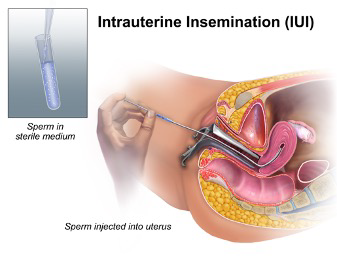
    Timing is everything when it comes to at-home intrauterine insemination (IUI). This fertility treatment involves placing sperm directly into the uterus, bypassing the cervix and increasing the chances of fertilization. While the process itself may seem simple, the timing of the procedure is crucial for its success. In this blog post, we will explore the role of timing in at-home IUI and how it can impact the chances of conception.

    The Process of At-Home Intrauterine Insemination

    Before diving into the importance of timing, let’s first understand the process of at-home IUI. This fertility treatment involves collecting a semen sample from the male partner or a donor and using a syringe or specialized device to place the sperm directly into the uterus. This can be done at home, without the need for a medical professional, making it a more affordable and convenient option for couples trying to conceive.

    The Role of Timing in At-Home IUI

    Timing is crucial in at-home IUI for two main reasons: ovulation and sperm survival. Ovulation is the process of releasing an egg from the ovaries, and it is the most fertile time of a woman’s menstrual cycle. In order for conception to occur, the sperm needs to meet the egg during this window of time. Therefore, it is essential to time the insemination procedure with ovulation.

    Sperm survival is also a critical factor in at-home IUI. Sperm can survive in the female reproductive tract for up to five days, but their optimal lifespan is only 24-48 hours. This means that for the best chances of fertilization, the sperm should be present in the uterus during the time of ovulation. Timing the insemination procedure correctly can ensure that the sperm and egg meet at the right time, increasing the chances of conception.

    Methods for Timing At-Home IUI

    There are a few different methods for timing at-home IUI, and the best approach may vary depending on individual circumstances. One method is to use an ovulation predictor kit (OPK) to track ovulation. These kits detect the surge in luteinizing hormone (LH) that occurs 12-36 hours before ovulation. Once the surge is detected, the insemination procedure can be performed within the next 24-48 hours.

    Another method is to track basal body temperature (BBT). BBT is the body’s resting temperature, and it rises slightly after ovulation. By tracking BBT, a woman can determine when she ovulates and time the insemination procedure accordingly.

    Illustration of intrauterine insemination (IUI) procedure, showing sperm injection into the uterus.

    The Role of Timing in At-Home Intrauterine Insemination

    Some couples may also choose to use fertility tracking apps or calendars to help predict ovulation and time the insemination procedure. These tools use data such as menstrual cycle length and past ovulation dates to estimate when ovulation will occur.

    Factors That Can Affect Timing

    While tracking methods can be helpful, there are some factors that can affect the accuracy of timing for at-home IUI. These factors include irregular menstrual cycles, hormone imbalances, and external stressors. It is essential to keep track of any changes in these factors and adjust the timing of the insemination procedure accordingly.

    The Importance of Patience and Flexibility

    Timing at-home IUI correctly requires patience and flexibility. It may take a few cycles to determine the best method for tracking ovulation and timing the insemination procedure. Additionally, external factors such as illness or stress can affect ovulation and may require adjustments in timing. It is essential to stay patient and open to changes in the timing process to increase the chances of success.

    In Conclusion

    Timing plays a critical role in at-home intrauterine insemination. By understanding the process of ovulation and sperm survival, and using tracking methods and being patient and flexible, couples can increase their chances of success with this fertility treatment. It is also crucial to seek guidance from a medical professional and follow their recommendations for timing and other aspects of the at-home IUI process.

    Summary:

    At-home intrauterine insemination is a fertility treatment that involves placing sperm directly into the uterus, bypassing the cervix. Timing is crucial in this process for two main reasons: ovulation and sperm survival. Methods for timing at-home IUI include ovulation predictor kits, basal body temperature tracking, and fertility tracking apps or calendars. Factors such as irregular cycles and hormone imbalances can affect timing, and it is essential to be patient and flexible in the process. Seeking guidance from a medical professional is important in ensuring the success of at-home IUI.