Infertility affects millions of couples worldwide, with about one in six couples struggling to conceive. While there are many factors that can contribute to infertility, lifestyle choices can play a significant role in both male and female factor infertility. In this blog post, we will explore the impact of lifestyle on infertility and provide tips on how to improve your chances of conceiving.
Male Factor Infertility:
When it comes to male factor infertility, there are several lifestyle factors that can affect sperm quality and quantity. These include:
1. Smoking: Research has shown that smoking can significantly decrease sperm count, motility, and morphology. It can also increase the risk of genetic abnormalities in sperm, leading to infertility or birth defects in the baby.
2. Alcohol consumption: Excessive alcohol consumption can lower testosterone levels and affect sperm production. It can also lead to erectile dysfunction, which can make it difficult to conceive.
3. Drug use: Recreational drug use, such as marijuana and cocaine, can affect sperm production and quality.
4. Obesity: Being overweight or obese can lead to hormonal imbalances, which can affect sperm production and quality. It can also increase the risk of erectile dysfunction and decrease libido.
5. Stress: Chronic stress can lead to hormonal imbalances and affect sperm production. It can also cause erectile dysfunction and decrease libido.
To improve male fertility, it is essential to make healthy lifestyle choices. Quitting smoking, limiting alcohol consumption, avoiding drugs, maintaining a healthy weight, and managing stress can all help improve sperm quality and increase the chances of conception.
Female Factor Infertility:
In women, lifestyle choices can also have a significant impact on fertility. These include:
1. Smoking: Smoking can affect a woman’s fertility by damaging her eggs and reducing her ovarian reserve. It can also increase the risk of miscarriage and ectopic pregnancy.
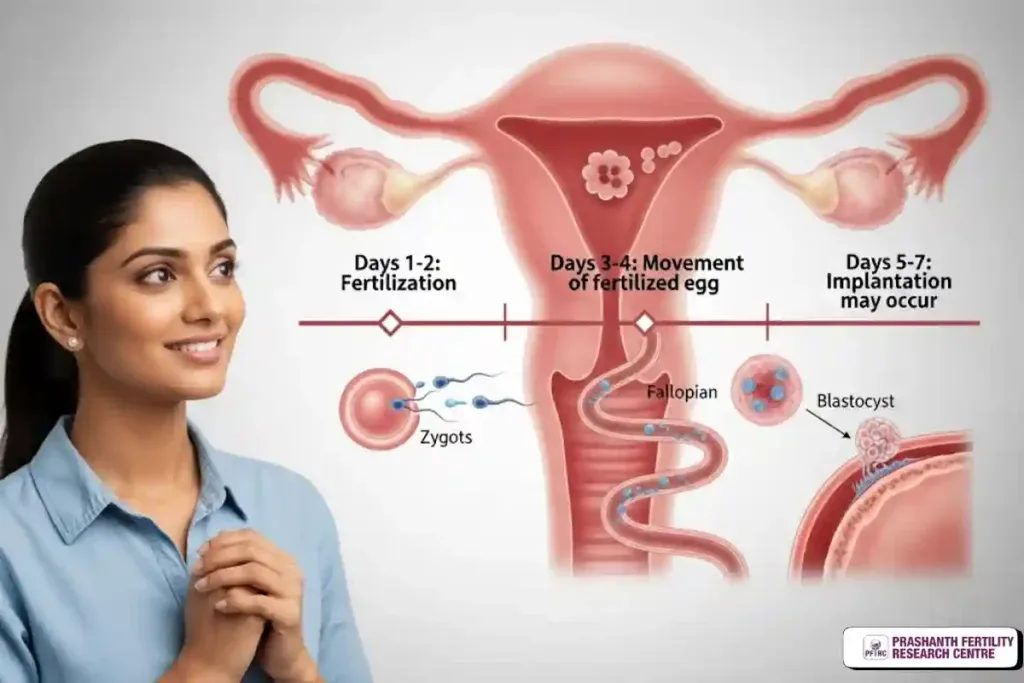
The Impact of Lifestyle on Male and Female Factor Infertility: How to Improve Your Chances
2. Alcohol consumption: Excessive alcohol consumption can lead to irregular menstrual cycles, making it difficult to predict ovulation and conceive.
3. Drug use: Similar to men, recreational drug use can affect a woman’s fertility by disrupting her menstrual cycle and ovulation.
4. Obesity: Being overweight or obese can lead to hormonal imbalances and affect ovulation. It can also increase the risk of insulin resistance and polycystic ovary syndrome (PCOS), both of which can cause infertility.
5. Stress: Chronic stress can affect a woman’s menstrual cycle and ovulation, making it difficult to conceive. It can also increase the risk of conditions like endometriosis, which can cause infertility.
To improve female fertility, it is crucial to make healthy lifestyle choices. Quitting smoking, limiting alcohol consumption, avoiding drugs, maintaining a healthy weight, and managing stress can all help regulate menstrual cycles and increase the chances of conception.
Tips for Improving Your Chances of Conceiving:
1. Eat a healthy diet: A well-balanced diet rich in fruits, vegetables, and lean proteins can provide essential nutrients for reproductive health. It is also essential to limit processed foods and sugar, as they can lead to inflammation and hormonal imbalances.
2. Exercise regularly: Regular physical activity can help maintain a healthy weight and reduce stress levels, both of which are crucial for fertility.
3. Limit caffeine intake: Studies have shown that excessive caffeine consumption can affect ovulation and decrease fertility in women. It is recommended to limit caffeine intake to 200mg per day.
4. Get enough sleep: Adequate sleep is crucial for reproductive health and hormone regulation. Aim for 7-9 hours of sleep per night to improve your chances of conceiving.
5. Consider supplements: Certain supplements, such as folic acid, can help improve fertility in both men and women. Consult with your doctor to determine which supplements may be beneficial for you.
6. Seek medical help if needed: If you have been trying to conceive for over a year (or six months if you are over 35), it is essential to seek medical help. A fertility specialist can help identify any underlying issues and provide treatment options.
In conclusion, lifestyle choices can have a significant impact on both male and female fertility. Making healthy lifestyle changes, such as quitting smoking, limiting alcohol consumption, and managing stress, can improve sperm and egg quality, regulate menstrual cycles, and increase the chances of conceiving. If you are struggling to conceive, it is essential to seek medical help and explore all possible factors, including lifestyle, that may be contributing to infertility.