Taking Control of Your Fertility Journey: Choosing Between Intrauterine Insemination vs Timed Intercourse
For many couples, starting a family is an exciting and much-anticipated journey. However, for some, it can also be a challenging and emotional process. When trying to conceive, there may come a point when you need to consider fertility treatments. Intrauterine insemination (IUI) and timed intercourse (TI) are two common options for couples struggling with fertility. Both methods have their own pros and cons, and it is important to understand the differences between them in order to make an informed decision. In this blog post, we will explore the key factors to consider when choosing between IUI and TI, and how you can take control of your fertility journey.
What is Intrauterine Insemination (IUI)?
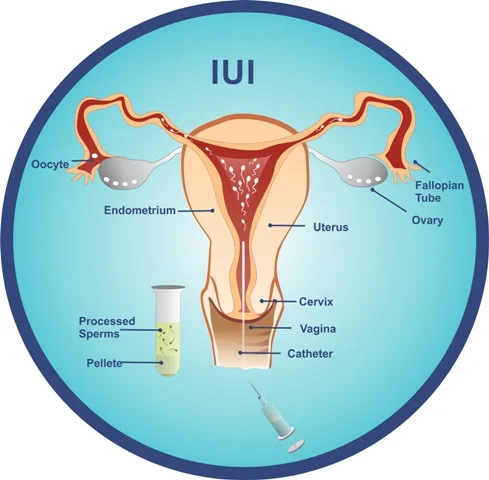
Intrauterine insemination, also known as artificial insemination, is a fertility treatment where sperm is placed directly into the uterus using a thin catheter. The goal of IUI is to increase the number of sperm that reach the fallopian tubes, making it easier for the sperm to fertilize the egg. This procedure is typically done around the time of ovulation, and can be done with or without fertility drugs.
The Pros and Cons of IUI
One of the main advantages of IUI is that it is a less invasive and less expensive option compared to other fertility treatments such as in vitro fertilization (IVF). It also has a higher success rate than timed intercourse, making it a popular choice for couples struggling with fertility. Additionally, IUI can be a good option for couples with male factor infertility, as the sperm is washed and prepared before being inserted into the uterus, increasing the chances of fertilization.
However, IUI also has some limitations. It may not be as effective for couples with certain fertility issues such as blocked fallopian tubes or severe male factor infertility. It also does not guarantee pregnancy, and multiple cycles may be needed in order to achieve success. Furthermore, there is a risk of multiple pregnancies with IUI, which can increase the chances of complications during pregnancy and delivery.
What is Timed Intercourse (TI)?
Timed intercourse, also known as natural intercourse, is a fertility treatment where couples are instructed to have sex during their most fertile days. This method relies on tracking ovulation and having intercourse at the right time to increase the chances of conception. Fertility drugs may also be used to stimulate ovulation in some cases.
The Pros and Cons of TI
One of the main advantages of TI is that it is a natural and non-invasive option for couples trying to conceive. It also allows for more privacy and intimacy compared to other fertility treatments. Additionally, the cost of TI is significantly lower than IUI and other treatments.
However, timing is crucial with TI, and if ovulation is missed or not accurately tracked, the chances of conception decrease. It also may not be as effective for couples with certain fertility issues such as low sperm count or irregular ovulation. Furthermore, the success rate of TI is lower than IUI, and multiple cycles may still be needed to achieve pregnancy.
Key Factors to Consider When Choosing Between IUI and TI
When deciding between IUI and TI, there are several important factors to consider:
1. Underlying Fertility Issues: If you or your partner have certain fertility issues, such as blocked fallopian tubes or low sperm count, IUI may be a better option.
2. Cost: IUI is generally more expensive than TI, so if cost is a major concern, TI may be a better choice.
3. Age: As a woman gets older, her fertility decreases, so IUI may be a more time-sensitive option for women over 35.
4. Success Rates: If you have been trying to conceive for a long time without success, or if you have had multiple failed TI cycles, IUI may be a better option with higher success rates.
5. Personal Preferences: Some couples may feel more comfortable with one method over the other and it is important to consider personal preferences when making this decision.
Taking Control of Your Fertility Journey
It is important to remember that every couple’s fertility journey is unique, and what works for one couple may not work for another. It is crucial to consult with a fertility specialist and thoroughly discuss your options before making a decision. Additionally, tracking your menstrual cycle and ovulation can help you better understand your fertility and increase your chances of conception. Overall, the key to taking control of your fertility journey is to stay informed and make decisions that are best for you and your partner.
In conclusion, choosing between intrauterine insemination and timed intercourse is a personal decision that should be carefully considered. Both methods have their own benefits and limitations, and it is important to consult with a fertility specialist to determine the best option for your specific situation. By understanding the key factors and taking control of your fertility journey, you can increase your chances of conceiving and starting a family.