Tag: surrogacy vs adoption

  • Understanding the Surrogacy vs Adoption Process

    Blog Post: Understanding the Surrogacy vs Adoption Process

    The decision to start a family is one of the biggest and most life-changing choices a person can make. For some, the traditional path of pregnancy and childbirth may not be an option for various reasons. This is where alternative options such as surrogacy and adoption come into play. Both processes involve bringing a child into a loving and caring home, but the methods and legalities behind them can be vastly different. In this blog post, we will delve into the surrogacy vs adoption process to help you gain a better understanding of each and make an informed decision on which may be the right path for you.

    Surrogacy is a process where a woman carries and gives birth to a child for another individual or couple, also known as the intended parents. There are two main types of surrogacy: traditional surrogacy and gestational surrogacy. Traditional surrogacy involves the surrogate mother using her own egg and being artificially inseminated with the intended father’s sperm or a donor’s sperm. This means that the surrogate is biologically related to the child she carries. On the other hand, gestational surrogacy involves the use of in vitro fertilization (IVF) to create an embryo using the intended parents’ or donors’ genetic material. The embryo is then transferred to the surrogate’s uterus, and she carries the pregnancy to term. In this case, the surrogate has no genetic relation to the child.

    One of the main advantages of surrogacy is that the intended parents have control over the genetic makeup of the child. This is especially important for couples struggling with infertility or same-sex couples who want to have a biological connection to their child. Surrogacy also allows for a more personalized experience, as the intended parents can choose the surrogate they feel most comfortable with and be involved in the pregnancy journey.

    However, surrogacy can also come with its own set of challenges and complexities. One of the biggest concerns is the legal aspect. Laws and regulations surrounding surrogacy vary from state to state and even country to country, making the process an intricate web of legal procedures and agreements. It is crucial to consult with a lawyer who specializes in surrogacy to ensure that all parties’ rights and responsibilities are protected. Surrogacy can also be a costly process, with expenses such as medical procedures, compensation for the surrogate, and legal fees adding up quickly.

    illustration of a uterus with a syringe, representing intrauterine insemination procedure

    Understanding the Surrogacy vs Adoption Process

    Adoption, on the other hand, is the legal process of assuming the responsibility of raising a child who is not biologically related to the adoptive parents. There are different types of adoption, including domestic, international, and foster care adoption. Domestic adoption is when the adoptive parents and the child are from the same country, while international adoption involves adopting a child from a different country. Foster care adoption is when a child in the foster care system is placed in a permanent home with adoptive parents.

    One of the significant benefits of adoption is that it provides a loving home for a child who may not have had one otherwise. It also allows individuals or couples to experience the joys of parenthood without having to go through pregnancy and childbirth. Adoption can also be a more affordable option compared to surrogacy, with some organizations offering financial assistance to adoptive parents.

    However, the adoption process can be lengthy and emotionally taxing. It involves a thorough background check, home study, and approval process, and the adoptive parents must meet all the requirements set by the adoption agency or state. It is also essential to consider the child’s well-being, as adoption can bring with it a range of emotions for the child, including feelings of abandonment and loss. Adoptive parents must be prepared to provide the necessary love, support, and resources to help the child adjust to their new family.

    In conclusion, both surrogacy and adoption offer a path to parenthood for individuals and couples who are unable to conceive or carry a child. Surrogacy provides the opportunity for a biological connection to the child, while adoption offers a chance to provide a loving home for a child in need. However, both processes come with their own set of challenges and considerations, making it crucial to thoroughly research and consult with professionals before making a decision.

    Summary: In this blog post, we explored the surrogacy vs adoption process to help individuals and couples gain a better understanding of each option. Surrogacy involves a woman carrying a child for the intended parents, while adoption is the legal process of assuming responsibility for raising a child. Both processes have their advantages and challenges, and it is crucial to thoroughly research and consult with professionals before making a decision.
  • Managing Expectations in Surrogacy vs Adoption

    Managing expectations is an important aspect of any major life decision, including the choice to pursue surrogacy or adoption. Both surrogacy and adoption are viable options for individuals or couples looking to start or expand their family. However, they come with their own unique challenges and expectations. It is crucial for those considering either option to understand the differences in managing expectations between surrogacy and adoption.

    Surrogacy is the process of carrying and giving birth to a child for someone else. This can be done through traditional surrogacy, where the surrogate’s own egg is fertilized with the intended parent’s sperm, or gestational surrogacy, where an embryo created through in vitro fertilization (IVF) is implanted into the surrogate’s uterus. On the other hand, adoption is the legal process of permanently transferring parental rights and responsibilities from the biological parents to the adoptive parents.

    One of the main differences in managing expectations between surrogacy and adoption is the level of control and involvement in the process. In surrogacy, the intended parents have more control over the pregnancy and birth experience. They can choose the surrogate, have a say in the medical decisions, and be present for the birth of their child. This level of involvement can lead to higher expectations for the intended parents, as they may have a specific vision for how the pregnancy and birth should go.

    In contrast, adoption involves relinquishing control to a certain extent. The adoptive parents may have less input in the birth mother’s decisions and may not be present for the birth of their child. This can be challenging for some adoptive parents, as they may have expectations for how they want the birth mother to behave during the pregnancy and delivery. Additionally, adoptive parents may also have expectations for the child’s behavior and development, which may not always align with reality.

    Another aspect to consider when managing expectations in surrogacy and adoption is the timeline and cost. Surrogacy can be a lengthy and expensive process, as it involves multiple medical procedures and legal aspects. Intended parents may have high expectations for the timeline, hoping for a quick and smooth process. However, there may be delays or complications along the way, leading to disappointment and frustration. The same can be said for the financial aspect of surrogacy, as it can be a significant investment.

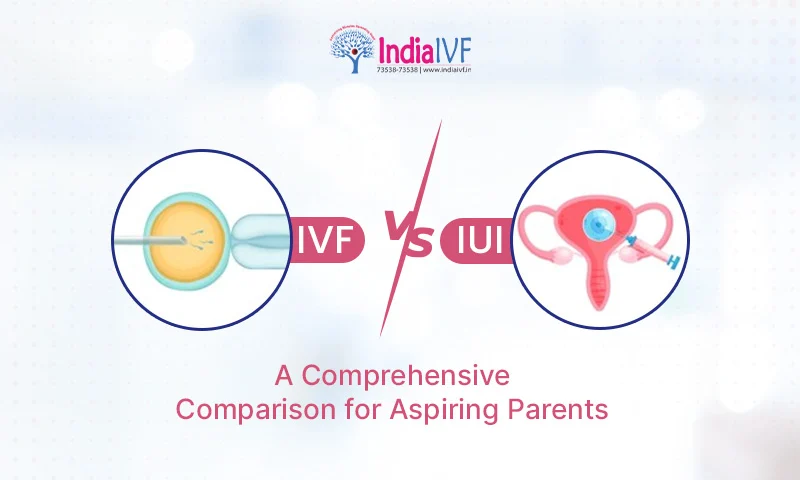
    IVF vs IUI comparison graphic highlighting reproductive methods for aspiring parents.

    Managing Expectations in Surrogacy vs Adoption

    Adoption, on the other hand, also has its own timeline and costs to manage. The process can vary greatly depending on the type of adoption (domestic, international, foster care) and the specific circumstances of the birth parents. Adoptive parents may have expectations for how long the process will take and how much it will cost, but these expectations may not always be met. This can lead to disappointment and stress, especially for those who are dealing with infertility and may feel like time is running out.

    In addition to managing expectations for the process itself, it is crucial for both surrogacy and adoption to consider the expectations for the relationship between the child and the surrogate or birth parents. In surrogacy, the intended parents may have expectations for the level of involvement the surrogate will have in the child’s life. Some may hope for a close relationship, while others may prefer a more distant one. It is important for all parties involved to discuss and establish clear boundaries and expectations before the child is born to avoid any potential conflicts.

    Similarly, in adoption, the adoptive parents may have expectations for the birth parents’ involvement in the child’s life. Some may desire an open adoption, where the birth parents have ongoing contact with the child, while others may prefer a closed adoption with no contact. It is crucial for adoptive parents to have realistic expectations for the birth parents’ role in their child’s life, as it can greatly impact the child’s well-being and development.

    Overall, managing expectations in both surrogacy and adoption is essential for a successful and fulfilling experience. It is crucial for all parties involved to have open and honest communication, establish clear boundaries, and have realistic expectations for the process, timeline, costs, and relationship with the child. Both surrogacy and adoption have the potential to bring great joy and fulfillment to those involved, but it is important to approach them with a realistic and open mindset.

    In conclusion, managing expectations is a crucial aspect of both surrogacy and adoption. While there are similarities in the process, there are also distinct differences that must be considered. It is essential for those considering either option to have a clear understanding of what to expect and to approach the process with an open and realistic mindset. By managing expectations effectively, individuals and couples can have a positive and fulfilling experience in their journey to building a family.