Traditional Surrogacy vs. Gestational Surrogacy: Which is Right for You?
Surrogacy has become a popular option for couples and individuals who are unable to conceive a child on their own. With advancements in technology and changing societal attitudes, surrogacy has become a viable and accessible option for many. However, there are different types of surrogacy, and it can be overwhelming to understand the differences and decide which one is right for you. In this blog post, we will discuss the two main types of surrogacy: traditional surrogacy and gestational surrogacy. We will explore the processes, pros and cons, and legal considerations for each, to help you make an informed decision on which one may be the best fit for your unique situation.
Traditional Surrogacy
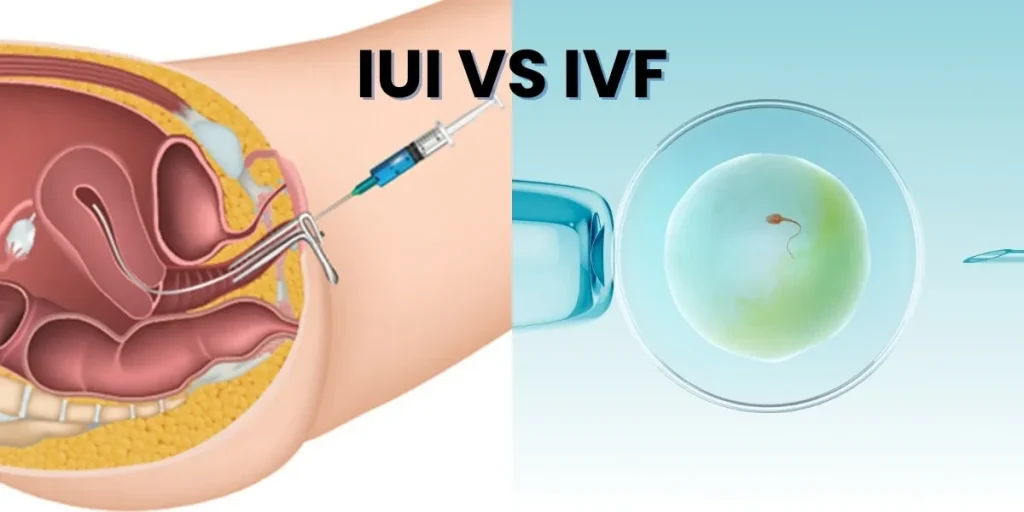
Traditional surrogacy, also known as genetic surrogacy, is the more traditional method of surrogacy that has been practiced for centuries. In this type of surrogacy, the surrogate mother is inseminated with the intended father’s sperm, either through artificial insemination or natural intercourse. This means that the surrogate mother is also the biological mother of the child, as her eggs are used in the conception process.
Pros of Traditional Surrogacy
One of the main advantages of traditional surrogacy is the cost. Since there is no need for an egg donor, the expenses involved in traditional surrogacy are significantly lower than gestational surrogacy. This makes it a more affordable option for those who may be on a tight budget.
Another benefit of traditional surrogacy is the emotional bond that can be formed between the surrogate mother and the child. As the surrogate mother is the biological mother of the child, she may feel more connected to the baby, which can result in a stronger emotional connection. This can be beneficial for both the surrogate mother and the intended parents, as they can have a more personal relationship throughout the surrogacy journey.
Cons of Traditional Surrogacy
One of the biggest concerns with traditional surrogacy is the legal implications. Since the surrogate mother is also the biological mother of the child, there can be legal complications regarding custody and parental rights. In some cases, the surrogate mother may decide to keep the child after birth, which can lead to a lengthy legal battle for the intended parents.
Another disadvantage of traditional surrogacy is the risk of passing on genetic diseases or health issues from the surrogate mother to the child. As the surrogate mother’s eggs are used in the conception process, there is a higher chance for any genetic conditions or health concerns to be passed on to the child. This can be a significant concern for intended parents who want to ensure the health of their child.
Gestational Surrogacy

Traditional Surrogacy vs. Gestational Surrogacy: Which is Right for You?
Gestational surrogacy, also known as full surrogacy, is a more modern approach to surrogacy that has gained popularity in recent years. In this type of surrogacy, the surrogate mother carries the pregnancy, but the eggs and sperm used for conception come from the intended parents or donors. This means that the surrogate mother has no genetic ties to the child, making it a more straightforward and legally secure option.
Pros of Gestational Surrogacy
One of the most significant advantages of gestational surrogacy is the legal security it offers. Since the surrogate mother has no genetic connection to the child, there is no risk of any legal complications regarding custody or parental rights. This can provide peace of mind for intended parents, knowing that they will have full legal rights to their child.
Another benefit of gestational surrogacy is the ability to select an egg donor. This can be beneficial for intended parents who may have fertility issues or want to have a child with specific genetic traits. Choosing an egg donor allows them to have a biological connection to their child, giving them a more personal connection to the surrogacy process.
Cons of Gestational Surrogacy
The main disadvantage of gestational surrogacy is the cost. Since an egg donor is required, the expenses involved in gestational surrogacy are significantly higher than traditional surrogacy. This can be a hurdle for some intended parents, as it may not be a financially viable option for them.
Another potential downside of gestational surrogacy is the lack of a genetic connection between the surrogate mother and the child. This can mean that the surrogate mother may not feel as emotionally invested in the pregnancy as she would in traditional surrogacy. This can also make it more challenging to establish a personal relationship between the surrogate mother and intended parents.
Which is Right for You?
There is no one-size-fits-all answer to which type of surrogacy is right for you. It ultimately depends on your personal circumstances, preferences, and budget. Traditional surrogacy may be a better option for those on a tight budget and those who want a more personal connection with the surrogate mother. On the other hand, gestational surrogacy may be a more secure choice for those who want a legally sound process and the ability to select an egg donor.
However, it is essential to consider the legal implications of each type of surrogacy and consult with medical and legal professionals before making a decision. It is also crucial to have open and honest communication with the surrogate mother and have a clear understanding of each other’s expectations and boundaries. With proper research and guidance, you can make an informed decision on which type of surrogacy is the best fit for your family.
In summary, traditional surrogacy involves the surrogate mother being inseminated with the intended father’s sperm, making her the biological mother of the child. This type of surrogacy is more affordable and can result in a stronger emotional bond between the surrogate mother and the child. However, there may be legal complications and a higher risk of genetic health issues. On the other hand, gestational surrogacy involves the surrogate mother carrying the pregnancy, but the eggs and sperm used for conception come from the intended parents or donors. This option provides legal security and the ability to select an egg donor, but it can be more expensive and may not have the same emotional bond between the surrogate mother and the child. Ultimately, the decision between traditional or gestational surrogacy depends on your individual needs and circumstances.