Exploring the Pros and Cons of Traditional and Gestational Surrogacy
Surrogacy has become a popular option for couples and individuals who are unable to conceive children on their own. However, there are two main types of surrogacy: traditional and gestational. While both involve a woman carrying a child for someone else, there are distinct differences between the two. In this blog post, we will explore the pros and cons of traditional and gestational surrogacy to help you make an informed decision about which option may be right for you.
Traditional Surrogacy
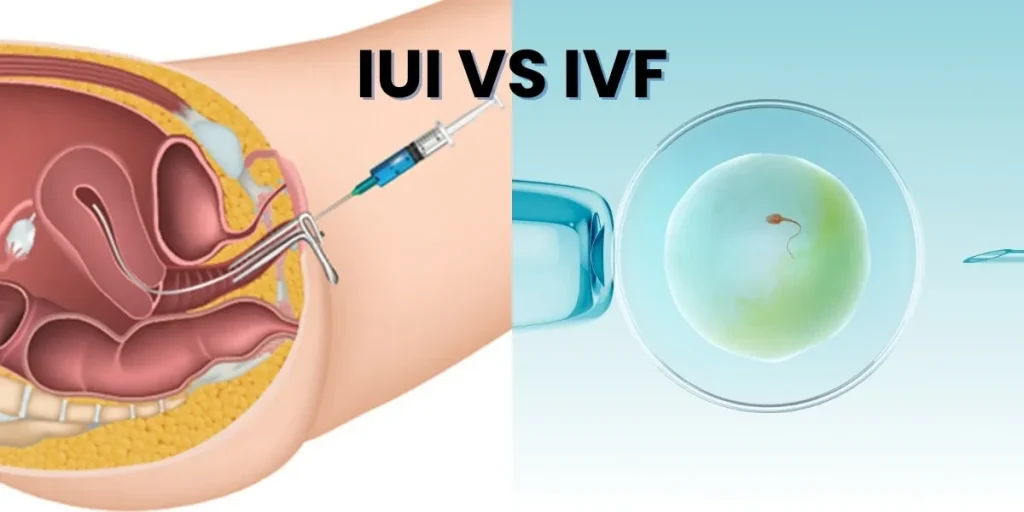
Traditional surrogacy is also known as genetic or partial surrogacy. In this type of surrogacy, the surrogate mother is artificially inseminated with the intended father’s sperm or donor sperm. This means that the surrogate is the biological mother of the child. Traditional surrogacy is typically less expensive than gestational surrogacy, as it does not involve medical procedures such as in vitro fertilization (IVF).
Pros of Traditional Surrogacy:
1. Genetic Connection: One of the main advantages of traditional surrogacy is that the child will be genetically related to the intended father or sperm donor. This can be important for couples who want a genetic connection to their child.
2. Cost: As mentioned, traditional surrogacy is usually less expensive than gestational surrogacy. This can be a significant factor for those who are on a tight budget.
3. Simpler Process: Traditional surrogacy involves a simpler process as it does not require the use of IVF or any other medical procedures. This can make the process less stressful and invasive for the surrogate mother.
Cons of Traditional Surrogacy:
1. Legal Complications: In traditional surrogacy, the surrogate is the biological mother of the child. This can lead to legal complications, as the surrogate may have legal rights to the child. In some cases, the surrogate may change her mind and decide to keep the baby, causing a lengthy and emotionally draining legal battle.
2. Emotional Attachment: In traditional surrogacy, the surrogate mother may develop an emotional attachment to the child, as she is genetically related to the baby. This can make it difficult for her to give up the child after birth.
3. Potential Health Risks: Traditional surrogacy involves artificial insemination, which can put the surrogate mother at risk for health complications such as infections or bleeding.
Exploring the Pros and Cons of Traditional and Gestational Surrogacy
Gestational Surrogacy
Gestational surrogacy, also known as full surrogacy, is the more common type of surrogacy today. In this type of surrogacy, the surrogate mother has no genetic connection to the child. The embryo is created through IVF using the intended parents’ or donors’ gametes, and then transferred to the surrogate’s uterus.
Pros of Gestational Surrogacy:
1. No Genetic Connection: For couples or individuals who do not want a genetic connection to their child, gestational surrogacy is a great option. The child will be biologically related to the intended parents or donors.
2. Legal Protection: In gestational surrogacy, the intended parents have a legal right to the child, as there is no genetic connection between the surrogate and the baby. This can help avoid potential legal battles and give the intended parents peace of mind.
3. Reduced Health Risks: Since gestational surrogacy does not involve artificial insemination, the surrogate mother is not at risk for health complications associated with that procedure.
Cons of Gestational Surrogacy:
1. Cost: Gestational surrogacy is usually more expensive than traditional surrogacy due to the use of IVF and other medical procedures.
2. Emotional Distress: The surrogate mother may experience emotional distress during the pregnancy, as she is carrying a child that is not biologically related to her. This can be a challenging emotional journey for her.
3. Legal Complications: While gestational surrogacy offers legal protection for the intended parents, there may still be legal complications if the surrogate changes her mind and decides to keep the child after birth.
Summary:
Surrogacy can be a viable option for individuals and couples struggling with infertility. However, it is crucial to understand the pros and cons of both traditional and gestational surrogacy. Traditional surrogacy offers a genetic connection to the intended parents, lower costs, and a simpler process. However, it comes with potential legal complications, emotional attachment, and health risks for the surrogate mother. On the other hand, gestational surrogacy eliminates the genetic connection, offers legal protection, and reduces the health risks for the surrogate. But it can be more expensive, emotionally challenging, and may still involve legal complications. Ultimately, the decision between traditional and gestational surrogacy will depend on the individual’s or couple’s personal circumstances and preferences.