Tag: surgical options

  • Fertility Medications vs Surgery: A Comprehensive Comparison

    Fertility issues can be a challenging and emotional journey for couples trying to conceive. Fortunately, advancements in medical technology have provided various options to help individuals and couples overcome fertility struggles. Two of the most common approaches are fertility medications and surgery. While both aim to improve fertility and increase the chances of pregnancy, they differ in terms of method, effectiveness, and potential risks. In this blog post, we will provide a comprehensive comparison of fertility medications and surgery to help you make an informed decision on which option may be best for you.

    Fertility Medications:
    Fertility medications, also known as fertility drugs, are prescription medications that are often the first step in treating infertility. These drugs work to stimulate the ovaries and promote the growth and release of eggs. They are commonly used in assisted reproductive technology (ART) procedures such as in vitro fertilization (IVF) and intrauterine insemination (IUI). Fertility medications come in various forms, including pills, injections, and nasal sprays, and they work by mimicking the hormones necessary for ovulation.

    Effectiveness:
    Fertility medications have been shown to be effective in treating a variety of fertility issues, including irregular ovulation, polycystic ovary syndrome (PCOS), and unexplained infertility. They have a success rate of around 20-60%, depending on the type of medication and the individual’s specific condition. However, it’s important to note that the effectiveness of fertility medications can also be influenced by a person’s age, overall health, and other underlying fertility factors.

    Risks:
    Like any medication, fertility drugs come with potential risks and side effects. Some of the common side effects include headaches, bloating, hot flashes, and mood swings. In rare cases, fertility drugs can also lead to more severe complications such as ovarian hyperstimulation syndrome (OHSS), which can cause abdominal pain, bloating, and fluid buildup in the abdomen. It’s essential to discuss the potential risks and side effects with your doctor before beginning any fertility medication regimen.

    Surgery:
    Surgery is another option for treating fertility issues and is often recommended for more severe cases. There are various surgical procedures available, depending on the underlying cause of infertility. Some of the most common surgeries include laparoscopy, hysteroscopy, and tubal surgery. These procedures can address issues such as blocked fallopian tubes, fibroids, and endometriosis.
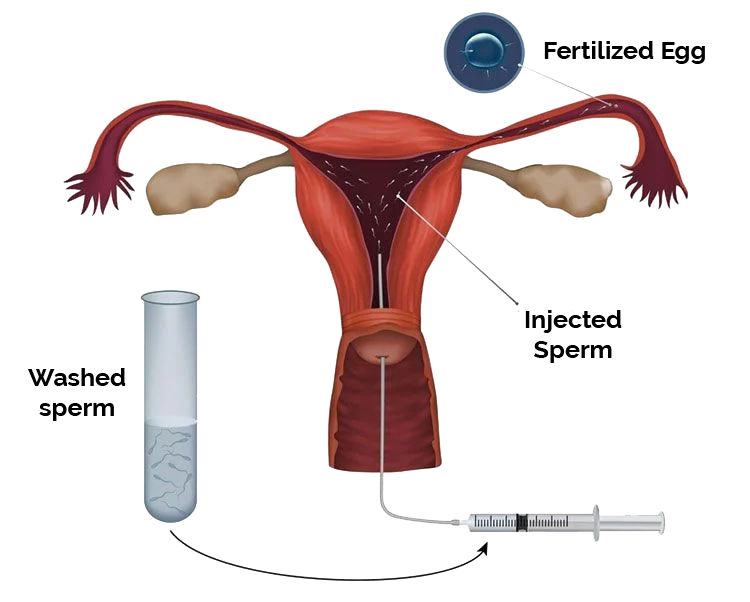
    diagram of the female reproductive system with an IUI syringe and test tube for artificial insemination

    Fertility Medications vs Surgery: A Comprehensive Comparison

    Effectiveness:
    The effectiveness of fertility surgery varies depending on the type of surgery and the individual’s specific condition. For example, tubal surgery to repair blocked or damaged fallopian tubes has a success rate of around 30-50%, while surgery to remove fibroids or endometriosis has a success rate of 40-80%. It’s important to note that surgery may not be effective for all types of fertility issues, and some individuals may require further treatments, such as fertility medications or ART procedures.

    Risks:
    Surgery carries more significant risks than fertility medications, as it involves a more invasive procedure. Depending on the type of surgery, potential risks may include bleeding, infection, damage to surrounding organs, and complications from anesthesia. It’s crucial to discuss the potential risks with your doctor and ensure that you are a good candidate for surgery before proceeding.

    Which option is best for you?
    The decision between fertility medications and surgery ultimately depends on your specific fertility issues and your doctor’s recommendation. In some cases, a combination of both may be necessary to achieve the best results. It’s essential to have a thorough consultation with your doctor to discuss your medical history, fertility concerns, and potential treatment options.

    In summary, fertility medications and surgery are two viable options for treating infertility. Fertility medications are often the first line of treatment and can be effective in addressing a variety of fertility issues. However, they come with potential risks and side effects. Surgery, on the other hand, is a more invasive option that may be necessary for more severe cases of infertility. It’s essential to weigh the potential risks and benefits of both options and consult with your doctor to determine the best course of action for your individual situation.

    In conclusion, fertility medications and surgery are valuable tools in the journey towards parenthood. Each has its own advantages and limitations, and the decision ultimately depends on the individual’s specific fertility concerns. With advancements in medical technology, there are now more options available than ever before for couples struggling with infertility. With the guidance of a trusted healthcare provider, individuals can make informed decisions and take steps towards achieving their dream of starting a family.
  • Exploring the Differences Between Fertility Medications and Surgical Options

    Exploring the Differences Between Fertility Medications and Surgical Options

    Fertility issues can be a challenging and emotional experience for individuals or couples trying to conceive. Fortunately, there are various fertility treatments available, including medications and surgical options, that can help improve the chances of pregnancy. However, understanding the differences between these treatment options is essential in making an informed decision about the best course of action for your specific situation. In this blog post, we will explore the differences between fertility medications and surgical options and how they work to increase fertility.

    Understanding Fertility Medications

    Fertility medications, also known as fertility drugs, are used to stimulate the ovaries to produce more eggs, regulate ovulation, and increase the chances of conception. These medications can be prescribed to women who have irregular menstrual cycles, polycystic ovary syndrome (PCOS), or other hormonal imbalances that affect fertility.

    The most commonly used fertility medications are Clomiphene citrate (Clomid) and Gonadotropins. Clomid is a pill that is taken orally and works by blocking estrogen receptors in the brain, causing the body to produce more follicle-stimulating hormone (FSH) and luteinizing hormone (LH). These hormones are responsible for stimulating the growth of follicles in the ovaries, which contain eggs. Gonadotropins, on the other hand, are injectable medications that contain FSH and LH and are used to directly stimulate the ovaries to produce more eggs.

    Fertility medications are often the first-line treatment for fertility issues and are generally well-tolerated with few side effects. However, they can increase the risk of multiple pregnancies and may not be suitable for women who have underlying medical conditions like ovarian cysts or uterine fibroids.

    Exploring Surgical Options for Fertility

    In some cases, fertility issues may be caused by structural or physical problems that cannot be corrected with medications. In such instances, surgical options may be recommended to improve fertility. These procedures are typically performed by a reproductive endocrinologist, a specialist in fertility and reproductive health.

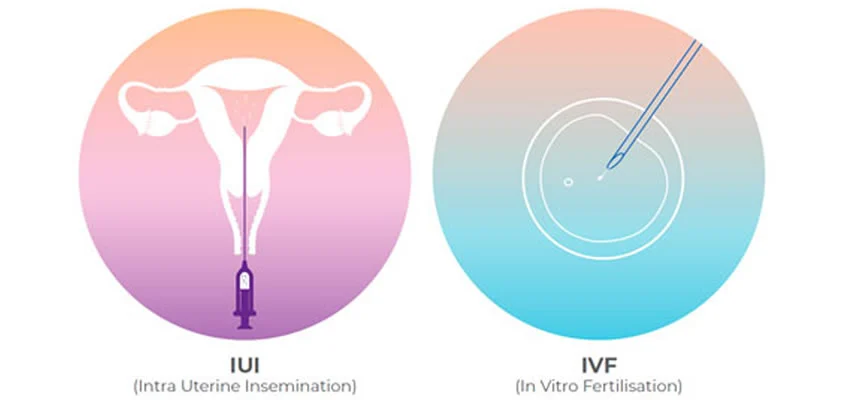
    comparison of IUI and IVF procedures illustrated with simple graphics and labels

    Exploring the Differences Between Fertility Medications and Surgical Options

    One of the most common surgical procedures for fertility is laparoscopy, which is a minimally invasive surgical technique that involves making small incisions in the abdomen to access and correct any abnormalities in the reproductive organs. It can be used to diagnose and treat conditions such as endometriosis, uterine fibroids, or blocked fallopian tubes. Another surgical procedure, hysteroscopy, involves inserting a thin, lighted tube through the cervix to examine and treat any abnormalities in the uterus that may affect fertility.

    Surgical options for fertility are generally safe and effective, but they do carry some risks, including infection, bleeding, and damage to surrounding organs. Recovery time may also vary, depending on the type of surgery and individual healing abilities.

    Which Option is Right for You?

    When it comes to choosing between fertility medications and surgical options, there is no one-size-fits-all approach. The best option for you will depend on various factors, including the cause of your fertility issues, your medical history, and your overall health. It is essential to consult with a fertility specialist to determine the most suitable treatment option for your specific situation.

    In some cases, a combination of both fertility medications and surgical procedures may be recommended, especially for women who have multiple fertility issues. For example, a woman with PCOS may be prescribed Clomid to stimulate ovulation and undergo laparoscopy to remove any ovarian cysts that may be affecting fertility.

    It is also crucial to consider the emotional and financial aspects of fertility treatments when deciding on the right option for you. Fertility medications are often more affordable and less invasive, while surgical options may require a more significant financial investment and longer recovery time.

    In conclusion, fertility medications and surgical options are two types of treatments available for individuals or couples struggling with fertility issues. While fertility medications work by stimulating ovulation and increasing the chances of conception, surgical options can correct structural or physical problems that may affect fertility. Ultimately, the best option for you will depend on various factors and should be discussed with a fertility specialist.

    Summary:

    Fertility issues can be a challenging and emotional experience, but there are various treatment options available. Fertility medications, such as Clomid and Gonadotropins, work by stimulating ovulation, while surgical options, like laparoscopy and hysteroscopy, can correct structural or physical problems that may affect fertility. The best option for an individual or couple will depend on factors such as the cause of fertility issues, medical history, and overall health, and should be discussed with a fertility specialist.