Tag: support systems

  • The Emotional Side of Fertility Preservation: Coping with the Unknown

    Blog Post:

    Fertility preservation has become a popular option for individuals who want to delay parenthood for various reasons. Whether it’s due to medical conditions, career goals, or personal circumstances, fertility preservation allows individuals to freeze their eggs or sperm for future use. However, this process also comes with emotional challenges, especially when it involves the unknown. In this blog post, we will discuss the emotional side of fertility preservation and offer coping strategies for dealing with the uncertainties that come with it.

    The decision to pursue fertility preservation is often a difficult one. It involves acknowledging the possibility that one may not be able to conceive naturally in the future. This realization can bring about feelings of sadness, anger, and grief. For many, it can also trigger a sense of loss and a fear of missing out on a crucial aspect of life. These emotions can be overwhelming, and it’s essential to address them before and during the fertility preservation process.

    One of the most significant uncertainties that individuals face during fertility preservation is the success rate. While advancements in technology have improved the success rates, there is still no guarantee that the frozen eggs or sperm will result in a successful pregnancy in the future. This uncertainty can cause tremendous anxiety and stress, and it’s crucial to find healthy ways to cope with these emotions.

    One coping strategy is to educate yourself about the fertility preservation process thoroughly. Understanding the steps involved, the success rates, and the potential risks can help manage expectations and reduce anxiety. It’s also essential to have open and honest discussions with your doctor and fertility specialist. Ask questions, express your concerns, and have realistic conversations about the process. This can help you feel more in control and alleviate some of the fears and uncertainties.

    Another significant emotional challenge that individuals face during fertility preservation is the financial burden. The process can be expensive, and not everyone has the financial means to pursue it. This can lead to feelings of guilt, frustration, and even shame for not being able to afford something that could potentially change their future. It’s essential to acknowledge these emotions and find ways to cope with them.
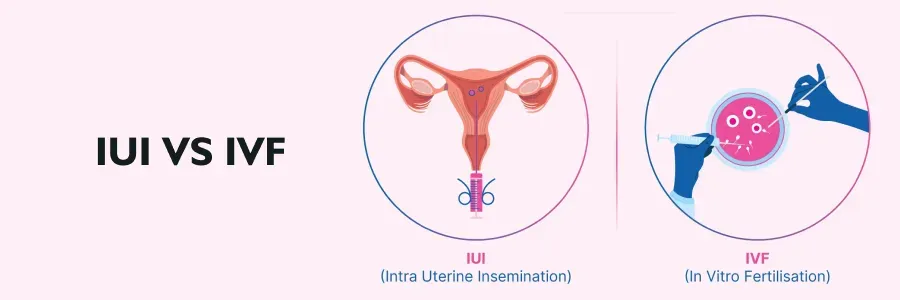
    Comparison of IUI and IVF with illustrations of each procedure.

    The Emotional Side of Fertility Preservation: Coping with the Unknown

    One way to manage the financial burden is to research and explore different payment options. Some fertility clinics offer financing plans, and there may be grants or financial assistance programs available. It’s also crucial to have open and honest conversations with your partner, family, and friends about the financial challenges you may be facing. This can help alleviate some of the pressure and provide emotional support.

    In addition to the emotional challenges of fertility preservation, individuals also have to cope with the physical aspects of the process. For women, it involves hormone injections, egg retrieval procedures, and potential side effects. For men, it may involve frequent semen samples and potential surgical procedures. These physical demands can take a toll on one’s emotional well-being.

    It’s essential to prioritize self-care during the fertility preservation process. This can include getting enough rest, eating a healthy diet, and engaging in physical activity. It’s also crucial to find healthy ways to manage stress, such as meditation, yoga, or therapy. Taking care of your physical and emotional well-being can help you feel more in control and better equipped to handle the uncertainties of the process.

    Another emotional challenge that individuals face during fertility preservation is the impact on relationships. It can be challenging to navigate the process with a partner, family members, or friends, especially if they have different opinions or expectations. There may also be feelings of isolation and loneliness, as not everyone may understand or support the decision to pursue fertility preservation.

    It’s essential to communicate openly and honestly with your partner and loved ones throughout the process. Share your thoughts, fears, and hopes with them, and listen to their perspectives as well. It’s also crucial to set boundaries and take breaks from conversations or situations that may be triggering or overwhelming. Seeking support from a therapist or joining a support group can also be beneficial in managing the emotional toll on relationships.

    Lastly, it’s crucial to acknowledge that the emotional side of fertility preservation is a journey. It’s not a one-time event, and it’s normal to experience a range of emotions throughout the process. It’s essential to be patient and kind to yourself and allow yourself to feel and process these emotions. It’s also crucial to celebrate the milestones and successes, no matter how small they may seem.

    In summary, fertility preservation is a complex and emotional journey that involves coping with the unknown. It’s essential to address the emotional challenges that come with it and find healthy ways to cope. This can include educating yourself, seeking support, prioritizing self-care, and communicating openly with your partner and loved ones. Remember to be patient and kind to yourself and celebrate the milestones and successes along the way. Fertility preservation may involve uncertainties, but with the right support and coping strategies, you can navigate through it and make the best decisions for your future.
  • Single Motherhood: Navigating Career and Parenthood

    Blog Post: Single Motherhood: Navigating Career and Parenthood

    Being a single mother is a challenging but rewarding experience. Not only do you have to navigate the ups and downs of parenthood, but you also have the added responsibility of providing for your family on your own. One of the biggest challenges that single mothers face is balancing their career and parenthood. With limited time and resources, it can be a daunting task to juggle both effectively. However, with the right strategies and support, single mothers can successfully navigate their career while also being present and involved in their children’s lives. In this blog post, we will discuss some practical tips and advice for single mothers to help them navigate career and parenthood.

    1. Find a Flexible Career Path

    One of the biggest challenges for single mothers is finding a career that allows them to balance work and family life. That’s why it’s crucial to find a job with flexible working hours. This could mean working remotely, part-time, or freelancing. Flexible jobs can give single mothers the freedom to schedule work around their children’s needs, such as school hours and extracurricular activities. It also allows them to be present for important moments in their children’s lives, such as school events and doctor’s appointments. Additionally, a flexible career path can reduce the need for expensive childcare, which can be a significant burden for single mothers.

    2. Utilize Support Systems

    As a single mother, it’s vital to have a support system in place. This could include family members, friends, or other single mothers who can help with childcare or offer emotional support. It’s essential to communicate with your support system and let them know when you need help. Many single mothers struggle with asking for help, but it’s crucial to remember that it takes a village to raise a child. Don’t be afraid to reach out and ask for assistance when needed. Utilizing a support system can also provide a sense of community and belonging, which can be beneficial for both the mother and child.

    3. Set Realistic Expectations

    It’s essential for single mothers to set realistic expectations for themselves. Trying to do it all and be a supermom can quickly lead to burnout and feelings of inadequacy. It’s crucial to prioritize and focus on what’s most important. For example, it’s okay to let go of non-essential tasks like a perfectly clean house or gourmet meals every night. Instead, focus on spending quality time with your children and taking care of yourself. It’s also essential to communicate with your employer and set realistic expectations for your work. Be honest about your situation and communicate any limitations or needs you may have as a single mother. Setting realistic expectations can help alleviate stress and pressure, allowing you to be a better parent and employee.

    4. Invest in Self-Care

    Comparison of IUI and IVF treatments with diagrams of reproductive anatomy.

    Single Motherhood: Navigating Career and Parenthood

    As a single mother, it’s easy to put your needs last, but self-care is crucial for your well-being. Taking care of yourself physically, mentally, and emotionally is vital to be the best parent and employee you can be. Make time for yourself, whether it’s through exercise, hobbies, or simply relaxing with a good book. It’s also essential to prioritize your health by getting regular check-ups and seeking help when needed. Remember, you can’t pour from an empty cup, so taking care of yourself is necessary for both you and your children.

    5. Be Open and Honest with Your Children

    Single mothers often feel guilty about not being able to spend as much time with their children due to work commitments. That’s why it’s crucial to be open and honest with your children about your situation. Explain to them why you have to work and assure them that you still love and care for them deeply. It’s also essential to involve your children in your work life when possible. For example, you can talk to them about your job or bring them to your workplace for a visit. This can help children understand and appreciate the hard work their mother does to provide for them. It also teaches them valuable lessons about responsibility and work ethic.

    6. Seek Out Resources

    There are many resources available for single mothers to help them navigate career and parenthood. These resources can offer financial assistance, emotional support, and even career guidance. For example, there are non-profit organizations that provide childcare subsidies for low-income single mothers. There are also support groups and online communities where single mothers can connect and share their experiences. Additionally, there are mentorship programs that can provide guidance and support for single mothers looking to advance their careers. Don’t be afraid to reach out and utilize these resources to make your life as a single mother easier.

    7. Be Kind to Yourself

    Finally, it’s essential to be kind to yourself. As a single mother, you are doing the best you can in a challenging situation. Remember that it’s okay to make mistakes and that you don’t have to be perfect. Cut yourself some slack and focus on the positive aspects of your life. Celebrate your achievements, big or small, and practice gratitude. Being kind to yourself is crucial for your mental well-being and can help you navigate the challenges of single motherhood with a more positive mindset.

    In conclusion, being a single mother is not an easy journey, but it’s one that can be navigated successfully with the right strategies and support. By finding a flexible career path, utilizing support systems, setting realistic expectations, investing in self-care, being open and honest with your children, seeking out resources, and being kind to yourself, single mothers can find a balance between career and parenthood. Remember, you are not alone, and with determination and perseverance, you can thrive as a single mother and provide a fulfilling life for both you and your children.

    Summary:

    Single motherhood comes with its own set of challenges, especially when it comes to balancing career and parenthood. However, with the right strategies and support, single mothers can successfully navigate both aspects of their lives. These strategies include finding a flexible career path, utilizing support systems, setting realistic expectations, investing in self-care, being open and honest with children, seeking out resources, and being kind to oneself. By implementing these tips, single mothers can find a balance between work and family life, leading to a more fulfilling and rewarding experience as a single mother.

  • The Role of Support Systems in Fertility: Clinic vs DIY

    Blog post:

    Fertility struggles can be a difficult and emotional journey for individuals and couples. It is a deeply personal experience that can bring up feelings of frustration, sadness, and even hopelessness. With advancements in technology and medical treatments, there are now more options than ever for those struggling with fertility. However, navigating these options can be overwhelming, and having a strong support system in place is crucial for success.

    There are two main avenues for seeking support in fertility: clinics and DIY (do-it-yourself) methods. In this blog post, we will explore the different roles of support systems in fertility and compare the benefits and drawbacks of clinic vs DIY support.

    The Role of Support Systems in Fertility:

    Support systems play a crucial role in the fertility journey. They provide emotional, physical, and informational support to those going through the process. Fertility struggles can be isolating, and having a support system can make all the difference in managing the stress and emotions that come with it.

    Emotional Support:

    Dealing with fertility struggles can be an emotional rollercoaster. There are many highs and lows, and it can be challenging to navigate these emotions alone. Emotional support from friends, family, or a partner can provide a much-needed outlet for expressing feelings and receiving comfort and understanding. This type of support can also help individuals and couples stay positive and motivated during the ups and downs of the fertility process.

    Physical Support:

    Fertility treatments, such as in vitro fertilization (IVF), can be physically demanding and exhausting. Having a support system in place can ease the burden of these treatments. For example, a partner can help with injections, appointments, and other physical needs. Additionally, friends and family can provide practical support, such as running errands or preparing meals, to alleviate some of the stress and responsibilities of the fertility journey.

    Informational Support:

    Navigating the complex world of fertility treatments can be overwhelming. Having access to accurate and reliable information is crucial for making informed decisions. Support systems, whether it be through a clinic or DIY method, can provide educational resources and guidance on the different options available. This type of support can help individuals and couples understand the process, possible outcomes, and potential risks, making them more prepared and confident in their choices.

    Clinic Support:

    Clinics are specialized centers that offer medical treatments and support for those struggling with fertility. They have a team of experienced professionals, including doctors, nurses, and counselors, who are trained to provide comprehensive support throughout the fertility journey.

    Benefits of Clinic Support:

    One of the biggest benefits of clinic support is access to medical expertise. Fertility specialists have years of experience and knowledge in the field and can provide personalized treatment plans based on individual needs. They also have access to advanced medical technologies and treatments, increasing the chances of success.

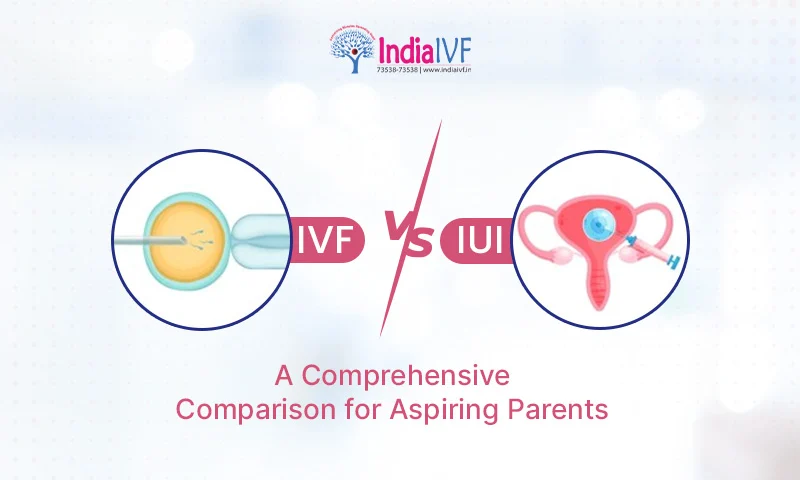
    IVF vs IUI comparison graphic highlighting reproductive methods for aspiring parents.

    The Role of Support Systems in Fertility: Clinic vs DIY

    Another advantage of clinic support is the emotional and psychological support provided by counselors and support groups. These professionals are trained to help individuals and couples cope with the stress and emotions of fertility struggles. They can also provide guidance on how to manage relationships, communication, and self-care during this challenging time.

    Drawbacks of Clinic Support:

    The most significant disadvantage of clinic support is the high cost. Fertility treatments, such as IVF, can be expensive and may not be covered by insurance. This can be a barrier for many individuals and couples, making it difficult to access the support they need.

    Another drawback is the lack of control over the process. Fertility treatments involve multiple appointments and procedures, and individuals may feel like they have little say in the decisions being made. This lack of control can add to the stress and emotions of the fertility journey.

    DIY Support:

    DIY support, also known as self-help or at-home fertility methods, refers to using natural or alternative methods to improve fertility. This can include changes in diet, exercise, stress management, and supplements.

    Benefits of DIY Support:

    One of the main advantages of DIY support is cost-effectiveness. Many natural and alternative methods are low-cost or even free, making it accessible to a wider range of individuals. This can be especially beneficial for those who do not have the financial means to pursue fertility treatments at a clinic.

    Another benefit is the sense of control and empowerment individuals may feel by taking charge of their fertility journey. DIY methods allow individuals to make their own decisions and have control over the process, which can be empowering and reduce feelings of helplessness.

    Drawbacks of DIY Support:

    The biggest drawback of DIY support is the lack of medical expertise and scientific evidence. While some natural methods may have anecdotal success stories, there is limited research to support their effectiveness. This can lead to frustration and disappointment if the desired results are not achieved.

    Additionally, DIY methods may not be suitable for everyone. Fertility issues can be complex, and some individuals may require medical interventions to achieve success. Relying solely on natural methods may not be enough for some individuals and could delay seeking necessary medical treatments.

    Overall, both clinic and DIY support play important roles in the fertility journey. While clinics offer medical expertise and advanced treatments, DIY methods can provide cost-effective and empowering options. Ultimately, the type of support chosen will depend on individual needs and preferences.

    In conclusion, fertility struggles can be challenging, but having a strong support system in place can make a significant difference. Emotionally, physically, and informationally, support systems can provide the necessary resources and guidance to navigate the complexities of fertility. Whether it be through a clinic or DIY method, finding the right support can increase the chances of success and help individuals and couples on their journey towards parenthood.

    Summary:

    Fertility struggles can be a difficult and emotional journey, and having a strong support system in place is crucial for success. There are two main avenues for seeking support in fertility: clinics and DIY methods. Support systems play a crucial role in the fertility journey, providing emotional, physical, and informational support. Clinic support offers access to medical expertise and emotional support, but can be costly and lack control. DIY support can be cost-effective and empowering, but may not have enough scientific evidence. Ultimately, the type of support chosen will depend on individual needs and preferences.