Blog Post:
Navigating the World of Fertility: From Clinics to DIY Solutions
Trying to conceive can be an emotional and challenging journey for many couples. With the rise in infertility rates and the increasing popularity of alternative methods, the world of fertility can seem overwhelming and confusing. In this blog post, we will explore the different options available for fertility and how to navigate through them.
Understanding Fertility and Infertility
Before delving into the different solutions for fertility, it’s essential to have a basic understanding of fertility and infertility. Fertility refers to the ability to conceive and carry a pregnancy to term, while infertility is the inability to conceive after a year of regular and unprotected intercourse. Infertility can be caused by various factors such as age, hormonal imbalances, medical conditions, and lifestyle choices.
Visiting a Fertility Clinic
The first step for many couples struggling with infertility is to visit a fertility clinic. These clinics offer a range of services, including fertility testing, assisted reproductive technology (ART), and fertility treatments. Fertility testing involves assessing both the male and female partners to identify any underlying conditions that may be causing infertility. ART includes procedures like in vitro fertilization (IVF), intrauterine insemination (IUI), and intracytoplasmic sperm injection (ICSI), which can help overcome fertility issues.
Fertility treatments, on the other hand, involve using medications or surgeries to address specific fertility problems. These treatments can include ovulation induction, which stimulates the ovaries to produce more eggs, or surgery to address issues like blocked fallopian tubes or endometriosis. Fertility clinics also offer counseling and support services to help couples cope with the emotional toll of infertility.
However, it’s essential to note that fertility treatments can be expensive, with IVF alone costing an average of $12,000 per cycle. Additionally, these treatments may not always be successful, and the success rates can vary based on age and other factors.
Exploring Alternative Solutions
Navigating the World of Fertility: From Clinics to DIY Solutions
With the high costs and emotional toll of fertility treatments, many couples are turning to alternative solutions. These alternative methods can range from lifestyle changes to holistic approaches and even DIY solutions.
Lifestyle changes can include adopting a healthier diet, exercising regularly, and reducing stress levels. These changes can improve overall health and potentially increase fertility. Holistic approaches, such as acupuncture, herbal remedies, and chiropractic care, are also gaining popularity as they aim to address underlying imbalances in the body that may be affecting fertility.
DIY solutions, such as at-home insemination kits and ovulation predictor kits, are also becoming more prevalent. These kits allow couples to track their ovulation and attempt to conceive at home without the need for medical intervention. While these solutions may be more affordable and accessible, it’s essential to research and consult with a healthcare professional before trying them.
Addressing Male Infertility
While female infertility often takes the spotlight, male infertility is also a significant factor in couples struggling to conceive. Male infertility can be caused by issues like low sperm count, poor sperm quality, or blockages in the reproductive system. Fortunately, there are solutions available to address male infertility, including medication, surgery, and lifestyle changes.
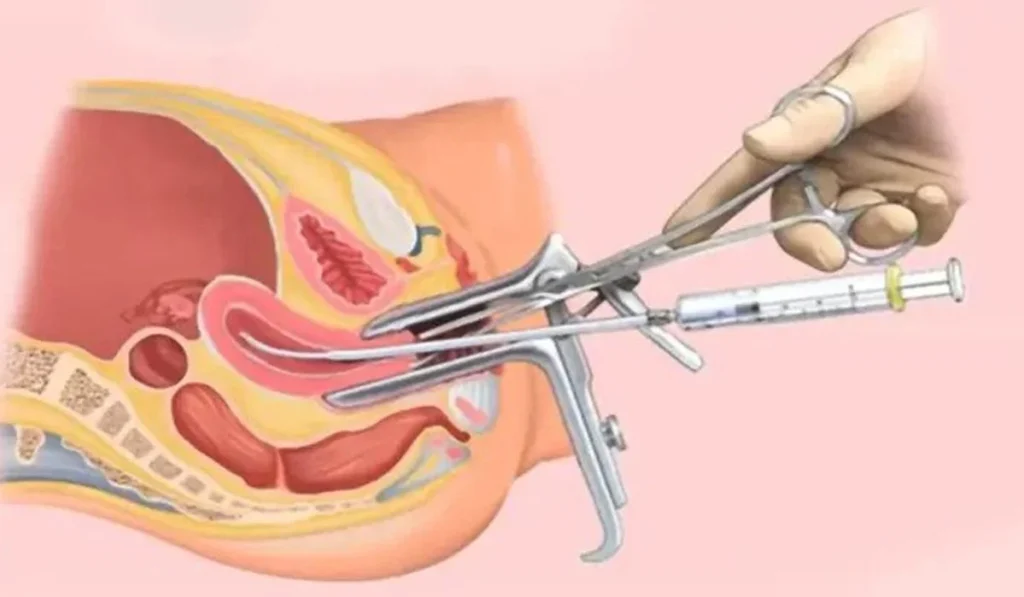
One of the most common solutions for male infertility is intrauterine insemination (IUI), where sperm is inserted directly into the female partner’s uterus. This procedure can be done at a fertility clinic or at home using a DIY kit. In cases of severe male infertility, couples may opt for donor sperm through a sperm bank or a known donor.
Finding Support and Coping with Infertility
Infertility can take a toll on a couple’s mental and emotional well-being. It’s crucial to find support and coping mechanisms to navigate through this journey. Many fertility clinics offer support groups, counseling services, and resources to help couples cope with the emotional stress of infertility. Additionally, online communities and support groups can provide a safe space for individuals to share their experiences and find support from others going through similar challenges.
Summary:
In this blog post, we explored the world of fertility and the different solutions available for couples struggling to conceive. We learned about the services offered at fertility clinics, including fertility testing, ART, and fertility treatments. We also explored alternative solutions such as lifestyle changes, holistic approaches, and DIY methods. Additionally, we discussed the importance of addressing male infertility and finding support and coping mechanisms to navigate through the emotional toll of infertility.
In conclusion, navigating the world of fertility can be overwhelming, but with the right information and support, couples can find the best solution for their unique situation. Whether it’s through a fertility clinic, alternative methods, or a combination of both, the ultimate goal is to help couples achieve their dream of starting a family.