Tag: success.

  • Intrauterine Insemination vs Timed Intercourse: The Importance of Monitoring and Timing for Success

    Intrauterine Insemination vs Timed Intercourse: The Importance of Monitoring and Timing for Success

    When it comes to trying to conceive, there are various methods available for couples struggling to get pregnant. Two commonly used methods are intrauterine insemination (IUI) and timed intercourse. Both of these methods involve the use of fertility treatments, but they differ in the way they are performed. In this blog post, we will dive into the differences between IUI and timed intercourse and explore the crucial role that monitoring and timing play in the success of these methods.

    What is Intrauterine Insemination (IUI)?

    Intrauterine insemination, also known as artificial insemination, is a fertility treatment that involves placing washed and concentrated sperm directly into the woman’s uterus. This procedure is usually performed around the time of ovulation to increase the chances of fertilization. IUI can be done with either a partner’s sperm or a donor’s sperm.

    What is Timed Intercourse?

    Timed intercourse, on the other hand, is a method where couples are advised to have sex during the woman’s most fertile days. This is usually determined by tracking ovulation through methods such as ovulation predictor kits, basal body temperature charting, and cervical mucus monitoring. The goal of timed intercourse is to have sperm available in the reproductive tract at the time of ovulation to increase the chances of fertilization.

    The Importance of Monitoring

    Regardless of which method a couple chooses, monitoring plays a crucial role in determining the success of the treatment. Monitoring involves tracking ovulation and the growth of follicles (the structures in the ovaries that contain eggs). This can be done through blood tests and ultrasound scans.

    For IUI, monitoring is essential to determine the optimal time for the procedure. Ovulation can be triggered using medication to ensure that the insemination is done at the most fertile time. Monitoring also helps to ensure that the woman does not have multiple eggs released, which could result in a high-risk pregnancy.

    In the case of timed intercourse, monitoring is equally important. By tracking ovulation, couples can time intercourse correctly to increase the chances of fertilization. Additionally, monitoring can help identify any potential issues that may be affecting a woman’s ovulation, such as hormonal imbalances or irregular cycles.

    The Role of Timing
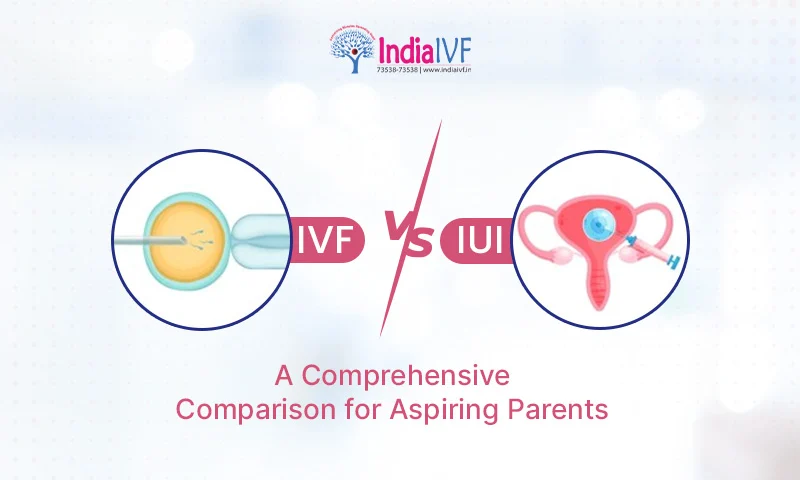
    IVF vs IUI comparison graphic highlighting reproductive methods for aspiring parents.

    Intrauterine Insemination vs Timed Intercourse: The Importance of Monitoring and Timing for Success

    Timing is crucial in both IUI and timed intercourse. In IUI, the timing of the procedure is crucial to ensure that the sperm is in the reproductive tract at the time of ovulation. If the timing is off, the sperm may not be able to reach the egg, resulting in a failed insemination.

    Similarly, in timed intercourse, timing is essential to ensure that the sperm is present in the reproductive tract when the egg is released. If the timing is off, the sperm may not be able to reach the egg, decreasing the chances of fertilization.

    Factors Affecting Timing and Success

    Many factors can affect the timing and success of both IUI and timed intercourse. These include:

    1. Ovulation disorders: Women with ovulation disorders may have difficulty predicting when they will ovulate, making it challenging to time intercourse or IUI correctly.

    2. Age: As women age, their ovarian reserve (the number of eggs in the ovaries) decreases, making it more challenging to predict ovulation accurately.

    3. Sperm quality: Poor sperm quality can affect the success of both IUI and timed intercourse. In IUI, the sperm is washed and concentrated, so the quality is less critical. However, in timed intercourse, the sperm must be able to reach and fertilize the egg on its own.

    4. Underlying health conditions: Certain health conditions, such as polycystic ovary syndrome (PCOS) and endometriosis, can affect ovulation and decrease the chances of success for both IUI and timed intercourse.

    5. Lifestyle factors: Factors such as smoking, excessive alcohol consumption, and obesity can also impact a couple’s ability to conceive. These factors can affect ovulation and sperm quality, making it harder to time intercourse or IUI correctly.

    In conclusion, IUI and timed intercourse are two commonly used methods for couples trying to conceive. Both methods rely on monitoring and timing to increase the chances of success. It is crucial for couples to work closely with their fertility specialist to determine the best approach for their specific situation and to ensure that they are monitoring and timing correctly.

    SEO Metadata:
  • The Power of One: Single Mothers Taking Charge

    Blog Post: The Power of One: Single Mothers Taking Charge

    Being a mother is a challenging and rewarding experience, but being a single mother takes this to a whole new level. Single mothers are often viewed as strong, independent, and resilient individuals who are able to take on the world with their unwavering determination and love for their children. In recent years, there has been a significant increase in the number of single mothers, and with this, a rise in their influence and power in society. In this blog post, we will delve into the power of single mothers and how they are taking charge in all aspects of their lives.

    The rise of single mothers

    According to the U.S. Census Bureau, in 2019, there were approximately 11 million single-parent families in the United States, with single mothers making up the majority of these households. This number has been steadily increasing over the years, and it is estimated that by 2025, single mothers will make up a quarter of all households in the country. This rise can be attributed to various factors, including divorce, separation, and unplanned pregnancies. Whatever the reason may be, the reality is that there are more single mothers in our society today, and they are a force to be reckoned with.

    The challenges and struggles of single mothers

    Being a single mother comes with its fair share of challenges and struggles. From financial instability to societal stigma, single mothers face a myriad of obstacles on a daily basis. They often have to juggle multiple roles, such as being the sole provider for their children, the caregiver, and the disciplinarian. This can be overwhelming, both emotionally and physically. Additionally, single mothers may face discrimination in the workplace, making it difficult for them to advance in their careers and provide for their families. The stigma surrounding single motherhood can also lead to feelings of isolation and loneliness, as they may feel like they do not fit into the traditional family model.

    The power of single mothers

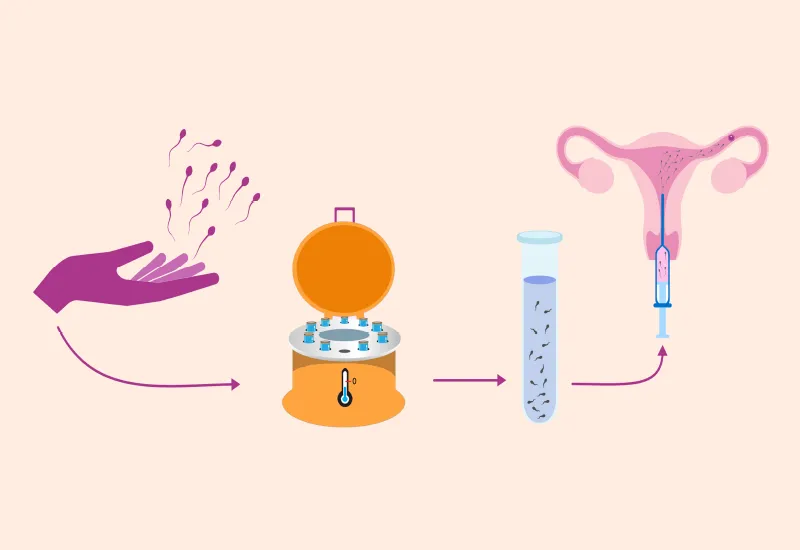
    illustration of the IUI process, showing sperm collection, preparation, and insertion into the uterus

    The Power of One: Single Mothers Taking Charge

    Despite the challenges they face, single mothers possess a unique power that sets them apart from others. They have an unmatched strength and resilience that comes from being solely responsible for their children’s well-being. This power is evident in their ability to overcome obstacles and provide for their families, often with limited resources. Single mothers are also excellent multitaskers, as they have to balance work, household responsibilities, and caring for their children, all at the same time. This level of organization and efficiency is a testament to their strength and determination.

    Taking charge in the workplace

    Single mothers are not only taking charge in their personal lives but also in the workplace. Many single mothers are the breadwinners for their families, and this has led to a shift in traditional gender roles. They are breaking barriers and excelling in various industries traditionally dominated by men. Single mothers are also more likely to start their own businesses, driven by their entrepreneurial spirit and the desire to provide for their families. They are proving that being a single mother does not limit their potential for success.

    Empowering their children

    One of the most significant powers of single mothers is their ability to empower their children. By taking charge and being a strong role model, they are teaching their children valuable lessons about resilience, determination, and hard work. Children of single mothers often grow up to be independent, strong-willed individuals who are not afraid to face challenges head-on. Single mothers also instill in their children the importance of equality and the ability to thrive in any situation, regardless of societal expectations.

    Support and community

    While single mothers may be strong and independent, they also rely on support and community to thrive. Many single mothers turn to support groups and online communities to connect with others who share similar experiences. These groups provide a sense of belonging and understanding, which can be crucial for single mothers who may feel isolated or overwhelmed. By coming together, single mothers are building a strong community that offers each other support, advice, and a sense of camaraderie.

    In summary, single mothers are a powerful force in society. They are taking charge in all aspects of their lives, from the workplace to their children’s upbringing. Despite the challenges they face, they possess an unwavering strength and resilience that allows them to overcome any obstacle. Single mothers are breaking stereotypes and redefining what it means to be a family. They are an inspiration to many and a true testament to the power of one.