Blog Post:
At-home insemination is becoming a popular option for those trying to conceive without the use of assisted reproductive technologies. While it may seem like a simple and easy process, there are certain dos and don’ts that can greatly impact the success rates of at-home insemination. In this blog post, we will discuss some important tips to keep in mind when attempting at-home insemination to help improve your chances of success.
DO: Educate Yourself
Before attempting at-home insemination, it is important to educate yourself on the process. This includes understanding your menstrual cycle, ovulation, and the best time to inseminate. You should also research the different methods of at-home insemination, such as using a syringe or a cervical cap. Knowing the ins and outs of the process will help you feel more confident and prepared.
DON’T: Use Unreliable Sources
With the vast amount of information available online, it can be tempting to turn to the internet for guidance. However, it is important to be cautious and only rely on reputable sources for information. This includes medical professionals, fertility clinics, and trusted websites. Avoid using information from forums or personal blogs, as they may not provide accurate or safe advice.
DO: Track Your Ovulation
Timing is crucial when it comes to at-home insemination. To increase your chances of success, it is important to track your ovulation. This can be done through methods such as tracking your basal body temperature, using ovulation predictor kits, or monitoring changes in cervical mucus. Knowing when you are ovulating will help you determine the best time to inseminate.
DON’T: Inseminate too Early or too Late
Inseminating too early or too late in your cycle can greatly decrease your chances of success. Sperm can survive in the female reproductive tract for up to five days, so it is important to inseminate close to the time of ovulation. Inseminating too early may result in the sperm dying off before the egg is released, while inseminating too late may result in the egg being past its prime for fertilization.
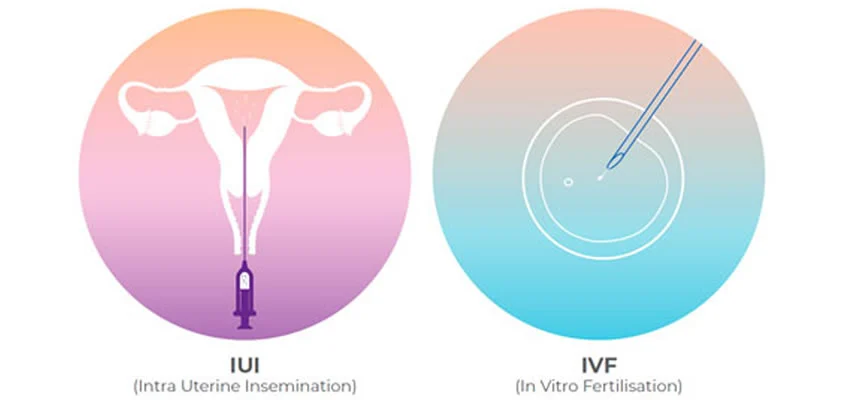
The Dos and Don'ts of At-Home Insemination: Tips for Improving Success Rates
DO: Use Fresh or Frozen Donor Sperm
When it comes to using donor sperm for at-home insemination, you have the option of using fresh or frozen sperm. Fresh sperm is usually obtained from a known donor and used immediately after collection. Frozen sperm, on the other hand, is obtained from a sperm bank and can be used at a later time. Both options can be effective, but it is important to follow the instructions for handling and storing the sperm properly.
DON’T: Use Unsterilized Equipment
Using unsterilized equipment during at-home insemination can introduce bacteria and other harmful substances into the reproductive tract, which can decrease your chances of success and even lead to infections. It is important to properly sterilize all equipment, including the syringe or cervical cap, before use. This can be done by boiling the equipment in hot water or using a sterilization solution.
DO: Create a Relaxing Environment
Stress and anxiety can have a negative impact on fertility and may decrease the success rates of at-home insemination. To create a more conducive environment for insemination, it is important to relax and reduce stress as much as possible. This can include dimming the lights, playing soft music, and using relaxation techniques such as deep breathing or meditation.
DON’T: Rush the Process
At-home insemination may require multiple attempts before achieving success. It is important to be patient and not rush the process. Trying too frequently or inseminating multiple times in one cycle may not increase your chances of success and can even be harmful. Give your body time to rest and recover before attempting again.
DO: Consider Seeking Professional Help
If you have been attempting at-home insemination for several months without success, it may be time to seek professional help. Fertility clinics and reproductive specialists can provide guidance and assistance in achieving pregnancy through at-home insemination. They can also help diagnose any underlying fertility issues that may be hindering your chances of success.
In summary, at-home insemination can be a successful method of conceiving, but it is important to be well-informed and follow best practices to improve your chances of success. This includes tracking ovulation, using reliable sources, and creating a relaxing environment. Remember to be patient, and if needed, don’t hesitate to seek professional help.