In recent years, there has been a significant increase in the use of assisted reproductive technology, particularly in vitro fertilization (IVF). As more people turn to IVF as a solution for fertility issues, the demand for donor sperm has also risen. However, when it comes to donor sperm, there are two options available – frozen or fresh. Both have their own advantages and disadvantages, but the question remains, which one has a higher success rate for IVF? In this blog post, we will explore the differences between frozen and fresh donor sperm and their impact on the success rate of IVF.
Frozen Donor Sperm:
Frozen donor sperm refers to sperm that has been collected, processed, and stored at a sperm bank or fertility clinic. It is typically frozen using liquid nitrogen and can be stored for many years. Frozen donor sperm is usually used in cases where the male partner is unable to produce sperm, or in cases where a single or same-sex female couple is seeking IVF treatment.
Advantages of Frozen Donor Sperm:
1. Availability: Frozen donor sperm is readily available at sperm banks and fertility clinics. This means that the selection process for a suitable donor is often quicker and more convenient.
2. Cost: Frozen donor sperm is usually less expensive than fresh donor sperm, making it a more affordable option for couples seeking IVF treatment.
3. Lower risk of disease transmission: Frozen donor sperm is stored and screened for any potential diseases before being used, reducing the risk of disease transmission to the recipient.
4. Longer storage time: Frozen donor sperm can be stored for many years, allowing for multiple rounds of IVF treatment if needed.
Disadvantages of Frozen Donor Sperm:
1. Sperm quality: Frozen sperm may not survive the freezing and thawing process, resulting in a lower sperm count and reduced sperm quality.
2. Limited genetic information: Unlike fresh donor sperm, which allows for more recent and updated genetic information, frozen donor sperm may have limited genetic information available.
3. Thawing process: The process of thawing frozen sperm can sometimes result in damage to the sperm, affecting its quality and viability.
Fresh Donor Sperm:
Fresh donor sperm refers to sperm that is collected and used immediately for IVF treatment. Unlike frozen sperm, it is not stored for a certain period of time.
Advantages of Fresh Donor Sperm:
1. Higher sperm quality: Fresh donor sperm is typically of higher quality as it has not gone through the process of freezing and thawing.
2. More recent genetic information: With fresh donor sperm, there is usually more recent and updated genetic information available, allowing for a more accurate selection process.
3. More viable sperm: As fresh sperm is used immediately, there is a higher chance of more viable sperm being available for IVF treatment.
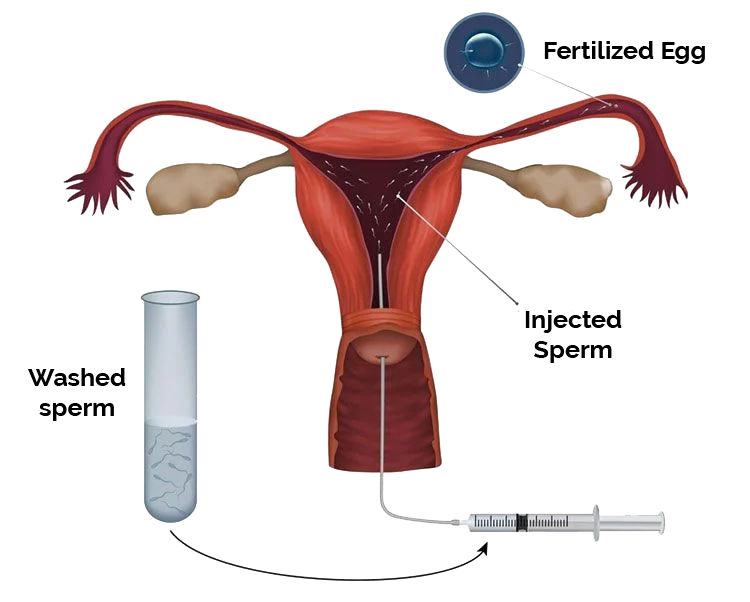
Frozen Donor Sperm vs Fresh Donor Sperm: The Impact on the Success Rate of IVF
Disadvantages of Fresh Donor Sperm:
1. Availability: Fresh donor sperm may not be readily available, as it relies on the availability and schedule of the donor.
2. Cost: Fresh donor sperm is typically more expensive than frozen donor sperm, making it a less affordable option for couples seeking IVF treatment.
3. Risk of disease transmission: Fresh donor sperm may not have been screened for potential diseases, increasing the risk of disease transmission to the recipient.
4. Limited storage time: Unlike frozen donor sperm, fresh sperm cannot be stored for long periods, limiting the number of IVF treatments that can be done.
Impact on the Success Rate of IVF:
The success rate of IVF depends on many factors, including the quality of the sperm used. Both frozen and fresh donor sperm have their own advantages and disadvantages, but which one has a higher success rate for IVF?
Studies have shown that there is no significant difference in the success rates between frozen and fresh donor sperm. However, some factors may affect the success rates of each option. For frozen donor sperm, the freezing and thawing process may result in reduced sperm quality, affecting the success rate. On the other hand, for fresh donor sperm, the availability and timing of the sperm may impact the success rate as well.
Ultimately, the success rate of IVF using donor sperm depends on the individual circumstances and the quality of the sperm used. It is essential to discuss the options with a fertility specialist to determine which option is best for each individual case.
In conclusion, both frozen and fresh donor sperm have their own pros and cons, but they have a similar success rate when it comes to IVF. Factors such as sperm quality, availability, and cost may play a role in determining which option is best for a particular couple. It is crucial to consider all these factors and consult with a fertility specialist to make an informed decision.
SEO metadata: