Tag: sperm collection kits

  • Medical Insemination Supplies: What You Need to Know Before You Buy

    Blog Post:

    Medical insemination, also known as artificial insemination, is a process where sperm is introduced into a woman’s reproductive tract in order to facilitate pregnancy. This method is often used by couples struggling with infertility, single individuals looking to start a family, or same-sex couples. Medical insemination supplies are essential for this procedure, and it is important to know what to look for before making a purchase. In this blog post, we will discuss the various types of medical insemination supplies and what you need to know before buying them.

    Types of Medical Insemination Supplies:

    1. Sperm Collection Kits:
    The first step in medical insemination is collecting the sperm. Sperm collection kits typically include a sterile cup, a collection condom, and a specimen transport tube. It is important to ensure that the kit is sterile to avoid any contamination and to maintain the quality of the sperm. Some kits may also include a temperature strip to ensure that the sperm is stored at the right temperature during transportation.

    2. Specimen Transport Kits:
    Once the sperm is collected, it needs to be transported to the medical facility or fertility clinic where the insemination will take place. Specimen transport kits are designed to keep the sperm at the right temperature during transportation. These kits usually include an insulated container, a temperature strip, and a transport tube. It is crucial to choose a kit that can maintain the temperature for the required amount of time, as any fluctuations can affect the quality of the sperm.

    3. Insemination Catheters:
    Insemination catheters are used to introduce the sperm into the woman’s reproductive tract. These catheters come in different sizes and shapes, and it is important to choose one that is suitable for the specific procedure. Some catheters have a curved tip for easier insertion, while others have a soft and flexible design for patient comfort. It is also essential to ensure that the catheter is sterile to avoid any risk of infection.

    4. Syringes:
    Syringes are used to transfer the sperm from the collection cup or transport tube to the insemination catheter. It is important to choose a syringe with a smooth plunger for easy and accurate measurement of the sperm. The syringe should also have a Luer lock tip to securely attach to the catheter and prevent any leakage. Sterilization is also crucial when it comes to syringes, as any contamination can affect the success of the procedure.
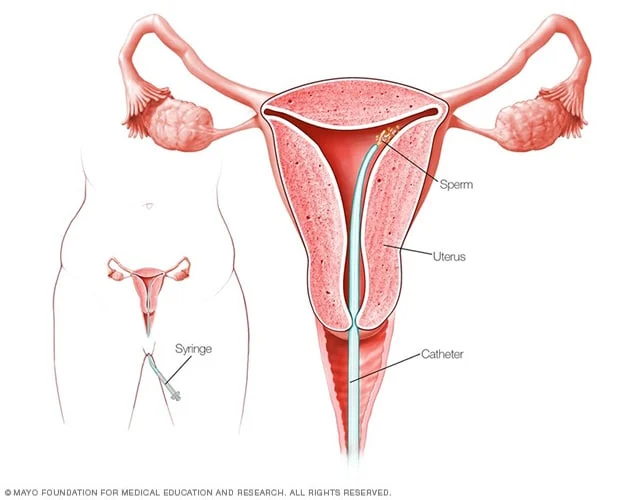
    diagram illustrating intrauterine insemination (IUI) procedure with uterus, sperm, and catheter labeled

    Medical Insemination Supplies: What You Need to Know Before You Buy

    5. Semen Analysis Supplies:
    Before proceeding with medical insemination, it is important to analyze the sperm to determine its quality and fertility. Semen analysis supplies include a microscope, slides, and staining solutions. It is essential to ensure that these supplies are of high quality to obtain accurate results. It is also important to follow the instructions carefully to avoid any errors in the analysis.

    Things to Consider Before Buying Medical Insemination Supplies:

    1. Quality:
    Quality should be the top priority when it comes to medical insemination supplies. These supplies are crucial for the success of the procedure, and any compromise in quality can affect the outcome. Make sure to purchase from a reputable supplier and check for any certifications or approvals.

    2. Sterilization:
    As mentioned earlier, sterilization is crucial when it comes to medical insemination supplies. Any contamination can not only affect the success of the procedure but also pose a risk of infection. Always check for sterilization labels or ask the supplier about their sterilization process.

    3. Compatibility:
    It is important to ensure that all the supplies you purchase are compatible with each other. For example, the syringe should fit securely onto the catheter, and the transport tube should fit into the insulated container. Incompatible supplies can lead to errors or leakage, which can affect the outcome of the procedure.

    4. Instructions:
    Medical insemination supplies come with specific instructions on how to use them. It is crucial to follow these instructions carefully to avoid any errors or contamination. If you have any doubts or questions, do not hesitate to ask the supplier for clarification.

    5. Cost:
    While quality should be the main consideration, it is also important to consider the cost of the supplies. Medical insemination can be an expensive process, and it is essential to find a balance between quality and cost. Do some research and compare prices from different suppliers to get the best deal.

    In summary, medical insemination supplies are essential for the success of the procedure. It is crucial to choose high-quality supplies that are sterile, compatible, and come with clear instructions. Do not compromise on quality, but also consider the cost. With the right supplies, medical insemination can be a successful and life-changing experience for individuals and couples looking to start a family.

  • Medical Insemination Supplies: What You Need to Know

    Medical insemination, also known as artificial insemination, is a fertility treatment that involves placing sperm directly into a woman’s reproductive tract. This procedure is commonly used by couples who are struggling with infertility or same-sex couples who want to start a family. If you are considering medical insemination, there are important supplies that you need to know about. In this blog post, we will discuss the different types of medical insemination supplies, their functions, and what you need to consider when purchasing them.

    Types of Medical Insemination Supplies

    1. Sperm Collection Kits

    The first step in medical insemination is to collect the sperm. Sperm collection kits are designed to make this process easy and hygienic. These kits usually include a sterile cup, collection tube, and sometimes a condom. The man will need to ejaculate into the cup, and the sperm will then be transferred to the collection tube. It is important to follow the instructions carefully to ensure the sperm is not contaminated.

    2. Speculum

    A speculum is a medical tool that is used to hold open the walls of the vagina during insemination. This allows for easier access to the cervix, where the sperm will be inserted. Speculums come in different sizes and shapes, so it is important to choose one that is comfortable for the woman and fits properly.

    3. Syringe

    Once the sperm has been collected and the speculum is in place, a syringe is used to inject the sperm into the cervix. This is a delicate process that requires precision and a steady hand. Syringes come in different sizes, and it is important to choose one that can hold the desired amount of sperm.

    4. Catheter

    A catheter is a thin, flexible tube that is used to deliver the sperm into the cervix. It is important to choose a catheter that is long enough to reach the cervix and has a curved tip for easier insertion. Some catheters also have a balloon at the end to prevent the sperm from leaking out.

    5. Lubricant

    During medical insemination, it is important to use a sperm-friendly lubricant to make the process more comfortable. Regular lubricants can be harmful to sperm, so it is important to choose one that is specifically designed for this purpose. These lubricants usually have a pH level that is similar to the cervical mucus, making it easier for the sperm to survive.

    6. Ovulation Predictor Kits

    illustration of intrauterine insemination procedure with a syringe and catheter in the uterus.

    Medical Insemination Supplies: What You Need to Know

    Timing is crucial when it comes to medical insemination. Ovulation predictor kits (OPKs) can help determine the best time for insemination by detecting the surge of luteinizing hormone (LH) in a woman’s urine. This surge indicates that ovulation is about to occur, and insemination should be done within the next 24-36 hours.

    7. Pregnancy Tests

    After insemination, it is important to wait for at least two weeks before taking a pregnancy test. Home pregnancy tests can be used to check for the presence of the pregnancy hormone, human chorionic gonadotropin (hCG), in a woman’s urine. A positive result indicates a successful insemination and possible pregnancy.

    What to Consider When Purchasing Medical Insemination Supplies

    1. Quality and Sterility

    When purchasing medical insemination supplies, it is important to choose products that are of high quality and sterile. This will ensure the safety and effectiveness of the procedure. Look for products that are approved by the Food and Drug Administration (FDA) and have a good reputation in the market.

    2. Compatibility

    It is important to make sure that the different supplies you purchase are compatible with each other. For example, the syringe should fit the catheter, and the catheter should fit the speculum. Incompatible supplies can make the process more difficult and increase the risk of contamination.

    3. Comfort

    Medical insemination can be an uncomfortable and intimate process, so it is important to choose supplies that are comfortable for both partners. This includes choosing a speculum that fits properly and a lubricant that does not cause any discomfort or irritation.

    4. Cost

    The cost of medical insemination supplies can add up, so it is important to consider the price when making your purchases. However, it is also important to prioritize quality and effectiveness over cost. Cheaper supplies may not be as safe or effective, which can ultimately cost you more in the long run.

    In conclusion, medical insemination supplies play a crucial role in the success of this fertility treatment. It is important to choose high-quality, sterile, and compatible supplies that are comfortable and suit your budget. By understanding the different types of supplies and what to consider when purchasing them, you can make informed decisions and increase your chances of a successful insemination.

    SEO metadata: