Tag: Social Media

  • The DIY Fertility Movement: How Social Media is Influencing Women

    The DIY Fertility Movement: How Social Media is Influencing Women

    In recent years, there has been a growing trend of women turning to do-it-yourself (DIY) methods for fertility treatments. With the increasing availability and accessibility of information through social media platforms, more and more women are taking control of their own fertility journey. From tracking ovulation and hormone levels to using at-home insemination kits, the DIY fertility movement is changing the way women approach the process of conceiving. In this blog post, we will explore the reasons behind this movement and the impact of social media on women’s fertility choices.

    Why Women are Turning to DIY Fertility

    There are several reasons why women are turning to DIY fertility methods. The first and most prominent reason is the high cost of traditional fertility treatments. According to the American Society for Reproductive Medicine, the average cost of one cycle of in vitro fertilization (IVF) is $12,000, not including additional medications and procedures. This hefty price tag can be a major barrier for many women, especially those without insurance coverage for fertility treatments.

    Another factor driving the DIY fertility movement is the desire for more control over the process. Traditional fertility treatments often involve multiple appointments, medications, and procedures, which can leave women feeling like they are at the mercy of medical professionals. By taking matters into their own hands, women can feel more empowered and in control of their fertility journey.

    Lastly, the rise of social media has played a significant role in the DIY fertility movement. With the abundance of information and personal experiences shared on platforms like Instagram, Facebook, and YouTube, women have access to a wealth of knowledge and support from others who have gone through similar experiences. This sense of community and validation can be a powerful motivator for women to take charge of their fertility.

    The Impact of Social Media on Fertility Choices

    illustration of a uterus with a syringe, representing intrauterine insemination procedure

    The DIY Fertility Movement: How Social Media is Influencing Women

    Social media has had a significant impact on how women approach fertility treatments. One study found that 45% of women use social media to research fertility treatments, and 41% use it to connect with others going through similar experiences. With the rise of influencers and bloggers sharing their fertility journeys, social media has become a source of inspiration and information for women considering DIY fertility methods.

    However, the abundance of information on social media also comes with its challenges. With so much conflicting advice and unverified claims, it can be challenging for women to determine what is legitimate and what is not. This can lead to misinformation and potentially harmful DIY methods being shared and attempted.

    Another concern with the DIY fertility movement is the lack of medical supervision and oversight. Fertility treatments, even at-home methods, can have serious consequences if not done correctly. Without medical professionals guiding the process, women may put themselves at risk for complications or failure to conceive.

    The Importance of Finding a Balance

    While the DIY fertility movement has its pros and cons, the most crucial factor is finding a balance between self-empowerment and medical guidance. It is essential for women to do their research and consult with medical professionals before attempting any DIY fertility treatments. By combining the knowledge and support found on social media with the expertise of doctors, women can make informed decisions about their fertility journey.

    Additionally, it is crucial to recognize that fertility is a complex and individualized process. What works for one person may not work for another. It is essential to approach the DIY fertility movement with caution and not put too much pressure on oneself to achieve a specific outcome.

    In conclusion, the DIY fertility movement has gained traction due to factors such as high costs, desire for control, and the influence of social media. While it has its benefits, it is crucial for women to find a balance between self-empowerment and medical guidance. By doing so, women can make informed decisions and feel supported on their fertility journey.
  • The Rise of DIY Fertility: How Technology is Changing the Game

    Summary:

    The rise of do-it-yourself (DIY) fertility has become a popular trend, thanks to the advancements in technology. More and more people are turning to at-home fertility tests, ovulation tracking apps, and even sperm and egg freezing kits to take control of their reproductive health. This shift in the fertility industry has been driven by factors such as convenience, cost-effectiveness, and privacy. However, while DIY fertility has its benefits, it also comes with its own set of challenges and risks. In this blog post, we will explore the rise of DIY fertility, how technology has played a role in this phenomenon, and the potential impact it may have on individuals and society as a whole.

    The Role of Technology in DIY Fertility:

    Technology has been a game-changer in the fertility industry. With the rise of smartphones and other digital devices, it has become easier than ever to track and monitor fertility. Ovulation tracking apps, for instance, use algorithms and data to predict a woman’s fertile window and help her conceive. These apps also allow women to track their periods, monitor their moods and symptoms, and even connect with other users for support and advice.

    Another significant advancement in technology has been the development of at-home fertility tests. These tests allow individuals to measure their hormone levels, sperm count, and overall fertility in the comfort of their own homes. This eliminates the need for costly and often invasive visits to fertility clinics, making it a more accessible option for many.

    DIY fertility has also been empowered by the rise of social media and online communities. With the help of online forums and support groups, individuals can connect with others who are going through similar experiences, share advice, and find emotional support. These online communities have created a safe space for people to openly discuss their fertility journeys, which was once considered a taboo topic.

    The Benefits of DIY Fertility:

    One of the main reasons for the rise of DIY fertility is the convenience it offers. With busy schedules and limited time, many individuals find it challenging to make frequent visits to a fertility clinic. DIY fertility allows them to take control of their reproductive health from the comfort of their own homes and on their own time.

    Cost-effectiveness is another significant advantage of DIY fertility. Traditional fertility treatments can be very expensive, with costs ranging from hundreds to thousands of dollars. DIY fertility options, on the other hand, are often more affordable and accessible, making it a viable option for those who cannot afford traditional treatments.

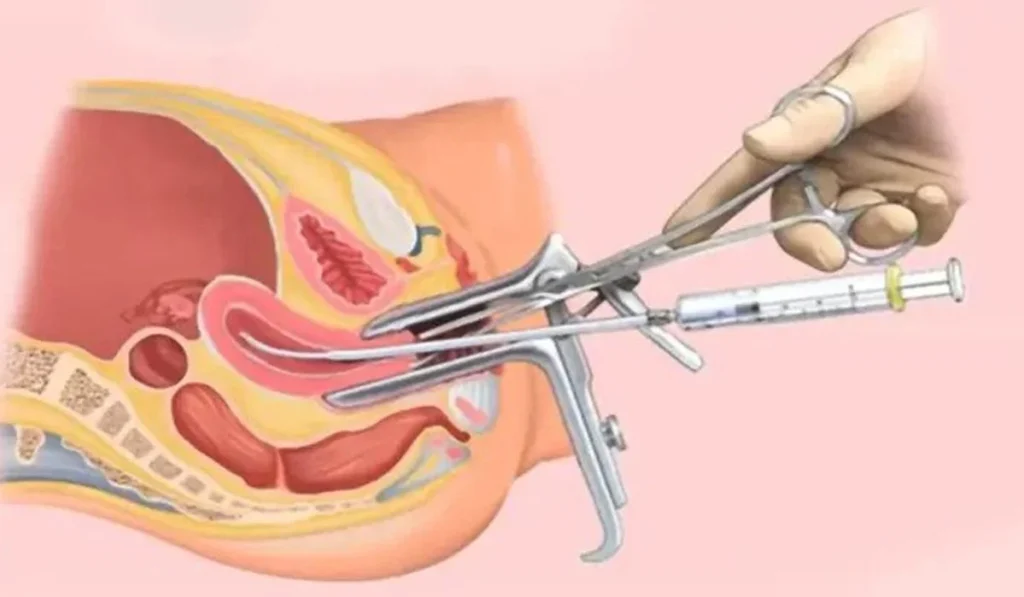
    illustration of an intrauterine insemination procedure with medical instruments and anatomical details

    The Rise of DIY Fertility: How Technology is Changing the Game

    Privacy is also a crucial factor for many individuals when it comes to their fertility journey. While some may feel comfortable seeking help from a fertility clinic, others may prefer the privacy and anonymity that DIY fertility offers. This way, individuals can keep their fertility journey confidential and avoid potential social stigma.

    The Challenges of DIY Fertility:

    Although DIY fertility has its benefits, it also comes with its own set of challenges. One of the main concerns is the accuracy of these at-home tests and apps. While many claim to be highly accurate, there is still a risk of false readings, which can lead to unnecessary worry or false hope. It is essential to do thorough research and consult with a healthcare professional before relying solely on the results of at-home fertility tests.

    Another challenge is the lack of regulation and oversight in the DIY fertility industry. Unlike traditional fertility treatments, which are closely monitored and regulated by healthcare professionals, DIY fertility options do not have the same level of oversight. This can lead to potential risks and complications, especially if individuals are not well-informed or follow the instructions incorrectly.

    The Impact of DIY Fertility on Individuals and Society:

    The rise of DIY fertility has undoubtedly given individuals more control over their reproductive health. It has also opened up options for those who may not have had access to traditional fertility treatments. However, it is essential to consider the potential impact it may have on individuals and society as a whole.

    With the increasing popularity of DIY fertility, there is a concern that it may lead to a decrease in the number of individuals seeking professional medical advice. This could potentially delay or prevent individuals from receiving necessary medical treatment, leading to fertility issues or complications.

    Moreover, the lack of regulation and oversight in the DIY fertility industry raises questions about the safety and ethics of these options. It is crucial for individuals to educate themselves and consult with healthcare professionals before making any decisions about their fertility.

    In conclusion, the rise of DIY fertility has been driven by technology, convenience, and cost-effectiveness. While it has its benefits, it also comes with its own set of challenges and potential risks. As this trend continues to grow, it is essential for individuals to be well-informed and seek guidance from healthcare professionals to make the best decisions for their reproductive health.

  • The Role of Technology in Sperm Donation and Co-Parenting

    The Role of Technology in Sperm Donation and Co-Parenting

    In recent years, technology has played a significant role in the world of sperm donation and co-parenting. With advancements in reproductive technology and the increasing acceptance of non-traditional family structures, more and more people are turning to technology to aid them in starting a family. In this blog post, we will explore the various ways technology is transforming the landscape of sperm donation and co-parenting and the potential benefits and challenges that come with it.

    The Rise of Online Sperm Donation Platforms

    One of the most significant developments in sperm donation in recent years is the emergence of online sperm donation platforms. These websites act as a marketplace for individuals seeking sperm donors and those willing to donate their sperm. These platforms provide a level of anonymity and privacy that traditional sperm banks may not offer, making it more appealing to those who wish to pursue alternative means of starting a family.

    These online platforms also allow for more control and transparency in the selection process. Interested parties can browse through donor profiles, view pictures, and read detailed descriptions of donors’ physical characteristics, backgrounds, and even personality traits. This level of information can be crucial for individuals or couples looking for specific traits or characteristics in a donor. Additionally, these platforms often offer the option for donors to provide medical and genetic information, giving those seeking sperm donation a more comprehensive understanding of potential health risks.

    While these online sperm donation platforms have the potential to make the process more accessible and convenient for all parties involved, there are also concerns about the lack of regulations and safeguards. Unlike traditional sperm banks, these websites are not subject to the same strict guidelines and screening processes, which could potentially lead to risks and disputes in the future.

    The Role of Social Media in Co-Parenting

    Along with online sperm donation platforms, social media has also become a significant tool in co-parenting arrangements. Social media allows individuals and couples to connect with potential co-parents, share information, and communicate with ease. Additionally, these platforms provide a space for individuals to network and find support within the co-parenting community.

    However, as with online sperm donation platforms, there are also concerns about the potential risks and conflicts that social media may bring to co-parenting arrangements. The lack of regulations and the ease of communication through social media could lead to misunderstandings and disputes between co-parents. It is crucial for those considering co-parenting to establish clear communication and boundaries to avoid any potential issues.

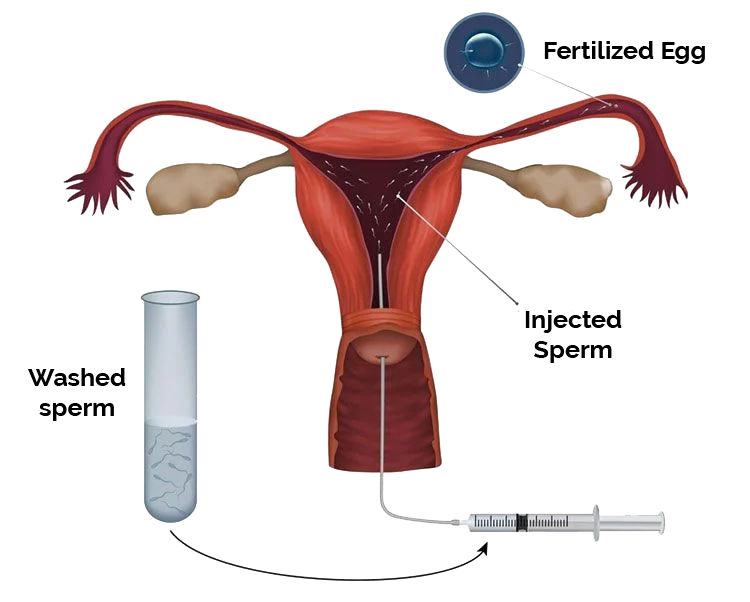
    diagram of the female reproductive system with an IUI syringe and test tube for artificial insemination

    The Role of Technology in Sperm Donation and Co-Parenting

    Reproductive Technology and Its Impact on Sperm Donation and Co-Parenting

    Advancements in reproductive technology have also played a significant role in the world of sperm donation and co-parenting. With techniques such as in vitro fertilization (IVF) and intrauterine insemination (IUI), individuals and couples who may have struggled with fertility issues now have more options available to them. These procedures also allow for more flexibility in terms of who can carry the pregnancy and the involvement of the sperm donor in the process.

    However, these advancements also bring ethical and legal considerations. In cases of traditional sperm donation, the donor may have no legal responsibility or rights to the child, but with reproductive technology, this may not always be the case. With procedures such as IVF, the donor’s genetic material is used, potentially giving them legal rights and responsibilities. As such, it is essential to have clear agreements and legal documentation in place to avoid any future disputes.

    The Role of Technology in Co-Parenting Agreements

    Technology has also made co-parenting agreements more accessible and manageable. With the use of online tools and apps, co-parents can create and share documents, schedules, and financial agreements, making it easier to manage their responsibilities and stay organized. These tools also allow for better communication and collaboration between co-parents, which is crucial for the success of co-parenting.

    However, as with any use of technology, there are potential privacy and security concerns with sharing sensitive information online. It is essential for co-parents to choose secure and reputable tools and to establish clear boundaries and guidelines for the use of technology in their co-parenting arrangement.

    In Conclusion

    Technology has undoubtedly played a significant role in the world of sperm donation and co-parenting, making the process more accessible, convenient, and efficient. However, there are also potential risks and challenges that come with the use of technology in these arrangements. As with any significant decision, it is crucial to carefully consider all aspects and to establish clear agreements and boundaries to ensure the best possible outcome.

    In summary, technology has revolutionized sperm donation and co-parenting, providing more options and opportunities for individuals and couples to start a family. However, it is essential to approach these technologies with caution, considering the potential risks and challenges they may bring. With proper guidelines and regulations in place, technology can continue to play a positive role in helping individuals and couples achieve their dream of parenthood.