Title: The Evolution of Fertility Tracking: From Traditional Methods to Smart Devices
Introduction:
Fertility tracking has been used for centuries by women to understand their menstrual cycles and increase their chances of conception. Over the years, this practice has evolved from traditional methods such as tracking basal body temperature and cervical mucus to using smart devices that can accurately predict ovulation and fertility. In this blog post, we will take a closer look at the evolution of fertility tracking and how technology has revolutionized this process.
Traditional Methods of Fertility Tracking:
Before the advent of modern technology, women relied on traditional methods to track their fertility. One of the most widely used methods was tracking basal body temperature (BBT), which involves taking your temperature every morning and recording it on a chart. This method is based on the fact that a woman’s body temperature rises slightly after ovulation, indicating the most fertile days of her cycle. However, this method can be unreliable as external factors such as illness and lack of sleep can affect BBT.
Another traditional method is tracking cervical mucus, which involves monitoring the changes in vaginal discharge throughout the menstrual cycle. As a woman approaches ovulation, her cervical mucus becomes thinner and clearer, resembling the consistency of egg whites. This method is more accurate than BBT tracking, but it also requires close observation and recording of changes in mucus.
Other traditional methods include using ovulation predictor kits (OPKs) that detect the surge of luteinizing hormone (LH) in urine, which occurs 12-36 hours before ovulation. While these methods have been used for many years, they can be time-consuming, unreliable, and require a lot of effort from the user.
The Rise of Smart Devices:
With the advancement of technology, fertility tracking has become more accessible and accurate than ever before. Smart devices such as fertility monitors and wearable trackers have become popular among women who are trying to conceive or simply want to understand their menstrual cycles better.
Fertility monitors, also known as ovulation trackers, use a combination of methods such as BBT tracking, LH testing, and other fertility indicators to predict ovulation. These devices often come with a mobile app that allows users to input data and track their cycles. Some monitors also use artificial intelligence to learn a woman’s unique cycle patterns and provide personalized predictions.
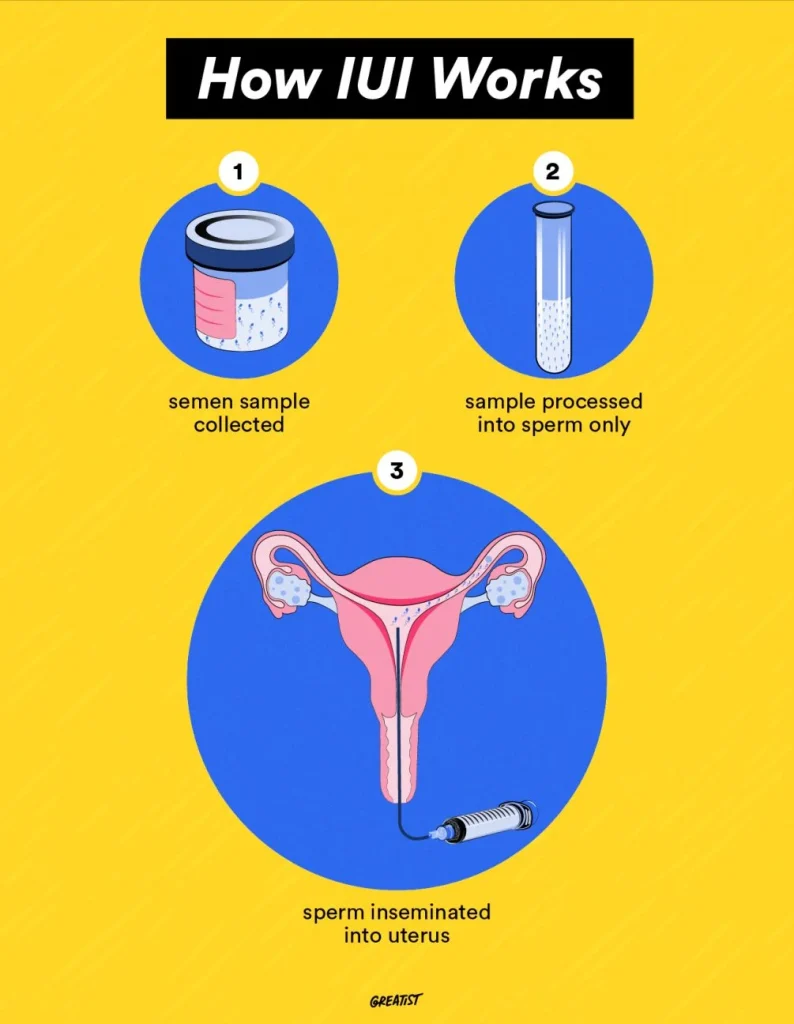
The Evolution of Fertility Tracking: From Traditional Methods to Smart Devices
Wearable fertility trackers, on the other hand, are worn on the body and collect data such as temperature, heart rate, and movement to determine the fertile window. These devices can also sync with a mobile app for a more comprehensive analysis of a woman’s cycle.
Benefits of Using Smart Devices:
One of the main advantages of using smart devices for fertility tracking is the convenience they offer. Unlike traditional methods, these devices require minimal effort from the user and provide more accurate predictions. They also eliminate the need for manual tracking and recording, making the process less stressful.
Moreover, smart devices can provide a more comprehensive analysis of a woman’s cycle by tracking multiple fertility indicators. This can be especially helpful for women with irregular cycles or those who have been unsuccessful in using traditional methods.
The Future of Fertility Tracking:
As technology continues to advance, the future of fertility tracking looks promising. Some companies are currently developing devices that use saliva or urine samples to detect hormone levels and predict ovulation. These devices are expected to be more accurate and user-friendly, making fertility tracking even more accessible for women.
Furthermore, there is a growing trend of using artificial intelligence and machine learning in fertility tracking devices. This will allow for more personalized predictions and better understanding of a woman’s unique cycle patterns. In the future, we can expect to see more advanced and sophisticated smart devices that will revolutionize the way women track their fertility.
Conclusion:
From traditional methods to smart devices, fertility tracking has come a long way. While traditional methods have been used for centuries, they can be unreliable and require a lot of effort from the user. Smart devices, on the other hand, offer convenience, accuracy, and a more comprehensive analysis of a woman’s cycle. As technology continues to evolve, we can only expect further advancements in fertility tracking, making it easier for women to understand their bodies and achieve their fertility goals.
Summary:
Fertility tracking has evolved from traditional methods such as BBT tracking and cervical mucus monitoring to using smart devices that offer convenience and accuracy. Smart devices such as fertility monitors and wearable trackers use a combination of methods and have apps that allow for easy tracking and analysis. The future of fertility tracking looks promising with the development of devices that use saliva or urine samples and the use of artificial intelligence and machine learning. These advancements will make fertility tracking even more accessible and personalized for women.