Summary:
Infertility is a common issue that affects many couples and can cause a great deal of emotional distress. It is important for individuals and couples to be aware of the signs of infertility and to seek help when needed. In this blog post, we will discuss the various signs of infertility, potential causes, and treatment options available.
Signs of Infertility:
The most common sign of infertility is the inability to conceive after trying for a year or more. Other signs may include irregular menstrual cycles, abnormal bleeding, or hormonal imbalances. However, it is important to keep in mind that some individuals may not experience any noticeable signs of infertility, making it crucial to consult with a doctor if you have concerns.
Causes of Infertility:
Infertility can be caused by a variety of factors, including age, hormonal imbalances, underlying medical conditions, and lifestyle factors. Women over the age of 35 may experience a decline in fertility due to a decrease in the number and quality of eggs. Hormonal imbalances, such as polycystic ovary syndrome (PCOS), can also affect fertility. Underlying medical conditions, such as endometriosis, can also contribute to infertility. Lifestyle factors such as smoking, excessive alcohol consumption, and obesity can also impact fertility.
Seeking Help:
If you have been trying to conceive for a year or more without success, it is important to consult with a fertility specialist. They will run various tests to determine the underlying cause of infertility and develop a treatment plan.
When to Seek Help: Understanding the Signs of Infertility and Treatment Options
Treatment Options:
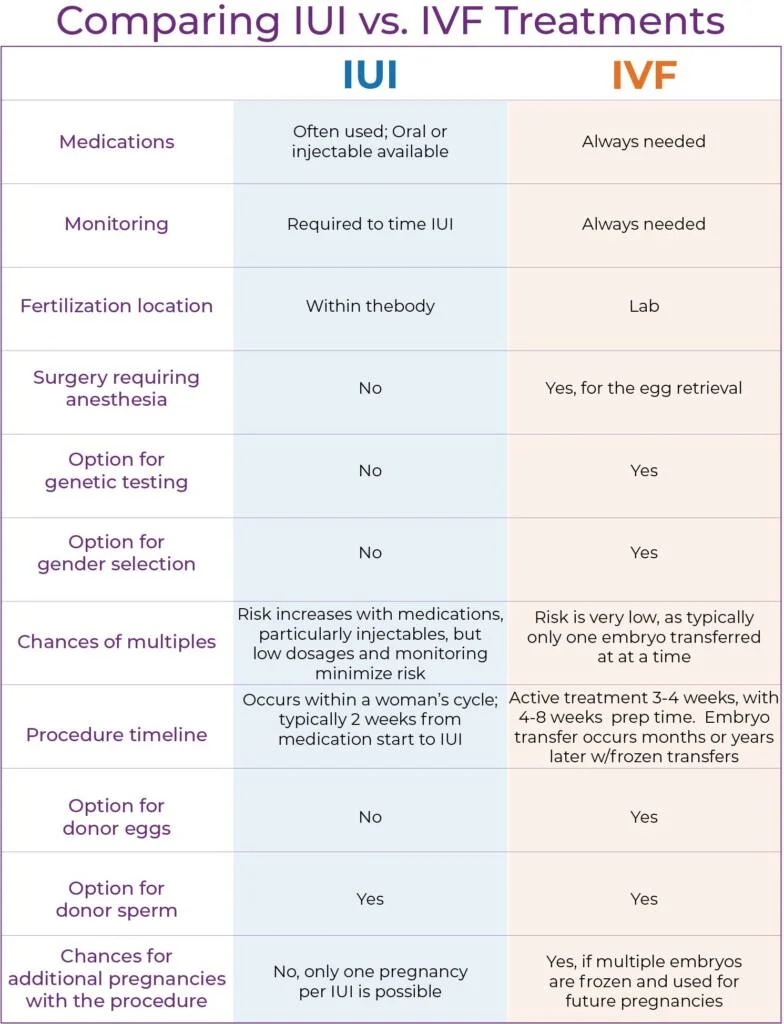
The treatment for infertility will depend on the underlying cause. In vitro fertilization (IVF) is a common treatment option that involves retrieving eggs from the ovaries and fertilizing them with sperm in a laboratory. Other options include intrauterine insemination (IUI), which involves placing sperm directly into the uterus, and fertility medications to stimulate ovulation.
Alternative Therapies:
In addition to medical treatments, there are also alternative therapies that may help with infertility. Acupuncture, for example, has been shown to improve fertility by reducing stress and promoting blood flow to the reproductive organs. Yoga and meditation can also be beneficial in reducing stress and promoting overall well-being.
Support and Coping Strategies:
Dealing with infertility can be emotionally and mentally challenging. It is important to seek support from loved ones, join support groups, or seek therapy to cope with the stress and emotions that come with infertility. It is also important to take care of your physical and mental health by engaging in self-care activities and finding healthy ways to cope with stress.
Conclusion:
Infertility can be a difficult and emotional journey for individuals and couples. It is important to be aware of the signs of infertility and to seek help when needed. With advancements in medical technology and various treatment options available, there is hope for those struggling with infertility. Remember to take care of yourself and seek support during this challenging time.