Tag: semen

  • The Science Behind Sperm Analysis and Semen Analysis

    Blog Post:

    Sperm analysis and semen analysis are important procedures used to evaluate male fertility and reproductive health. These tests measure the quantity, quality, and movement of sperm in semen, providing valuable information about a man’s ability to father a child. In this blog post, we will delve into the science behind sperm analysis and semen analysis, exploring the different factors that affect sperm health and how these tests are performed.

    Understanding Sperm and Semen

    Before diving into the details of sperm analysis and semen analysis, it is important to understand the basics of sperm and semen. Sperm is the male reproductive cell responsible for fertilizing the female egg, while semen is the fluid that carries and nourishes the sperm during ejaculation. The average ejaculation contains around 200-500 million sperm, but only a small portion of these sperm will actually reach and fertilize the egg.

    Factors Affecting Sperm Health

    There are various factors that can affect sperm health and fertility. These include lifestyle choices, genetic factors, environmental factors, and underlying medical conditions. Some common lifestyle factors that can affect sperm health include smoking, excessive alcohol consumption, drug use, and obesity. Additionally, certain genetic conditions such as Klinefelter syndrome and cystic fibrosis can also impact sperm production and quality.

    Environmental factors such as exposure to toxins, radiation, and high temperatures can also negatively affect sperm health. Medical conditions like hormonal imbalances, infections, and sexually transmitted diseases can also impact sperm health. It is important to identify and address any potential factors that may be affecting sperm health in order to improve fertility and reproductive health.

    Sperm Analysis: What It Measures and How It’s Done
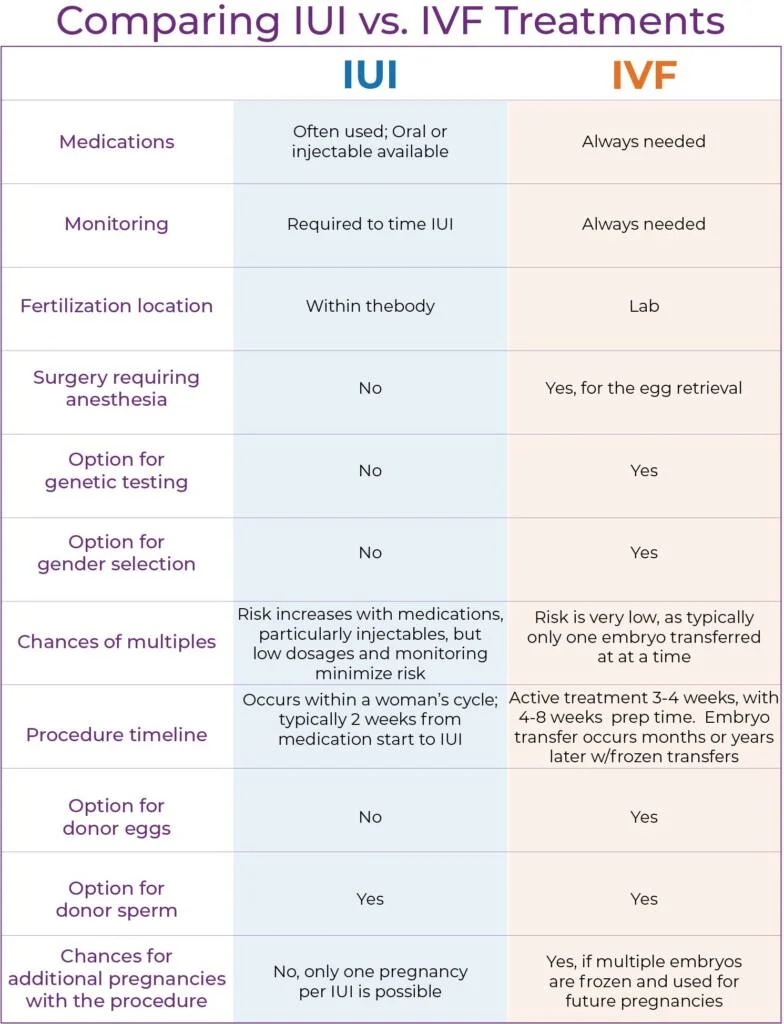
    Comparison chart of IUI and IVF treatments, detailing medications, monitoring, procedures, and success rates.

    The Science Behind Sperm Analysis and Semen Analysis

    Sperm analysis, also known as a semen analysis, is a laboratory test that evaluates different aspects of sperm health. This test is usually one of the first steps in diagnosing male fertility issues. Sperm analysis measures three main factors: sperm count, motility, and morphology.

    Sperm count refers to the number of sperm present in one milliliter of semen. A healthy sperm count is considered to be at least 15 million sperm per milliliter, while a low sperm count is anything below 10 million sperm per milliliter. Motility, on the other hand, measures the percentage of sperm that are actively moving. Sperm with good motility are able to swim and reach the egg, increasing the chances of fertilization. Lastly, morphology evaluates the shape and structure of sperm. Sperm with abnormal shapes may have a harder time reaching and fertilizing the egg.

    A semen sample is collected through masturbation and is then sent to a laboratory for analysis. The sample should be collected after 2-3 days of abstinence and should be kept at body temperature during transport. The analysis is usually completed within a few hours, and the results are then sent to the doctor for review.

    Semen Analysis: What It Measures and How It’s Done

    Semen analysis is a more comprehensive test that evaluates the overall quality of semen. This test includes all the parameters of sperm analysis, plus additional factors such as volume, pH, and fructose levels. Volume refers to the amount of semen produced during ejaculation and is typically around 2-5 milliliters. A lower volume may indicate an issue with the prostate gland or a blockage in the reproductive tract.

    pH measures the acidity of semen, which should be slightly alkaline to protect sperm from the acidic environment of the vagina. Fructose, a sugar found in semen, provides energy for sperm to swim and is an important factor in male fertility. A low fructose level may indicate a blockage in the reproductive tract.

    In addition to these parameters, semen analysis also evaluates for the presence of white blood cells, which can indicate an infection, and the liquefaction time, which refers to the time it takes for semen to become liquid after ejaculation. Abnormalities in any of these factors can provide insight into potential fertility issues and guide further testing and treatment.

    Summary:

    Sperm analysis and semen analysis are important tests used to evaluate male fertility and reproductive health. Sperm analysis measures the quantity, quality, and movement of sperm, while semen analysis evaluates the overall quality of semen, including additional factors such as volume, pH, and fructose levels. These tests provide valuable information about a man’s ability to father a child and can help identify potential factors affecting sperm health. It is important to address any potential issues to improve fertility and reproductive health.
  • From Conception to Birth: Comparing Intrauterine Insemination and Sperm Washing

    From Conception to Birth: Comparing Intrauterine Insemination and Sperm Washing

    The journey from conception to birth is a miraculous and complex process that involves multiple factors. For couples who are struggling with fertility issues and are seeking medical assistance, intrauterine insemination (IUI) and sperm washing are two commonly used techniques. Both procedures involve the use of assisted reproductive technology (ART) and can help increase the chances of pregnancy. In this blog post, we will compare and contrast IUI and sperm washing and discuss their effectiveness, safety, and potential side effects.

    What is Intrauterine Insemination (IUI)?

    Intrauterine insemination, also known as artificial insemination, is a common fertility treatment that involves placing sperm directly into a woman’s uterus. This procedure is usually recommended for couples who have been trying to conceive for at least a year with no success, or for those who have specific fertility issues such as low sperm count or cervical mucus problems.

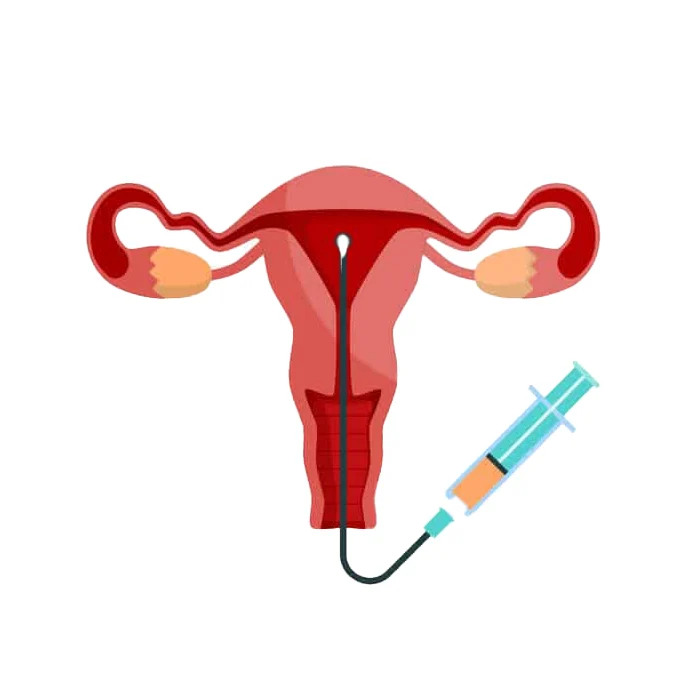
    The process of IUI begins with the collection of semen from the male partner or a donor. The sperm is then washed and purified, removing any potential contaminants or dead sperm. The washed sperm is then placed into a catheter and inserted into the woman’s uterus, usually around the time of ovulation. This procedure is relatively quick and painless and does not require anesthesia.

    Effectiveness of IUI

    The success rate of IUI varies depending on the individual’s fertility status and the cause of infertility. On average, the success rate for IUI is around 10-20% per cycle. However, this rate can increase to 26-30% when fertility drugs are used to stimulate ovulation, and if IUI is performed multiple times.

    Safety and Side Effects of IUI

    IUI is a relatively safe procedure with minimal side effects. Some women may experience mild cramping or spotting after the procedure, which usually resolves within a day or two. In rare cases, there may be an infection or injury to the uterus or cervix, but these are very uncommon.

    What is Sperm Washing?

    Sperm washing is another ART technique that involves separating healthy sperm from semen and preparing it for use in fertility treatments. This process is done in a laboratory and is used in several fertility treatments, including IUI, in vitro fertilization (IVF), and intracytoplasmic sperm injection (ICSI).

    illustration of a uterus with a syringe for intrauterine insemination (IUI) procedure

    From Conception to Birth: Comparing Intrauterine Insemination and Sperm Washing

    The process of sperm washing begins with collecting a semen sample from the male partner or a donor. The sample is then placed in a centrifuge to separate the sperm from the semen. The sperm is then washed and purified, similar to the process in IUI, to remove any contaminants or dead sperm. The purified sperm is then used in the desired fertility treatment.

    Effectiveness of Sperm Washing

    The success rate of sperm washing varies depending on the type of fertility treatment it is used for. In IUI, sperm washing can increase the success rate from 10-20% up to 26-30%. In IVF and ICSI, sperm washing is used to ensure that only healthy and motile sperm are used for fertilization, thereby increasing the chances of success. The success rates for IVF and ICSI are around 40-50% per cycle.

    Safety and Side Effects of Sperm Washing

    Sperm washing is a safe procedure with minimal side effects. As with IUI, some women may experience mild cramping or spotting after the procedure. There is also a small risk of infection or injury, but these are rare.

    Comparing IUI and Sperm Washing

    Both IUI and sperm washing are used in ART and have similar success rates. However, there are some notable differences between the two procedures. One of the main differences is that IUI involves placing sperm directly into the uterus, while sperm washing is used to prepare sperm for other fertility treatments. Additionally, IUI can be done without fertility drugs, but sperm washing is usually combined with other treatments that require fertility drugs.

    Another difference is the cost. IUI is generally less expensive than sperm washing, as it does not involve the use of a laboratory. However, the success rates of IUI can be lower, and couples may need to undergo multiple cycles, making the overall cost similar to sperm washing.

    Which is Better: IUI or Sperm Washing?

    The answer to this question depends on the individual’s fertility status and the recommendation of their fertility specialist. For couples with no underlying fertility issues, IUI may be a suitable and less expensive option. However, for couples with specific fertility problems, such as low sperm count or motility, sperm washing may be more effective.

    Both procedures have relatively low risks and side effects, making them safe options for couples seeking fertility treatments. It is important to consult with a fertility specialist to determine the best course of action for each individual case.

    In summary, both IUI and sperm washing are effective and safe fertility treatments that can help couples struggling with infertility. While they have some similarities, there are also notable differences in their processes and costs. Consulting with a fertility specialist and discussing the options is crucial in deciding which procedure is best for each individual case.