The Psychological Effects: Intrauterine Insemination vs Low-Tech IVF
When it comes to fertility treatments, there are various options available to couples who are struggling to conceive. Two of the most common treatments are intrauterine insemination (IUI) and low-tech in vitro fertilization (IVF). While both treatments have similar success rates, they differ greatly in terms of the psychological effects they may have on the individuals undergoing them. In this blog post, we will delve into the psychological effects of IUI and low-tech IVF and explore the potential impact on couples’ emotional well-being.
Intrauterine Insemination (IUI)
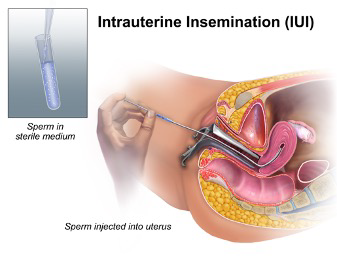
IUI involves placing washed and concentrated sperm directly into a woman’s uterus during ovulation. It is a relatively simple and non-invasive procedure that can be done in a doctor’s office. However, despite its simplicity, IUI can have significant psychological effects on individuals undergoing the treatment.
One of the most common psychological effects of IUI is anxiety. Many couples experience high levels of stress and worry during the waiting period between the procedure and the pregnancy test. This can be due to the uncertainty of whether the procedure will be successful or not. The constant wondering and questioning can lead to a rollercoaster of emotions, including fear, disappointment, and hopelessness.
Another psychological effect of IUI is the impact on a couple’s intimacy. The procedure can feel clinical and impersonal, which can cause feelings of detachment and strain on the relationship. This can be particularly challenging for couples who have been struggling with infertility for an extended period, as it adds another layer of stress to their already strained relationship.
Low-Tech IVF
Low-tech IVF, also known as mini-IVF or natural cycle IVF, is a less intense and more affordable version of traditional IVF. It involves using low doses of medication to stimulate the ovaries, and the eggs are retrieved and fertilized in the same way as with traditional IVF. However, the psychological effects of low-tech IVF can differ greatly from IUI.
The Psychological Effects: Intrauterine Insemination vs Low-Tech IVF
One of the most significant psychological effects of low-tech IVF is the pressure to succeed. Due to the higher financial investment and the more invasive nature of the treatment, couples may feel a significant amount of pressure to have a successful outcome. This pressure can lead to increased levels of stress, anxiety, and disappointment if the treatment is not successful.
Another psychological effect of low-tech IVF is the impact on self-esteem. Many individuals undergoing fertility treatments may already feel a sense of failure or inadequacy due to their struggles with conception. The added pressure and potential failure of low-tech IVF can exacerbate these feelings and lead to a negative self-image.
Comparison of Psychological Effects
While both IUI and low-tech IVF can have significant psychological effects, there are some notable differences between the two treatments. IUI may cause more stress and anxiety during the waiting period between the procedure and pregnancy test, while low-tech IVF can lead to increased pressure and impact on self-esteem. Additionally, the impersonal nature of IUI can strain a couple’s intimacy, while the investment and invasive nature of low-tech IVF can put a strain on the couple’s relationship.
Managing the Psychological Effects
It is essential for couples undergoing fertility treatments to be aware of the potential psychological effects and take steps to manage them. One way to do this is by seeking support from a therapist or counselor who specializes in infertility. Talking through their feelings and concerns can help individuals and couples cope with the stress and anxiety of the treatments. Additionally, practicing self-care and finding healthy ways to cope with the emotional rollercoaster can also be beneficial. This may include activities such as exercise, meditation, or spending quality time with loved ones.
In conclusion, both IUI and low-tech IVF can have significant psychological effects on individuals and couples undergoing fertility treatments. While IUI may cause more stress and impact on intimacy, low-tech IVF can lead to pressure and self-esteem issues. It is crucial for individuals and couples to be aware of these potential effects and take steps to manage them in a healthy way. Seeking support and practicing self-care can help individuals cope with the emotional challenges of fertility treatments and improve their overall well-being.
Summary:
Intrauterine insemination (IUI) and low-tech in vitro fertilization (IVF) are two common fertility treatments with similar success rates. However, they differ greatly in terms of the psychological effects they may have on individuals undergoing them. IUI may cause anxiety and impact intimacy, while low-tech IVF can lead to pressure and self-esteem issues. It is essential for couples to be aware of these effects and seek support from a therapist or practice self-care to cope with the emotional challenges of fertility treatments.
