Blog Post:
Love knows no boundaries, and this is especially true for same-sex couples who are looking to start a family. Thanks to advancements in science and technology, there are now more options available for same-sex couples to conceive and have children. Two of the most popular methods are home insemination and in vitro fertilization (IVF). In this blog post, we will explore the intersection of science and love through the lens of these two methods, specifically for same-sex couples.
Home Insemination:
Home insemination, also known as artificial insemination, is a method where sperm is manually inserted into the vagina or cervix in order to fertilize an egg. This method can be done at home with a donor’s sperm or with the help of a fertility clinic. For same-sex couples, this method allows them to conceive without having to go through a traditional sexual intercourse process.
One of the benefits of home insemination is that it is a less invasive and more affordable option compared to other fertility treatments. It also allows same-sex couples to have more control over the timing and process of conception. However, there are also some potential risks and challenges with this method. For instance, there is a higher chance of infection if proper precautions are not taken, and there is no guarantee of success since it relies on the timing and quality of the sperm used.
Many same-sex couples have successfully conceived through home insemination, and it has allowed them to experience the joys of parenthood. However, this method is not suitable for everyone, and some couples may need to explore other options.
In Vitro Fertilization (IVF):
In vitro fertilization, or IVF, is a more complex and invasive method of conception. It involves fertilizing an egg with sperm in a laboratory and then transferring the embryo into the uterus for implantation. This method is often used by same-sex couples who want to have a biological connection to their child.
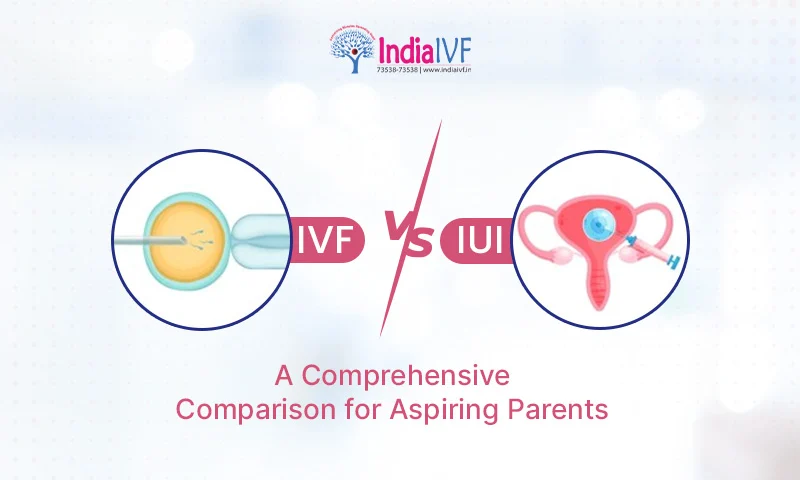
The Intersection of Science and Love: Home Insemination and IVF for Same-Sex Couples
IVF can be a more expensive option compared to home insemination, and it also requires more medical procedures such as hormone injections and egg retrieval. However, it also has a higher success rate and allows for genetic testing of the embryo before implantation. IVF also offers options for same-sex couples to use a surrogate or donor egg if needed.
One of the most significant benefits of IVF for same-sex couples is the ability to have a biological connection to their child. This can be a crucial factor for many couples who want to have a family of their own. However, it is essential to note that the process of IVF can be emotionally and physically draining, and it may not always result in a successful pregnancy.
The Intersection of Science and Love:
Both home insemination and IVF are examples of how science and technology have advanced to help same-sex couples start a family. These methods have opened up opportunities for couples who may not have been able to conceive through traditional means. They have also allowed for more diversity in the concept of what makes a family.
However, there are still challenges and limitations that same-sex couples face when it comes to starting a family. For instance, the laws and regulations around fertility treatments can vary from country to country, making it difficult for some couples to access these methods. There is also a lack of representation and education about these options, which can make it challenging for couples to navigate the process.
The emotional and financial toll of fertility treatments can also be overwhelming for couples, especially when there is no guarantee of success. This can put a strain on their relationship and make the journey towards parenthood even more challenging.
In conclusion, the intersection of science and love has brought about significant advancements in the field of fertility treatments, giving same-sex couples the opportunity to start a family. Home insemination and IVF offer different options with their own sets of benefits and challenges. It is essential for couples to carefully consider their options and seek professional guidance to determine the best course of action for them.
Summary:
The intersection of science and love has opened up opportunities for same-sex couples to start a family through methods such as home insemination and in vitro fertilization (IVF). Home insemination, while more affordable and less invasive, has its own risks and challenges. IVF, on the other hand, offers a higher success rate and the ability to have a biological connection to the child. However, the emotional and financial toll of fertility treatments can be overwhelming for couples. It is crucial for couples to carefully consider their options and seek professional guidance to determine the best course of action for them.