Blog Post Title: How to Choose Between Home Insemination and IVF for Your Same-Sex Family
As the LGBTQ+ community continues to gain visibility and acceptance, more and more same-sex couples are considering starting a family. However, the path to parenthood may seem daunting with so many options available. Two popular methods for same-sex couples to conceive are home insemination and IVF (In Vitro Fertilization). Both have their own advantages and disadvantages, so it is important to carefully consider which option is best for your family. In this blog post, we will discuss the key factors to consider when choosing between home insemination and IVF for your same-sex family.
Home Insemination
Home insemination involves collecting sperm from a donor, either through a known donor or a sperm bank, and inserting it into the partner’s reproductive tract using a syringe or a special device called an insemination cup. This method can be done at home without the help of a medical professional, making it a more affordable and convenient option for many same-sex couples.
Advantages of Home Insemination:
1. Cost-effective: Home insemination is significantly cheaper than IVF. The cost of sperm donation can range from a few hundred to a few thousand dollars, depending on the method and source of donation. This is much more affordable than the average cost of IVF, which can be upwards of $10,000.
2. Privacy and comfort: Many couples prefer the privacy and comfort of their own home when undergoing the insemination process. This can alleviate some of the stress and anxiety that comes with undergoing medical procedures.
3. Increased control and involvement: Home insemination allows both partners to be actively involved in the conception process. From selecting the donor to administering the insemination, both partners can feel a sense of ownership and control over the process.
Disadvantages of Home Insemination:
1. Limited success rate: The success rate of home insemination varies greatly and is influenced by several factors such as the quality of the sperm, timing of insemination, and reproductive health of the partner. As a result, it may take several attempts before achieving a successful pregnancy.
2. Lack of medical supervision: Unlike IVF, home insemination does not involve medical supervision. This means that any potential fertility issues or complications may go undetected, making it a riskier option for some couples.
3. Legal and ethical concerns: Using a known sperm donor for home insemination can raise legal and ethical concerns, especially if the donor is not properly screened for sexually transmitted infections or genetic disorders.
IVF (In Vitro Fertilization)
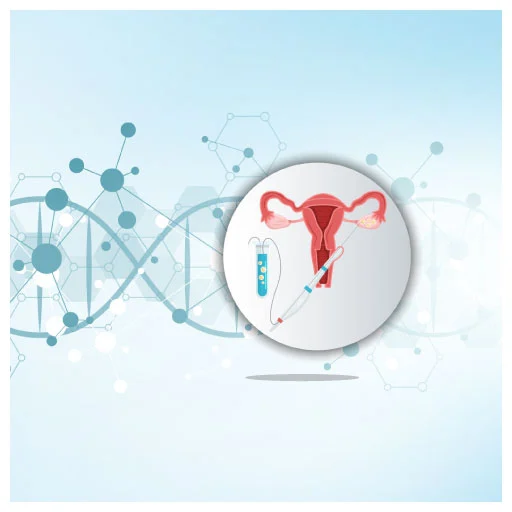
How to Choose Between Home Insemination and IVF for Your Same-Sex Family
IVF is a more complex and invasive procedure that involves retrieving eggs from one partner and fertilizing them with donor sperm in a laboratory. The resulting embryos are then transferred into the uterus of the other partner or a gestational carrier. IVF has a higher success rate compared to home insemination, but it also comes with a higher cost and more involvement from medical professionals.
Advantages of IVF:
1. Higher success rate: IVF has a higher success rate compared to home insemination, making it a more reliable option for couples who have been struggling with fertility issues.
2. Medical supervision: With IVF, medical professionals closely monitor the process, which can help detect any potential issues and increase the chances of a successful pregnancy.
3. More options for genetic testing: IVF allows for pre-implantation genetic testing, which can help identify any potential genetic disorders or chromosomal abnormalities in the embryos before they are transferred.
Disadvantages of IVF:
1. Expensive: IVF is a costly procedure, and the cost can add up even more if multiple rounds are required. Additionally, some insurance plans do not cover the cost of IVF, making it inaccessible for many couples.
2. Invasive and time-consuming: IVF is a more invasive and time-consuming process compared to home insemination. It involves multiple doctor visits, hormone injections, and egg retrieval procedures, which can be physically and emotionally taxing for the couple.
3. Potential for multiple pregnancies: IVF has a higher risk of multiple pregnancies, which can lead to complications for both the mother and the babies.
How to Choose Between Home Insemination and IVF
When deciding between home insemination and IVF, there are several factors that you and your partner should consider. These include your budget, personal preferences, medical history, and fertility issues, if any. It is also essential to consult with a fertility specialist who can provide you with personalized advice and guidance based on your specific situation.
If cost is a significant factor, home insemination may be the better option. However, if you have been struggling with fertility issues, IVF may be the more suitable choice. It is also important to consider the risks and benefits of each method and discuss them with your partner to make an informed decision.
In the end, the choice between home insemination and IVF for your same-sex family is a personal one, and what works for one couple may not work for another. It is important to remember that there is no right or wrong way to start a family, and the most important thing is to choose the option that feels right for you and your partner.
In summary, choosing between home insemination and IVF for your same-sex family involves weighing the pros and cons of each method and considering factors such as cost, success rate, and personal preferences. Consulting with a fertility specialist can also provide valuable insight and guidance in making this important decision.