Navigating the Legal Landscape of DIY Insemination: Important Factors to Consider
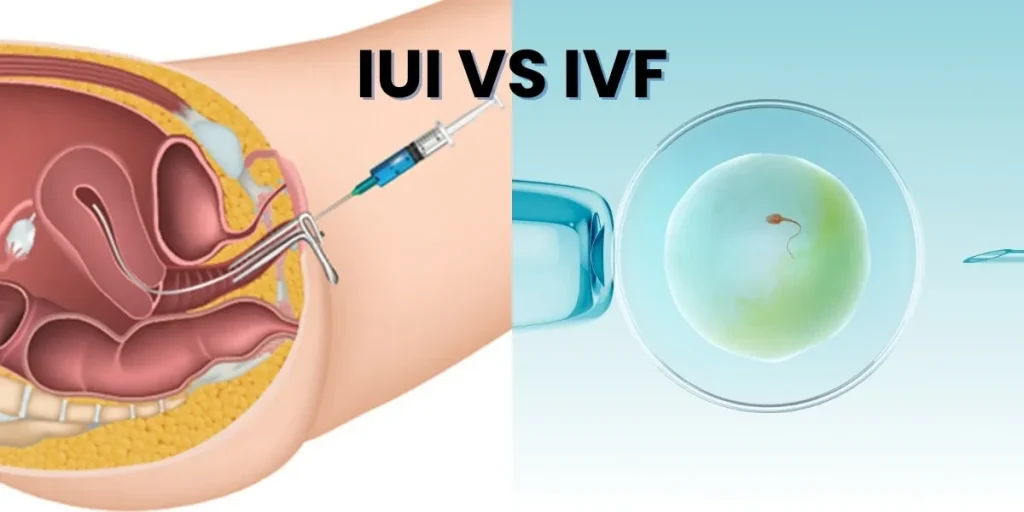
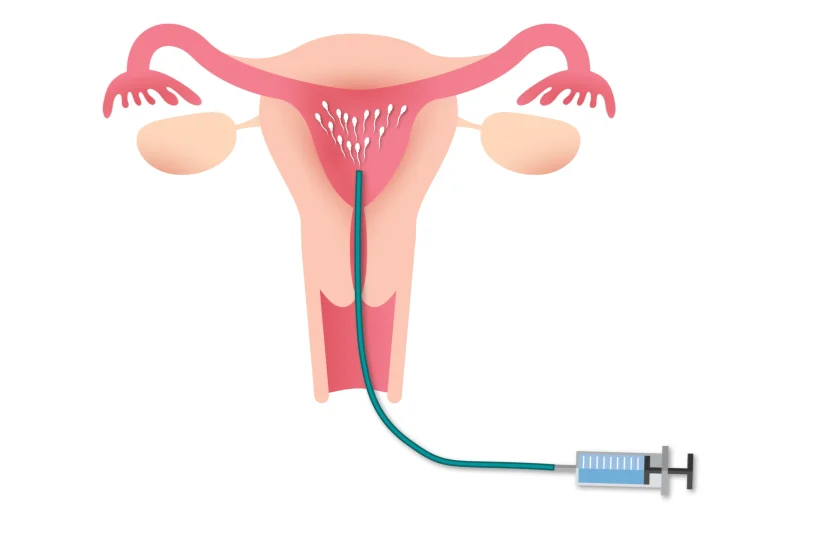
In recent years, DIY insemination has become a popular alternative for individuals and couples looking to start a family. With advancements in technology and the increasing acceptance of non-traditional family structures, many people are turning to at-home insemination methods as a means of conceiving. While this option may seem appealing and convenient, it is important to understand the legal implications involved in DIY insemination. In this blog post, we will discuss the important factors to consider when navigating the legal landscape of DIY insemination.
First and foremost, it is crucial to understand the legal status of DIY insemination in your country or state. Laws and regulations regarding assisted reproduction vary widely across different regions, and it is important to be aware of the legalities before proceeding with DIY insemination. In some places, DIY insemination may be considered a form of adoption, while in others it may be viewed as a form of surrogacy. It is important to consult with a legal professional who is knowledgeable in family law to understand the legal implications of DIY insemination in your specific area.
Another important factor to consider is the legal status of the donor. In DIY insemination, individuals or couples typically use sperm from a known or anonymous donor. It is important to understand the legal implications of using a known donor, as this can vary depending on the laws in your area. In some cases, the donor may be recognized as the legal father of the child and may have rights and responsibilities towards the child. It is important to have a clear understanding of the legal rights and responsibilities of the donor before proceeding with DIY insemination.
In addition, it is important to consider the legal rights of the recipient or intended parent(s) in DIY insemination. In some cases, the donor may have legal rights to the child, especially if they are a known donor. This can become a complicated issue, especially if the relationship between the donor and the recipient(s) changes in the future. It is important to have a clear legal agreement in place outlining the rights and responsibilities of all parties involved in the DIY insemination process.
One of the most important factors to consider when navigating the legal landscape of DIY insemination is the issue of parental rights. In traditional conception methods, the mother who gives birth to the child is automatically recognized as the legal mother. However, in DIY insemination, the legal status of the parent(s) may not be as clear. This can become a complex issue, especially if the donor is a known individual and has legal rights to the child. In such cases, it is important to have a legal agreement in place that outlines the parental rights of all parties involved.
Navigating the Legal Landscape of DIY Insemination: Important Factors to Consider
Another important consideration is the use of a contract between all parties involved in the DIY insemination process. This contract should outline all the legal rights and responsibilities of the donor, the recipient(s), and any other involved parties. This can include issues such as parental rights, financial responsibilities, and any other important considerations. It is important to have this contract reviewed by a legal professional to ensure that it is legally binding and protects the rights of all parties involved.
It is also crucial to consider the potential risks and challenges that may arise during the DIY insemination process. This can include issues such as medical complications, genetic diseases, and legal disputes. It is important to be prepared for these potential challenges and have a plan in place to address them. This can include having a backup plan for medical care, discussing potential genetic risks with the donor, and having a clear legal agreement in place to address any potential disputes.
In addition to legal considerations, there are also ethical considerations to keep in mind when navigating the DIY insemination process. It is important to ensure that all parties involved are fully informed and consent to the process. This includes the donor, the recipient(s), and any other involved parties. It is also important to consider the well-being of the child and ensure that their best interests are taken into account throughout the process.
In conclusion, while DIY insemination may seem like a convenient and cost-effective option for starting a family, it is crucial to understand the legal landscape and consider all important factors before proceeding. This includes understanding the legal status of DIY insemination in your area, the legal rights of the donor and recipient(s), and having a clear legal agreement in place. It is also important to consider potential risks and challenges, as well as ethical considerations. Consulting with a legal professional who is knowledgeable in family law can help ensure a smooth and legally sound DIY insemination process.
Summary:
DIY insemination has become a popular option for individuals and couples looking to start a family. However, it is important to understand the legal implications involved in this process. Factors to consider include the legal status of DIY insemination in your area, the legal rights of the donor and recipient(s), and having a clear legal agreement in place. It is also important to consider potential risks and challenges, as well as ethical considerations. Consulting with a legal professional can help ensure a smooth and legally sound DIY insemination process.