Tag: Reproductive Rights

  • Home Insemination vs Clinical Insemination: Legal Considerations for Intrauterine Insemination

    Home insemination and clinical insemination, also known as intrauterine insemination (IUI), are two methods of assisted reproduction that can help individuals or couples conceive a child. While both methods involve the introduction of sperm into the uterus, they differ in terms of where the insemination takes place. Home insemination is done in the comfort of one’s own home, while clinical insemination is performed in a medical setting. While both methods have their own benefits and challenges, there are also important legal considerations to take into account when choosing between home insemination and clinical insemination.

    Home insemination involves using a syringe or a special device called an insemination kit to deposit sperm into the vagina or cervix, with the goal of reaching the uterus and potentially fertilizing an egg. This method can be done by individuals or couples, and can be a more affordable and private option compared to clinical insemination. However, there are several legal factors to consider when choosing to do home insemination.

    Firstly, it is important to note that home insemination is not regulated by any governing body, unlike clinical insemination which is typically performed in a medical setting under the supervision of a doctor. This lack of regulation means that individuals or couples who choose to do home insemination are responsible for ensuring the safety and legality of the process. This includes obtaining consent from all parties involved, ensuring the use of safe and sterile equipment, and following any relevant laws or regulations in their area.

    Another legal consideration with home insemination is the issue of parentage. In cases where a sperm donor is used, there may be questions about the legal rights and responsibilities of the donor and the intended parent(s). This can vary depending on the laws of the specific jurisdiction, but it is important to discuss and document these issues beforehand to avoid potential legal disputes in the future.

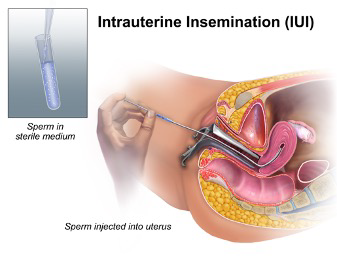
    On the other hand, clinical insemination is a more regulated and monitored process. It is typically done in a fertility clinic or a doctor’s office, with the help of a medical professional. This method involves using washed and prepared sperm, which is then inserted directly into the uterus using a thin catheter. The use of medical equipment and the involvement of a doctor make clinical insemination a more expensive option compared to home insemination. However, there are also important legal considerations to keep in mind when choosing this method.
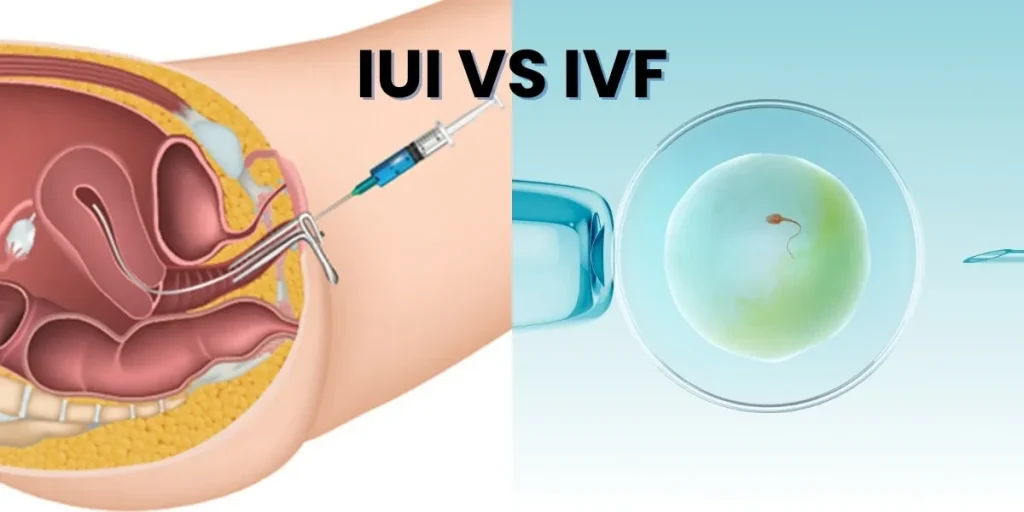
    comparison of IUI and IVF fertility treatments with illustrations of procedures and a petri dish with an egg and sperm

    Home Insemination vs Clinical Insemination: Legal Considerations for Intrauterine Insemination

    One of the main legal considerations with clinical insemination is the issue of consent. Before undergoing any fertility treatments, individuals or couples must give informed consent, which includes understanding the potential risks, success rates, and costs associated with the procedure. Additionally, there may be specific requirements for certain groups of individuals, such as single parents or same-sex couples, which may require legal documentation or approval before undergoing clinical insemination.

    Another legal factor to consider with clinical insemination is the use of a sperm donor. In most cases, sperm donors are required to undergo medical and genetic screenings, as well as sign consent forms, before their sperm can be used for insemination. This is to ensure the health and safety of the potential child and to protect the legal rights of all parties involved. It is important for individuals or couples considering clinical insemination to understand and follow the legal requirements and guidelines for using a sperm donor.

    In addition to these legal considerations, it is also important to note that both home insemination and clinical insemination may have implications for the rights and responsibilities of the resulting child. For example, in some cases, the sperm donor may have legal rights and obligations towards the child, even if they are not the intended parent. It is crucial to understand and discuss these potential implications with a legal professional before undergoing any fertility treatments.

    In conclusion, both home insemination and clinical insemination are viable options for individuals or couples looking to conceive a child. However, there are important legal considerations to keep in mind when choosing between these methods. Whether it is ensuring the safety and legality of the process, understanding the legal rights and responsibilities of all parties involved, or following the necessary regulations and guidelines, it is crucial to consult with a legal professional and thoroughly understand the legal implications of both home insemination and clinical insemination.

    In summary, when it comes to intrauterine insemination, there are important legal considerations to take into account. Home insemination may offer a more affordable and private option, but it is not regulated and requires individuals or couples to take responsibility for ensuring the safety and legality of the process. Clinical insemination, on the other hand, is a more regulated and monitored process, but it can be more expensive and involves specific legal requirements and guidelines. Ultimately, it is important to consult with legal professionals and thoroughly understand the legal implications of both options before making a decision.


  • The Legal Side of Home Insemination: Protecting Your Family’s Future

    Home insemination, also known as at-home artificial insemination, is becoming a popular alternative for couples and individuals who are trying to conceive. It allows them to bypass the traditional medical route and have control over the process in the comfort of their own home. However, while home insemination may seem like a simple and convenient option, there are important legal considerations that must be addressed to protect your family’s future. In this blog post, we will discuss the legal side of home insemination and provide valuable information to ensure that you are on the right track towards building your family.

    First and foremost, it is essential to understand the legality of home insemination in your state or country. The laws and regulations surrounding home insemination vary greatly and can be complex. Some states may have specific laws that prohibit or restrict home insemination, while others may have no regulations at all. It is crucial to research and understand the laws in your area to ensure you are not breaking any rules. Seeking legal advice from a professional who is knowledgeable about reproductive rights can also be beneficial in navigating the legal landscape of home insemination.

    One of the most significant legal considerations when it comes to home insemination is parental rights. Parental rights refer to the legal rights and responsibilities that come with being a parent, such as making decisions about the child’s welfare and having a say in their upbringing. In traditional medical insemination, the donor usually signs away their parental rights, and the recipient or their partner becomes the legal parent. However, in home insemination, the process is not as straightforward. The donor may still have parental rights, even if they are not the intended parent. This is why it is crucial to have a legal agreement in place before proceeding with home insemination.

    A legal agreement, also known as a donor agreement, is a contract between the donor and the recipient that outlines their roles and responsibilities. It can include details such as the donor’s involvement in the child’s life, financial obligations, and parental rights. This agreement serves as a crucial document in protecting the rights of all parties involved and can be used as evidence in case of any legal disputes in the future. It is essential to have this agreement reviewed and signed by both parties before proceeding with home insemination.

    Illustration of IUI procedure with uterus and syringe against a DNA background.

    The Legal Side of Home Insemination: Protecting Your Family's Future

    Another vital consideration is the use of a known or anonymous donor. A known donor is someone you personally know and have a relationship with, while an anonymous donor is someone you have no prior connection to. It is essential to understand the legal implications of using either type of donor. If you choose to use a known donor, it is crucial to have a donor agreement in place, as mentioned earlier. However, if you opt for an anonymous donor, there are legalities to consider, such as the donor’s anonymity and their rights to remain anonymous. It is advisable to seek legal advice when choosing a donor, regardless of whether they are known or anonymous.

    Additionally, for LGBTQ+ families, home insemination can bring about unique legal considerations. Many states have laws that do not recognize same-sex couples or individuals as legal parents, which can complicate the parental rights of the non-biological parent. In these cases, it is crucial to have a second-parent adoption or a co-parenting agreement in place to ensure that both parents have equal rights to the child. These legal actions can provide protection for both parents and the child in case of any legal challenges.

    Moreover, it is vital to keep a record of the home insemination process. This record can serve as evidence of the donor’s consent and involvement in the child’s conception. It is advisable to have a medical professional present during the insemination process and to keep a copy of the medical records. This can also serve as proof of the donor’s medical history, which can be crucial for the child’s well-being in the future.

    In conclusion, while home insemination can be a convenient and cost-effective way to start or expand your family, it is essential to address the legal side of the process. Understanding the laws and regulations in your area, having a legal agreement in place, and keeping a record of the process are all crucial steps in protecting your family’s future. Seeking legal advice from a professional who specializes in reproductive rights can also provide valuable guidance and ensure that you are on the right track towards building your family.

    In summary, home insemination can bring about various legal considerations, including parental rights, donor agreements, the use of known or anonymous donors, and LGBTQ+ family planning. It is crucial to understand and address these legal aspects to protect the rights of all parties involved and ensure a secure and stable future for your family.

  • The Ethics Behind Artificial Insemination and Natural Conception

    Blog Post:

    The topic of artificial insemination and natural conception is a highly debated and controversial one. While some see it as a necessary means for couples struggling with infertility, others view it as a violation of natural processes and ethical boundaries. In this blog post, we will delve into the ethics behind both artificial insemination and natural conception, exploring the different perspectives and arguments surrounding these methods of conception.

    Artificial insemination, also known as assisted reproductive technology (ART), involves the placement of sperm into a woman’s reproductive tract in order to facilitate pregnancy. This can be done through various techniques such as intrauterine insemination (IUI) or in vitro fertilization (IVF). On the other hand, natural conception occurs when a sperm fertilizes an egg inside a woman’s body, following the natural process of sexual intercourse.

    One of the main arguments against artificial insemination is that it goes against the natural process of conception. Many believe that conception should only occur through sexual intercourse between a man and a woman. This view is often influenced by religious beliefs that emphasize the sanctity of marriage and the traditional family structure. Those who hold this perspective see artificial insemination as a way to bypass the natural order of things and interfere with the divine plan.

    Furthermore, some argue that artificial insemination is a form of playing God and goes against the natural selection process. By selecting and manipulating the sperm that will fertilize the egg, artificial insemination allows for the possibility of genetic engineering and “designer babies.” This raises concerns about the potential consequences of altering natural genetic makeup and the societal implications of creating a superior race.

    However, proponents of artificial insemination argue that it is a necessary option for couples struggling with infertility. They believe that every individual has a fundamental right to reproduce and that artificial insemination is a means to fulfill this right. For many couples, the inability to conceive naturally can have a significant emotional and psychological impact, and artificial insemination offers a chance at parenthood that may not have been possible otherwise.

    A person administering an injection into their abdomen with a yellow pen-like device.

    The Ethics Behind Artificial Insemination and Natural Conception

    Another ethical concern surrounding artificial insemination is the use of donor sperm or eggs. In some cases, individuals or couples may choose to use donor sperm or eggs to conceive a child. This raises questions about the child’s identity and the potential psychological impact on the child when they discover their genetic makeup is different from that of their parents. Additionally, there are concerns about the lack of transparency in the process and the potential for exploitation of donors.

    In contrast, natural conception is often seen as the most ethical and natural way of conceiving a child. It follows the natural processes of reproduction and does not involve any external interference. However, it is not without its ethical considerations. One of the main concerns is the potential for unplanned or unwanted pregnancies, especially in cases where the individuals involved are not ready for parenthood. This can lead to difficult decisions regarding abortion or adoption.

    Moreover, natural conception also raises questions about reproductive rights and the role of government in regulating reproductive choices. In some countries, laws and policies restrict access to contraception and reproductive health services, which can limit an individual’s right to choose when and if they want to have children. This can have serious implications for individuals who may not have the means to care for a child or those who do not want to have children at all.

    In summary, the ethics behind artificial insemination and natural conception are complex and multifaceted. While artificial insemination may go against the natural process of conception and raise concerns about playing God and genetic engineering, it also offers hope for couples struggling with infertility. On the other hand, natural conception is seen as the most ethical and natural way of conceiving a child, but it also raises concerns about reproductive rights and unplanned pregnancies. Ultimately, the decision to pursue artificial insemination or natural conception should be a personal and informed one, taking into consideration the physical, emotional, and ethical implications of each option.

    In conclusion, the topic of artificial insemination and natural conception is one that continues to spark debate and divide opinions. While there are valid ethical concerns on both sides, it is important to consider the individual circumstances and rights of those involved. As technology continues to advance and new methods of conception emerge, it is essential to have ongoing discussions and considerations of the ethical implications of these methods.

    SEO Metadata:

  • The Cultural Impact of Home Insemination and IVF for Same-Sex Couples

    Blog Post Title: The Cultural Impact of Home Insemination and IVF for Same-Sex Couples

    In recent years, there has been a significant cultural shift towards greater acceptance and visibility of the LGBTQ+ community. This has also led to advancements in reproductive technologies, specifically home insemination and in vitro fertilization (IVF), which have provided same-sex couples with the opportunity to have children and start families of their own. The cultural impact of these options cannot be underestimated, as they have opened doors for same-sex couples and challenged traditional notions of family and parenthood. In this blog post, we will explore the history and current state of home insemination and IVF for same-sex couples, as well as the social and cultural implications of these reproductive technologies.

    History of Home Insemination and IVF for Same-Sex Couples

    Home insemination, also known as at-home artificial insemination, involves using a syringe or a specially designed kit to insert semen into the vagina or cervix of a woman, with the goal of fertilizing an egg and achieving pregnancy. This method has been used for heterosexual couples struggling with fertility for decades, but it wasn’t until the 1980s that same-sex couples started to explore this option as well.

    In the United States, the first known case of a same-sex couple using home insemination to conceive was in 1986, when a lesbian couple from California successfully used a friend’s donated sperm. This paved the way for other same-sex couples to follow suit and sparked a movement towards reproductive rights for the LGBTQ+ community.

    Around the same time, IVF, which involves retrieving eggs from a woman’s ovaries and fertilizing them with sperm in a laboratory, also emerged as a viable option for same-sex couples. In 1985, the first successful IVF birth resulted from a lesbian couple using a sperm donor and a surrogate mother. This groundbreaking case opened up a new world of possibilities for same-sex couples wanting to have children.

    Current State of Home Insemination and IVF for Same-Sex Couples

    Since the 1980s, home insemination and IVF have become increasingly popular options for same-sex couples looking to conceive. With the rise of online sperm banks and fertility clinics, obtaining donor sperm and finding surrogate mothers has become more accessible and less stigmatized.

    One of the main advantages of home insemination and IVF for same-sex couples is the ability to have a biological connection to their child. This is particularly important for lesbian couples, who can use the sperm of one partner and the egg of the other to create a child genetically related to both parents. In the case of gay male couples, one partner can donate sperm and the other can use a surrogate to carry the pregnancy, allowing both partners to have a biological connection to their child.

    Illustration of intrauterine insemination (IUI) procedure, showing sperm injection into the uterus.

    The Cultural Impact of Home Insemination and IVF for Same-Sex Couples

    The use of reproductive technologies has also allowed same-sex couples to have more control over the timing of their pregnancies and the number of children they want to have. With IVF, embryos can be created and frozen, giving couples the option to have children at a later time or have siblings from the same batch of embryos.

    Cultural Implications of Home Insemination and IVF for Same-Sex Couples

    The impact of home insemination and IVF for same-sex couples goes beyond just providing them with the opportunity to have children. These options have challenged traditional notions of family and parenthood, and have played a significant role in the fight for LGBTQ+ rights.

    By allowing same-sex couples to have children, these reproductive technologies have helped break down the heteronormative idea that only heterosexual couples can have families. This has led to greater acceptance and understanding of different family structures, as well as the recognition that love and commitment, rather than gender, are the foundations of a family.

    Moreover, home insemination and IVF have given same-sex couples the ability to create their own families on their own terms. They no longer have to rely on adoption or surrogacy laws that may be biased or discriminatory towards same-sex couples. This has empowered them to take control of their reproductive choices and start families without facing societal barriers.

    In addition, the increasing visibility of LGBTQ+ families through home insemination and IVF has helped to break down stereotypes and misconceptions about the community. By showing that same-sex couples can be loving and nurturing parents, these reproductive technologies have challenged the idea that heterosexuality is a requirement for being a good parent.

    Summary

    Home insemination and IVF have had a profound cultural impact on same-sex couples. These reproductive technologies have provided them with the opportunity to have children and start families on their own terms, breaking down traditional notions of family and parenthood. They have also played a significant role in the fight for LGBTQ+ rights and have helped to increase visibility and acceptance of diverse family structures.

    In conclusion, the advancements in home insemination and IVF have had a positive and transformative effect on the lives of same-sex couples. They have opened up new possibilities for starting families and have challenged societal norms, paving the way for a more inclusive and diverse understanding of family and parenthood.

  • The Impact of Religion on Traditional and Gestational Surrogacy

    Religion has always played a significant role in shaping societal norms and beliefs, and this is no different when it comes to the world of surrogacy. Surrogacy, the process of having a woman carry and give birth to a child for another individual or couple, has been a subject of controversy and debate, particularly when it comes to traditional and gestational surrogacy. While the practice of surrogacy has gained more acceptance and legal recognition in recent years, religious beliefs and values still heavily influence the perception and approach towards surrogacy, especially when it comes to traditional and gestational surrogacy.

    In this blog post, we will delve into the impact of religion on traditional and gestational surrogacy and how it has shaped the laws, attitudes, and practices surrounding these methods of assisted reproduction.

    Traditional Surrogacy and Religion
    Traditional surrogacy involves the use of the surrogate’s own egg to conceive a child, making her the biological mother. This method is often seen as a more natural way of surrogacy, as it follows the traditional way of conception. However, this also means that the surrogate will have a genetic connection to the child she carries.

    From a religious perspective, traditional surrogacy is often seen as an act of adultery and against the sanctity of marriage. Many religions view any form of reproductive technology as playing God and interfering with the natural way of procreation. Some religious groups also believe that a child should only be conceived through the union of a man and a woman within the boundaries of marriage.

    For example, in Catholicism, traditional surrogacy is considered a grave sin as it goes against the Church’s teachings on the purpose and sanctity of marriage. The Catholic Church also opposes traditional surrogacy as it can lead to the exploitation and commodification of women’s bodies, reducing them to mere vessels for carrying a child.

    Similarly, in Islam, traditional surrogacy is prohibited as it violates the concept of paternity and lineage. According to Islamic law, a child must be born within a legal marriage, and the husband must have a genetic connection to the child. Therefore, since traditional surrogacy does not meet these requirements, it is not permitted.

    The Impact of Religion on Traditional Surrogacy Laws
    Religious beliefs and values have played a significant role in shaping the laws and regulations surrounding traditional surrogacy. In many countries, traditional surrogacy is either illegal or highly regulated, with religious influence being a contributing factor.

    For instance, in many Catholic-majority countries such as Ireland, Italy, and Spain, traditional surrogacy is prohibited by law. In these countries, the Catholic Church’s strong influence has led to a ban on traditional surrogacy, with the argument that it goes against the teachings of the Church.

    illustration of a uterus with a syringe for intrauterine insemination (IUI) procedure

    The Impact of Religion on Traditional and Gestational Surrogacy

    On the other hand, in countries with a strong Muslim presence such as Saudi Arabia and Qatar, traditional surrogacy is also not allowed due to religious beliefs and values. Even in countries where traditional surrogacy is legal, such as the United States, there are often restrictions and regulations in place, influenced by religious values and beliefs.

    Gestational Surrogacy and Religion
    Gestational surrogacy, on the other hand, involves the use of a donor egg and sperm to create an embryo, which is then transferred to the surrogate’s uterus. This method does not have a genetic connection between the surrogate and the child, making it less controversial than traditional surrogacy.

    However, religious beliefs and values still play a significant role in shaping the perception and acceptance of gestational surrogacy. Some religious groups view gestational surrogacy as a form of adultery, as the surrogate carries a child that is not genetically related to her.

    In Catholicism, gestational surrogacy is still considered a sin, as it goes against the teachings of the Church on the sanctity of marriage and the purpose of procreation. The same applies to Islam, where gestational surrogacy is prohibited as it violates the concept of paternity and lineage.

    The Impact of Religion on Gestational Surrogacy Laws
    As with traditional surrogacy, religious beliefs and values have also influenced the laws and regulations surrounding gestational surrogacy. In many countries, gestational surrogacy is either illegal or highly regulated, with religious influence being a significant factor.

    For example, in France and Germany, gestational surrogacy is strictly prohibited by law, with religious beliefs being one of the reasons behind the ban. In India, where gestational surrogacy was once a booming industry, the practice has now been banned due to concerns over exploitation and religious objections.

    Conclusion
    In conclusion, religion has a significant impact on traditional and gestational surrogacy, shaping the laws, attitudes, and practices surrounding these methods of assisted reproduction. While surrogacy has gained more acceptance and legal recognition in recent years, religious beliefs and values still play a crucial role in shaping societal norms and attitudes towards surrogacy. As the world continues to evolve, it is essential to have open and respectful conversations about the intersection of religion and surrogacy to find a balance between personal beliefs and reproductive rights.

    SEO metadata:

  • Sperm Donation vs Co-Parenting: A Conversation on Ethics and Morality

    Sperm Donation vs Co-Parenting: A Conversation on Ethics and Morality

    In recent years, there has been a significant increase in the number of single individuals and same-sex couples seeking to start a family through alternative means such as sperm donation and co-parenting. While both options provide a way for people to fulfill their desire to become parents, they differ greatly in terms of the ethical and moral implications involved. In this blog post, we will explore the ethical and moral considerations of sperm donation and co-parenting, and how they impact the individuals involved and society as a whole.

    Sperm donation, also known as third-party reproduction, involves a man donating his sperm to a woman or a couple for the purpose of conceiving a child. This process is usually carried out through a fertility clinic, where the sperm is specially prepared and inserted into the woman’s uterus or used for in vitro fertilization (IVF). On the other hand, co-parenting is a voluntary arrangement between two or more individuals who agree to have and raise a child together without being in a romantic relationship. This can involve individuals of the same or opposite sex, and may include legal contracts and agreements to define the roles and responsibilities of each parent.

    One of the main ethical concerns surrounding sperm donation is the issue of informed consent. Donors are often compensated for their sperm, which raises questions about their motivations and understanding of the potential consequences. Critics argue that sperm donation commodifies the reproductive process, reducing it to a transaction and disregarding the emotional and psychological impact on all parties involved. In some cases, donors may not disclose their full medical history, potentially exposing the child and recipient to genetic diseases or disorders.

    Moreover, sperm donation raises questions about the rights of the child. Children conceived through sperm donation may have limited or no access to their biological father, which can have a significant impact on their sense of identity and belonging. The anonymity of donors, although meant to protect their privacy, can also create a sense of disconnection and confusion for the child. This has led to calls for stricter regulations and laws to protect the rights of donor-conceived children.

    On the other hand, co-parenting raises its own set of ethical considerations. Unlike sperm donation, co-parenting involves a more personal and intimate relationship between the individuals involved. This can create complex family dynamics and raise questions about the well-being of the child. Some critics argue that children raised in a co-parenting arrangement may experience emotional and psychological challenges as a result of having multiple parental figures and a non-traditional family structure.

    diagram illustrating intrauterine insemination (IUI) procedure with uterus, sperm, and catheter labeled

    Sperm Donation vs Co-Parenting: A Conversation on Ethics and Morality

    Another ethical concern surrounding co-parenting is the potential for conflicts and disagreements between the parents. Despite having legal agreements in place, the dynamics of the relationship can change over time, leading to disputes about parental roles and responsibilities. This can have a negative impact on the child and create an unstable environment for their upbringing.

    When it comes to the moral implications of sperm donation and co-parenting, opinions are divided. Some argue that both options go against traditional societal norms and values, and therefore, are morally wrong. However, others believe that individuals have the right to make their own choices about parenthood and that society should not impose its moral beliefs on others. The moral implications of these options also vary based on cultural and religious beliefs, making it a highly subjective and controversial issue.

    In addition to the ethical and moral implications, sperm donation and co-parenting also have legal implications. In most countries, sperm donation is regulated by laws that govern the rights and responsibilities of donors, recipients, and donor-conceived children. However, co-parenting arrangements may not have the same legal protection, which can lead to complicated custody battles and disputes.

    While there are certainly valid concerns surrounding sperm donation and co-parenting, it is important to recognize that both options provide individuals with the opportunity to become parents and create a loving family. As society continues to evolve and embrace diverse family structures, it is crucial to have open and honest conversations about the ethical and moral implications of these alternative methods of reproduction.

    In conclusion, sperm donation and co-parenting present complex ethical and moral considerations that have a significant impact on the individuals involved and society as a whole. It is crucial to carefully consider these issues and have proper regulations in place to protect the rights and well-being of all parties involved. Ultimately, the decision to become a sperm donor or enter into a co-parenting arrangement should be made after careful consideration and with the best interest of the child in mind.

    Summary:
    Sperm donation and co-parenting are two alternative methods of reproduction that have gained popularity in recent years. While both options allow individuals to become parents, they raise significant ethical and moral considerations. Sperm donation may raise concerns about informed consent and the rights of the child, while co-parenting can create complex family dynamics and lead to conflicts between the parents. Both options also have legal implications that need to be carefully considered. Ultimately, it is crucial to have open and honest conversations about the ethical and moral implications of these alternative methods of reproduction.

  • The Social Impact of Assisted Reproduction: Shifting Attitudes and Changing Conversations

    The Social Impact of Assisted Reproduction: Shifting Attitudes and Changing Conversations

    Assisted reproduction, also known as assisted reproductive technology (ART), refers to various medical procedures used to help individuals or couples achieve pregnancy. These techniques include in vitro fertilization (IVF), intrauterine insemination (IUI), and donor insemination, among others. While assisted reproduction has been around for decades, its impact on society has become more prominent in recent years due to shifting attitudes and changing conversations surrounding reproductive rights and technology. In this blog post, we will explore the social impact of assisted reproduction and how it has influenced attitudes and conversations surrounding fertility and parenthood.

    Changing Attitudes towards Assisted Reproduction

    The widespread use of assisted reproduction has led to a gradual change in societal attitudes towards these techniques. In the past, assisted reproduction was often stigmatized and seen as a last resort for couples struggling with infertility. However, with advancements in technology and increased success rates, assisted reproduction has become a more accepted and common option for those seeking to start a family.

    One factor contributing to changing attitudes towards assisted reproduction is the increasing number of success stories and happy outcomes. With celebrities and public figures openly sharing their experiences with assisted reproduction, the public has become more aware of the possibility of using these techniques to overcome fertility issues. This has helped to reduce the stigma surrounding assisted reproduction and has encouraged more people to consider it as a viable option.

    Additionally, the rise of social media has also played a role in shifting attitudes towards assisted reproduction. Online communities and support groups have formed, providing a platform for individuals and couples to share their experiences, seek advice, and find support. This has created a sense of solidarity and has helped to normalize the use of assisted reproduction as a means of achieving parenthood.

    Changing Conversations about Assisted Reproduction

    The rise of assisted reproduction has also sparked important conversations about reproductive rights and technology. As more people turn to assisted reproduction to start a family, questions about the ethical implications and potential consequences have emerged.

    One of the main concerns is the accessibility and affordability of assisted reproduction. While these techniques have become more widely available, they can still be costly and out of reach for many individuals and couples. This raises questions about who has access to these technologies and whether they should be considered a basic human right.

    Furthermore, the use of assisted reproduction has also raised discussions about the definition of parenthood. With techniques like donor insemination and surrogacy, the traditional notions of biological and genetic ties to parenthood are being challenged. This has led to debates about the role of genetics versus social and emotional bonds in defining parenthood.

    Assisted reproduction has also brought attention to the concept of “designer babies” and the potential for genetic engineering. While this technology is not yet available, the possibility of selecting specific traits for a child raises ethical concerns about playing God and the potential for discrimination against those who do not fit societal standards of what is considered “desirable”.

    The Impact on Traditional Family Structures

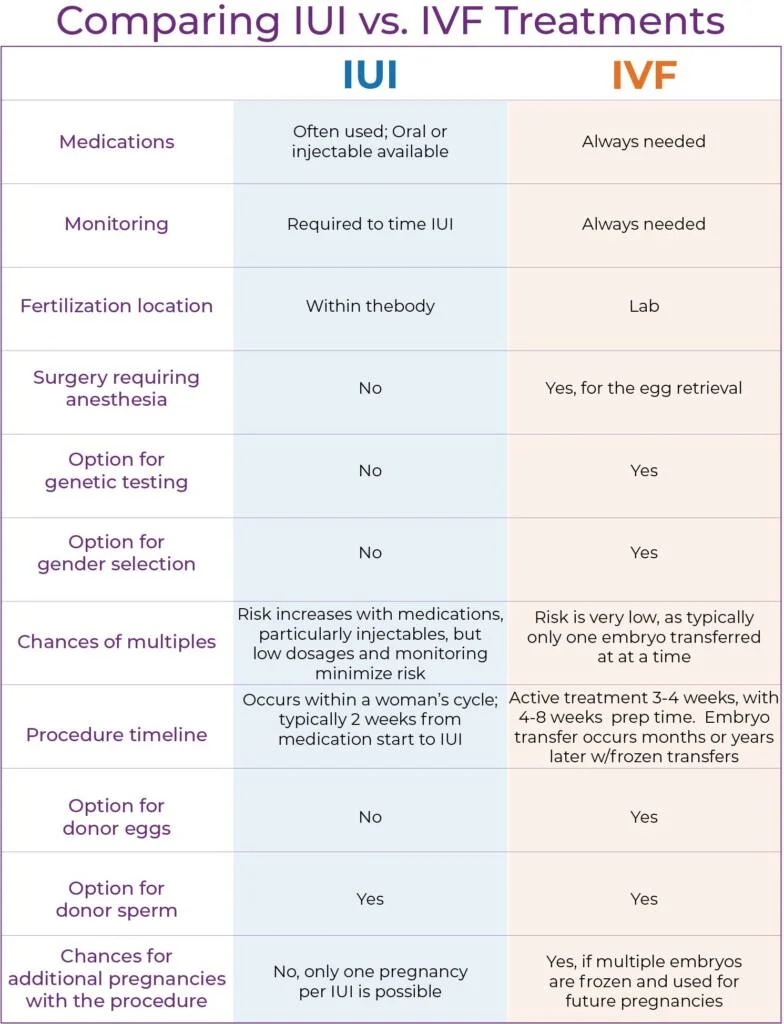
    Comparison chart of IUI and IVF treatments, detailing medications, monitoring, procedures, and success rates.

    The Social Impact of Assisted Reproduction: Shifting Attitudes and Changing Conversations

    Assisted reproduction has also had a significant impact on traditional family structures. In the past, the concept of a “nuclear family” consisting of a married heterosexual couple and their biological children was the societal norm. However, assisted reproduction has challenged this idea by expanding the definition of what a family can look like.

    With techniques like IVF and surrogacy, same-sex couples and single individuals can now have biological children, challenging the traditional nuclear family structure. This has sparked discussions about the importance of biology and genetics in defining a family, and the potential for non-traditional families to provide a loving and stable environment for a child.

    The Impact on Gender Roles and Equality

    Assisted reproduction has also had an impact on gender roles and equality. In the past, women were often viewed as solely responsible for childbearing and were expected to fulfill the role of a mother. However, with the use of assisted reproduction, men can now play a more active role in the process of creating a family.

    This has led to a shift in traditional gender roles and has challenged societal expectations for women. Women are no longer limited to their biological ability to conceive and give birth, and the burden of infertility is no longer solely placed on them. This has also opened up discussions about the division of labor and childcare responsibilities within a household, promoting a more equal distribution of roles between partners.

    In addition, assisted reproduction has also allowed for single individuals and same-sex couples to have children, breaking down traditional gender roles and promoting gender equality in the realm of parenthood.

    The Importance of Education and Support

    With the growing use of assisted reproduction, it is crucial that there is education and support available to individuals and couples considering these techniques. There are emotional, physical, and financial challenges that come with assisted reproduction, and it is essential that people are informed about their options and the potential risks and benefits.

    Education also plays a significant role in reducing the stigma and misconceptions surrounding assisted reproduction. By providing accurate information and promoting open conversations, we can create a more understanding and accepting society for those who choose to use assisted reproduction to start a family.

    Conclusion

    The impact of assisted reproduction on society is significant and far-reaching. It has challenged traditional attitudes and conversations about fertility, parenthood, family structures, and gender roles. As we continue to make advancements in technology and reproductive rights, it is essential to have open and honest discussions about the implications and consequences of assisted reproduction. By promoting education, support, and understanding, we can create a more inclusive and accepting society for all individuals and couples seeking to start a family through assisted reproduction.

    In summary, the social impact of assisted reproduction has led to changing attitudes and conversations about fertility and parenthood. With increased acceptance and accessibility, assisted reproduction has challenged traditional notions and sparked discussions about reproductive rights, family structures, gender roles, and equality. Education and support are crucial in promoting understanding and acceptance for those who choose to use assisted reproduction as a means of achieving parenthood.