Blog Post: Fertility Clinics vs Hospitals: Which Offers More Holistic Approaches?
The journey towards parenthood can be a challenging and emotional one, especially for couples struggling with fertility issues. In recent years, there has been a rise in the number of fertility clinics and hospitals offering specialized treatments and procedures to help couples conceive. However, the approach and services provided by these two types of facilities can vary greatly. In this blog post, we will explore the differences between fertility clinics and hospitals and which one may offer a more holistic approach to fertility treatments.
Fertility Clinics: Specialized Care and Personalized Treatment
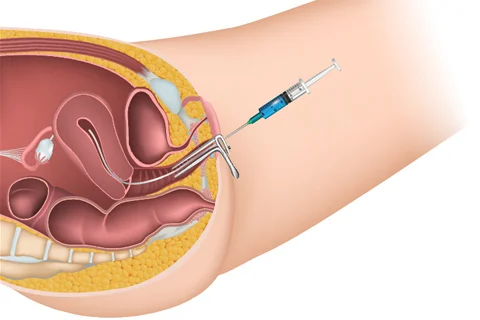
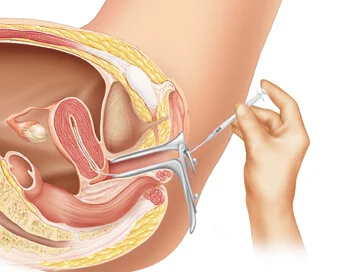
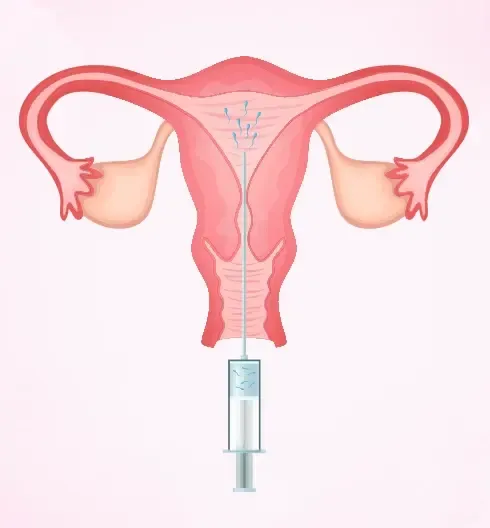
Fertility clinics are medical facilities that specialize in providing treatments and procedures for couples struggling with fertility issues. These clinics are often run by reproductive endocrinologists, who are doctors with specialized training in fertility and reproductive medicine. They offer a wide range of services, including fertility testing, assisted reproductive technologies (ART), and fertility preservation.
One of the main advantages of fertility clinics is that they offer personalized treatment plans for each individual or couple. These plans are tailored to meet the specific needs and circumstances of the patient, taking into consideration factors such as age, medical history, and fertility goals. This personalized approach can lead to higher success rates and a better overall experience for patients.
Fertility clinics also tend to have a more intimate and welcoming atmosphere compared to hospitals. Many couples struggling with fertility issues may feel overwhelmed or anxious, and the personalized care and specialized services offered by fertility clinics can help ease these feelings. Additionally, fertility clinics often have a team of counselors and support staff who can provide emotional support and guidance throughout the treatment process.
Holistic Approaches in Fertility Clinics
In recent years, there has been a growing trend towards incorporating holistic approaches in fertility treatments. Holistic medicine focuses on treating the whole person, including their physical, emotional, and mental well-being. This approach recognizes that fertility issues can be caused by a variety of factors, including stress, diet, and lifestyle choices.
Fertility clinics are at the forefront of this trend, offering a range of complementary therapies alongside traditional medical treatments. These may include acupuncture, massage therapy, and nutrition counseling. These therapies aim to improve the overall health and well-being of patients, which can have a positive impact on their fertility. By addressing the root causes of fertility issues, rather than just the symptoms, these holistic approaches can lead to more successful outcomes for patients.
Hospitals: Advanced Technology and Comprehensive Care
Fertility Clinics vs Hospitals: Which Offers More Holistic Approaches?
Hospitals, on the other hand, are large medical facilities that offer a wide range of medical services, including fertility treatments. Unlike fertility clinics, hospitals do not specialize in reproductive medicine, and their focus is on providing comprehensive care for a variety of medical conditions.
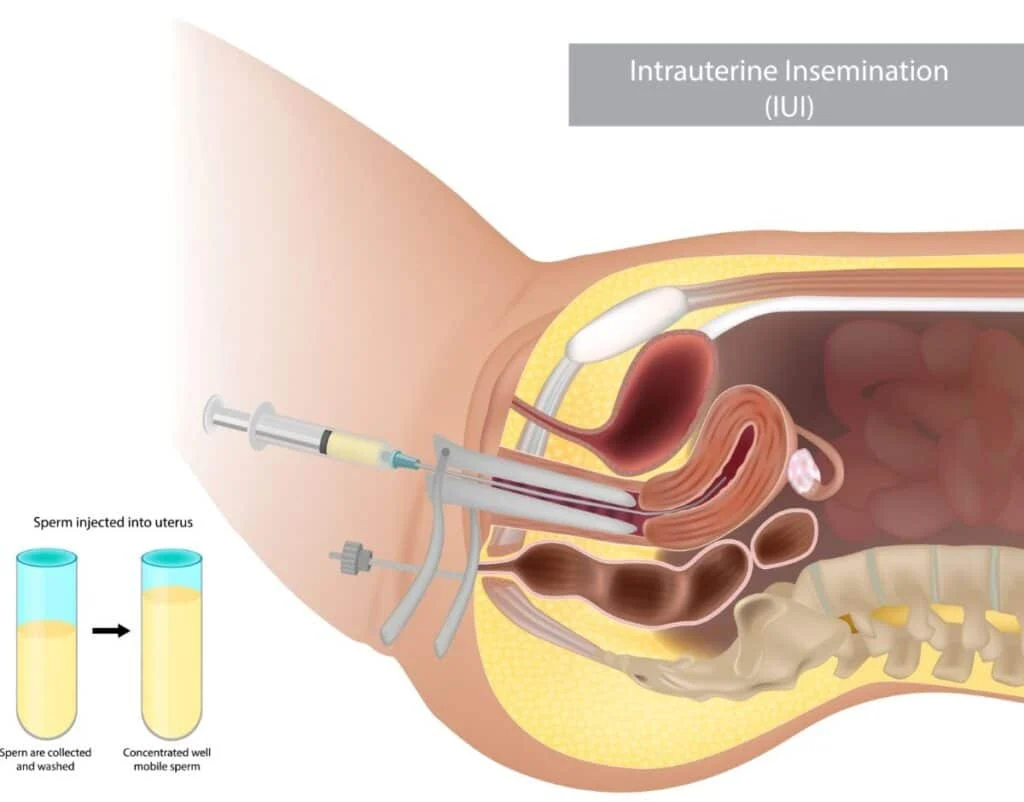
One of the main advantages of hospitals is their access to advanced technology and equipment. This allows them to offer a wide range of fertility treatments, including in vitro fertilization (IVF), intracytoplasmic sperm injection (ICSI), and preimplantation genetic testing. These advanced technologies can be beneficial for couples with complex fertility issues and may lead to higher success rates.
Another advantage of hospitals is their ability to provide comprehensive care for patients. This includes access to a range of medical specialists, such as endocrinologists, urologists, and psychiatrists, who can address any underlying medical conditions that may be affecting fertility. Hospitals also have the resources to provide emergency care and support for high-risk pregnancies, which may not be available at fertility clinics.
Holistic Approaches in Hospitals
While hospitals may not specialize in holistic approaches to fertility treatments, many have started incorporating them into their services. This is due to the growing demand from patients for more personalized and comprehensive care. Some hospitals now offer services such as yoga and meditation classes, stress management programs, and support groups for couples struggling with fertility issues.
However, the availability and integration of these holistic services may vary greatly between hospitals. Additionally, the focus of hospitals is often on treating the medical aspects of fertility issues, rather than addressing the emotional and mental well-being of patients.
Which Offers a More Holistic Approach?
In conclusion, while both fertility clinics and hospitals offer specialized treatments and procedures for couples struggling with fertility issues, fertility clinics may offer a more holistic approach. This is due to their personalized care and the incorporation of complementary therapies that address the overall well-being of patients. However, hospitals may be a better option for couples with complex fertility issues and those in need of emergency care.
It is worth noting that the choice between a fertility clinic and a hospital ultimately depends on the specific needs and circumstances of each individual or couple. It is recommended to research and consult with both types of facilities to determine which one can provide the best care and support for your fertility journey.
Summary:
Fertility clinics and hospitals both offer specialized treatments for couples struggling with fertility issues. Fertility clinics provide personalized care and a more intimate atmosphere, while hospitals have access to advanced technology and offer comprehensive care. However, fertility clinics may offer a more holistic approach, with the incorporation of complementary therapies and a focus on overall well-being. The choice between the two ultimately depends on individual circumstances and needs.