Tag: reproductive autonomy

  • Egg Donation vs Egg Freezing: A Decision for the Future

    Egg Donation vs Egg Freezing: A Decision for the Future

    Egg donation and egg freezing are two options available to women who want to preserve their fertility or help others achieve their dream of parenthood. With advancements in technology and the increasing importance of reproductive autonomy, these options are gaining popularity among women. However, both egg donation and egg freezing have their own unique benefits and considerations. In this blog post, we will explore the differences between the two and how they can impact a woman’s future.

    Egg Donation: A Gift of Life

    Egg donation is the process of retrieving eggs from a woman’s ovaries and donating them to another woman or couple who are unable to conceive on their own. This process involves the use of fertility medications to stimulate the ovaries, followed by a minor surgical procedure to retrieve the eggs. The donated eggs are then fertilized with the sperm of the intended father or a donor, and the resulting embryos are transferred to the recipient’s uterus.

    Egg donation is a selfless act that can bring immense joy to those who are unable to conceive. It is also a highly regulated process, with strict screening and medical evaluations of both the donor and recipient to ensure the health and well-being of all parties involved. Additionally, egg donors are compensated for their time, effort, and any potential risks associated with the procedure.

    One of the major benefits of egg donation is that it allows women who are unable to conceive due to various reasons, such as advanced age, premature menopause, or genetic disorders, to have a biological child. It also gives same-sex couples and single individuals the opportunity to have a child genetically related to one or both parents.

    However, egg donation also comes with its own set of considerations. The fertility medications used to stimulate the ovaries can have side effects, such as bloating, mood swings, and discomfort. The surgical procedure to retrieve the eggs also carries a small risk of complications, although they are rare. Additionally, egg donors may have to undergo multiple cycles of donation to produce enough eggs for a successful pregnancy, which can impact their own fertility.

    Egg Freezing: A Choice for the Future
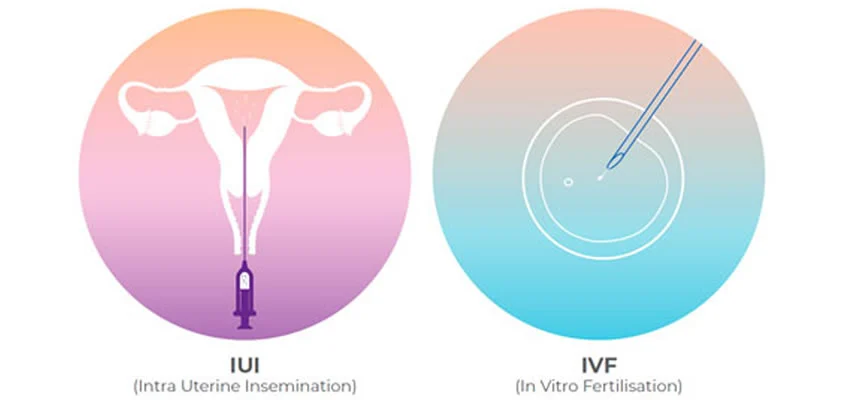
    comparison of IUI and IVF procedures illustrated with simple graphics and labels

    Egg Donation vs Egg Freezing: A Decision for the Future

    Egg freezing, also known as oocyte cryopreservation, is the process of retrieving and freezing a woman’s eggs for future use. This option is popular among women who want to preserve their fertility for personal or medical reasons, such as wanting to delay motherhood, undergoing medical treatments that may affect fertility, or having a family history of early menopause.

    The process of egg freezing is similar to egg donation, with the use of fertility medications and a surgical procedure to retrieve the eggs. However, instead of donating the eggs, they are frozen and stored for later use. When a woman is ready to use her frozen eggs, they are thawed, fertilized, and transferred to her uterus.

    Egg freezing is a proactive way for women to take control of their fertility and have the option to have children later in life. It also allows women to focus on their careers or personal goals without the pressure of a biological clock. Additionally, the success rates of frozen eggs have significantly improved in recent years, making it a viable option for women who want to delay motherhood.

    On the other hand, egg freezing also has its own set of considerations. The process of freezing and thawing eggs can reduce their quality, leading to a lower chance of success. This means that women may need to freeze multiple cycles of eggs to increase their chances of a successful pregnancy. The cost of egg freezing can also be a barrier for some women, as it may not be covered by insurance and can range from $5,000 to $15,000 per cycle.

    The Decision for the Future

    Ultimately, the decision between egg donation and egg freezing is a personal one that depends on a woman’s individual circumstances and goals. Egg donation is a beautiful gift that can bring joy to others, while egg freezing is a way to preserve one’s own fertility for future use. Both options have their benefits and considerations, and it is important for women to carefully weigh them before making a decision.

    It is also worth noting that some women may choose to do both egg donation and egg freezing. They may donate their eggs in their younger years and then freeze their own eggs later in life to secure their own future fertility.

    In conclusion, egg donation and egg freezing are two options that give women the power to take control of their fertility. Both have their own unique benefits and considerations, and it is crucial for women to educate themselves and consult with their healthcare providers before making a decision. Whether it is the gift of life or the choice for the future, women now have more options than ever before to create the family of their dreams.
  • Egg Donation vs Egg Freezing: A Debate on Ethics

    Egg Donation vs Egg Freezing: A Debate on Ethics

    Egg donation and egg freezing are two medical procedures that have gained popularity in recent years. Both procedures involve the extraction and preservation of a woman’s eggs for later use. However, these procedures have sparked a debate on ethics, as they raise questions about the implications of reproductive technology and the commodification of human eggs. In this blog post, we will explore the arguments for and against egg donation and egg freezing, and discuss the ethical considerations surrounding these procedures.

    The process of egg donation involves a woman donating her eggs to an infertile couple or individual who are unable to conceive on their own. The donated eggs are then fertilized with sperm and implanted into the recipient’s uterus. This procedure offers hope to couples struggling with infertility and allows them to experience the joy of parenthood. However, there are ethical concerns regarding the compensation given to egg donors.

    One argument against egg donation is that it turns human eggs into a commodity. Critics argue that paying women for their eggs reduces them to mere “egg factories” and commodifies their bodies. This argument is rooted in the belief that women should not be financially incentivized to undergo medical procedures that could potentially put their health at risk. Furthermore, critics argue that the high compensation given to egg donors creates a power dynamic where women from lower socio-economic backgrounds may feel pressured to donate their eggs for financial gain.

    On the other hand, proponents of egg donation argue that it is a form of reproductive autonomy and a way for women to exercise control over their bodies. They argue that women should have the right to make decisions about their reproductive health and that compensation for egg donation is a way to recognize the time, effort, and discomfort that comes with the procedure. Additionally, some argue that the compensation given to egg donors is not significantly higher than the compensation given for other medical procedures, such as blood or organ donation.

    Another concern with egg donation is the potential health risks involved. The process of extracting eggs can be physically and emotionally taxing for the donor. The use of hormones to stimulate egg production can lead to side effects such as bloating, mood swings, and in rare cases, ovarian hyperstimulation syndrome. Critics argue that these risks are not worth the potential benefits, and that women should not be subjected to medical procedures for the benefit of others.

    In contrast, egg freezing is a procedure where a woman’s eggs are extracted and cryopreserved for future use. This allows women to preserve their fertility and have the option to have children at a later time when they may not be ready or able to conceive naturally. The procedure is often marketed to career-driven women who want to delay motherhood in order to focus on their careers.

    IVF vs IUI comparison with illustrations of reproductive processes and a flower on a pregnant belly.

    Egg Donation vs Egg Freezing: A Debate on Ethics

    One of the main ethical concerns with egg freezing is the pressure it puts on women to conform to societal expectations of motherhood. Women are often told that their biological clock is ticking and that they should prioritize having children at a young age. Egg freezing, therefore, perpetuates the notion that a woman’s worth is tied to her ability to reproduce and that delaying motherhood is somehow unnatural. Critics argue that this pressure is harmful to women and reinforces gender stereotypes.

    Proponents of egg freezing argue that it offers women more reproductive choices and allows them to plan their lives according to their own timeline. It also provides a sense of security for women who may not have found a suitable partner or are not ready to have children at the present moment. Egg freezing can also be beneficial for women who have medical conditions that may affect their fertility, such as cancer. By freezing their eggs, these women can still have the option to have biological children in the future.

    However, similar to egg donation, there are also concerns about the potential health risks of egg freezing. The long-term effects of cryopreservation on human eggs are not yet fully understood, and there is a lack of long-term studies on the potential health risks for both the donor and the child conceived from frozen eggs.

    In addition to the ethical concerns surrounding egg donation and egg freezing, there are also practical considerations to take into account. Both procedures can be expensive, with egg donation costing upwards of $10,000 and egg freezing costing around $10,000-$15,000, not including annual storage fees. These costs may make these procedures inaccessible to those from lower socio-economic backgrounds, further perpetuating the inequalities in reproductive healthcare.

    In conclusion, the debate on ethics surrounding egg donation and egg freezing is a complex one. While these procedures offer hope and options for individuals and couples struggling with infertility, they also raise significant ethical concerns. The commodification of human eggs, potential health risks, and societal pressures all need to be carefully considered when discussing these procedures. Ultimately, the decision to undergo egg donation or egg freezing is a personal one, and it is important for individuals to weigh the ethical implications before making a decision.

    Summary:

    Egg donation and egg freezing are two medical procedures that involve the extraction and preservation of a woman’s eggs for later use. While these procedures offer hope and options for individuals and couples struggling with infertility, they also raise ethical concerns such as the commodification of human eggs, potential health risks, and societal pressures. Critics argue that these procedures reduce women to mere “egg factories” and perpetuate harmful gender stereotypes, while proponents argue that they offer reproductive autonomy and choices for women. Ultimately, the decision to undergo egg donation or egg freezing is a personal one, and it is important to carefully consider the ethical implications before making a decision.