Blog Post Title: Fertility Counseling for Men: Addressing the Emotional Impact of Infertility
Summary:
Infertility is a difficult and emotionally taxing experience for couples, and it can be particularly hard on men. While much of the focus in fertility counseling is on the woman, it is important to recognize that men also experience a great deal of stress, anxiety, and sadness when facing infertility issues. In this blog post, we will explore the emotional impact of infertility on men and the role of fertility counseling in addressing these challenges.
Firstly, it is important to acknowledge that men are often overlooked when it comes to fertility issues. The cultural expectation for men to be strong and stoic can make it difficult for them to express their feelings and seek help. However, the reality is that infertility can have a profound effect on men’s mental health, self-esteem, and relationships. Men may feel a sense of failure or inadequacy, which can lead to feelings of guilt, shame, and even depression.
One of the main benefits of fertility counseling for men is that it provides a safe and non-judgmental space for them to express their emotions and concerns. It allows men to break free from the societal expectations and talk openly about their struggles with infertility. A trained counselor can help men explore their feelings and learn coping strategies to navigate the ups and downs of the fertility journey.
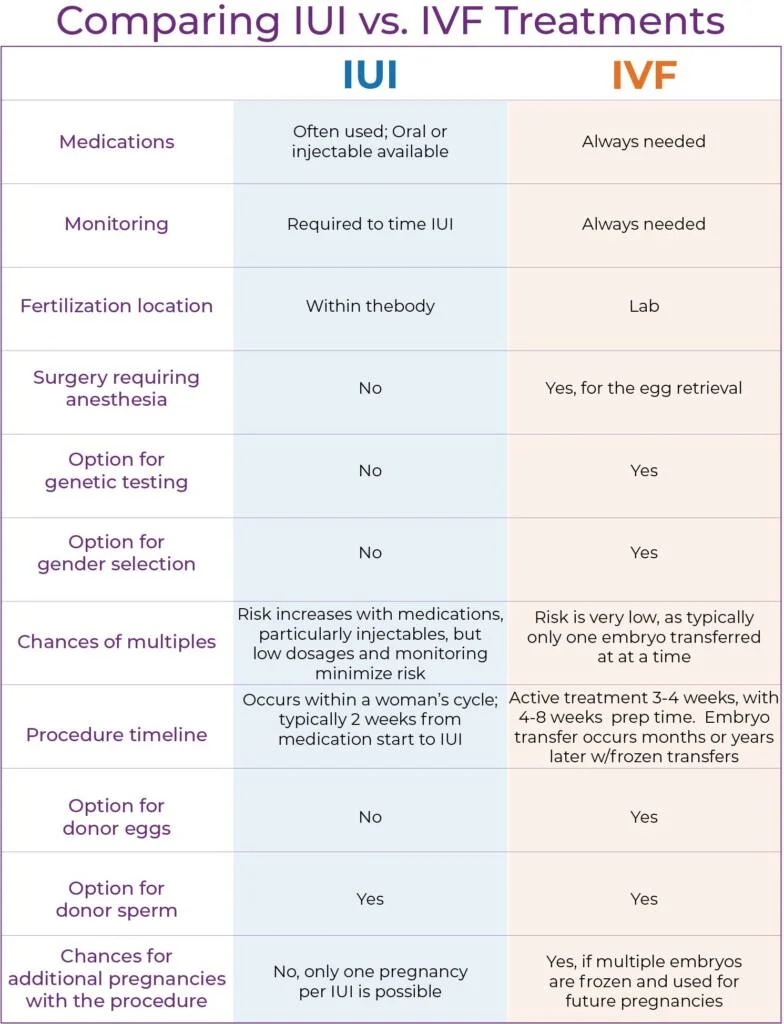
Fertility Counseling for Men: Addressing the Emotional Impact of Infertility
Another crucial aspect of fertility counseling for men is addressing the impact of infertility on relationships. Infertility can put a strain on even the strongest of relationships, and it is not uncommon for couples to experience conflict and distance during this time. Fertility counseling can help men and their partners communicate effectively and understand each other’s perspectives. It also provides a platform to discuss the changes in their intimate and sexual lives, which can be affected by fertility treatments and procedures.
Furthermore, fertility counseling can also help men deal with the stress and anxiety that often accompany the fertility journey. The uncertainty and pressure of trying to conceive can be overwhelming, and men may struggle with feelings of helplessness and loss of control. A therapist can teach men relaxation techniques and mindfulness practices to manage their stress levels and improve their overall well-being.
It is also essential to address the impact of infertility on men’s self-esteem. Society often equates masculinity with virility and fatherhood, which can make men feel inadequate and emasculated when facing infertility. Fertility counseling can help men work through these feelings and find ways to rebuild their self-confidence and sense of masculinity.
Lastly, fertility counseling can also provide support and guidance for men when making difficult decisions related to fertility treatments. Men may feel pressured to make decisions quickly and may be unsure about what is best for them and their partner. A therapist can provide a safe space for men to discuss their options, weigh the pros and cons, and make informed decisions that align with their values and goals.
In conclusion, infertility can have a profound emotional impact on men, and fertility counseling can play a crucial role in addressing these challenges. It provides a safe and supportive environment for men to express their feelings, improve their relationships, manage stress and anxiety, boost their self-esteem, and make informed decisions. By recognizing the importance of addressing men’s emotional needs in fertility counseling, we can better support couples on their fertility journey and help them cope with the challenges of infertility.