Tag: psychological impact

  • The Psychological Impact of Using Frozen Donor Sperm vs Fresh Donor Sperm

    Blog Post Title: The Psychological Impact of Using Frozen Donor Sperm vs Fresh Donor Sperm

    Using donor sperm has become a popular option for couples struggling with infertility or same-sex couples looking to start a family. With advancements in technology, there are now two options for using donor sperm: frozen donor sperm and fresh donor sperm. While both options have their own advantages and disadvantages, one aspect that is often overlooked is the psychological impact of using frozen donor sperm versus fresh donor sperm. In this blog post, we will explore the psychological effects of using frozen donor sperm compared to fresh donor sperm.

    Frozen Donor Sperm

    Frozen donor sperm is sperm that has been collected, tested, and stored in a sperm bank or fertility clinic for later use. This option provides the convenience of being readily available for use at any time. It also allows for a wider selection of donors, as sperm banks can store samples from donors all over the world.

    One of the main psychological impacts of using frozen donor sperm is the lack of connection to the donor. With frozen sperm, there is no opportunity to meet or get to know the donor. This can lead to feelings of uncertainty and detachment from the child. Some parents may worry about not being able to answer questions about the donor’s physical traits, personality, or medical history.

    Another factor to consider is the anonymity of the donor. In most cases, donors are anonymous, which means the child will never know their biological father. This can create a sense of loss or longing for the child, especially as they grow older and start to question their identity. It can also lead to feelings of insecurity or inadequacy for the parents, as they may feel they are not enough for their child.

    Using frozen donor sperm also raises concerns about genetic connections. The child may have half-siblings from the same donor, which can lead to questions about their place in the family and their relationship with their siblings. Additionally, parents may worry about potential health issues that could arise from using donor sperm, as they may not have access to the donor’s full medical history.

    Fresh Donor Sperm

    Fresh donor sperm refers to sperm that is collected and used immediately, typically within a day or two. This option provides the opportunity for the recipient to meet and get to know the donor, creating a more personal connection.
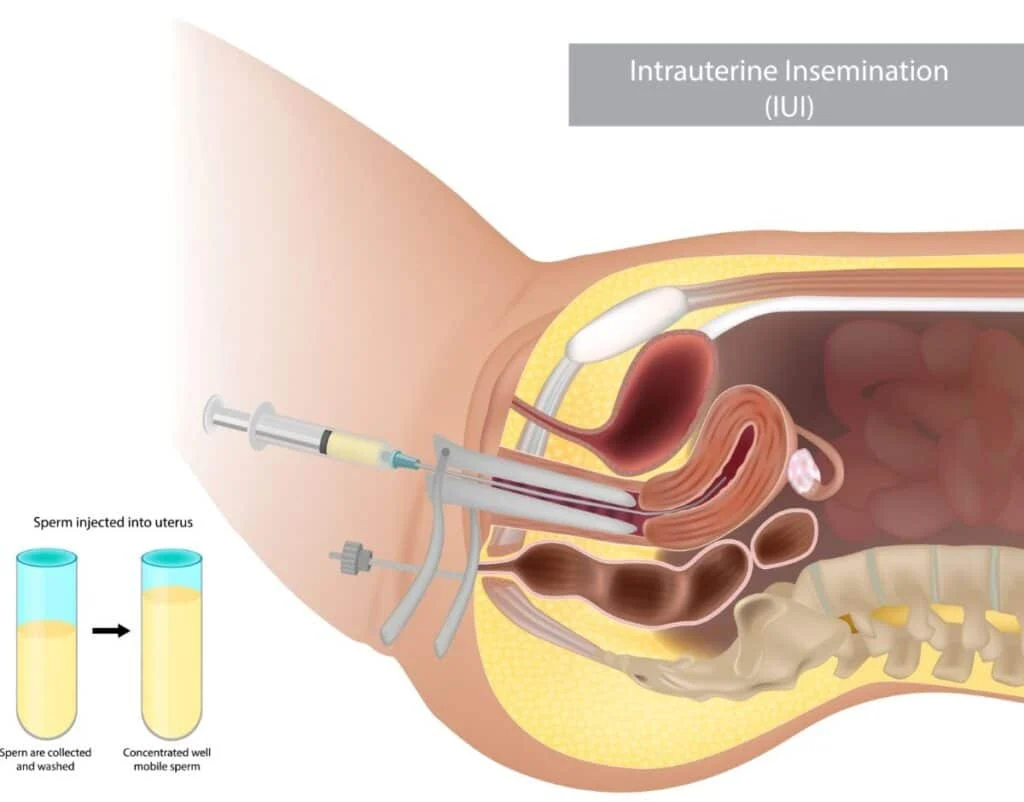
    Diagram illustrating intrauterine insemination (IUI) procedure with sperm injection into the uterus.

    The Psychological Impact of Using Frozen Donor Sperm vs Fresh Donor Sperm

    One of the psychological impacts of using fresh donor sperm is the potential for emotional attachment to the donor. Meeting the donor and getting to know them can create a sense of closeness and connection, which can be beneficial for the parents and the child. However, this can also lead to complications if the donor wants to be involved in the child’s life, causing potential conflicts and issues with co-parenting.

    Another consideration is the potential for a power dynamic between the recipient and the donor. The donor may feel a sense of ownership over the child, as they have played a role in their conception. This could lead to disagreements or power struggles between the parents and the donor, causing added stress and tension.

    Using fresh donor sperm also means that the child will have a known genetic connection to the donor. While this can be a positive aspect for some families, it can also create challenges in terms of explaining the donor’s role in the child’s life and navigating relationships with extended family members.

    Conclusion

    In conclusion, both frozen and fresh donor sperm have their own unique psychological impacts on families. While frozen donor sperm may create a sense of detachment and uncertainty, fresh donor sperm can lead to emotional attachments and potential conflicts. It is essential for couples to carefully consider these factors and discuss them with a mental health professional before making a decision about using donor sperm.
    It is also essential for parents to be open and honest with their child about their conception. This can help alleviate any potential feelings of confusion or insecurity and promote a healthy relationship between the child and their parents.

    In the end, the most important thing is for the child to be loved and raised in a supportive and nurturing environment, regardless of how they were conceived.

    Summary:

    Using donor sperm has become a popular option for couples struggling with infertility or same-sex couples looking to start a family. There are two options for using donor sperm: frozen donor sperm and fresh donor sperm. The psychological impact of using frozen donor sperm includes a lack of connection to the donor, anonymity, and concerns about genetic connections. On the other hand, using fresh donor sperm can lead to emotional attachments, power dynamics, and a known genetic connection to the donor. It is essential for couples to carefully consider these factors and discuss them with a mental health professional before making a decision about using donor sperm.
  • The Psychological Impact on Same-Sex Couples: At-Home vs Clinic Intrauterine Insemination

    Blog Post:

    The Psychological Impact on Same-Sex Couples: At-Home vs Clinic Intrauterine Insemination

    In recent years, there has been a significant rise in the number of same-sex couples seeking to start a family through intrauterine insemination (IUI). IUI is a fertility treatment that involves placing sperm directly into a woman’s uterus to increase the chances of fertilization. However, for same-sex couples, the process of IUI can be emotionally and psychologically challenging. This is due to the fact that same-sex couples have to navigate through a different set of challenges compared to heterosexual couples, such as choosing between at-home or clinic IUI. In this blog post, we will delve into the psychological impact that same-sex couples experience when choosing between at-home and clinic IUI.

    At-Home IUI:

    At-home IUI involves the process of collecting sperm from a donor and then inserting it into the woman’s uterus using a syringe. This process is often done in the comfort and privacy of the couple’s own home. Many same-sex couples opt for at-home IUI as it is a more affordable and convenient option. However, despite its advantages, at-home IUI can also have a significant psychological impact on same-sex couples.

    One of the main psychological challenges faced by same-sex couples during at-home IUI is the loss of privacy. Unlike heterosexual couples, same-sex couples have to involve a third party in the process, either through a sperm donor or a known donor. This can be a stressful and emotionally taxing experience, as it involves opening up to someone about their personal and intimate desire to start a family. This lack of privacy can also lead to feelings of vulnerability and discomfort, as the couple may have to disclose their sexual orientation to a stranger.

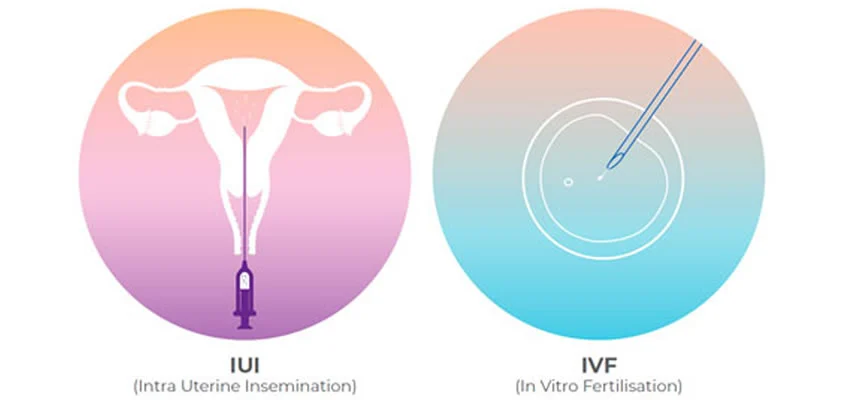
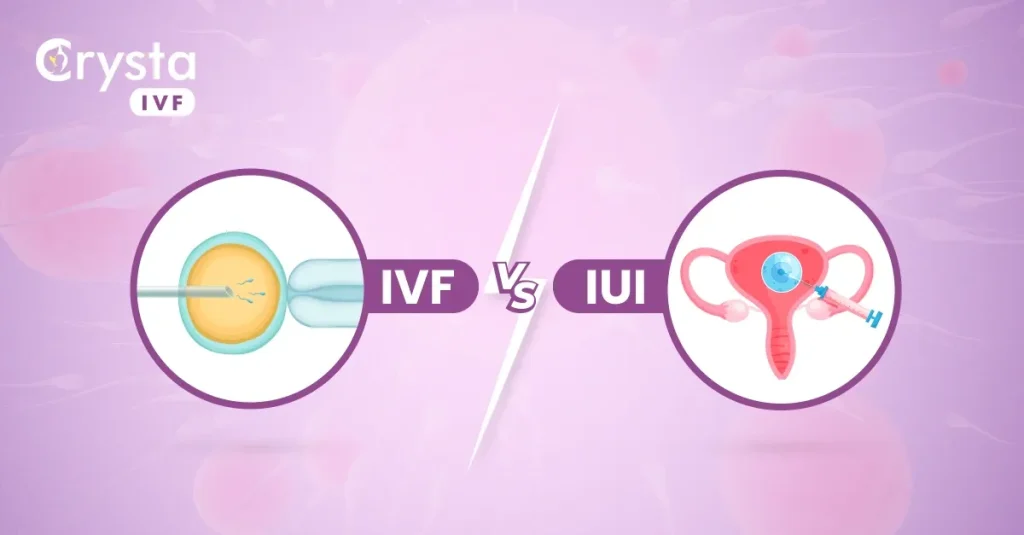
    comparison of IUI and IVF procedures illustrated with simple graphics and labels

    The Psychological Impact on Same-Sex Couples: At-Home vs Clinic Intrauterine Insemination

    Another psychological impact of at-home IUI is the pressure to perform the procedure correctly. As at-home IUI is a do-it-yourself method, same-sex couples may feel the pressure to get it right in order to achieve a successful pregnancy. This can cause added stress and anxiety, which can further impact the couple’s emotional well-being. In some cases, the pressure to succeed can also put a strain on the relationship, as one partner may feel more responsible for the success or failure of the procedure.

    Clinic IUI:

    Clinic IUI, on the other hand, involves the process of collecting sperm from a donor and then inserting it into the woman’s uterus in a clinical setting. This is typically done by a medical professional, and the success rates of clinic IUI are generally higher compared to at-home IUI. However, the psychological impact of clinic IUI on same-sex couples can also be significant.

    One of the main psychological challenges faced by same-sex couples during clinic IUI is the fear of discrimination. Unfortunately, discrimination against the LGBTQ+ community still exists in many parts of the world. This fear of discrimination can be especially prevalent in a clinical setting, where the couple may have to disclose their sexual orientation to medical professionals who may not be accepting or understanding. This fear can cause anxiety and stress, making the experience of clinic IUI more challenging for same-sex couples.

    Another psychological impact of clinic IUI is the financial burden. Unlike at-home IUI, clinic IUI can be a more expensive option for same-sex couples. This can cause added stress and financial strain, as the couple may have to go through multiple cycles of clinic IUI to achieve a successful pregnancy. This financial burden can also add to the pressure and anxiety already experienced by the couple.

    Summary:

    In conclusion, the decision between at-home and clinic IUI can have a significant psychological impact on same-sex couples. Both options come with their own set of challenges, whether it be the loss of privacy and pressure to perform correctly in at-home IUI, or the fear of discrimination and financial burden in clinic IUI. It is essential for same-sex couples to consider these factors and seek support from a therapist or counselor to navigate through the emotional challenges of IUI. By acknowledging and addressing these psychological impacts, same-sex couples can better prepare themselves for the journey of starting a family through intrauterine insemination.

  • The Psychological Impact: At-Home vs Clinic Intrauterine Insemination

    Intrauterine insemination (IUI) is a form of assisted reproductive technology that involves placing sperm directly into a woman’s uterus to increase the chances of fertilization. This procedure can be done in a clinic setting or at home, and both options have their own unique psychological impacts on individuals undergoing the treatment. In this blog post, we will explore the psychological differences between at-home and clinic intrauterine insemination and how they can affect the overall experience and success of the procedure.

    At-Home Intrauterine Insemination
    At-home fertility treatments have become increasingly popular in recent years, as they offer a more convenient and private option for individuals trying to conceive. At-home intrauterine insemination typically involves using a catheter and syringe to insert sperm into the uterus, which can be done without the assistance of a medical professional. This option may be appealing to those who feel uncomfortable or embarrassed about undergoing the procedure in a clinical setting.

    One of the main psychological impacts of at-home intrauterine insemination is the feeling of control and autonomy it provides. Many individuals feel more in control of the process when they can perform the procedure themselves and in the comfort of their own home. This can be especially beneficial for those who have had negative experiences in medical settings or have a fear of medical procedures.

    However, at-home insemination may also bring about feelings of isolation and uncertainty. Without the guidance and support of a medical team, individuals may feel unsure about the timing and effectiveness of the procedure. This can lead to added stress and anxiety, which can have a negative impact on fertility success.

    Clinic Intrauterine Insemination
    Clinic intrauterine insemination, on the other hand, involves undergoing the procedure in a medical setting with the assistance of trained professionals. This option may be preferred by those who want the medical expertise and guidance throughout the process. It also allows for more accurate timing and monitoring, increasing the chances of success.

    One of the main psychological impacts of clinic intrauterine insemination is the added stress and pressure individuals may feel. The medical setting and involvement of a team of professionals may make the process feel more clinical and less intimate. This can be a source of anxiety for some individuals, especially those who may have had negative experiences with medical procedures in the past.

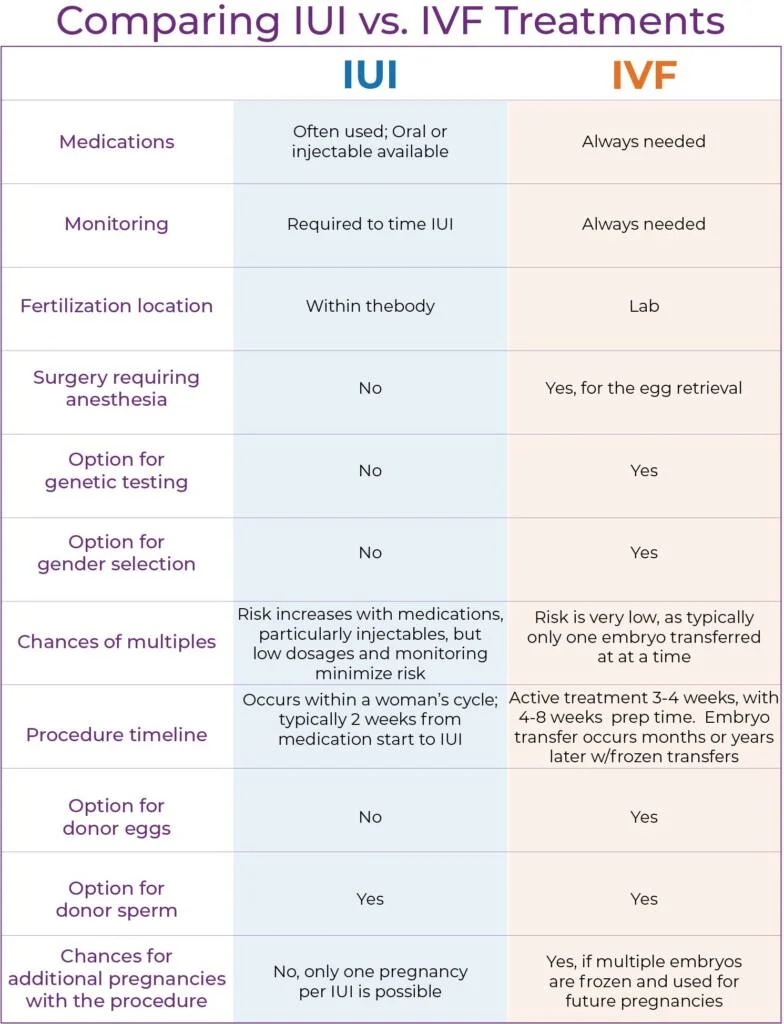
    Comparison chart of IUI and IVF treatments, detailing medications, monitoring, procedures, and success rates.

    The Psychological Impact: At-Home vs Clinic Intrauterine Insemination

    However, the support and guidance of a medical team can also be a source of comfort and reassurance for individuals undergoing the procedure. The expertise and monitoring provided by medical professionals can help alleviate any concerns or uncertainties about the process, leading to a more positive psychological experience.

    Impact on Relationships
    In addition to the individual psychological impacts, at-home and clinic intrauterine insemination may also have different effects on relationships. For those undergoing the procedure with a partner, at-home insemination may offer a more intimate and bonding experience, as the couple can perform the procedure together in a familiar setting. This can strengthen the emotional connection between partners and make the process feel more like a team effort.

    On the other hand, clinic insemination may feel more impersonal and clinical for couples. The involvement of medical professionals and the medical setting may create a distance between partners and make the process feel more like a medical procedure rather than an intimate experience.

    Success Rates and Psychological Impact
    The psychological impact of at-home and clinic intrauterine insemination can also affect the success rates of the procedure. Studies have shown that individuals who feel more in control and less stressed during fertility treatments may have higher success rates. This suggests that at-home insemination, with its focus on control and autonomy, may lead to higher success rates for some individuals.

    However, the added stress and pressure of clinic insemination may also have a negative impact on success rates. The fear and anxiety surrounding medical procedures can affect the body’s ability to conceive, leading to lower success rates for some individuals.

    In conclusion, both at-home and clinic intrauterine insemination have their own unique psychological impacts on individuals undergoing the procedure. At-home insemination offers a sense of control and autonomy, while clinic insemination provides medical expertise and support. The impact on relationships and success rates should also be taken into consideration when choosing between these options. Ultimately, the most important factor is finding the approach that feels most comfortable and beneficial for each individual’s psychological well-being.

    Summary:
    Intrauterine insemination (IUI) is a form of assisted reproductive technology that can be done at home or in a clinic setting. Both options have their own psychological impacts on individuals undergoing the procedure. At-home insemination offers a sense of control and autonomy, while clinic insemination provides medical expertise and support. The impact on relationships and success rates should also be considered when choosing between these options.

  • Fertility Preservation for Men with Testicular Cancer: A Hopeful Solution

    Blog Post Title: Fertility Preservation for Men with Testicular Cancer: A Hopeful Solution

    Testicular cancer is one of the most common types of cancer in young men, with around 9,000 new cases diagnosed each year in the United States alone. While it is highly treatable, the treatments such as chemotherapy, radiation therapy, and surgery can have a significant impact on fertility. This can be a devastating blow for men who dream of having children in the future. However, there is hope. Fertility preservation is a promising solution that can help men with testicular cancer protect their ability to have biological children. In this blog post, we will explore the importance of fertility preservation for men with testicular cancer and the various options available.

    Understanding Testicular Cancer and its Impact on Fertility

    Testicular cancer is a type of cancer that affects the testicles, which are responsible for producing sperm and testosterone. It is most commonly diagnosed in men between the ages of 20 and 39, and while the exact cause is unknown, certain risk factors such as family history, undescended testicles, and HIV infection may increase the chances of developing testicular cancer.

    When it comes to fertility, the main concern for men with testicular cancer is the potential damage to the testicles caused by cancer treatments. Chemotherapy drugs can damage the sperm-producing cells in the testicles, while radiation therapy can damage the DNA of sperm cells. Surgery to remove the testicle(s) can also affect fertility, as the remaining testicle may not produce enough sperm to achieve pregnancy.

    The Importance of Fertility Preservation

    For many men, the ability to have children is a crucial aspect of their lives. The thought of losing this ability due to cancer treatments can be distressing and overwhelming. Fertility preservation offers a solution to this problem, providing men with hope for their future fertility.

    Preserving fertility before cancer treatment is essential because cancer treatments can significantly reduce sperm count and quality. While sperm can sometimes recover after treatment, there is no guarantee. By preserving sperm before treatment, men can have peace of mind knowing that they have a backup plan to start a family in the future.

    Fertility Preservation Options for Men with Testicular Cancer

    There are several options available for men with testicular cancer to preserve their fertility before undergoing cancer treatments. These options include sperm banking, testicular tissue freezing, and testicular sperm extraction.

    1. Sperm Banking

    Sperm banking, also known as sperm freezing, is the most common and widely available method of fertility preservation for men. It involves collecting and storing semen samples in a sperm bank for future use. This process can be done through masturbation or using a special condom during intercourse. The samples are then cryopreserved (frozen) and stored until needed.

    Comparison of IVF and IUI procedures with illustrations of each method.

    Fertility Preservation for Men with Testicular Cancer: A Hopeful Solution

    The success rate of sperm banking varies depending on the quality and quantity of the sperm sample. However, with advancements in technology, the success rate for using frozen sperm for assisted reproductive techniques such as in vitro fertilization (IVF) has significantly increased.

    2. Testicular Tissue Freezing

    Testicular tissue freezing is a newer method of fertility preservation that involves removing a small piece of tissue from the testicle and freezing it for future use. This method is beneficial for men who cannot produce an ejaculate, such as pre-pubescent boys or those with certain medical conditions. The tissue can then be thawed and used for sperm extraction in the future.

    While this method is still relatively experimental, it has shown promising results in animal studies and has been successfully used in a few cases for men with cancer.

    3. Testicular Sperm Extraction (TESE)

    Testicular sperm extraction (TESE) is a surgical procedure where sperm is directly extracted from the testicle and used for assisted reproductive techniques. This method is suitable for men who cannot produce sperm through ejaculation, such as those with testicular failure or a blockage in the reproductive tract.

    TESE is a more invasive procedure compared to sperm banking and requires general anesthesia. However, it is a viable option for men who are unable to produce an ejaculate or have a low sperm count.

    The Emotional Impact of Fertility Preservation

    The journey through cancer treatment is a difficult and emotional one, and the thought of losing fertility can add to the stress and anxiety. Fertility preservation not only provides a practical solution but also offers psychological benefits to men with testicular cancer. It can give them a sense of control and hope for the future, allowing them to focus on their treatment and recovery.

    In addition, fertility preservation also offers the opportunity for men to have biological children, which can be a significant source of comfort and joy for cancer survivors.

    In conclusion, fertility preservation is a crucial aspect of care for men with testicular cancer. It provides a hopeful solution for preserving fertility and allows men to have a chance at starting a family in the future. With the various options available, it is essential for men with testicular cancer to discuss fertility preservation with their healthcare team before starting cancer treatment.

    Summary:

    Testicular cancer is a common type of cancer in young men, and the treatments can have a significant impact on fertility. Fertility preservation is a promising solution that can help men with testicular cancer protect their ability to have biological children. The main concern for men with testicular cancer is the potential damage to the testicles caused by cancer treatments. Fertility preservation offers a solution to this problem, providing men with hope for their future fertility. Options include sperm banking, testicular tissue freezing, and testicular sperm extraction. Fertility preservation not only provides a practical solution but also offers psychological benefits to men with testicular cancer. It gives them a sense of control and hope for the future.

  • IUI vs Timed Intercourse: A Look at the Emotional and Psychological Impact of Fertility Treatments

    Blog Post Title: IUI vs Timed Intercourse: A Look at the Emotional and Psychological Impact of Fertility Treatments

    Introduction:

    Infertility is a common issue that affects millions of couples worldwide. It can be a physically and emotionally taxing journey, with many couples struggling to conceive despite numerous attempts. While there are various fertility treatments available, two of the most commonly used methods are Intrauterine Insemination (IUI) and Timed Intercourse. Both of these procedures involve the use of fertility drugs to stimulate the ovaries and improve the chances of conception. However, they differ in terms of the process and the emotional and psychological impact they can have on couples. In this blog post, we will take a closer look at IUI and Timed Intercourse and how they affect the emotional and psychological well-being of couples going through fertility treatments.

    The Process of IUI and Timed Intercourse:

    IUI is a relatively simple procedure that involves the insertion of washed sperm into the uterus through a catheter. It is typically performed around the time of ovulation, and fertility drugs may be used to stimulate the ovaries and increase the chances of pregnancy. On the other hand, Timed Intercourse is a more natural method that involves having sex during the woman’s fertile window, which is usually the five days leading up to ovulation. In this method, fertility drugs may also be used to stimulate ovulation.

    Emotional Impact of IUI:

    The emotional impact of IUI can vary from person to person, but it is often accompanied by feelings of hope, excitement, and anxiety. The process of IUI can be stressful, especially for couples who have been trying to conceive for a long time. The use of fertility drugs can also cause mood swings and emotional ups and downs, making the experience even more challenging. While the success rates of IUI are relatively low, many couples still cling to the hope that this procedure will be the one that leads to pregnancy. However, if the procedure fails, it can be emotionally devastating for couples, leading to feelings of disappointment, frustration, and even guilt.

    Psychological Impact of IUI:

    The psychological impact of IUI can be significant, as it often involves multiple attempts and can take a toll on a couple’s mental well-being. The constant monitoring of ovulation, the use of fertility drugs, and the invasive nature of the procedure can all contribute to feelings of stress and anxiety. Additionally, the financial strain of IUI can also add to the psychological burden, as it can be an expensive procedure that may not be covered by insurance. For couples who have been trying to conceive for a long time, the process of IUI can also bring up feelings of inadequacy and self-doubt, as they may question their fertility and their ability to become parents.

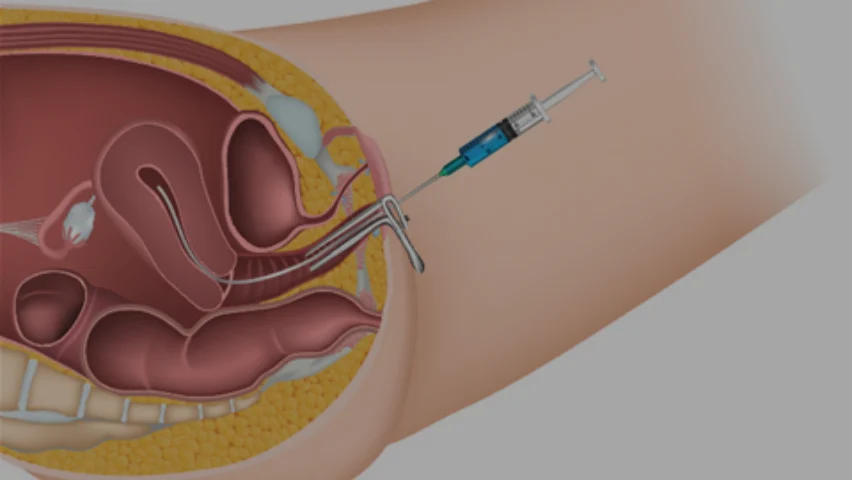
    Illustration of intrauterine insemination (IUI) procedure with syringe and catheter in the uterus.

    IUI vs Timed Intercourse: A Look at the Emotional and Psychological Impact of Fertility Treatments

    Emotional Impact of Timed Intercourse:

    Like IUI, Timed Intercourse can also bring about a range of emotions for couples. The initial excitement and hope of trying to conceive can quickly turn into feelings of frustration and disappointment if conception does not occur. For couples who have been trying to conceive for a long time, the pressure of having sex during the fertile window can also lead to feelings of stress and anxiety. Furthermore, the use of fertility drugs can cause mood swings and heightened emotions, adding to the emotional rollercoaster that many couples experience during this process.

    Psychological Impact of Timed Intercourse:

    Unlike IUI, Timed Intercourse is a more natural method of fertility treatment. However, this does not mean that it is any less challenging for couples. The constant pressure to have sex during the fertile window can take a toll on a couple’s mental well-being, as it can feel like a chore rather than an intimate act. The use of fertility drugs can also add to the psychological burden, as it may lead to feelings of disappointment and frustration if conception does not occur. Additionally, the unpredictability of the outcome can also cause stress and anxiety for couples, as they have no control over the success of the treatment.

    Coping with the Emotional and Psychological Impact of Fertility Treatments:

    Going through fertility treatments can be a difficult and emotional journey for couples, and it is essential to find ways to cope with the emotional and psychological impact. One of the most crucial factors is having a strong support system, whether it be a partner, family, or friends. It is also essential to communicate openly with your partner and seek professional counseling if needed. Additionally, engaging in stress-reducing activities such as yoga, meditation, or therapy can also help to cope with the emotional and psychological burden of fertility treatments.

    In conclusion, fertility treatments such as IUI and Timed Intercourse can have a significant emotional and psychological impact on couples. The process of trying to conceive can be physically and emotionally draining, and it is essential to find ways to cope with the emotional rollercoaster that comes with it. Whether you opt for IUI or Timed Intercourse, it is crucial to prioritize your mental health and seek support from loved ones and professionals to navigate this challenging journey.

    Summary:

    Infertility is a common issue that affects millions of couples worldwide. Two of the most commonly used fertility treatments are IUI and Timed Intercourse, both of which involve the use of fertility drugs to stimulate ovulation. However, these procedures can have a significant emotional and psychological impact on couples. The emotional impact of IUI and Timed Intercourse can include feelings of hope, excitement, and anxiety, while the psychological impact can range from stress and anxiety to feelings of inadequacy and self-doubt. It is essential to find ways to cope with these emotional and psychological burdens, such as having a strong support system, communicating openly with your partner, and engaging in stress-reducing activities.

  • The Role of Intimacy in Sperm Banks vs Known Donors

    Blog Post Title: The Role of Intimacy in Sperm Banks vs Known Donors: Exploring the Impact on Donor-Conceived Children

    Intimacy is often seen as a crucial aspect in creating a family, whether it is through a traditional pregnancy or alternative methods such as sperm donation. In recent years, there has been a growing debate surrounding the role of intimacy in sperm banks versus known donors. While both options have their own benefits and drawbacks, it is important to understand how the level of intimacy can impact the well-being of donor-conceived children. In this blog post, we will delve into the differences between sperm banks and known donors, the role of intimacy in each, and the potential effects on donor-conceived children.

    Sperm Banks: A Transactional Approach

    Sperm banks have been around for decades and have become a popular option for individuals and couples looking to start a family. The process typically involves choosing a donor from a catalog, with limited information available such as physical characteristics, education, and occupation. In most cases, the donor remains anonymous, and there is no direct contact between the donor and the recipient.

    While sperm banks provide a convenient and efficient way to access donor sperm, the lack of intimacy can have a significant impact on the donor-conceived child. Without a known donor, children may have questions about their genetic background, identity, and medical history that cannot be answered. This lack of information can create a sense of loss and identity confusion, leading to psychological issues in the future.

    Known Donors: A Personal Connection

    Known donors, on the other hand, involve more intimacy and personal connection in the process. This can include using a friend or family member as a donor or finding a known donor through online communities or fertility clinics. In this scenario, the donor and the recipient have a pre-existing relationship, and there is often some level of emotional connection.

    The presence of intimacy and a personal connection can have a positive impact on donor-conceived children. They have access to more information about their donor, including their personality, values, and beliefs. This can help them develop a stronger sense of identity and a better understanding of their genetic background. Additionally, having a known donor can also provide a sense of security and stability for the child, knowing that they have a real connection to their biological father.

    Comparison of IVF and IUI procedures with illustrations of each method.

    The Role of Intimacy in Sperm Banks vs Known Donors

    The Impact on Donor-Conceived Children

    The level of intimacy in the sperm donation process can have a profound effect on donor-conceived children. Research has shown that children conceived through known donors tend to have a better understanding of their genetic origins and feel more connected to their donor. They also have fewer psychological issues and a stronger sense of identity compared to those conceived through sperm banks.

    Furthermore, children conceived through known donors have the opportunity to build a relationship with their donor over time. They can ask questions, share experiences, and have a sense of belonging to a larger family structure. This can have a positive impact on their emotional well-being and overall development.

    On the other hand, children conceived through sperm banks may have a harder time coping with the lack of intimacy and connection to their donor. They may feel a sense of loss and confusion about their identity, leading to psychological issues such as low self-esteem, depression, and anxiety.

    The Role of Intimacy in Creating a Family

    While the debate between sperm banks and known donors continues, it is essential to recognize the role of intimacy in creating a family. For many couples and individuals, the desire for a child is deeply rooted in the need for a biological connection and the desire to create a family together. The lack of intimacy in sperm banks can hinder this process, as it removes the emotional and personal element from the equation.

    However, it is also important to note that known donors may not always be a feasible option for everyone. There may be legal concerns, financial constraints, or a lack of suitable donors available. In these cases, sperm banks can provide a viable solution for starting a family.

    In summary, the role of intimacy in sperm banks versus known donors is a crucial factor to consider when choosing a sperm donation method. While sperm banks offer convenience and efficiency, known donors provide a more personal and emotional connection for donor-conceived children. Ultimately, the well-being and psychological health of the child should be the top priority when making this decision.

  • The Impact of Sperm Donation and Co-Parenting on Children: Perspectives from Experts

    Blog post title: “The Impact of Sperm Donation and Co-Parenting on Children: Perspectives from Experts”

    Sperm donation and co-parenting have become increasingly common options for individuals and couples who are unable to conceive or wish to have children without a romantic partner. While these methods have allowed many people to become parents, there is still a lot of debate and controversy surrounding the impact they may have on children. In this blog post, we will explore the perspectives of various experts on the potential impacts of sperm donation and co-parenting on children.

    First, it is important to understand the difference between sperm donation and co-parenting. Sperm donation involves a man donating his sperm to be used by a woman or couple to conceive a child. In most cases, the sperm donor is unknown to the child and plays no role in their life. On the other hand, co-parenting involves two or more individuals, whether they are in a romantic relationship or not, deciding to have and raise a child together. This can involve shared custody and parenting responsibilities.

    Now, let’s take a look at the perspectives of experts on the impact of these methods on children.

    1. Emotional and Psychological Impact
    One of the main concerns surrounding sperm donation and co-parenting is the emotional and psychological impact it may have on children. According to Dr. Ellen Walker, a clinical psychologist and author, children conceived through sperm donation may struggle with issues such as identity, belonging, and feelings of loss. This is especially true for children who are not told about their conception from an early age. They may feel a sense of confusion and betrayal when they find out the truth.

    In the case of co-parenting, children may also experience emotional and psychological challenges. Dr. Kyle Pruett, a clinical professor of child psychiatry, warns that the lack of a traditional family structure may cause children to question their sense of security and stability. Additionally, conflicts between co-parents can have a negative impact on the child’s well-being.

    Illustration of intrauterine insemination (IUI) procedure with syringe and catheter in the uterus.

    The Impact of Sperm Donation and Co-Parenting on Children: Perspectives from Experts

    2. Parental Role Confusion
    Another concern raised by experts is the potential for parental role confusion in children. In traditional parenting, children have a clear understanding of the roles and responsibilities of their mother and father. However, in the case of sperm donation and co-parenting, the roles may not be as clearly defined. This can lead to confusion and uncertainty for the child, particularly if there are multiple co-parents involved.

    3. Lack of Biological Connection
    For children conceived through sperm donation, there may be a lack of biological connection with their genetic father. This can lead to a sense of loss and longing to know more about their biological roots. While some children may not be affected by this, others may struggle with feelings of emptiness and may even search for their biological father as they grow older.

    4. Positive Impact of Openness and Communication
    Despite the potential challenges, experts also acknowledge the positive impact that openness and communication can have on children conceived through sperm donation and co-parenting. Dr. Claudia Gold, a pediatrician and author, stresses the importance of being open and honest with children about their conception. This can help them better understand their identity and may prevent feelings of betrayal in the future.

    In the case of co-parenting, having a strong, positive relationship between the co-parents can greatly benefit the child. Dr. Scott Stanley, a research professor of psychology, suggests that co-parents should have open lines of communication and clear boundaries to ensure the well-being of the child.

    5. Family Support and Acceptance
    The support and acceptance of the child’s extended family, such as grandparents, aunts, and uncles, also play a crucial role in the impact of sperm donation and co-parenting on children. According to Dr. Andrea Braverman, a family therapist, children who feel accepted and loved by their extended family are more likely to have positive experiences and develop healthy relationships with their co-parents.

    In summary, there are both potential challenges and benefits for children conceived through sperm donation and co-parenting. Experts emphasize the importance of open communication, a strong support system, and a positive relationship between co-parents to ensure the well-being of the child. While there may be some unique challenges, with proper support and understanding, children can thrive in non-traditional family structures.