Tag: prenatal vitamins

  • Fertility Nutrition and Supplements: What You Need to Know

    Blog Post: Fertility Nutrition and Supplements: What You Need to Know

    Fertility is a topic that is often surrounded by a lot of misconceptions and myths. While many factors can affect a person’s fertility, one aspect that is often overlooked is nutrition. Proper nutrition can play a vital role in fertility, both for men and women. In this blog post, we will discuss the importance of nutrition in fertility and the supplements that can support a healthy reproductive system.

    The Connection Between Nutrition and Fertility

    Our bodies require a wide range of vitamins, minerals, and other nutrients to function correctly. When it comes to fertility, these nutrients are essential as they help regulate hormones, maintain a healthy menstrual cycle, and support the growth and development of a fetus. A lack of proper nutrition can lead to hormonal imbalances, irregular periods, and even infertility in some cases.

    For women, maintaining a healthy weight is crucial for fertility. Being either overweight or underweight can disrupt the body’s hormonal balance, leading to irregular periods and ovulation issues. This can make it difficult for a woman to conceive. Eating a balanced diet that includes a variety of whole foods such as fruits, vegetables, whole grains, lean proteins, and healthy fats, can help maintain a healthy weight and promote fertility.

    For men, nutrition also plays a significant role in fertility. Studies have shown that a diet high in processed foods, saturated fats, and sugar can lower sperm count and quality. On the other hand, consuming a diet rich in antioxidants, vitamins, and minerals can improve sperm health and increase chances of conception.

    Essential Nutrients for Fertility

    Now that we understand the link between nutrition and fertility, let’s look at some essential nutrients that can support a healthy reproductive system:

    1. Folic Acid – Folic acid is a B vitamin that has been shown to reduce the risk of neural tube defects in babies. It is also essential for the production of red blood cells and DNA. For women trying to conceive, it is recommended to take folic acid supplements at least three months before conception.

    2. Vitamin D – Vitamin D is crucial for both men and women’s fertility. It helps regulate hormone levels and supports a healthy menstrual cycle in women. In men, vitamin D can improve sperm quality and increase testosterone levels. Spending some time in the sun and consuming fatty fish, eggs, and fortified dairy products can help increase vitamin D levels. However, for those with a deficiency, supplementation may be necessary.
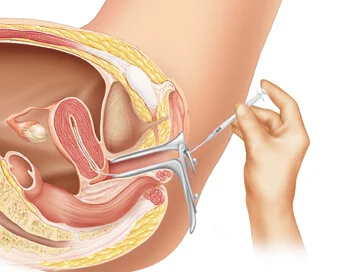
    illustration of intrauterine insemination procedure with a hand holding a speculum and syringe near the uterus

    Fertility Nutrition and Supplements: What You Need to Know

    3. Iron – Iron is an essential mineral for women’s fertility. It helps to carry oxygen to reproductive organs and supports the growth and development of a fetus. A deficiency in iron can lead to anemia, which can affect ovulation and increase the risk of miscarriage. Consuming iron-rich foods such as leafy greens, lean meats, and legumes can help maintain healthy iron levels.

    4. Zinc – Zinc is a mineral that is crucial for sperm production and testosterone levels in men. It also plays a role in egg development and ovulation in women. A deficiency in zinc can lead to fertility issues in both men and women. Foods rich in zinc include oysters, beef, pumpkin seeds, and legumes.

    5. Omega-3 Fatty Acids – Omega-3 fatty acids are essential for hormone production and regulation, which is crucial for fertility. They also help reduce inflammation in the body, which can affect reproductive health. Consuming fatty fish, flax seeds, and walnuts can help increase omega-3 intake. For those who do not consume enough through their diet, supplementation may be necessary.

    Supplements for Fertility

    While a well-balanced diet can provide most of the essential nutrients for fertility, some people may need additional support through supplements. Here are some supplements that can promote fertility:

    1. Prenatal Vitamins – Prenatal vitamins are a combination of vitamins and minerals specifically designed for pregnant and trying-to-conceive women. They contain essential nutrients such as folic acid, iron, and vitamin D, which are crucial for fertility and a healthy pregnancy.

    2. CoQ10 – CoQ10 is an antioxidant that has been shown to improve sperm quality and egg health. It can also help with ovulation and increase chances of conception. CoQ10 is naturally produced in the body, but its levels decrease with age. Therefore, supplementation may be beneficial, especially for women over the age of 35.

    3. L-arginine – L-arginine is an amino acid that has been shown to improve sperm count and quality. It also plays a role in blood flow, which is essential for a healthy reproductive system. L-arginine can be found in foods such as meat, dairy, and nuts, but supplementation may be necessary for those with low levels.

    4. Vitex – Vitex, also known as chaste tree berry, is a herbal supplement that has been used for centuries to promote fertility in women. It works by regulating hormone levels and promoting ovulation. However, it is essential to consult with a healthcare professional before taking vitex, as it may interact with other medications.

    Summary:

    Fertility is a topic that is often surrounded by myths and misconceptions. While many factors can affect fertility, nutrition plays a crucial role in supporting a healthy reproductive system. A well-balanced diet that includes a variety of whole foods can provide most of the essential nutrients for fertility. However, some people may need additional support through supplements such as prenatal vitamins, CoQ10, L-arginine, and vitex. It is essential to consult with a healthcare professional before starting any supplements, especially if you have any pre-existing medical conditions.
  • Fertility Nutrition Myths and Facts: Separating Fiction from Reality

    Blog Post: Fertility Nutrition Myths and Facts: Separating Fiction from Reality

    Fertility is a topic that is often surrounded by a lot of myths and misconceptions. One aspect of fertility that is particularly affected by these myths is nutrition. There are so many claims out there about what foods can boost fertility and what foods can harm it. In this blog post, we will be exploring some of the common fertility nutrition myths and the facts behind them, in order to separate fiction from reality.

    Myth #1: Eating pineapple core can increase your chances of getting pregnant.

    This myth has gained a lot of popularity in recent years, with many fertility websites and forums claiming that eating pineapple core during the implantation phase can help with conception. The truth is, there is no scientific evidence to support this claim. Pineapple contains bromelain, an enzyme that has anti-inflammatory properties, but there is no proof that it can aid in fertility. In fact, eating too much pineapple can actually cause stomach upset and interfere with ovulation.

    Myth #2: Avoiding gluten can increase fertility.

    Gluten has been blamed for a host of health issues, including infertility. However, unless you have celiac disease or a gluten intolerance, there is no need to eliminate it from your diet. In fact, cutting out gluten can actually lead to nutrient deficiencies, which can negatively impact fertility. A well-balanced diet that includes whole grains, including gluten-containing ones, is important for overall health and fertility.

    Myth #3: Taking prenatal vitamins before trying to conceive is not necessary.

    Prenatal vitamins are often associated with pregnancy, but they can actually play a crucial role in fertility as well. These vitamins contain key nutrients such as folic acid, iron, and vitamin D, which are important for a healthy pregnancy. It is recommended to start taking prenatal vitamins at least three months before trying to conceive to ensure that your body has these essential nutrients in the early stages of pregnancy.

    Myth #4: Eating soy can decrease sperm count and fertility.

    Soy has been a controversial topic when it comes to fertility. Some studies have shown that consuming large amounts of soy can have a negative impact on sperm count, but these studies were done on animals and involved extremely high doses of soy. In moderate amounts, soy is safe and can even have health benefits. It is always best to consult with a healthcare professional before making any drastic changes to your diet.

    Myth #5: Eating certain foods can increase chances of having twins.

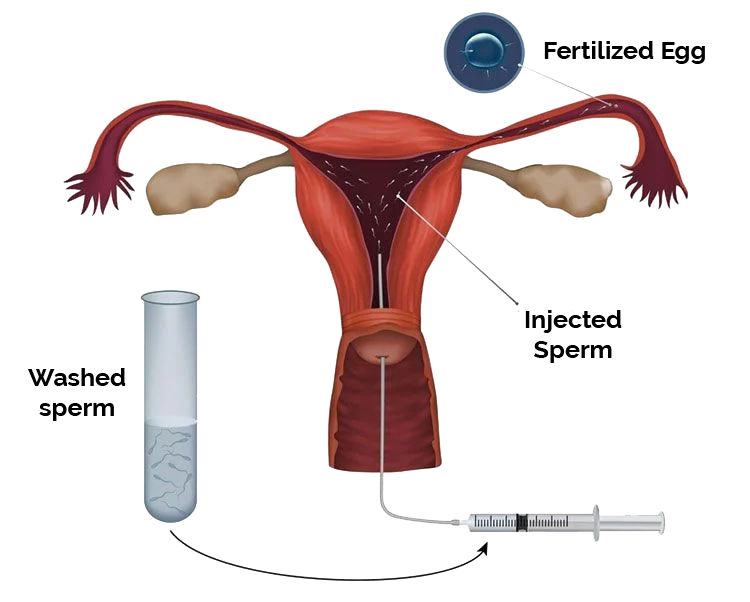
    diagram of the female reproductive system with an IUI syringe and test tube for artificial insemination

    Fertility Nutrition Myths and Facts: Separating Fiction from Reality

    There is a widespread belief that certain foods, such as yams, can increase the chances of having twins. While there is some evidence that certain dietary factors can impact fertility, there is no scientific evidence to support this claim. The likelihood of having twins is mainly determined by genetics and cannot be influenced by food.

    Myth #6: Cutting out dairy can improve fertility.

    Dairy has been linked to a variety of health issues, and some people believe that it can also affect fertility. However, dairy products are an important source of calcium and vitamin D, which are essential for bone health and fertility. Unless you have a dairy intolerance, it is not necessary to eliminate dairy from your diet. Opting for low-fat dairy products and consuming them in moderation is the key.

    Myth #7: Eating a low-carb diet can boost fertility.

    Low-carb diets have gained popularity in recent years, with many people claiming that they can improve fertility. However, carbohydrates are the body’s main source of energy, and cutting them out completely can lead to nutrient deficiencies and hormonal imbalances, which can negatively impact fertility. It is important to consume complex carbohydrates, such as whole grains and vegetables, in moderation for optimal fertility.

    Myth #8: Consuming caffeine can decrease fertility.

    There is some evidence that consuming large amounts of caffeine can have a negative impact on fertility, but this is mainly seen in women who consume more than 500 milligrams of caffeine per day. This is equivalent to around five cups of coffee. Consuming caffeine in moderation, which is around 200-300 milligrams per day, is unlikely to have a significant effect on fertility.

    Myth #9: Eating organic foods can increase fertility.

    Organic foods are often marketed as being healthier and better for fertility. However, there is no scientific evidence to support this claim. While organic foods may be beneficial for overall health, there is no significant difference in their impact on fertility compared to conventionally grown foods.

    Myth #10: Fasting or detoxing can improve fertility.

    Fasting and detoxing have become popular methods for weight loss and cleansing the body. However, these practices can have a negative impact on fertility. Restricting calories and eliminating certain food groups can lead to nutrient deficiencies and hormonal imbalances, which can interfere with ovulation and conception.

    In summary, there are many myths surrounding fertility and nutrition, but it is important to separate fact from fiction. While certain dietary factors can impact fertility, it is essential to have a well-balanced diet and consult with a healthcare professional before making any drastic changes. Prenatal vitamins, whole and nutritious foods, and moderation are key when it comes to fertility and nutrition.