Tag: Preimplantation Genetic Testing

  • The Impact of Technology on Fertility Clinics and Hospitals

    Technology has revolutionized the way we approach fertility treatments, making it possible for many people to fulfill their dreams of starting a family. Fertility clinics and hospitals have embraced the latest advancements in technology to improve success rates and provide more personalized and efficient care to patients. In this blog post, we will explore the impact of technology on fertility clinics and hospitals, including the benefits, challenges, and future possibilities.

    The Evolution of Technology in Fertility Treatments

    Fertility treatments have come a long way since the first successful in vitro fertilization (IVF) procedure in 1978. Back then, the process was lengthy, expensive, and had a low success rate. However, with advancements in technology, IVF success rates have significantly improved, and the procedure has become more accessible and affordable.

    One of the biggest technological advancements in fertility treatments is the development of preimplantation genetic testing (PGT). PGT allows for the screening of embryos for genetic disorders and chromosomal abnormalities before they are implanted in the uterus. This has not only increased the chances of a successful pregnancy but has also reduced the risk of passing on genetic diseases to the child.

    Another significant development is the use of time-lapse imaging in IVF. This technology allows for the continuous monitoring of embryos, providing valuable information about their development and helping doctors select the healthiest embryos for implantation. This has led to higher success rates and reduced the number of multiple births, which can be risky for both the mother and babies.

    Technology has also improved the process of egg retrieval. In the past, this procedure was done manually, which could be time-consuming and uncomfortable for the patient. Now, advanced tools such as transvaginal ultrasound and ultrasound-guided needle aspiration have made the process quicker and less invasive.

    Benefits of Technology in Fertility Clinics and Hospitals

    The use of technology in fertility clinics and hospitals has brought numerous benefits, including:

    1. Improved success rates: As mentioned earlier, technology has significantly improved the success rates of fertility treatments. This has given hope to many individuals and couples struggling with infertility.

    2. Personalized treatment: With the use of advanced tools and techniques, doctors can now tailor treatment plans to meet the specific needs of each patient. This has resulted in more successful outcomes and reduced the risk of complications.

    3. Enhanced patient experience: Technology has made fertility treatments less invasive, less painful, and more comfortable for patients. This has reduced the stress and anxiety associated with these procedures, making them more bearable for patients.

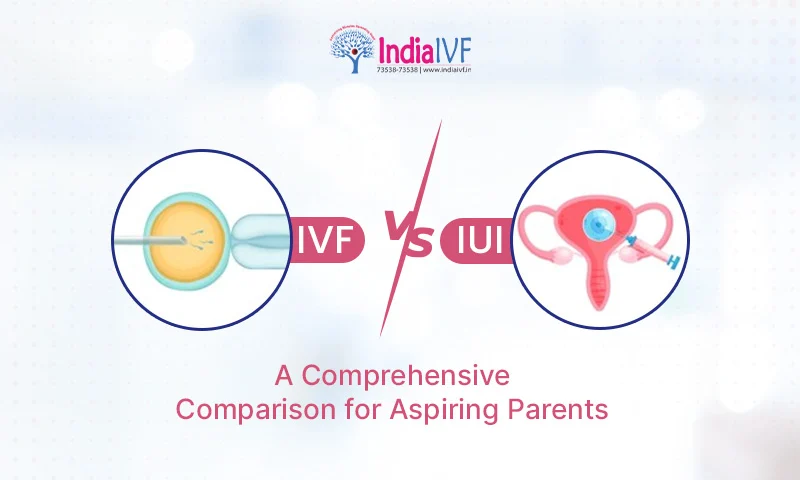
    comparison of IUI and IVF procedures illustrated with simple graphics and labels

    The Impact of Technology on Fertility Clinics and Hospitals

    4. Increased efficiency: The use of technology has streamlined processes and made them more efficient. This has reduced waiting times for patients and improved the overall experience at fertility clinics and hospitals.

    Challenges of Incorporating Technology in Fertility Treatments

    While technology has brought many benefits to fertility treatments, it has also presented some challenges, including:

    1. High costs: Advanced technology comes at a hefty price, making it inaccessible to many patients. This has created a divide between those who can afford the latest treatments and those who cannot.

    2. Ethical concerns: The use of technology in fertility treatments has raised ethical concerns, particularly with the use of PGT and other techniques that involve the manipulation of embryos.

    3. Lack of regulations: With new technologies emerging constantly, there is a lack of regulations and standardization in the field of fertility treatments. This can lead to inconsistencies in treatment and potential risks for patients.

    The Future of Technology in Fertility Clinics and Hospitals

    The future possibilities of technology in fertility clinics and hospitals are exciting and hold a lot of promise. Some of the advancements that we can expect to see in the near future include:

    1. Artificial intelligence (AI): AI has the potential to revolutionize fertility treatments by analyzing large amounts of data and identifying patterns that can improve success rates and predict outcomes.

    2. In vitro maturation (IVM): This is a technique that involves retrieving immature eggs and maturing them in a lab before fertilization. This could eliminate the need for hormone injections and reduce the risks and side effects associated with IVF.

    3. Cryopreservation: The technology for freezing and storing eggs and embryos has significantly improved in recent years, making it possible for women to preserve their fertility for future use.

    In summary, technology has had a profound impact on fertility clinics and hospitals, making it possible for many people to achieve their dream of having a child. The advancements in technology have improved success rates, personalized treatment, and enhanced the patient experience. However, it has also presented some challenges and ethical concerns that need to be addressed. With the constant evolution of technology, the future of fertility treatments looks promising, and we can expect to see more advancements that will further improve success rates and patient outcomes.
  • The Genetics Factor: Intrauterine Insemination vs Low-Tech IVF

    Title: The Genetics Factor: Intrauterine Insemination vs Low-Tech IVF

    In the world of assisted reproductive technology, there are various options available for couples struggling with infertility. Intrauterine insemination (IUI) and low-tech in vitro fertilization (IVF) are two commonly used methods that involve manipulating sperm and eggs to increase the chances of pregnancy. However, when it comes to the genetics factor, there are significant differences between the two procedures. In this blog post, we will explore the genetics factor in intrauterine insemination vs low-tech IVF, and help you understand which option may be the most suitable for you.

    What is Intrauterine Insemination?

    Intrauterine insemination, also known as artificial insemination, is a fertility treatment that involves placing washed and prepared sperm directly into the uterus during ovulation. This method is often recommended for couples who have unexplained infertility, mild male factor infertility, or when the male partner has difficulty ejaculating. It is a relatively simple and less invasive procedure compared to IVF, and it can be performed with or without fertility drugs to stimulate ovulation.

    The Genetics Factor in Intrauterine Insemination

    One of the main concerns with intrauterine insemination is the potential for genetic disorders. Since the sperm is not genetically tested before being inserted into the uterus, there is a risk of transmitting genetic disorders or chromosomal abnormalities to the baby. This is especially true for couples with a known history of genetic disorders or those who have a higher risk of carrying genetic mutations. In such cases, it is important to consult with a genetic counselor before proceeding with intrauterine insemination.

    Additionally, since IUI involves placing multiple sperm into the uterus, there is a slight chance of fertilizing multiple eggs, resulting in a higher chance of multiple pregnancies. This can increase the risk of complications during pregnancy and delivery, as well as the possibility of genetic disorders in the babies.

    What is Low-Tech IVF?

    Low-tech IVF, also known as natural cycle IVF, is a variation of traditional IVF that uses minimal or no fertility drugs to stimulate the ovaries. Instead, it relies on the natural ovulation cycle of the woman. The procedure involves collecting a single egg, fertilizing it with sperm in a lab, and transferring the resulting embryo into the uterus.

    IVF vs IUI comparison graphic highlighting reproductive methods for aspiring parents.

    The Genetics Factor: Intrauterine Insemination vs Low-Tech IVF

    The Genetics Factor in Low-Tech IVF

    Unlike IUI, low-tech IVF involves genetic testing of the sperm and the egg before fertilization. This means that only healthy sperm and eggs are used, reducing the risk of transmitting genetic disorders to the baby. Additionally, since only a single egg is fertilized and transferred, there is a lower chance of multiple pregnancies and the associated genetic risks.

    Moreover, low-tech IVF also allows for preimplantation genetic testing (PGT), which involves screening the embryos for genetic abnormalities before they are transferred into the uterus. This can significantly reduce the risk of genetic disorders in the baby, making it a safer option for couples with a known history of genetic disorders.

    Which Option is Right for You?

    The decision between intrauterine insemination and low-tech IVF ultimately depends on your individual circumstances. If you have a higher risk of carrying genetic disorders or have a known history of genetic disorders in your family, low-tech IVF may be the better option for you. However, if you have unexplained infertility or mild male factor infertility, IUI may be a suitable and less invasive option.

    It is crucial to consult with a fertility specialist and a genetic counselor to determine the most suitable treatment plan for your specific situation. They can help you understand the genetic risks associated with each procedure and guide you in making an informed decision.

    In conclusion, when it comes to the genetics factor, low-tech IVF may have an edge over intrauterine insemination due to the genetic testing and screening involved. However, both procedures have their own advantages and it is essential to weigh the pros and cons and consult with a medical professional before making a decision.

    Summary:

    Intrauterine insemination (IUI) and low-tech in vitro fertilization (IVF) are two common fertility treatments that involve manipulating sperm and eggs to increase the chances of pregnancy. However, when it comes to the genetics factor, there are significant differences between the two procedures. IUI involves a risk of transmitting genetic disorders, while low-tech IVF involves genetic testing and screening of the sperm and eggs to reduce this risk. The decision between the two ultimately depends on individual circumstances and it is important to consult with a fertility specialist and a genetic counselor for personalized guidance.

  • The Role of Technology in Fertility Preservation: Latest Advancements

    Blog Post:

    Fertility preservation, also known as cryopreservation, is the process of freezing and storing eggs, sperm, or embryos for later use in assisted reproductive technologies (ART). This technique has been a game-changer for individuals and couples who want to delay starting a family due to various personal or medical reasons. However, the success rate of fertility preservation has always been a concern, with many factors such as age, health, and lifestyle affecting the outcomes. With the rapid advancements in technology, there has been a significant improvement in the success rates of fertility preservation, making it a more viable option for those seeking to preserve their fertility.

    One of the latest advancements in fertility preservation is the use of vitrification. Vitrification is a technique that involves ultra-rapid cooling of eggs, sperm, or embryos in liquid nitrogen, which prevents the formation of ice crystals and minimizes cellular damage. This method has replaced the traditional slow freezing method and has shown to have a higher success rate in preserving the viability of eggs and embryos. The use of vitrification has revolutionized fertility preservation, making it a safer and more efficient process.

    Another significant advancement in fertility preservation is the use of ovarian tissue freezing. This technique involves removing a small piece of ovarian tissue from a woman’s ovary and freezing it for later use. This method is particularly beneficial for women who are at risk of losing their fertility due to cancer treatments such as chemotherapy or radiation. Ovarian tissue freezing has also shown promising results for women with conditions such as premature ovarian failure or endometriosis. With the latest advancements in technology, it is now possible to transplant frozen ovarian tissue back into the body, allowing women to regain their fertility after cancer treatment or other medical conditions.

    In recent years, there has been a rise in the use of artificial intelligence (AI) and machine learning in fertility preservation. These technologies have been used to analyze data and predict the chances of success for various fertility preservation techniques. AI algorithms can analyze factors such as age, health, and medical history to provide personalized recommendations for individuals seeking fertility preservation. This has not only improved the success rates but has also made the process more cost-effective and time-efficient.

    The use of 3D printing technology has also been a game-changer in fertility preservation. With this technology, it is now possible to create custom-made devices for cryopreservation, such as sperm and embryo straws. These devices are designed to minimize damage and improve survival rates of frozen sperm and embryos. 3D printing technology has also been used to create custom-made molds for freezing ovarian tissue, allowing for better tissue preservation and transplantation.

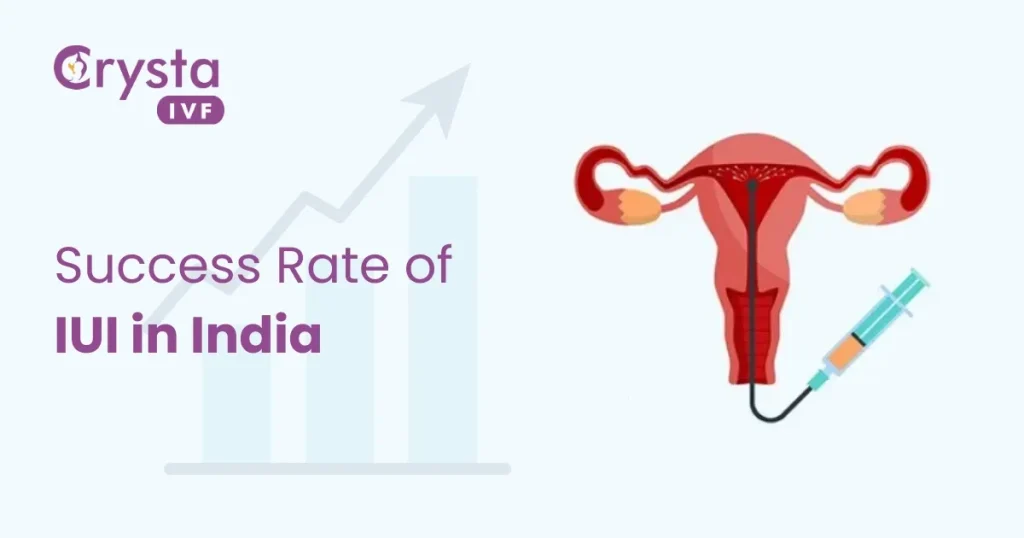
    success rate of IUI in India with a graphic of a uterus and syringe alongside a rising graph

    The Role of Technology in Fertility Preservation: Latest Advancements

    In addition to these technological advancements, the use of genetic testing has also played a crucial role in fertility preservation. Preimplantation genetic testing (PGT) is a technique used to screen embryos for genetic disorders before implantation. This not only increases the chances of a successful pregnancy but also reduces the risk of passing on genetic disorders to the child. PGT has also been used in combination with fertility preservation techniques to select the healthiest embryos for freezing, further improving the success rates.

    The role of technology in fertility preservation has also extended to the development of new techniques and procedures. For instance, there has been a rise in the use of in vitro maturation (IVM), a technique that involves collecting immature eggs from the ovaries and maturing them in a laboratory setting. This method has shown promising results for women with conditions such as polycystic ovary syndrome (PCOS) and those who cannot undergo ovarian stimulation. The use of IVM has expanded the options for fertility preservation, making it a more accessible and inclusive process.

    The latest advancements in technology have also made fertility preservation more accessible to a wider range of individuals and couples. With the use of telemedicine and virtual consultations, individuals can now receive fertility preservation counseling and treatment remotely. This has been particularly beneficial for those living in remote areas or unable to travel for various reasons. Virtual consultations and monitoring have also made the process more convenient and less invasive for patients.

    In conclusion, technology has played a significant role in advancing fertility preservation techniques and improving the success rates. From the use of vitrification and ovarian tissue freezing to artificial intelligence and 3D printing, these advancements have made the process safer, more efficient, and more accessible. With further developments and innovations, we can expect even higher success rates in fertility preservation, giving hope to individuals and couples who wish to delay starting a family.

    Summary:

    Fertility preservation, also known as cryopreservation, has seen significant advancements in recent years due to technology. The use of techniques such as vitrification, ovarian tissue freezing, and artificial intelligence has improved the success rates of fertility preservation. 3D printing technology has also played a crucial role in creating custom-made devices for cryopreservation. Genetic testing, such as preimplantation genetic testing, has also been used to select the healthiest embryos for freezing. These advancements have made fertility preservation more accessible, efficient, and inclusive. With further developments, we can expect even higher success rates in the future.

  • The Future of Fertility Treatments: Intrauterine Insemination vs Timed Intercourse and Beyond

    Blog Post:

    The desire to have children is a natural and universal human instinct. However, for some individuals and couples, achieving pregnancy can be a challenging and emotionally taxing journey. This is where fertility treatments come into play, providing hope and solutions for those struggling with infertility.

    In recent years, there has been significant progress in fertility treatments, with advancements in technology and medical knowledge. Intrauterine insemination (IUI) and timed intercourse are two commonly used fertility treatments that have proven to be effective. But what does the future hold for these treatments and what other options are available? In this blog post, we will explore the future of fertility treatments, specifically focusing on IUI versus timed intercourse and beyond.

    The Basics of IUI and Timed Intercourse

    Before we delve into the future, let’s first understand the basics of IUI and timed intercourse. Intrauterine insemination involves the placement of washed and prepared sperm directly into the uterus during a woman’s ovulation period. This process increases the chances of fertilization by bringing the sperm closer to the egg. Timed intercourse, on the other hand, involves having sex during the woman’s most fertile window, which is usually around the time of ovulation.

    Both IUI and timed intercourse have their benefits and limitations. IUI is a more controlled and targeted approach, making it a viable option for individuals with certain fertility issues. It also has a higher success rate than timed intercourse. However, it can be a more invasive and expensive procedure. On the other hand, timed intercourse is a less invasive and more natural option. It also allows for a more intimate experience between partners. However, it may not be as effective for individuals with certain fertility issues, and it requires careful tracking of ovulation.

    The Future of IUI and Timed Intercourse

    So, what does the future hold for these two fertility treatments? One significant development is the use of technology to enhance the effectiveness of IUI and timed intercourse. For instance, digital fertility trackers and apps have become increasingly popular in helping women track their ovulation and improve the timing of intercourse. These tools use algorithms and data to predict a woman’s fertile window, making it easier for couples to plan for timed intercourse.

    In addition, advancements in sperm preparation techniques have also improved the success rates of IUI. Sperm sorting and washing have become more refined and efficient, increasing the chances of fertilization. Furthermore, studies have shown that the use of frozen sperm in IUI can be just as effective as fresh sperm, providing more options for individuals and couples.

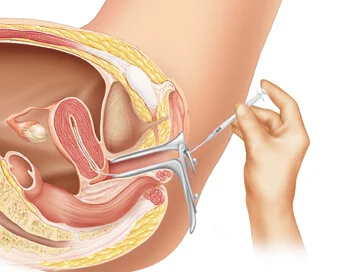
    illustration of intrauterine insemination procedure with a hand holding a speculum and syringe near the uterus

    The Future of Fertility Treatments: Intrauterine Insemination vs Timed Intercourse and Beyond

    Beyond IUI and Timed Intercourse

    While IUI and timed intercourse are effective fertility treatments, they may not be suitable for everyone. This is where other options come into play. In-vitro fertilization (IVF) is a well-known and widely used fertility treatment that involves the fertilization of eggs and sperm in a laboratory, followed by the transfer of the embryo into the uterus. This method is more invasive and expensive than IUI and timed intercourse, but it has a higher success rate, making it a popular choice for couples struggling with infertility.

    Another emerging fertility treatment is intrafallopian transfer (IFT). This procedure involves the direct injection of sperm and eggs into the fallopian tubes, mimicking the natural fertilization process. IFT is still in the early stages of development, but it has shown promising results in increasing the chances of fertilization.

    Furthermore, advancements in genetic testing and screening have opened up opportunities for preimplantation genetic testing (PGT), which involves screening embryos for genetic abnormalities before implantation. This can help couples avoid passing on genetic diseases to their children and increase the chances of a healthy pregnancy.

    The Importance of Emotional Support

    While technology and medical advancements have greatly improved the success rates of fertility treatments, the emotional toll of infertility cannot be ignored. Going through fertility treatments can be a stressful and emotionally draining experience for individuals and couples. Therefore, it is crucial to have a strong support system in place, whether it be from loved ones, support groups, or counseling.

    In conclusion, the future of fertility treatments looks promising, with advancements in technology and medical knowledge leading to higher success rates and more options for individuals and couples struggling with infertility. While IUI and timed intercourse remain popular choices, other options such as IVF, IFT, and PGT are also becoming more accessible and effective. However, it is essential to remember that emotional support is just as crucial as medical intervention in this journey.

    Summary:

    Fertility treatments have come a long way in recent years, with advancements in technology and medical knowledge. Intrauterine insemination (IUI) and timed intercourse are two commonly used fertility treatments, but the future holds even more options. The use of technology, such as digital fertility trackers, has enhanced the effectiveness of IUI and timed intercourse. Other options include in-vitro fertilization (IVF), intrafallopian transfer (IFT), and preimplantation genetic testing (PGT). However, it is essential to remember the importance of emotional support in this journey.

  • The Future of Fertility: Advancements in Artificial Insemination and IVF Technology

    The Future of Fertility: Advancements in Artificial Insemination and IVF Technology

    Infertility affects millions of couples worldwide, and for many, the hope of starting a family seems out of reach. However, with advancements in artificial insemination and in-vitro fertilization (IVF) technology, the future of fertility looks promising. These cutting-edge techniques are revolutionizing the field of reproductive medicine, and are giving hope to couples who have struggled with conception. In this blog post, we will explore the future of fertility and the advancements in artificial insemination and IVF technology that are making parenthood a possibility for more and more people.

    What is Artificial Insemination?

    Artificial insemination, also known as intrauterine insemination (IUI), is a procedure where sperm is placed directly into a woman’s uterus to increase the chances of fertilization. This method is often used when couples are unable to conceive due to male infertility, low sperm count, or other fertility issues. In the past, artificial insemination was a relatively simple procedure, but recent advancements have made it more effective and accessible.

    Advancements in Artificial Insemination

    One of the major advancements in artificial insemination is the use of sperm washing. This process involves separating the sperm from the semen, which removes any harmful substances that may interfere with fertilization. This not only increases the chances of conception but also reduces the risk of infections or allergic reactions. Additionally, sperm washing allows for a higher concentration of healthy sperm to be used, increasing the chances of successful fertilization.

    Another significant advancement in artificial insemination is the use of ultrasound technology. Ultrasound can be used to monitor the growth and development of the follicles in a woman’s ovaries, which contains the eggs. This helps determine the best time for insemination to take place, increasing the chances of successful fertilization.

    In recent years, there has also been a rise in the use of donor sperm for artificial insemination. This has opened up the possibility of parenthood for same-sex couples and single women, who were previously unable to conceive through traditional methods. With the help of sperm banks, couples and individuals can choose from a variety of donors based on their preferences, such as physical characteristics and medical history.

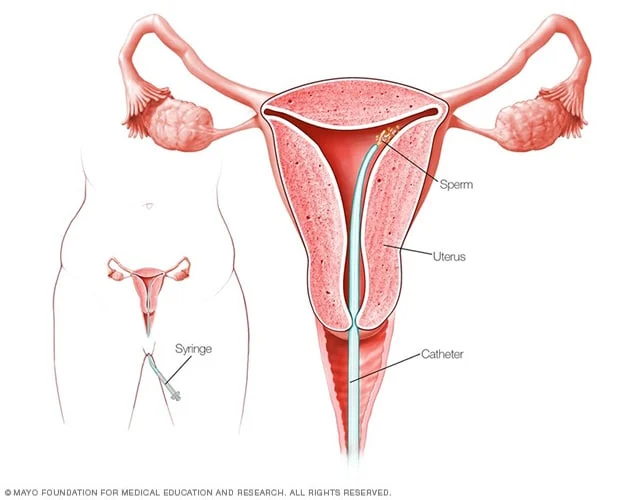
    diagram illustrating intrauterine insemination (IUI) procedure with uterus, sperm, and catheter labeled

    The Future of Fertility: Advancements in Artificial Insemination and IVF Technology

    What is In-Vitro Fertilization (IVF)?

    In-vitro fertilization, commonly known as IVF, is a procedure where eggs are collected from a woman’s ovaries and fertilized with sperm in a laboratory. The resulting embryos are then transferred into the woman’s uterus, where they can implant and grow into a pregnancy. IVF is often used when couples have more complex fertility issues, such as blocked fallopian tubes, endometriosis, or male factor infertility.

    Advancements in IVF Technology

    The field of IVF has seen significant advancements in technology in recent years, making the process more efficient and successful. One such advancement is the use of preimplantation genetic testing (PGT). PGT involves screening the embryos for genetic abnormalities before they are transferred into the uterus. This not only reduces the risk of passing on genetic diseases but also increases the chances of a successful pregnancy.

    Another major advancement in IVF technology is the use of time-lapse imaging. This involves capturing images of the developing embryos at various stages, which allows embryologists to select the healthiest and most viable embryos for transfer. This has significantly increased the success rates of IVF, as only the healthiest embryos are chosen for transfer.

    The use of frozen embryo transfer (FET) has also revolutionized the field of IVF. With FET, the embryos can be frozen and stored for future use, giving couples the option to try for another pregnancy without having to go through the entire IVF process again. This not only increases the chances of success but also reduces the physical, emotional, and financial burden on couples.

    The Future of Fertility

    With these advancements in artificial insemination and IVF technology, the future of fertility looks promising. In addition to making parenthood a possibility for more people, these advancements are also making the process more efficient and accessible. As technology continues to advance, we can expect even more breakthroughs in the field of reproductive medicine, giving hope to couples and individuals struggling with infertility.

    In conclusion, advancements in artificial insemination and IVF technology are changing the landscape of fertility treatment. From sperm washing to time-lapse imaging, these innovations are making the process more successful and opening up possibilities for couples and individuals who previously thought parenthood was out of reach. With the constant progress in technology, the future of fertility is looking brighter than ever.