Navigating the Unknown: The Role of Fertility Counseling in Assisted Reproductive Technology
For many couples struggling with infertility, assisted reproductive technology (ART) offers a glimmer of hope for starting a family. However, the journey towards parenthood through ART can be a rollercoaster of emotions, physical challenges, and financial burdens. This is where fertility counseling comes in.
Fertility counseling is a specialized form of therapy that helps individuals and couples cope with the challenges of infertility and navigate the complex world of ART. In this blog post, we will discuss the importance of fertility counseling in the process of assisted reproductive technology and how it can help individuals and couples make informed decisions, manage their emotions, and ultimately increase their chances of success.
Understanding ART and Its Emotional Impact
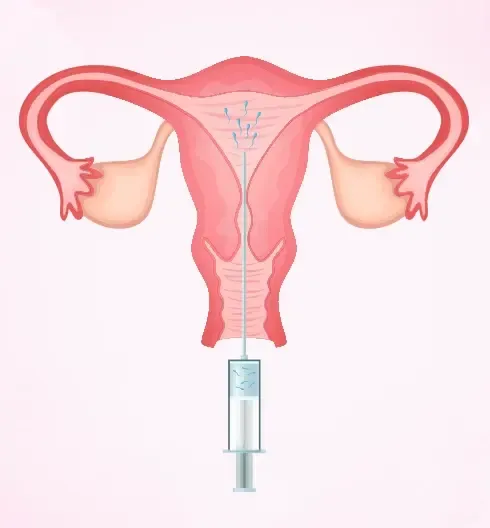
ART refers to a variety of medical procedures and treatments that help individuals and couples achieve pregnancy. These include in vitro fertilization (IVF), intrauterine insemination (IUI), and egg or sperm donation. While these procedures offer hope for those struggling to conceive, they also come with a host of emotional challenges.
The emotional toll of infertility can be overwhelming, and many individuals and couples may experience feelings of grief, shame, guilt, and anxiety. The uncertainty of the outcome, the pressure to succeed, and the financial strain can also take a toll on one’s mental health. This is where fertility counseling can provide much-needed support and guidance.
The Role of Fertility Counseling in ART
Fertility counseling plays a crucial role in the journey of assisted reproductive technology by providing a safe and supportive space for individuals and couples to process their emotions and make informed decisions. Here are some ways in which fertility counseling can help:
1. Coping with Emotional Challenges: Fertility counseling can help individuals and couples cope with the emotional challenges of infertility. A trained therapist can provide a non-judgmental and empathetic environment for individuals to express their feelings and work through their grief and anxiety.
2. Educating and Informing: Fertility counseling can help individuals and couples understand the various procedures and treatments involved in ART and their success rates. This can help them make informed decisions and manage their expectations.
3. Managing Stress: The process of ART can be physically and emotionally taxing. Fertility counseling can provide tools and techniques to manage stress and anxiety, allowing individuals and couples to better cope with the process.
Navigating the Unknown: The Role of Fertility Counseling in Assisted Reproductive Technology
4. Supporting Decision-Making: Fertility counseling can help individuals and couples navigate the difficult decisions that come with ART. This can include choosing the right treatment option, deciding on egg or sperm donation, or exploring other alternatives like adoption.
5. Improving Communication: Infertility can also strain relationships, and communication breakdowns are common. Fertility counseling can help individuals and couples improve their communication and work through any conflicts that may arise during the process.
The Importance of Pre-ART Counseling
While fertility counseling can be beneficial at any stage of the ART process, it is especially crucial before starting treatment. Pre-ART counseling can provide individuals and couples with a better understanding of the process, its potential challenges, and the emotional impact it may have. This can help individuals and couples prepare themselves mentally and emotionally, increasing their chances of success.
In addition, pre-ART counseling can also identify any underlying issues that may affect the outcome of the treatment, such as mental health concerns or relationship conflicts. Addressing these issues beforehand can lead to better outcomes and reduce the risk of treatment failure.
Finding the Right Fertility Counselor
When seeking fertility counseling, it is essential to find a therapist who specializes in infertility and ART. They should have a good understanding of the medical procedures involved and the emotional impact they may have. A good fertility counselor should also be empathetic, non-judgmental, and able to provide a safe and supportive space for individuals and couples.
In addition, it can be helpful to find a counselor who is familiar with the specific cultural and religious beliefs of the individual or couple seeking treatment. This can ensure that the counseling is sensitive to their unique needs and values.
In conclusion, fertility counseling plays a crucial role in the process of assisted reproductive technology. It can provide individuals and couples with the necessary support, guidance, and tools to navigate the emotional challenges and make informed decisions. By addressing the emotional impact of infertility and preparing individuals and couples for the journey ahead, fertility counseling can ultimately increase the chances of success in achieving pregnancy through ART.
Summary:
Fertility counseling is a specialized form of therapy that helps individuals and couples cope with the challenges of infertility and navigate the complex world of assisted reproductive technology (ART). The emotional toll of infertility can be overwhelming, and fertility counseling provides a safe and supportive space for individuals to process their emotions and make informed decisions. It can also help manage stress, improve communication, and support decision-making. Pre-ART counseling is especially crucial as it prepares individuals and couples mentally and emotionally for the process and can identify any underlying issues that may affect the outcome. It is essential to find a therapist who specializes in infertility and ART and is empathetic and culturally sensitive.