Blog Post:
The Cost of Fertility Preservation: Planning for the Future
Fertility preservation, also known as egg freezing, is a process in which a woman’s eggs are extracted, frozen, and stored for future use. This procedure has become increasingly popular in recent years, as more women are delaying motherhood due to various reasons such as career goals, financial stability, or medical issues. While fertility preservation offers hope for women to have children later in life, it also comes with a hefty price tag. In this blog post, we will discuss the cost of fertility preservation and the importance of planning for the future.
The Process of Fertility Preservation
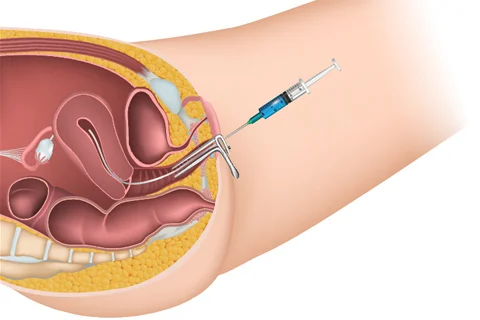
Before we dive into the cost, let’s first understand the process of fertility preservation. The first step is to consult with a fertility specialist who will assess your medical history and perform fertility tests to determine your chances of success with the procedure. If you are a good candidate, the next step is to undergo ovarian stimulation, where you will receive hormone injections to stimulate your ovaries to produce multiple eggs. This process can take up to two weeks and requires regular monitoring through blood tests and ultrasounds.
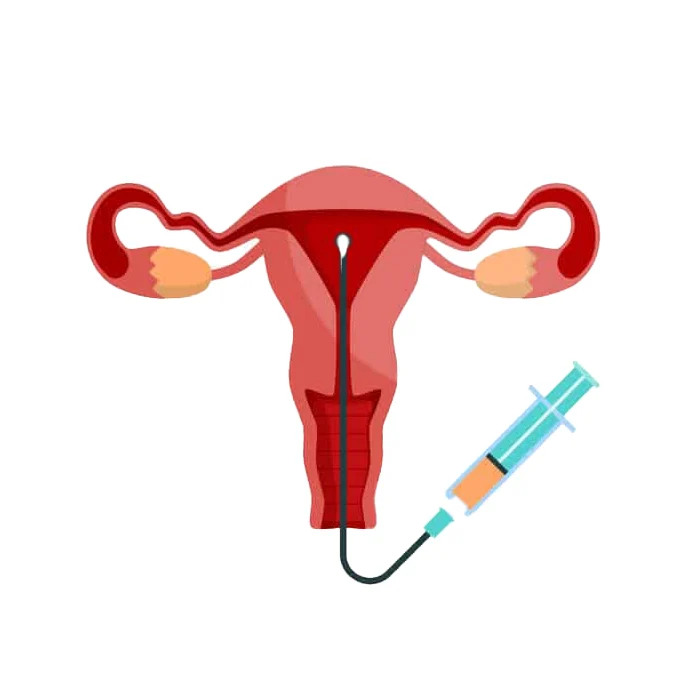
Once the eggs are mature, they are retrieved through a minor surgical procedure known as egg retrieval. The eggs are then frozen and stored in a specialized facility until you are ready to use them. When you decide to use your frozen eggs, they will be thawed, fertilized with sperm, and transferred back into your uterus in a procedure known as in vitro fertilization (IVF).
Cost of Fertility Preservation
The cost of fertility preservation varies depending on several factors, including your location, the clinic you choose, and the number of eggs you want to freeze. On average, the cost of one round of egg freezing can range from $10,000 to $15,000. This price includes the initial consultation, ovarian stimulation medications, egg retrieval, and the first year of storage. Additional costs may also include anesthesia fees, blood tests, and ultrasounds.
It’s important to note that one round of egg freezing may not be enough. As women age, the quality and quantity of their eggs decrease, and it may take multiple rounds of egg freezing to have a viable number of eggs for future use. This means that the total cost of fertility preservation can add up to tens of thousands of dollars.
The Cost of Fertility Preservation: Planning for the Future
Factors Affecting the Cost
As mentioned earlier, the cost of fertility preservation depends on various factors. One of the biggest factors is your age. The younger you are, the better your chances of success, and the fewer rounds of egg freezing you may need. This means that if you are in your early 30s, you may need to freeze fewer eggs compared to someone in their late 30s or 40s, ultimately reducing the cost.
The location and clinic you choose can also impact the cost. Fertility clinics in major cities tend to have higher prices compared to those in smaller towns. The reputation and success rates of the clinic may also affect the cost. It’s essential to do your research and compare prices before choosing a clinic.
Importance of Planning for the Future
The high cost of fertility preservation highlights the importance of planning for the future. As mentioned earlier, fertility preservation is a viable option for women who want to delay motherhood. However, it’s crucial to keep in mind that it’s not a guarantee of success. While the success rates of egg freezing have improved in recent years, there is still a chance that the frozen eggs may not result in a viable pregnancy.
Moreover, it’s essential to consider the costs associated with using the frozen eggs in the future. In addition to the cost of thawing and fertilizing the eggs, there will also be costs for IVF and other associated procedures. Planning for these costs and having a backup plan in case the frozen eggs do not result in a successful pregnancy is crucial.
In conclusion, fertility preservation offers hope for women to have children later in life. However, it comes with a high price tag, making it essential to plan and save for this expense. With proper planning and research, women can make informed decisions about their fertility and have a better chance of achieving their dream of motherhood in the future.
Summary:
Fertility preservation, also known as egg freezing, is a procedure in which a woman’s eggs are extracted, frozen, and stored for future use. This process has become increasingly popular as more women are delaying motherhood. The cost of fertility preservation can range from $10,000 to $15,000 per round, and multiple rounds may be needed for success. Factors such as age, location, and clinic choice can affect the cost. Planning for the future is crucial, as the high cost highlights the need for financial preparation and backup plans.