Blog Post: The Impact of Modern Technology on Fertility: Pros and Cons
The advancement of technology has had a significant impact on every aspect of our lives, including fertility. With the rise of new medical procedures and assisted reproductive technologies, couples who struggle with infertility now have more options than ever before. However, along with these advancements come potential drawbacks and ethical concerns. In this blog post, we will explore the pros and cons of modern technology on fertility and its impact on individuals and society as a whole.
Pros:
1. Increased Success Rates: One of the most significant benefits of modern technology on fertility is the increased success rates of assisted reproductive technologies. In-vitro fertilization (IVF), for example, has an average success rate of 30-35%, depending on the age of the woman. This means that couples who were once struggling to conceive now have a higher chance of having a biological child.
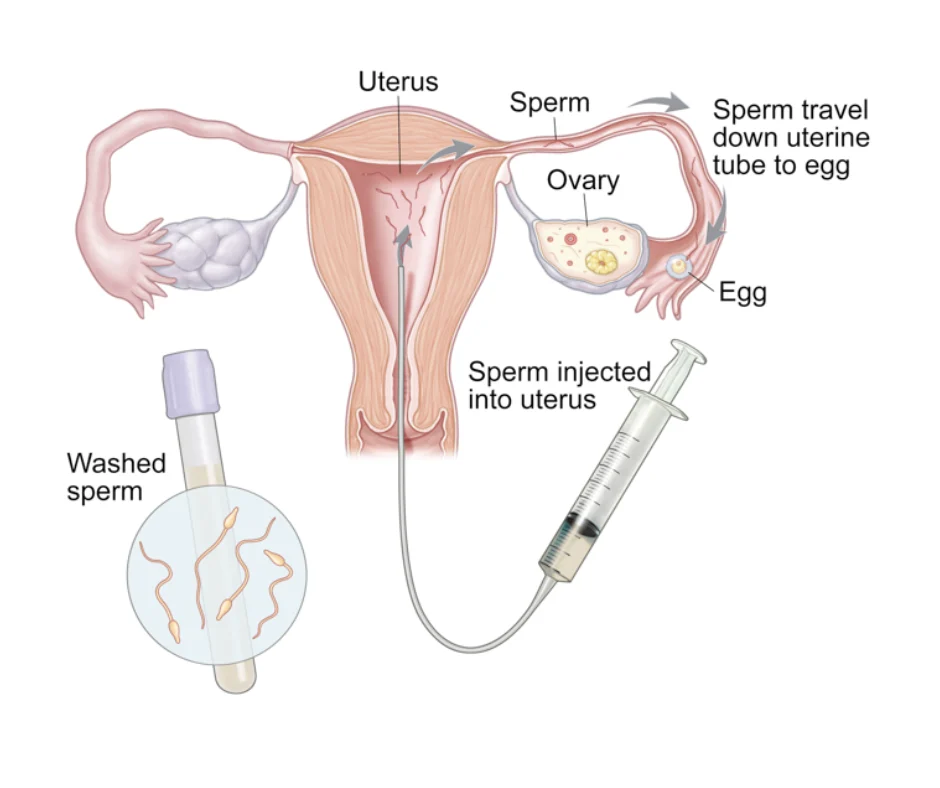
2. Expanded Options for LGBTQ+ Couples: With the help of modern technology, same-sex couples and individuals now have the option to have biological children. Procedures like intrauterine insemination (IUI) and donor sperm or egg have made it possible for LGBTQ+ individuals to start families of their own.
3. Egg Freezing: Egg freezing, also known as oocyte cryopreservation, has become a popular option for women who want to delay pregnancy for personal or medical reasons. This technology allows women to freeze their eggs when they are at their peak fertility and use them later in life when they are ready to have children.
4. Pre-implantation Genetic Diagnosis (PGD): PGD is a procedure that allows for the screening of embryos for genetic disorders before implantation. This technology has helped reduce the risk of passing on genetic diseases to future generations, giving couples peace of mind when starting a family.
5. Fertility Tracking Apps: With the rise of smartphones, there has been a surge in fertility tracking apps that help women track their menstrual cycle, ovulation, and fertile window. These apps not only allow women to better understand their bodies but also help in identifying potential fertility issues.
Cons:
1. Expensive: The cost of assisted reproductive technologies can be a significant barrier for many couples. IVF, for example, can cost anywhere from $12,000 to $17,000 per cycle, and most couples require multiple cycles to achieve a successful pregnancy. This can put a financial strain on couples and limit their options for starting a family.
The Impact of Modern Technology on Fertility: Pros and Cons
2. Emotional and Physical Toll: The journey to parenthood can be emotionally and physically taxing, especially for couples who struggle with infertility. The constant cycle of hope, disappointment, and medical procedures can take a toll on an individual’s mental health and strain their relationships.
3. Ethical Concerns: With advancements in technology, there are ethical concerns surrounding the creation and use of embryos in assisted reproductive technologies. Questions arise about the disposal of unused embryos, the creation of “designer babies,” and the exploitation of women’s bodies for egg donation.
4. Increased Risk of Multiple Pregnancies: IVF and other assisted reproductive technologies have an increased risk of multiple pregnancies, which can lead to complications for both the mother and babies. This can be a challenging situation for couples who may not be prepared for the financial and emotional strain of raising multiple children.
5. Unrealistic Expectations: The media often portrays assisted reproductive technologies as a quick fix for infertility. This can create unrealistic expectations for couples, leading to disappointment and feelings of failure when the procedures do not work.
The Impact on Society:
The impact of modern technology on fertility goes beyond individuals and couples struggling with infertility. The surge in fertility treatments has also led to a decline in natural conception rates in some countries. This can have long-term implications for society, such as an aging population and a decline in birth rates.
Moreover, the use of assisted reproductive technologies has also raised questions about the definition of parenthood and the rights of donor-conceived children to know their biological origins. These issues have sparked debates and discussions surrounding the ethics and regulation of assisted reproductive technologies.
In conclusion, modern technology has undoubtedly had a significant impact on fertility, offering hope and options for couples who struggle with infertility. However, it is essential to consider the potential drawbacks and ethical concerns surrounding these advancements. As technology continues to evolve, it is crucial to have open and honest discussions about its impact on fertility and society as a whole.
Summary:
The advancement of technology has had a significant impact on fertility, providing couples with more options to overcome infertility. The pros of modern technology on fertility include increased success rates, expanded options for LGBTQ+ couples, egg freezing, PGD, and fertility tracking apps. However, there are also cons, such as the high cost, emotional and physical toll, ethical concerns, increased risk of multiple pregnancies, and unrealistic expectations. The impact on society includes a decline in natural conception rates and debates about the definition of parenthood and the rights of donor-conceived children. It is crucial to consider both the pros and cons of modern technology on fertility and have open discussions about its impact on individuals and society.
