Tag: Personalized Treatment

  • The Impact of Technology on Fertility Clinics and Hospitals

    Technology has revolutionized the way we approach fertility treatments, making it possible for many people to fulfill their dreams of starting a family. Fertility clinics and hospitals have embraced the latest advancements in technology to improve success rates and provide more personalized and efficient care to patients. In this blog post, we will explore the impact of technology on fertility clinics and hospitals, including the benefits, challenges, and future possibilities.

    The Evolution of Technology in Fertility Treatments

    Fertility treatments have come a long way since the first successful in vitro fertilization (IVF) procedure in 1978. Back then, the process was lengthy, expensive, and had a low success rate. However, with advancements in technology, IVF success rates have significantly improved, and the procedure has become more accessible and affordable.

    One of the biggest technological advancements in fertility treatments is the development of preimplantation genetic testing (PGT). PGT allows for the screening of embryos for genetic disorders and chromosomal abnormalities before they are implanted in the uterus. This has not only increased the chances of a successful pregnancy but has also reduced the risk of passing on genetic diseases to the child.

    Another significant development is the use of time-lapse imaging in IVF. This technology allows for the continuous monitoring of embryos, providing valuable information about their development and helping doctors select the healthiest embryos for implantation. This has led to higher success rates and reduced the number of multiple births, which can be risky for both the mother and babies.

    Technology has also improved the process of egg retrieval. In the past, this procedure was done manually, which could be time-consuming and uncomfortable for the patient. Now, advanced tools such as transvaginal ultrasound and ultrasound-guided needle aspiration have made the process quicker and less invasive.

    Benefits of Technology in Fertility Clinics and Hospitals

    The use of technology in fertility clinics and hospitals has brought numerous benefits, including:

    1. Improved success rates: As mentioned earlier, technology has significantly improved the success rates of fertility treatments. This has given hope to many individuals and couples struggling with infertility.

    2. Personalized treatment: With the use of advanced tools and techniques, doctors can now tailor treatment plans to meet the specific needs of each patient. This has resulted in more successful outcomes and reduced the risk of complications.

    3. Enhanced patient experience: Technology has made fertility treatments less invasive, less painful, and more comfortable for patients. This has reduced the stress and anxiety associated with these procedures, making them more bearable for patients.
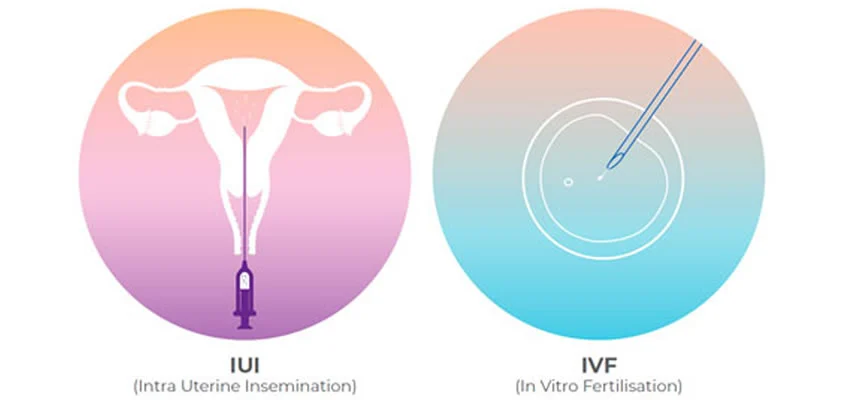
    comparison of IUI and IVF procedures illustrated with simple graphics and labels

    The Impact of Technology on Fertility Clinics and Hospitals

    4. Increased efficiency: The use of technology has streamlined processes and made them more efficient. This has reduced waiting times for patients and improved the overall experience at fertility clinics and hospitals.

    Challenges of Incorporating Technology in Fertility Treatments

    While technology has brought many benefits to fertility treatments, it has also presented some challenges, including:

    1. High costs: Advanced technology comes at a hefty price, making it inaccessible to many patients. This has created a divide between those who can afford the latest treatments and those who cannot.

    2. Ethical concerns: The use of technology in fertility treatments has raised ethical concerns, particularly with the use of PGT and other techniques that involve the manipulation of embryos.

    3. Lack of regulations: With new technologies emerging constantly, there is a lack of regulations and standardization in the field of fertility treatments. This can lead to inconsistencies in treatment and potential risks for patients.

    The Future of Technology in Fertility Clinics and Hospitals

    The future possibilities of technology in fertility clinics and hospitals are exciting and hold a lot of promise. Some of the advancements that we can expect to see in the near future include:

    1. Artificial intelligence (AI): AI has the potential to revolutionize fertility treatments by analyzing large amounts of data and identifying patterns that can improve success rates and predict outcomes.

    2. In vitro maturation (IVM): This is a technique that involves retrieving immature eggs and maturing them in a lab before fertilization. This could eliminate the need for hormone injections and reduce the risks and side effects associated with IVF.

    3. Cryopreservation: The technology for freezing and storing eggs and embryos has significantly improved in recent years, making it possible for women to preserve their fertility for future use.

    In summary, technology has had a profound impact on fertility clinics and hospitals, making it possible for many people to achieve their dream of having a child. The advancements in technology have improved success rates, personalized treatment, and enhanced the patient experience. However, it has also presented some challenges and ethical concerns that need to be addressed. With the constant evolution of technology, the future of fertility treatments looks promising, and we can expect to see more advancements that will further improve success rates and patient outcomes.
  • Fertility Clinics vs Hospitals: Which Offers More Holistic Approaches?

    Blog Post: Fertility Clinics vs Hospitals: Which Offers More Holistic Approaches?

    The journey towards parenthood can be a challenging and emotional one, especially for couples struggling with fertility issues. In recent years, there has been a rise in the number of fertility clinics and hospitals offering specialized treatments and procedures to help couples conceive. However, the approach and services provided by these two types of facilities can vary greatly. In this blog post, we will explore the differences between fertility clinics and hospitals and which one may offer a more holistic approach to fertility treatments.

    Fertility Clinics: Specialized Care and Personalized Treatment

    Fertility clinics are medical facilities that specialize in providing treatments and procedures for couples struggling with fertility issues. These clinics are often run by reproductive endocrinologists, who are doctors with specialized training in fertility and reproductive medicine. They offer a wide range of services, including fertility testing, assisted reproductive technologies (ART), and fertility preservation.

    One of the main advantages of fertility clinics is that they offer personalized treatment plans for each individual or couple. These plans are tailored to meet the specific needs and circumstances of the patient, taking into consideration factors such as age, medical history, and fertility goals. This personalized approach can lead to higher success rates and a better overall experience for patients.

    Fertility clinics also tend to have a more intimate and welcoming atmosphere compared to hospitals. Many couples struggling with fertility issues may feel overwhelmed or anxious, and the personalized care and specialized services offered by fertility clinics can help ease these feelings. Additionally, fertility clinics often have a team of counselors and support staff who can provide emotional support and guidance throughout the treatment process.

    Holistic Approaches in Fertility Clinics

    In recent years, there has been a growing trend towards incorporating holistic approaches in fertility treatments. Holistic medicine focuses on treating the whole person, including their physical, emotional, and mental well-being. This approach recognizes that fertility issues can be caused by a variety of factors, including stress, diet, and lifestyle choices.

    Fertility clinics are at the forefront of this trend, offering a range of complementary therapies alongside traditional medical treatments. These may include acupuncture, massage therapy, and nutrition counseling. These therapies aim to improve the overall health and well-being of patients, which can have a positive impact on their fertility. By addressing the root causes of fertility issues, rather than just the symptoms, these holistic approaches can lead to more successful outcomes for patients.

    Hospitals: Advanced Technology and Comprehensive Care

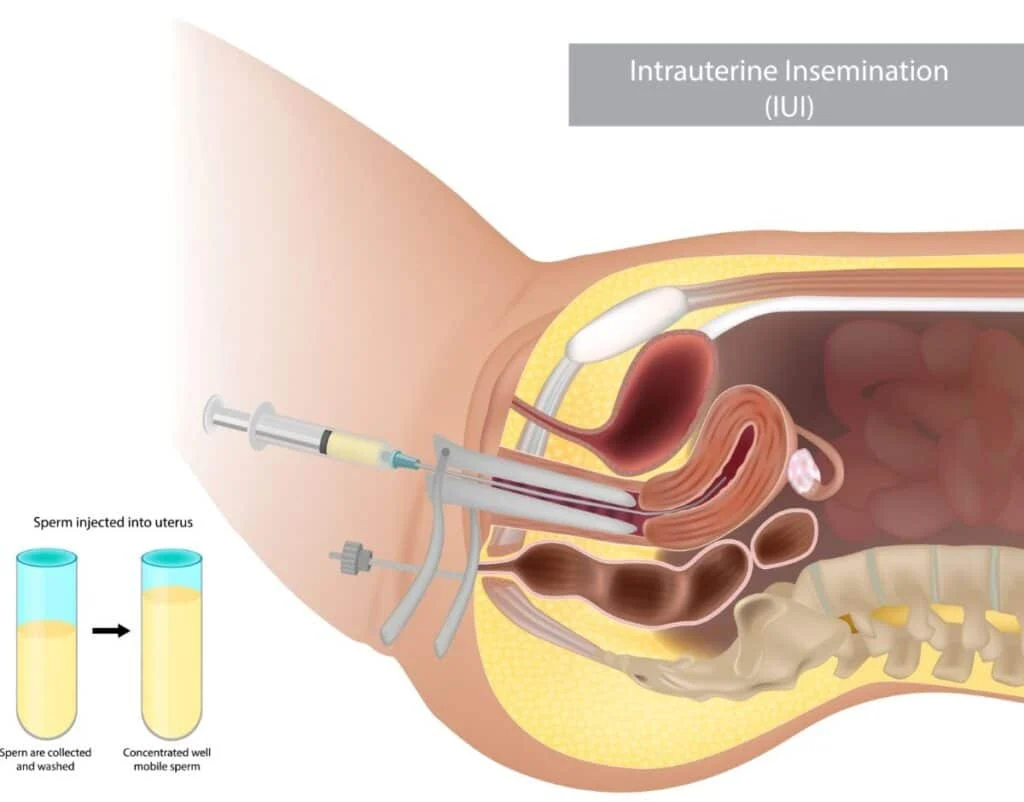
    Diagram illustrating intrauterine insemination (IUI) procedure with sperm injection into the uterus.

    Fertility Clinics vs Hospitals: Which Offers More Holistic Approaches?

    Hospitals, on the other hand, are large medical facilities that offer a wide range of medical services, including fertility treatments. Unlike fertility clinics, hospitals do not specialize in reproductive medicine, and their focus is on providing comprehensive care for a variety of medical conditions.

    One of the main advantages of hospitals is their access to advanced technology and equipment. This allows them to offer a wide range of fertility treatments, including in vitro fertilization (IVF), intracytoplasmic sperm injection (ICSI), and preimplantation genetic testing. These advanced technologies can be beneficial for couples with complex fertility issues and may lead to higher success rates.

    Another advantage of hospitals is their ability to provide comprehensive care for patients. This includes access to a range of medical specialists, such as endocrinologists, urologists, and psychiatrists, who can address any underlying medical conditions that may be affecting fertility. Hospitals also have the resources to provide emergency care and support for high-risk pregnancies, which may not be available at fertility clinics.

    Holistic Approaches in Hospitals

    While hospitals may not specialize in holistic approaches to fertility treatments, many have started incorporating them into their services. This is due to the growing demand from patients for more personalized and comprehensive care. Some hospitals now offer services such as yoga and meditation classes, stress management programs, and support groups for couples struggling with fertility issues.

    However, the availability and integration of these holistic services may vary greatly between hospitals. Additionally, the focus of hospitals is often on treating the medical aspects of fertility issues, rather than addressing the emotional and mental well-being of patients.

    Which Offers a More Holistic Approach?

    In conclusion, while both fertility clinics and hospitals offer specialized treatments and procedures for couples struggling with fertility issues, fertility clinics may offer a more holistic approach. This is due to their personalized care and the incorporation of complementary therapies that address the overall well-being of patients. However, hospitals may be a better option for couples with complex fertility issues and those in need of emergency care.

    It is worth noting that the choice between a fertility clinic and a hospital ultimately depends on the specific needs and circumstances of each individual or couple. It is recommended to research and consult with both types of facilities to determine which one can provide the best care and support for your fertility journey.

    Summary:

    Fertility clinics and hospitals both offer specialized treatments for couples struggling with fertility issues. Fertility clinics provide personalized care and a more intimate atmosphere, while hospitals have access to advanced technology and offer comprehensive care. However, fertility clinics may offer a more holistic approach, with the incorporation of complementary therapies and a focus on overall well-being. The choice between the two ultimately depends on individual circumstances and needs.

  • Making the Decision: Fertility Clinics vs Hospitals for IVF

    Blog Post:

    Making the decision to undergo in vitro fertilization (IVF) is a big step for couples struggling with infertility. It is a complex and emotional journey that requires careful consideration and planning. One of the first decisions that couples have to make is where to undergo the IVF process – at a fertility clinic or a hospital. Both options have their own set of pros and cons, and it can be overwhelming to choose between the two. In this blog post, we will discuss the differences between fertility clinics and hospitals for IVF and help you make an informed decision.

    Fertility Clinics for IVF:

    Fertility clinics specialize in reproductive medicine and offer a range of services for couples trying to conceive. These clinics have highly trained and experienced staff, including reproductive endocrinologists, embryologists, and fertility nurses. They have state-of-the-art equipment and facilities to perform all procedures related to IVF. Fertility clinics also have a dedicated team to provide emotional support and counseling to couples throughout their IVF journey.

    Pros of Choosing a Fertility Clinic for IVF:

    1. Specialized Care: Fertility clinics have a team of experts who specialize in reproductive medicine. They have extensive knowledge and experience in dealing with fertility issues, which makes them the best choice for IVF treatment.

    2. Personalized Treatment: Every couple’s fertility journey is unique, and fertility clinics understand that. They provide personalized treatment plans tailored to each couple’s specific needs, increasing the chances of a successful IVF outcome.

    3. More Options: Fertility clinics offer a range of treatment options besides IVF, such as Intrauterine Insemination (IUI), egg freezing, and surrogacy. This gives couples more options to explore and choose the best treatment for their situation.

    4. Emotional Support: Going through IVF can be emotionally taxing for couples. Fertility clinics have a team of counselors who provide emotional support and help couples cope with the stress and anxiety associated with the treatment.

    Cons of Choosing a Fertility Clinic for IVF:

    1. Cost: IVF treatment at a fertility clinic can be expensive, with the average cost ranging from $12,000 to $15,000. This cost does not include additional procedures like genetic testing or medication, which can further increase the overall cost.

    2. Limited Availability: Fertility clinics have a limited number of appointments available, and their schedules can be tight. This can cause delays and waiting periods for couples, which can be frustrating and stressful.

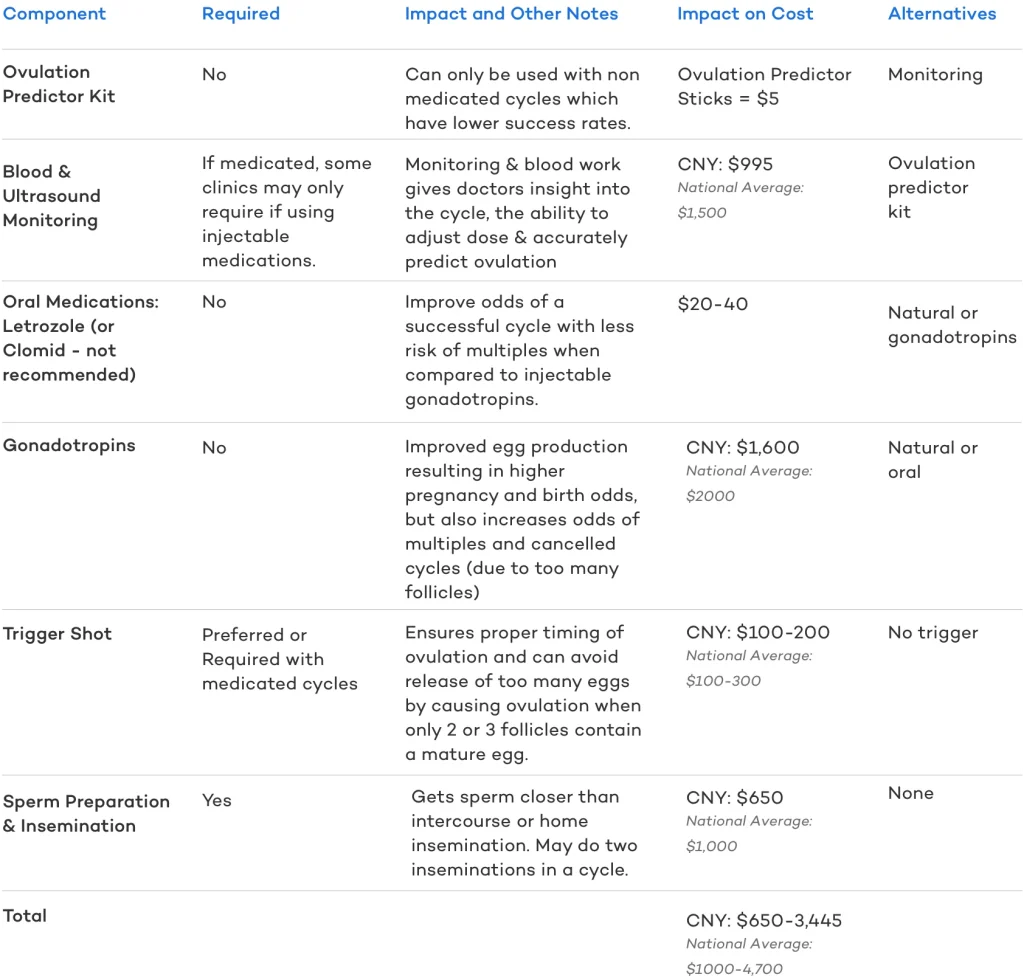
    Cost breakdown for IUI components, including requirements, impacts, and alternatives.

    Making the Decision: Fertility Clinics vs Hospitals for IVF

    Hospitals for IVF:

    Hospitals also offer IVF services, and some even have dedicated fertility departments. These hospitals have all the necessary equipment and facilities to perform IVF procedures, but their focus is not solely on reproductive medicine.

    Pros of Choosing a Hospital for IVF:

    1. Lower Cost: IVF treatment at a hospital can be more affordable compared to a fertility clinic. This is because hospitals have larger budgets and can offer discounts for IVF services.

    2. Availability: Hospitals have a larger staff and more resources, which means they can accommodate more patients and have more appointment slots available. This reduces waiting periods and increases the chances of starting IVF treatment sooner.

    3. Familiar Environment: Some couples may feel more comfortable undergoing IVF treatment in a hospital setting, as it is a familiar environment for medical procedures.

    Cons of Choosing a Hospital for IVF:

    1. Lack of Specialization: Hospitals do not specialize in reproductive medicine, which means the staff may not have the same level of expertise and experience as those in fertility clinics. This can affect the quality of care and the success rates of IVF treatment.

    2. Limited Options: Hospitals may not offer a range of treatment options like fertility clinics. This can limit the choices available to couples and may not be suitable for their specific needs.

    3. Emotional Support: Hospitals may not have a dedicated team to provide emotional support and counseling to couples undergoing IVF treatment. This can make the process more challenging for couples, especially if they are dealing with emotional issues related to infertility.

    Summary:

    Choosing between a fertility clinic and a hospital for IVF treatment is a personal decision that depends on various factors, including cost, availability, and the level of expertise and support needed. Fertility clinics offer specialized care and personalized treatment plans, but they can be expensive. Hospitals, on the other hand, may be more affordable and have better availability, but they may not have the same level of expertise and support as fertility clinics. It is crucial to carefully consider all these factors and choose the option that best suits your needs and budget.

    In conclusion, both fertility clinics and hospitals have their advantages and disadvantages when it comes to IVF treatment. It is essential to do thorough research, consult with experts, and consider your personal preferences before making a decision. Ultimately, the goal is to choose a facility that will provide the best chance of success for your IVF journey.

  • Intrauterine Insemination vs Low-Tech IVF: A Doctor’s Perspective

    Intrauterine Insemination (IUI) and Low-Tech IVF are two common fertility treatments that can help couples achieve their dream of having a baby. As a doctor specializing in reproductive endocrinology and infertility, I have witnessed the effectiveness and limitations of both treatments. In this blog post, I will discuss the differences between IUI and Low-Tech IVF from a doctor’s perspective, including their processes, success rates, and suitability for different patients.

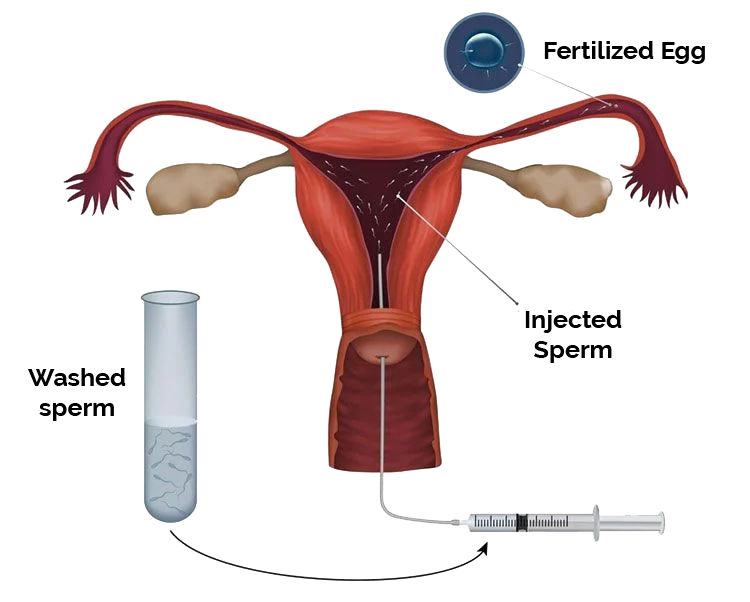
    Firstly, let’s define what IUI and Low-Tech IVF are. Intrauterine Insemination, also known as artificial insemination, is a procedure where washed and concentrated sperm is directly placed into the uterus during the woman’s ovulation period. Low-Tech IVF, on the other hand, involves stimulating the ovaries with medications to produce multiple eggs, which are then retrieved and fertilized with sperm in a laboratory. The resulting embryos are then transferred back into the woman’s uterus.

    One major difference between IUI and Low-Tech IVF is the level of medical intervention involved. IUI is a relatively simple and non-invasive procedure, while Low-Tech IVF involves more steps and monitoring. For IUI, the woman may only need to take a medication to stimulate ovulation and undergo a simple insemination procedure. On the other hand, Low-Tech IVF requires the woman to take multiple injections to stimulate the ovaries and undergo a minor surgery to retrieve the eggs. This makes IUI a more convenient and less stressful option for patients.

    In terms of success rates, Low-Tech IVF has been found to be more effective than IUI. According to a study published in the Journal of the American Medical Association, the live birth rate per cycle for IUI is around 10-20%, while for Low-Tech IVF, it is around 30-40%. This is because with Low-Tech IVF, there is a higher chance of fertilization and multiple embryos can be transferred, increasing the chances of a successful pregnancy. However, this also means that Low-Tech IVF carries a higher risk of multiple pregnancies, which can lead to complications for both the mother and the babies.

    Diagram illustrating intrauterine insemination (IUI) procedure with sperm injection into the uterus.

    Intrauterine Insemination vs Low-Tech IVF: A Doctor's Perspective

    Another factor to consider is the cost of the treatments. IUI is generally more affordable than Low-Tech IVF since it involves fewer medications and procedures. However, if multiple cycles of IUI are needed, the costs can add up and eventually become more expensive than one cycle of Low-Tech IVF. It is important for couples to discuss their financial situation with their doctor and consider their options carefully.

    When it comes to suitability for different patients, IUI is usually recommended for couples with unexplained infertility or mild male factor infertility. It can also be a good option for single women or same-sex couples who want to conceive with donor sperm. Low-Tech IVF, on the other hand, is usually recommended for couples with more severe infertility issues, such as blocked fallopian tubes or low ovarian reserve. It may also be a better option for women over the age of 35, as the success rates for IUI decrease with age.

    In conclusion, both IUI and Low-Tech IVF are effective fertility treatments, but they differ in terms of level of medical intervention, success rates, and cost. As a doctor, I always recommend personalized treatment plans for each patient based on their individual needs and circumstances. It is important for couples to discuss their options with their doctor and understand the pros and cons of each treatment before making a decision.

    In summary, Intrauterine Insemination (IUI) and Low-Tech IVF are two fertility treatments that can help couples achieve pregnancy. While IUI is a simpler and less invasive option, Low-Tech IVF has a higher success rate but also carries a higher cost and risk of multiple pregnancies. The choice between the two treatments depends on the individual needs and circumstances of the patient. As a doctor, I always recommend personalized treatment plans and open communication with patients to make the best decision for their fertility journey.

  • Fertility Coaching vs Fertility Doctors: Which Offers a More Personalized Treatment Plan?

    Fertility is a complex and emotional journey for many individuals and couples. When faced with challenges in conceiving, seeking guidance and support is crucial. This is where fertility coaching and fertility doctors come into play. Both offer different approaches to help individuals achieve their dream of starting a family. While fertility doctors specialize in medical interventions and treatments, fertility coaches provide emotional support and personalized guidance throughout the fertility journey. In this blog post, we will discuss the differences between fertility coaching and fertility doctors and determine which one offers a more personalized treatment plan.

    Fertility coaching is a relatively new concept that has gained popularity in recent years. It involves working with a trained coach who specializes in fertility and reproductive health. The role of a fertility coach is to provide emotional support, guidance, and resources to individuals and couples who are struggling with infertility. Fertility coaches often have personal experience with infertility, which makes them more relatable and understanding of their clients’ struggles.

    On the other hand, fertility doctors are medical professionals who specialize in reproductive health and fertility. They have extensive medical training and expertise in diagnosing and treating infertility. Fertility doctors offer a range of treatments, including fertility medications, intrauterine insemination (IUI), and in vitro fertilization (IVF). They also perform procedures such as egg retrieval and embryo transfer.

    One of the main differences between fertility coaching and fertility doctors is the approach to treatment. Fertility doctors focus mainly on the medical aspect of infertility, while fertility coaches take a holistic approach to address the emotional, mental, and physical aspects of fertility. Fertility coaching recognizes that infertility can be a result of various factors, including stress, diet, lifestyle, and emotional well-being. Therefore, fertility coaches work with their clients to identify and address these factors to improve their chances of conception.

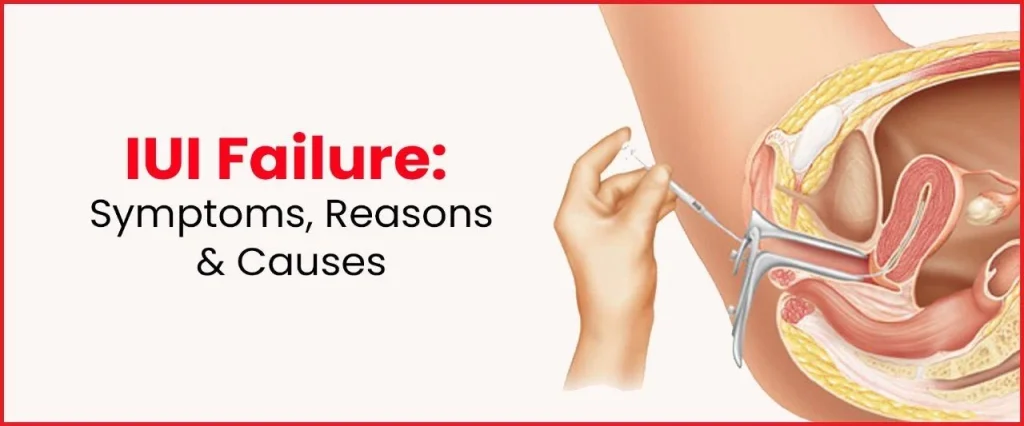
    illustration of IUI procedure with text on symptoms, reasons, and causes of IUI failure

    Fertility Coaching vs Fertility Doctors: Which Offers a More Personalized Treatment Plan?

    Another significant difference between fertility coaching and fertility doctors is the level of personalization in treatment plans. Fertility doctors often follow a standardized approach to treatment, which involves prescribing fertility medications and performing procedures based on the individual’s diagnosis. While this approach may be effective for some, it may not work for others. On the other hand, fertility coaches work closely with their clients to develop personalized treatment plans that cater to their specific needs and circumstances. This may include lifestyle changes, stress management techniques, and alternative therapies, in addition to medical treatments.

    Moreover, fertility coaching offers a more supportive and compassionate approach to infertility. Fertility coaches understand the emotional toll that infertility can take on individuals and couples. They provide a safe space for their clients to express their feelings, fears, and frustrations without judgment. Fertility doctors, on the other hand, may not have the time or resources to offer the same level of emotional support as they are primarily focused on the medical aspect of treatment.

    It is also worth noting that fertility coaching and fertility doctors can work together to provide a well-rounded approach to infertility treatment. While fertility doctors focus on the medical interventions, fertility coaches can offer support and guidance throughout the process. This collaboration can be beneficial for individuals and couples who are going through the challenging and often isolating experience of infertility.

    In conclusion, both fertility coaching and fertility doctors offer valuable support and guidance to individuals and couples struggling with infertility. While fertility doctors specialize in medical interventions, fertility coaches provide a more holistic approach to treatment, addressing the emotional, mental, and physical aspects of fertility. Fertility coaching also offers a more personalized treatment plan, taking into account the individual’s specific needs and circumstances. Ultimately, the decision between fertility coaching and fertility doctors depends on the individual’s preferences and needs. However, combining both approaches can be a powerful tool in helping individuals achieve their dream of starting a family.

    In summary, fertility coaching and fertility doctors offer different approaches to treating infertility. Fertility coaching takes a holistic approach, addressing the emotional, mental, and physical aspects of fertility, while fertility doctors primarily focus on medical interventions. Fertility coaching also offers a more personalized treatment plan and a supportive, compassionate approach to infertility. Combining both approaches can be beneficial for individuals and couples struggling with infertility.

  • Alternative Medicine for Male and Female Factor Infertility: Examining the Benefits and Risks

    Blog Post Title: Alternative Medicine for Male and Female Factor Infertility: Examining the Benefits and Risks

    Infertility is a common issue that affects millions of couples worldwide. While there are various medical treatments available, alternative medicine has gained popularity as a potential solution for both male and female factor infertility. Alternative medicine encompasses a wide range of practices and treatments, including herbal remedies, acupuncture, and mind-body techniques. In this blog post, we will explore the benefits and risks of alternative medicine for male and female factor infertility.

    Benefits of Alternative Medicine for Infertility

    1. Natural and Non-Invasive Approach

    One of the main benefits of alternative medicine is that it takes a natural and non-invasive approach to treating infertility. Many medical treatments for infertility involve invasive procedures and medications, which can be daunting and overwhelming for couples. Alternative medicine, on the other hand, focuses on using natural remedies and techniques to stimulate the body’s natural healing abilities.

    2. Improved Overall Health

    Alternative medicine approaches infertility by looking at the whole person, not just the symptoms. This means that the treatment not only addresses infertility but also aims to improve overall health and well-being. For instance, herbal remedies and acupuncture can help regulate hormone levels, reduce stress, and improve the function of the reproductive organs. By addressing underlying health issues, alternative medicine can improve the chances of conceiving naturally.

    3. Personalized Treatment Plans

    Alternative medicine for infertility takes a personalized approach to each individual’s needs. Unlike traditional medical treatments, which often follow a one-size-fits-all approach, alternative medicine practitioners take the time to understand the unique factors contributing to a couple’s infertility. This allows for a more tailored treatment plan that can address specific issues and increase the chances of success.

    4. Lower Cost

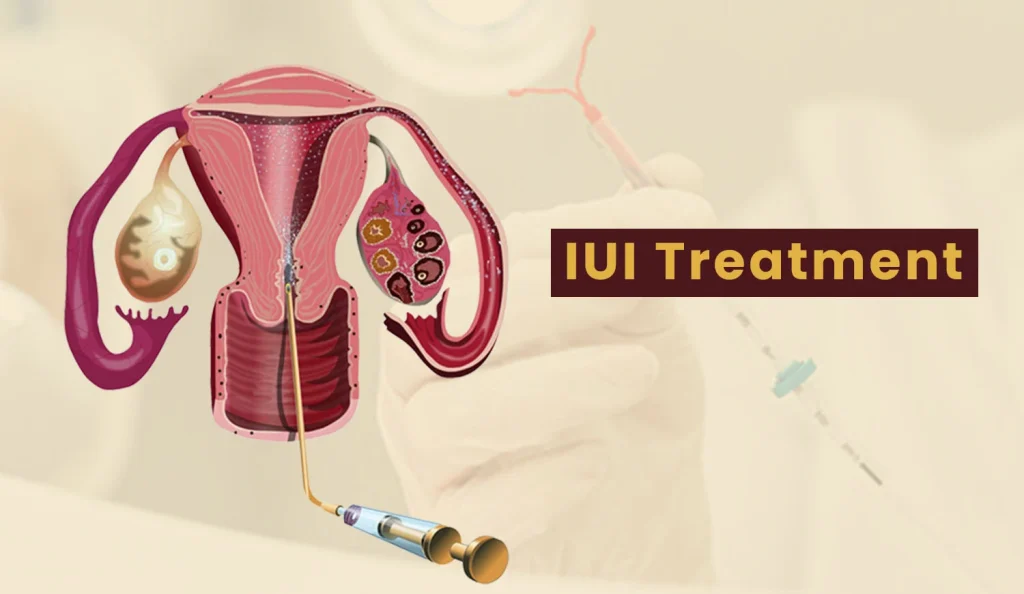
    illustration of the uterus and ovaries with a syringe, labeled "IUI Treatment" in the background

    Alternative Medicine for Male and Female Factor Infertility: Examining the Benefits and Risks

    Infertility treatments can be incredibly expensive, and for many couples, the cost is a significant barrier to seeking medical help. Alternative medicine, however, can be a more affordable option. Herbal remedies, for example, can be purchased at a fraction of the cost of prescription medications. Additionally, many alternative medicine practices, such as acupuncture, can be covered by insurance, making it a more accessible option for couples struggling with infertility.

    Risks of Alternative Medicine for Infertility

    1. Lack of Scientific Evidence

    One of the main concerns with alternative medicine is the lack of scientific evidence to support its effectiveness. While some studies have shown promising results, there is still a lack of large-scale, well-designed studies to prove the efficacy of alternative medicine for infertility. This can make it difficult for couples to determine which alternative treatments may be beneficial and which ones are not worth pursuing.

    2. Interactions with Medications

    If you are currently undergoing medical treatments for infertility, it is essential to consult with your doctor before trying alternative medicine. Certain herbs and supplements may interact with medications, leading to potential side effects or reducing the effectiveness of the prescribed treatment. It is crucial to inform your doctor of any alternative treatments you are considering to avoid any potential complications.

    3. Delaying Effective Treatment

    While alternative medicine can be beneficial for some couples, it is essential to recognize that it may not be the right solution for everyone. If alternative medicine is pursued without success, it may delay seeking more effective medical treatments, which could ultimately reduce the chances of conceiving. It is crucial to consult with a medical professional and explore all options before committing to alternative medicine as a primary treatment for infertility.

    4. Potential Side Effects

    Just like any treatment, there is always the risk of side effects with alternative medicine. While herbal remedies and acupuncture are generally safe, some individuals may experience adverse reactions, such as allergic reactions or interactions with other medications. It is essential to research and consult with a healthcare professional before trying any alternative medicine treatments to minimize the risk of side effects.

    In summary, alternative medicine for male and female factor infertility can offer several benefits, such as a natural and non-invasive approach, improved overall health, personalized treatment plans, and lower costs. However, it is essential to consider the potential risks, including the lack of scientific evidence, interactions with medications, delaying effective treatment, and potential side effects. It is crucial to consult with a healthcare professional and thoroughly research any alternative medicine treatments before pursuing them to increase the chances of success.

  • The Role of Genetics in Male and Female Factor Infertility Treatments

    Blog Post:

    Infertility is a common issue that affects many couples around the world. It is estimated that 1 in 8 couples struggle with infertility, and while there are many factors that can contribute to this condition, genetics play a significant role. In fact, studies have shown that genetics account for about 30% of all infertility cases.

    When it comes to male and female factor infertility, genetics can play a role in both. In this blog post, we will take a closer look at the role of genetics in male and female factor infertility treatments.

    Male Factor Infertility and Genetics:

    Male factor infertility refers to any fertility issue that is caused by problems with the male partner’s reproductive system. This can include low sperm count, poor sperm motility, or abnormal sperm shape. In many cases, these issues can be attributed to genetics.

    One of the main ways genetics can affect male infertility is through the Y chromosome. The Y chromosome is responsible for male sexual development, and any mutations or abnormalities in this chromosome can lead to fertility problems. For example, a deletion or duplication of genetic material on the Y chromosome can result in conditions like Klinefelter syndrome or Y chromosome microdeletions, both of which can cause male factor infertility.

    Another genetic factor that can contribute to male infertility is the presence of certain gene mutations. These mutations can impact sperm production, sperm motility, and sperm quality, all of which can affect a man’s fertility. Some of the genes that have been linked to male infertility include the CFTR gene, which is associated with cystic fibrosis, and the FSHR gene, which is involved in regulating sperm production.

    Female Factor Infertility and Genetics:

    Similarly, genetics also play a significant role in female factor infertility. In women, genetic factors can impact ovulation, the health of the eggs, and the overall function of the reproductive system.

    One of the most well-known genetic causes of female infertility is a condition called polycystic ovary syndrome (PCOS). This condition affects about 10% of women and is caused by an imbalance of hormones. Women with PCOS often have irregular or absent ovulation, making it difficult to conceive.

    Another genetic factor that can contribute to female infertility is chromosomal abnormalities. These can include conditions like Turner syndrome, in which a woman is missing one X chromosome, or Fragile X syndrome, which can cause early menopause. These abnormalities can affect a woman’s fertility by impacting hormone levels, egg quality, and the overall functioning of the reproductive system.

    diagram of the female reproductive system with an IUI syringe and test tube for artificial insemination

    The Role of Genetics in Male and Female Factor Infertility Treatments

    Genetic Testing in Infertility Treatments:

    With the advances in technology, genetic testing has become an essential tool in infertility treatments. Genetic testing allows doctors to identify any genetic issues that may be causing infertility and develop a more personalized treatment plan.

    In male factor infertility, genetic testing can help identify any chromosomal abnormalities or gene mutations that may be impacting sperm production or quality. This information can then be used to determine the best course of treatment, such as assisted reproductive techniques like intracytoplasmic sperm injection (ICSI).

    For female factor infertility, genetic testing can help identify conditions like PCOS or chromosomal abnormalities that may be affecting a woman’s fertility. This information can be used to guide treatment options, such as fertility medications or in vitro fertilization (IVF).

    In some cases, genetic testing can also help identify underlying conditions that may be causing both male and female infertility. For example, certain genetic conditions like cystic fibrosis or sickle cell disease can affect both partners and may require additional treatment considerations.

    The Future of Genetics in Infertility Treatments:

    As our understanding of genetics continues to advance, so do our treatment options for infertility. One of the most promising developments is the use of gene editing technology, like CRISPR, to correct genetic mutations that may be causing infertility. This technology has the potential to revolutionize infertility treatments and offer hope to many couples struggling to conceive.

    However, ethical concerns and the need for further research and development still surround this technology. As of now, gene editing is not widely used in infertility treatments, but it could become a more common practice in the future.

    In conclusion, genetics play a crucial role in male and female factor infertility. By understanding the genetic factors that contribute to infertility, doctors can develop more effective and personalized treatment plans for couples. With the continued advancement of technology and research, the future of genetics in infertility treatments looks promising, offering hope to those struggling to start a family.

    Summary:

    Infertility affects many couples worldwide, and genetics play a significant role in both male and female factor infertility. Genetic factors such as mutations on the Y chromosome and gene mutations can cause male factor infertility, while conditions like PCOS and chromosomal abnormalities can contribute to female factor infertility. Genetic testing has become an essential tool in infertility treatments, allowing doctors to develop personalized treatment plans. The future of genetics in infertility treatments looks promising, with the potential use of gene editing technology to correct genetic mutations.

  • The Benefits of Professional Monitoring: Clinic Intrauterine Insemination

    Blog Post:

    Intrauterine insemination (IUI) is a fertility treatment that involves placing sperm directly into a woman’s uterus to increase the chances of pregnancy. This procedure can be done at a clinic with the help of professional monitoring, which involves closely monitoring the woman’s fertility cycle and ensuring that the IUI is done at the most optimal time. While some couples may opt for at-home insemination, there are many benefits to seeking professional monitoring for clinic IUI. In this blog post, we will delve into the various advantages of professional monitoring for clinic IUI.

    1. Accurate Timing

    One of the main benefits of professional monitoring for clinic IUI is the accurate timing of the procedure. In order for IUI to be successful, the sperm needs to be placed in the uterus at the exact time of ovulation. This can be difficult to determine without the help of professional monitoring. Fertility specialists will use various methods such as blood tests, ultrasounds, and ovulation predictor kits to accurately pinpoint the time of ovulation. This ensures that the IUI is done at the most optimal time, increasing the chances of success.

    2. Increased Success Rates

    With accurate timing comes increased success rates for clinic IUI. When the IUI is done at the most optimal time, the chances of the sperm successfully fertilizing the egg are significantly higher. This is especially important for couples who have been struggling with infertility, as every opportunity for pregnancy counts. Professional monitoring also allows for adjustments to be made if the first attempt is unsuccessful, increasing the chances of success in subsequent attempts.

    3. Monitoring for Potential Complications

    During the fertility cycle, there may be potential complications that can impact the success of IUI. These can include issues with ovulation, the thickness of the uterine lining, or the quality of the sperm. With professional monitoring, these potential complications can be identified and addressed before the IUI procedure. This not only increases the chances of success but also ensures the safety of the woman and any potential pregnancy.

    4. Personalized Treatment Plans

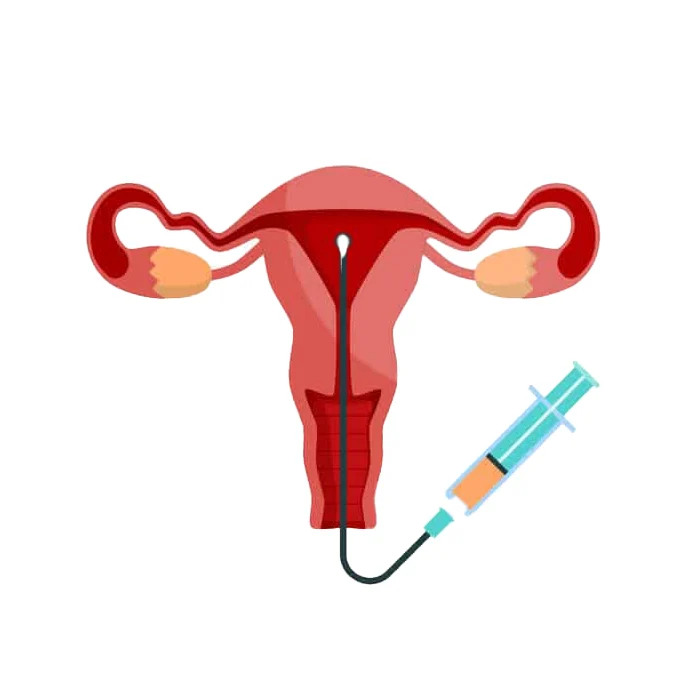
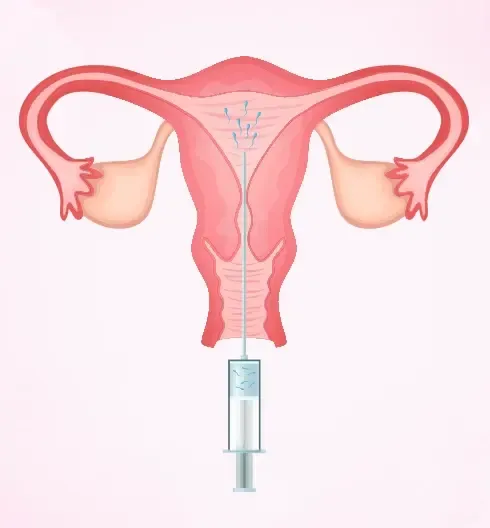
    illustration of a uterus with a syringe for intrauterine insemination (IUI) procedure

    The Benefits of Professional Monitoring: Clinic Intrauterine Insemination

    Every woman’s fertility journey is unique, and professional monitoring allows for personalized treatment plans to be created. Fertility specialists will take into account factors such as age, medical history, and any underlying conditions to create a treatment plan that is tailored to the individual’s needs. This personalized approach can lead to better outcomes and a more positive experience for the patient.

    5. Emotional Support

    Going through fertility treatments can be an emotional rollercoaster for couples. Professional monitoring offers emotional support from fertility specialists who understand the challenges and emotions that come with trying to conceive. They can provide guidance, reassurance, and a listening ear throughout the process. This can make a significant difference in the overall experience for couples undergoing clinic IUI.

    6. Access to Advanced Techniques

    Professional monitoring for clinic IUI also opens up the possibility of using advanced techniques. For example, if a woman has a low ovarian reserve, fertility specialists may recommend using intrauterine insemination with donor sperm (IUI-D) to increase the chances of pregnancy. This technique is not possible with at-home insemination and can only be done with professional monitoring at a clinic.

    7. Increased Safety

    At-home insemination carries a higher risk of infection as it is not done under sterile conditions. With professional monitoring at a clinic, IUI is performed in a sterile environment, reducing the risk of infection. Additionally, fertility specialists are trained and experienced in performing IUI, ensuring the procedure is done safely and accurately.

    Summary:

    Professional monitoring for clinic IUI offers many benefits, including accurate timing, increased success rates, personalized treatment plans, emotional support, access to advanced techniques, and increased safety. With the help of fertility specialists, couples can increase their chances of success in achieving pregnancy while also receiving personalized care and emotional support throughout the process.

  • The Benefits of Traditional Medicine in Holistic Fertility Care

    Traditional medicine has been practiced for centuries and has been proven effective in treating various ailments, including fertility issues. In recent years, there has been a growing trend towards holistic and natural approaches to fertility care, and traditional medicine has been at the forefront of this movement. Many couples struggling with fertility issues have turned to traditional medicine as a way to enhance their chances of conceiving. In this blog post, we will explore the benefits of traditional medicine in holistic fertility care.

    Before we delve into the benefits of traditional medicine, it is important to define what it encompasses. Traditional medicine refers to the use of natural and plant-based remedies, as well as ancient healing practices, to treat illnesses and promote overall well-being. This approach to medicine is based on the idea that the body has the ability to heal itself when given the right tools and support.

    One of the main benefits of traditional medicine in fertility care is its holistic approach. Traditional medicine focuses on treating the whole person, not just the symptoms or the specific health issue. This means that when treating fertility issues, traditional medicine takes into consideration the physical, mental, and emotional aspects of the person. This approach is crucial in fertility care as it recognizes that factors such as stress, diet, and lifestyle can greatly impact a person’s ability to conceive.

    Another benefit of traditional medicine in fertility care is its focus on natural and plant-based remedies. These remedies are often gentler and have fewer side effects compared to pharmaceutical drugs. In traditional medicine, plants and herbs are used to support and nourish the body, rather than simply masking the symptoms. For example, certain herbs like chaste tree and red raspberry leaf are known to regulate hormones and improve overall reproductive health, making them valuable tools in fertility care.

    In addition to using natural remedies, traditional medicine also emphasizes the importance of a healthy and balanced diet. A nutritious and well-rounded diet can help improve fertility by providing the body with the necessary nutrients for reproductive health. Traditional medicine also promotes the use of specific foods and herbs that are known to have fertility-boosting properties. For instance, maca root, a traditional Peruvian superfood, has been shown to improve sperm quality and increase fertility in both men and women.

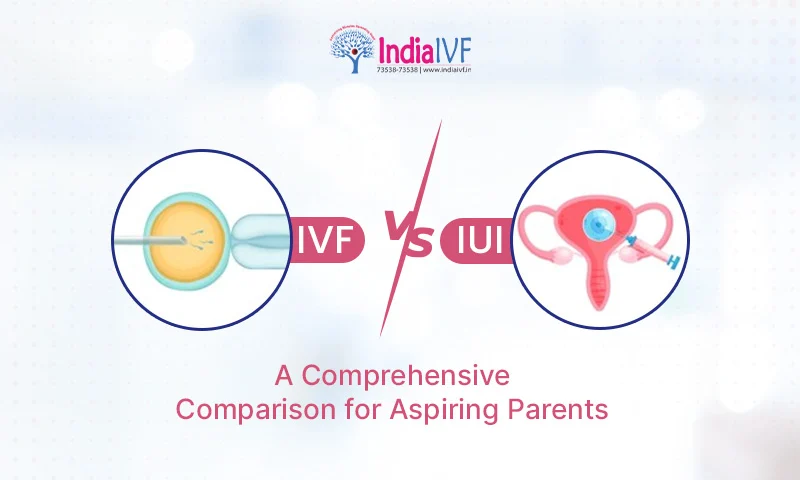
    IVF vs IUI comparison graphic highlighting reproductive methods for aspiring parents.

    The Benefits of Traditional Medicine in Holistic Fertility Care

    Apart from its focus on natural remedies and a healthy diet, traditional medicine also offers several other benefits in fertility care. One of these is its ability to address underlying issues that may be contributing to infertility. Traditional medicine practitioners take a comprehensive approach in their diagnosis and treatment, looking beyond just the symptoms to identify the root cause of the problem. This can be especially beneficial for couples who have been struggling with unexplained infertility.

    Moreover, traditional medicine also offers personalized and individualized treatment plans. Each person’s body is unique, and what works for one person may not work for another. Traditional medicine recognizes this and tailors treatment plans to meet the specific needs of each individual. This approach can be particularly helpful in fertility care as each person’s fertility journey is different and may require different treatment strategies.

    In addition to its numerous benefits, traditional medicine also promotes a more patient-centered approach to fertility care. Unlike conventional medicine, which often relies on quick fixes and standardized treatment protocols, traditional medicine takes the time to understand a person’s medical history, lifestyle, and personal goals. This allows for a more collaborative and empowering experience for the patient, as they are actively involved in their own healing process.

    In conclusion, traditional medicine offers numerous benefits in holistic fertility care. Its focus on treating the whole person, use of natural remedies, emphasis on a healthy diet, ability to address underlying issues, personalized treatment plans, and patient-centered approach make it a valuable tool in enhancing fertility. For those struggling with fertility issues, traditional medicine may offer a natural, safe, and effective solution.

    In summary, traditional medicine offers a holistic approach to fertility care by treating the whole person and addressing underlying issues. Its use of natural remedies and focus on a healthy diet make it a safe and effective option for couples trying to conceive. Personalized treatment plans and a patient-centered approach also make traditional medicine a valuable tool in enhancing fertility.

  • The Importance of Finding the Right Doctor for Male and Female Infertility Treatments

    Blog Post Title: The Importance of Finding the Right Doctor for Male and Female Infertility Treatments

    Summary:
    Infertility is a common issue that affects both men and women, and it can be an emotionally and physically challenging journey for couples who are trying to conceive. In many cases, seeking help from a fertility specialist is necessary in order to overcome infertility. However, finding the right doctor for male and female infertility treatments is crucial for a successful and personalized treatment plan. In this blog post, we will discuss the importance of finding the right doctor for infertility treatments and the key factors to consider when choosing one.

    First and foremost, infertility is not just a physical condition, but it also has a significant impact on one’s mental and emotional well-being. Therefore, it is essential to find a fertility specialist who is not only knowledgeable and experienced but also compassionate and understanding. A good doctor will not only provide medical expertise but also offer emotional support and guidance throughout the treatment process.

    When it comes to fertility treatments, there is no one-size-fits-all approach. Each individual or couple may have different underlying causes of infertility, and it is crucial to find a doctor who will take the time to understand each patient’s unique situation. A good fertility doctor will conduct a thorough evaluation of the patients’ medical history, perform necessary tests, and provide a personalized treatment plan tailored to their specific needs.

    Moreover, the success rates of fertility treatments heavily depend on the skills and expertise of the doctor. It is essential to choose a fertility specialist who has extensive experience and a proven track record of success in treating both male and female infertility. They should also be up-to-date with the latest advancements and techniques in fertility treatment to offer the best possible care to their patients.

    Illustration of a uterus with a syringe indicating an intrauterine insemination procedure.

    The Importance of Finding the Right Doctor for Male and Female Infertility Treatments

    Another crucial factor to consider when choosing a fertility doctor is the type of treatments they offer. Some doctors may specialize in a particular type of fertility treatment, while others may offer a comprehensive range of options. It is essential to find a doctor who offers a variety of treatments and is open to discussing all available options to find the best fit for the patient’s needs and preferences.

    Communication is also key in the patient-doctor relationship, especially when it comes to fertility treatments. It is vital to choose a doctor who is an effective communicator and is willing to answer any questions and address any concerns that the patient may have. They should also be transparent about the treatment process, potential risks and side effects, and the chances of success.

    Moreover, fertility treatments can be expensive, and it is essential to find a doctor who is transparent about the costs involved. A good fertility specialist will discuss the costs and any potential additional expenses upfront, allowing patients to plan and budget accordingly. They should also be willing to work with the patient’s insurance provider to maximize insurance coverage and minimize out-of-pocket expenses.

    In addition to the above factors, it is also crucial to consider the location and accessibility of the fertility doctor’s clinic. Fertility treatments often require multiple visits and procedures, and it is vital to find a clinic that is conveniently located and easily accessible for the patient.

    In conclusion, finding the right doctor for male and female infertility treatments is crucial for a successful and personalized treatment plan. It is essential to choose a doctor who is not only knowledgeable and experienced but also compassionate and understanding. They should also offer a variety of treatments, have a proven track record of success, and be an effective communicator. By considering all these factors, couples can find a fertility specialist who can help them navigate through the challenges of infertility and achieve their dream of starting a family.