Tag: personalized care.

  • Fertility Clinics vs Hospitals: Which Has Better Options for Egg Freezing?

    Blog Post:

    Egg freezing, also known as oocyte cryopreservation, is a process in which a woman’s eggs are extracted, frozen, and stored for future use. This procedure has gained popularity in recent years as more women are choosing to delay starting a family for various reasons such as career advancement, financial stability, or personal reasons. As a result, fertility clinics and hospitals have started to offer egg freezing services to meet the growing demand. However, the question remains: which option has better options for egg freezing – fertility clinics or hospitals? In this blog post, we will explore the differences between the two and help you decide which option is best for you.

    Fertility Clinics: Specialized Expertise and Personalized Care

    Fertility clinics are specialized centers that focus solely on reproductive health and fertility treatments. They have a team of experts, including reproductive endocrinologists, fertility specialists, embryologists, and nurses, who are trained and experienced in all aspects of egg freezing. Fertility clinics offer a wide range of services, including fertility testing, egg retrieval, and embryo freezing.

    The primary advantage of choosing a fertility clinic for egg freezing is the specialized expertise they offer. These clinics have years of experience and expertise in reproductive health and fertility treatments, making them the ideal choice for women looking to preserve their fertility. They have state-of-the-art equipment and advanced techniques to ensure the best outcomes for their patients.

    Moreover, fertility clinics offer personalized care to their patients. They understand that every woman’s fertility journey is unique, and they tailor their treatment plans accordingly. This personalized approach allows for better communication between the patient and the fertility team, leading to a more comfortable and stress-free experience.

    Hospitals: Comprehensive Care and Higher Risk Patients

    On the other hand, hospitals are medical facilities that offer a wide range of healthcare services, including fertility treatments. While they may not specialize in reproductive health, they have the necessary equipment and expertise to provide egg freezing services.

    One of the main advantages of choosing a hospital for egg freezing is the comprehensive care they offer. As hospitals have various departments and specialties, they can provide additional services such as psychological counseling, nutrition counseling, and genetic testing. These services can be beneficial for women who may have underlying medical or genetic conditions that could affect their fertility.

    Hospitals also have the resources to cater to higher risk patients, such as women with cancer or other medical conditions. These patients may require more extensive monitoring and specialized care, which a hospital can provide.

    comparison of IUI and IVF procedures illustrated with simple graphics and labels

    Fertility Clinics vs Hospitals: Which Has Better Options for Egg Freezing?

    Cost Comparison

    Cost is a significant factor when considering egg freezing, and it is often more expensive than traditional fertility treatments. Fertility clinics typically have a higher cost for egg freezing services compared to hospitals. This is because of the specialized care and expertise they offer. However, it is essential to consider that fertility clinics are more likely to have success rates for egg freezing, making the cost worth it in the long run.

    Hospitals, on the other hand, may have lower costs for egg freezing, but they may not have the same level of expertise and success rates as fertility clinics. It is crucial to consider the risks and potential outcomes when making a decision solely based on cost.

    Factors to Consider When Choosing Between Fertility Clinics and Hospitals

    When making a decision between fertility clinics and hospitals for egg freezing, there are several factors to consider:

    1. Expertise and Success Rates: Fertility clinics have specialized expertise in reproductive health and high success rates for egg freezing. Hospitals may not have the same level of expertise or success rates, but they can cater to higher risk patients.

    2. Personalized Care: Fertility clinics offer personalized care and a more intimate experience, compared to hospitals, which have a more clinical setting.

    3. Additional Services: Hospitals have the resources to offer additional services such as psychological counseling and genetic testing, which may be beneficial for some patients.

    4. Cost: Fertility clinics tend to have a higher cost for egg freezing compared to hospitals. However, it is essential to consider the success rates and long-term outcomes when making a decision based on cost.

    In summary, both fertility clinics and hospitals offer egg freezing services, but they have their unique differences. Fertility clinics provide specialized expertise, personalized care, and higher success rates, while hospitals offer comprehensive care and cater to higher risk patients. Ultimately, the decision depends on the individual’s needs, preferences, and budget.

    In conclusion, choosing between fertility clinics and hospitals for egg freezing is a personal decision and should be based on individual circumstances. Both options have their advantages and offer quality care, but it is crucial to consider factors such as expertise, success rates, personalized care, and cost when making a decision. Consulting with a fertility specialist and doing thorough research can help you make an informed decision and choose the best option for your needs.
  • Fertility Clinics vs Hospitals: Which is More LGBTQ+ Friendly?

    Blog Post:

    The LGBTQ+ community has faced discrimination and challenges when it comes to accessing healthcare, including fertility treatments. For couples and individuals in the LGBTQ+ community who are looking to start a family, choosing the right fertility clinic or hospital is crucial. In this blog post, we will explore the differences between fertility clinics and hospitals, and which one may be more LGBTQ+ friendly.

    Fertility Clinics: Specialized Care for Assisted Reproduction

    Fertility clinics are specialized medical facilities that provide services related to assisted reproduction, including in vitro fertilization (IVF), intrauterine insemination (IUI), and egg or sperm donation. These clinics have a team of reproductive endocrinologists, fertility specialists, and other medical professionals who are trained in treating infertility.

    One of the main advantages of fertility clinics is their expertise in assisted reproduction. LGBTQ+ couples and individuals may have unique needs when it comes to fertility treatments, and fertility clinics have the experience and knowledge to address these needs. They also have the latest technology and equipment to help patients achieve their desired results.

    Moreover, fertility clinics tend to have a more personalized approach to care. As they focus solely on fertility treatments, they have the time and resources to provide individualized attention to each patient. This can be especially beneficial for LGBTQ+ patients who may have specific concerns or require additional support throughout their fertility journey.

    LGBTQ+ Friendly Initiatives in Fertility Clinics

    Many fertility clinics have taken steps to become more LGBTQ+ friendly. For example, some clinics have staff who are trained in LGBTQ+ health issues and are sensitive to the unique needs of the community. They may also have resources and support groups specifically for LGBTQ+ patients.

    Additionally, some fertility clinics have policies in place that explicitly state their commitment to providing care to LGBTQ+ patients. These policies may include non-discrimination clauses and may ensure that LGBTQ+ individuals and couples are treated with respect and dignity.

    However, it is essential to note that not all fertility clinics are created equal. It is crucial to do thorough research and ask questions when choosing a fertility clinic to ensure they are truly LGBTQ+ friendly.

    Hospitals: Comprehensive Medical Care for All

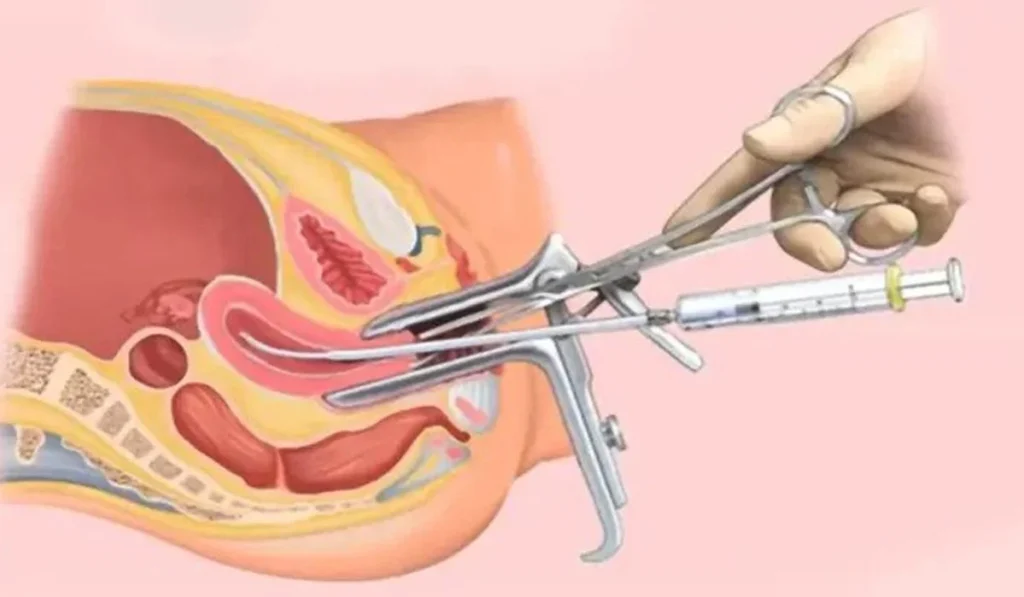
    illustration of an intrauterine insemination procedure with medical instruments and anatomical details

    Fertility Clinics vs Hospitals: Which is More LGBTQ+ Friendly?

    Hospitals, on the other hand, are larger medical facilities that provide a wide range of medical services, including fertility treatments. Unlike fertility clinics, hospitals are not specialized in reproductive medicine. However, they have a team of medical professionals trained in various specialties, including obstetrics and gynecology.

    One of the main advantages of hospitals is their comprehensive care. They can provide a wide range of medical services, including prenatal care and delivery, which can be beneficial for LGBTQ+ patients looking to start a family. Hospitals also have the resources to handle any potential complications that may arise during fertility treatments.

    Moreover, hospitals may be more accessible for LGBTQ+ patients who may also require other medical services. For example, transgender individuals may need hormone therapy or gender-affirming surgeries, which hospitals can provide in addition to fertility treatments.

    LGBTQ+ Friendly Initiatives in Hospitals

    Similar to fertility clinics, hospitals have also taken steps to become more LGBTQ+ friendly. Many hospitals have LGBTQ+ health clinics or programs that provide specialized care to the community. They may also have policies in place that protect LGBTQ+ patients from discrimination.

    However, due to their size and focus on multiple medical services, hospitals may not have the same level of expertise or personalized care as fertility clinics when it comes to fertility treatments. LGBTQ+ patients may also face challenges in finding a hospital that is explicitly LGBTQ+ friendly, as not all hospitals have implemented these initiatives.

    Which One is More LGBTQ+ Friendly?

    When it comes to choosing between fertility clinics and hospitals, there is no one right answer. Both have their strengths and can provide quality care to LGBTQ+ patients. However, it is crucial to do thorough research and ask questions to ensure that the chosen facility is genuinely LGBTQ+ friendly.

    Some factors to consider when making this decision may include the expertise of the medical team, the availability of specialized resources and support, and the facility’s policies and initiatives towards LGBTQ+ patients. It is also important to consider personal preferences and individual needs when making this decision.

    In conclusion, both fertility clinics and hospitals can provide quality care to LGBTQ+ patients seeking fertility treatments. However, it is essential to choose a facility that is truly LGBTQ+ friendly and can meet the unique needs of the community.

    Summary:

    The LGBTQ+ community faces discrimination and challenges when accessing healthcare, including fertility treatments. Choosing between fertility clinics and hospitals can be crucial for LGBTQ+ individuals and couples looking to start a family. Fertility clinics offer specialized care for assisted reproduction, while hospitals provide comprehensive medical care for all. Both have their strengths, and it is essential to consider factors such as expertise, resources, and policies when choosing a facility. It is crucial to do thorough research and ask questions to ensure that the chosen facility is genuinely LGBTQ+ friendly.

  • Fertility Clinics vs Hospitals: Which Offers a More Comfortable Environment?

    Fertility Clinics vs Hospitals: Which Offers a More Comfortable Environment?

    When it comes to fertility treatments, choosing the right environment can make a big difference in the overall experience. For many people, the thought of going to a hospital can be intimidating and stressful, while fertility clinics are often seen as more warm and welcoming. But which option truly offers a more comfortable environment? In this blog post, we will delve into the differences between fertility clinics and hospitals, and explore the pros and cons of each when it comes to providing a comfortable setting for patients.

    Fertility Clinics: A Personalized and Supportive Atmosphere

    Fertility clinics are specialized medical facilities that focus solely on reproductive health and helping people conceive. They offer a more intimate and personal environment, where patients can receive individualized care and support throughout their fertility journey. From the moment you walk in, you are greeted by a welcoming and warm atmosphere, often with soothing decor and comfortable waiting areas.

    One of the main advantages of fertility clinics is the personalized approach to treatment. Each patient’s case is unique, and fertility clinics are equipped to cater to individual needs. The doctors and staff take the time to get to know their patients, listen to their concerns, and address any questions they may have. This level of personalized care can help alleviate the stress and anxiety that often comes with fertility treatments.

    Moreover, fertility clinics are often smaller and more intimate compared to hospitals. This allows for a more supportive and close-knit environment. Patients can build relationships with their doctors and nurses, and feel more comfortable discussing their concerns and fears. This level of support and understanding can make a significant difference in the overall experience of fertility treatments.

    Hospitals: A Clinical and Efficient Setting

    On the other hand, hospitals are large medical facilities that offer a wide range of services, including fertility treatments. While they may have specialized fertility departments, they are not solely focused on reproductive health like fertility clinics. This can often make the atmosphere feel more clinical and less personalized.

    Hospitals are designed to treat a large number of patients and are often busy and bustling with activity. This can be overwhelming for patients, especially those going through the already stressful process of fertility treatments. The waiting areas can be crowded, and the overall environment may feel cold and sterile.

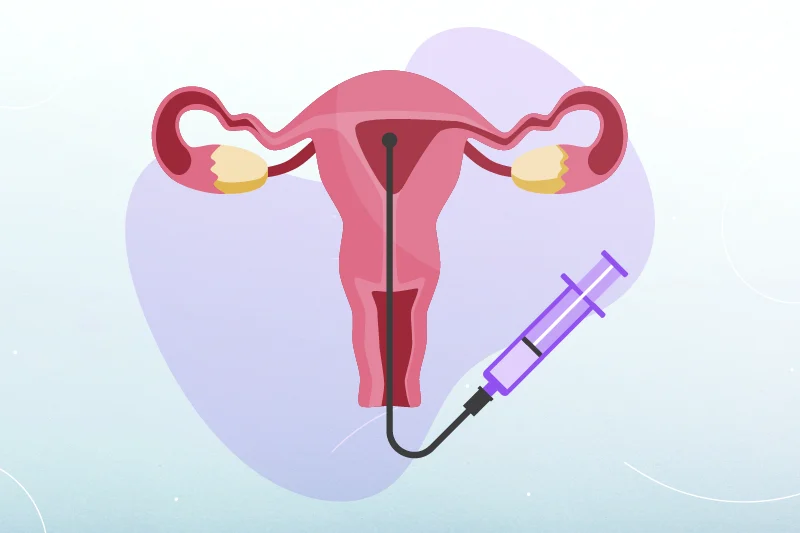
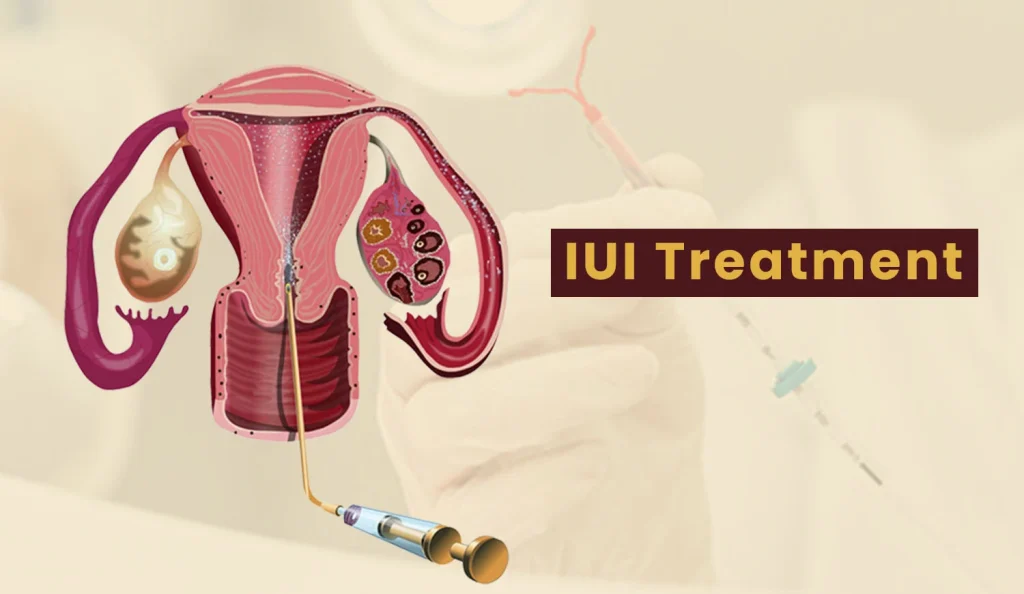
    illustration of the uterus and ovaries with a syringe, labeled "IUI Treatment" in the background

    Fertility Clinics vs Hospitals: Which Offers a More Comfortable Environment?

    Another factor to consider is the efficiency of hospitals. As they cater to a wide range of medical needs, appointments and procedures may be scheduled back-to-back, making it challenging to provide individualized attention to each patient. This can lead to longer wait times and less time spent with doctors, which can be frustrating for patients who are seeking personalized care and support.

    The Pros and Cons of Each Option

    Both fertility clinics and hospitals have their unique pros and cons when it comes to providing a comfortable environment for patients. Fertility clinics offer a more personalized and supportive atmosphere, while hospitals may be more efficient and offer access to a wider range of services.

    Fertility clinics have a specialized focus on reproductive health, which can make patients feel more comfortable and understood. They also tend to have smaller waiting areas and a more intimate setting, which can help alleviate stress and anxiety. However, they may have limitations when it comes to offering certain medical procedures or treatments, which may require patients to go to a hospital.

    On the other hand, hospitals have the resources and equipment to provide a wide range of fertility treatments. This can be beneficial for patients who require more complex procedures or have underlying medical conditions. However, the clinical and busy environment may not be as comforting for patients, and the lack of personalized care can be a drawback.

    Which Option is Best for You?

    Ultimately, the choice between a fertility clinic and a hospital will depend on your personal preferences and specific medical needs. If you value personalized care and support, and your fertility treatments do not require complex procedures, a fertility clinic may be the best option for you. On the other hand, if you have underlying medical conditions or require more advanced treatments, a hospital may be the better choice.

    It’s essential to do your research and consult with your doctor to determine which option is the best fit for you. Keep in mind that the most important factor is receiving the best possible care and support to help you achieve your dream of starting a family.

    In conclusion, both fertility clinics and hospitals have their advantages and drawbacks when it comes to providing a comfortable environment for patients. While fertility clinics offer a more personalized and supportive atmosphere, hospitals have the resources to provide a wider range of treatments. The key is to find a facility that meets your individual needs and makes you feel comfortable and supported throughout your fertility journey.

  • Fertility Clinics vs Hospitals: Which Has a Better Staff-to-Patient Ratio?

    Blog Post:

    Fertility clinics and hospitals are two common options for individuals and couples seeking treatment for fertility issues. While both offer medical services and treatments for fertility, there are some key differences between the two types of facilities. One important aspect to consider when choosing between a fertility clinic and a hospital is the staff-to-patient ratio. In this blog post, we will explore the differences in staff-to-patient ratio between fertility clinics and hospitals, and discuss which option may have a better ratio for providing quality care.

    Fertility Clinics:

    Fertility clinics are specialized facilities that offer a range of treatments and services for individuals and couples struggling with fertility issues. These clinics typically have a smaller staff, consisting of fertility specialists, nurses, and support staff. The staff at fertility clinics are highly trained and experienced in the field of reproductive medicine, with a focus on helping patients achieve successful pregnancies.

    One of the advantages of fertility clinics is their smaller size, which allows for a more personalized and individualized approach to patient care. With a smaller staff-to-patient ratio, patients are able to receive more one-on-one attention and care from their medical team. This can be especially beneficial for patients who may have complex or unique fertility issues.

    Another benefit of fertility clinics is their specialized focus on fertility treatments. Unlike hospitals, where fertility treatments may be just one of many services offered, fertility clinics are solely dedicated to helping patients overcome fertility challenges. This focused approach can result in a higher level of expertise and success rates for patients seeking fertility treatment.

    Hospitals:

    Comparison of IUI and IVF with illustrations of each procedure.

    Fertility Clinics vs Hospitals: Which Has a Better Staff-to-Patient Ratio?

    On the other hand, hospitals are larger facilities that offer a range of medical services, including fertility treatments. These facilities have a larger staff, consisting of various medical professionals such as doctors, nurses, and specialists from different fields. While hospitals may have a dedicated fertility department, it is not their main focus and may not have the same level of expertise as a fertility clinic.

    One of the main drawbacks of hospitals is their larger size and patient volume. With a higher number of patients, the staff-to-patient ratio is often higher, which can result in less individualized care for fertility patients. This can also lead to longer wait times for appointments and procedures, which can be frustrating for individuals and couples who are eager to start their fertility journey.

    Additionally, hospitals may have a more generalized approach to fertility treatment, as they are focused on treating a wide range of medical conditions. This can result in less specialized care for fertility patients and potentially lower success rates.

    Which Has a Better Staff-to-Patient Ratio?

    When it comes to the staff-to-patient ratio, fertility clinics have a clear advantage over hospitals. With a smaller staff and patient volume, fertility clinics are able to provide more personalized and individualized care for their patients. This can lead to better communication, shorter wait times, and a higher quality of care overall.

    In comparison, hospitals may struggle to provide the same level of attention and care to fertility patients due to their larger patient volume and more diverse range of medical services. This can result in a lower staff-to-patient ratio and potentially less individualized care for fertility patients.

    Summary:

    Fertility clinics and hospitals are two options for individuals and couples seeking treatment for fertility issues. Fertility clinics have a smaller staff-to-patient ratio, which allows for more personalized and specialized care. On the other hand, hospitals have a larger staff-to-patient ratio due to their larger patient volume and diverse range of medical services. This can result in less individualized care for fertility patients. Overall, fertility clinics may have a better staff-to-patient ratio for providing quality care to patients seeking fertility treatment.

  • Fertility Clinics vs Hospitals: Which is More Personalized?

    Blog Post Title: Fertility Clinics vs Hospitals: Which is More Personalized?

    When it comes to seeking fertility treatment, one of the biggest questions on a person’s mind is whether to go to a fertility clinic or a hospital. Both options offer a range of services and treatments, but the main difference lies in the level of personalized care they provide. In this blog post, we will compare fertility clinics and hospitals, and discuss which one offers a more personalized experience for patients.

    Fertility Clinics: A Personalized Approach
    Fertility clinics are specialized medical facilities that focus solely on helping couples and individuals achieve pregnancy. These clinics are usually run by fertility specialists, who are trained in the diagnosis and treatment of fertility issues. One of the biggest advantages of choosing a fertility clinic is the personalized approach they offer. Since they specialize in fertility treatments, they have a deep understanding of the emotional and physical complexities that come with fertility struggles.

    Fertility clinics also tend to have smaller patient lists, which allows for more one-on-one time with the doctors and staff. This means that patients can have a more personalized experience, with the doctors getting to know them on a deeper level. Fertility specialists also work closely with their patients to develop individualized treatment plans based on their specific needs and medical histories.

    Another factor that adds to the personalized experience at fertility clinics is the availability of advanced technology and procedures. These clinics invest in the latest fertility treatments and equipment, which can make a significant difference in the success rate of treatments. This personalized approach, coupled with advanced technology, can give patients a better chance at achieving a successful pregnancy.

    Hospitals: A Comprehensive Approach
    Hospitals, on the other hand, are larger medical facilities that offer a wide range of services, including fertility treatments. While fertility may not be their main focus, hospitals have the advantage of offering a comprehensive approach to fertility treatment. This means that they have access to a variety of specialists and resources, which can be helpful for those with complex fertility issues.

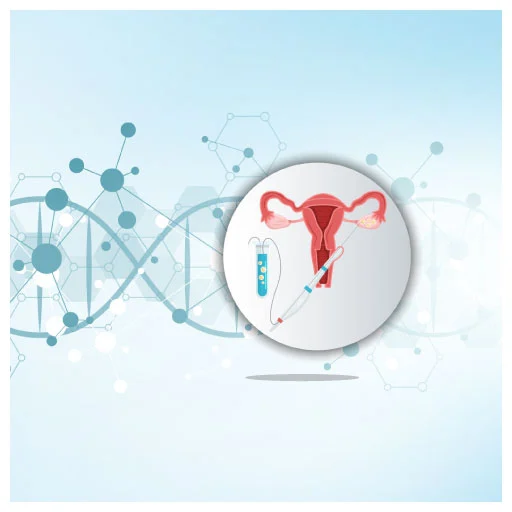
    Illustration of IUI procedure with uterus and syringe against a DNA background.

    Fertility Clinics vs Hospitals: Which is More Personalized?

    One of the main benefits of going to a hospital for fertility treatment is the availability of a multidisciplinary team. This team may include fertility specialists, gynecologists, endocrinologists, and other medical professionals who work together to provide a holistic approach to fertility treatment. This can be beneficial for patients who have underlying health conditions that may affect their fertility.

    Hospitals also have the advantage of offering a wider range of fertility treatments, including more complex procedures such as in vitro fertilization (IVF) and surrogacy. While fertility clinics may specialize in certain treatments, hospitals have the resources to offer a more comprehensive range of options. This can be beneficial for patients who may require more advanced treatments.

    The Importance of Personalized Care in Fertility Treatment
    Fertility struggles can be emotionally and physically draining, and having a personalized approach to treatment can make a significant difference in a patient’s experience. It allows for a deeper understanding of the patient’s needs and concerns, and a more tailored treatment plan. This personalization can also help alleviate some of the stress and anxiety that comes with fertility treatments.

    In addition to personalized care, it’s also essential for patients to feel comfortable and supported during the fertility treatment process. Both fertility clinics and hospitals can offer a range of support services, such as counseling and support groups, to help patients throughout their journey. However, the level of support and personalization may vary between the two options.

    Which is the Better Option?
    Both fertility clinics and hospitals have their own unique advantages and can provide excellent care for patients seeking fertility treatment. Ultimately, the best option will depend on each individual’s specific needs and circumstances. Those who prefer a more personalized approach may find that fertility clinics are the better choice, while others who require more complex treatments may benefit from the resources available at hospitals.

    It’s important for individuals and couples to research and discuss their options with their doctors to determine which option is best for them. No matter which route they choose, the most critical aspect is to find a trusted and experienced medical team who can provide the necessary care and support throughout the fertility treatment process.

    In conclusion, the decision between fertility clinics and hospitals ultimately comes down to the level of personalized care and support that a patient requires. Fertility clinics can offer a more individualized approach, while hospitals have the advantage of a comprehensive team and resources. Whichever option is chosen, the most important factor is finding a supportive and experienced medical team to guide individuals and couples through their fertility journey.

  • Breaking Down the Differences Between Fertility Clinics and Hospitals

    Blog Post:

    When it comes to fertility treatments, there are two main types of medical facilities that people typically turn to: fertility clinics and hospitals. While both of these options serve the purpose of helping individuals and couples achieve their dream of having a child, they differ in many ways. It’s important to understand the differences between fertility clinics and hospitals in order to make an informed decision about which option is best for you.

    Fertility Clinics:

    Fertility clinics are specialized medical facilities that focus solely on reproductive health and fertility treatments. They are staffed with experienced doctors, nurses, and other medical professionals who have extensive knowledge and training in fertility treatments. These clinics offer a wide range of services, including fertility testing, intrauterine insemination (IUI), in vitro fertilization (IVF), and other assisted reproductive technologies.

    One of the main advantages of fertility clinics is their specialized focus on reproductive health. This means that the staff and facilities are specifically designed to cater to the needs of individuals and couples seeking fertility treatments. Fertility clinics also tend to have a more personalized approach to treatment, as they often have a smaller patient load compared to hospitals.

    Another benefit of fertility clinics is their use of cutting-edge technology and techniques. These clinics are often equipped with state-of-the-art equipment and facilities, allowing for more advanced and successful treatments. In addition, fertility clinics tend to have a higher success rate compared to hospitals, as they specialize in reproductive health and have a more targeted approach to treatment.

    On the downside, fertility clinics can be quite expensive, as they are not covered by insurance in many cases. This can be a major barrier for individuals and couples who are struggling with fertility issues. Additionally, fertility clinics may have limited resources and may not be equipped to handle more complex medical conditions or emergencies.

    Hospitals:

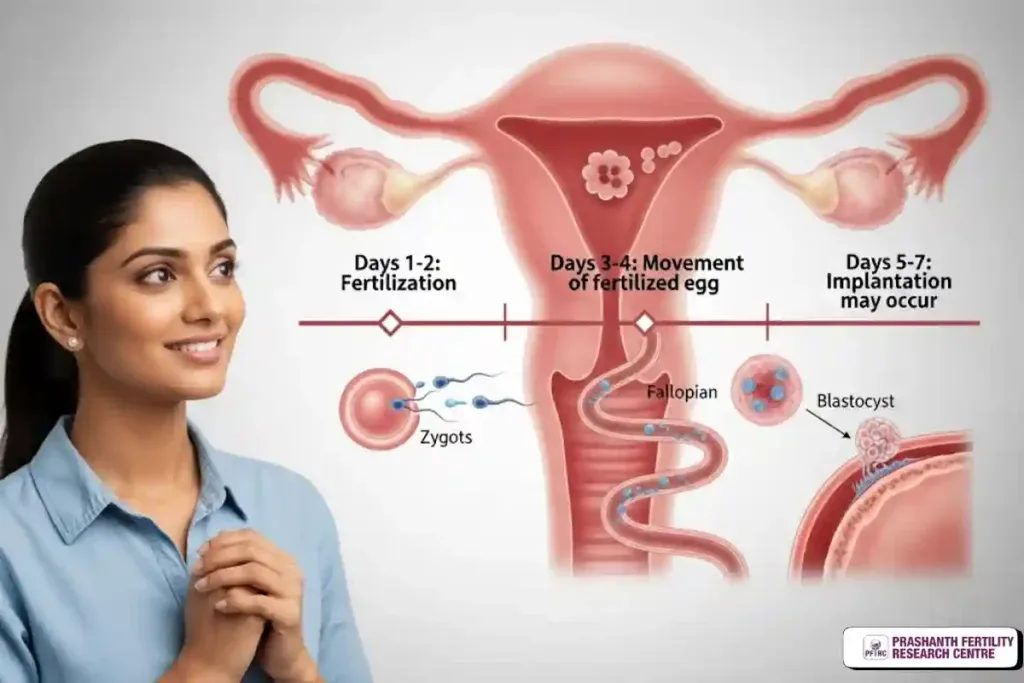
    Illustration showing fertilization and implantation timeline with a woman looking hopeful.

    Breaking Down the Differences Between Fertility Clinics and Hospitals

    Hospitals, on the other hand, are general medical facilities that offer a wide range of medical services, including fertility treatments. They have a larger staff and patient load compared to fertility clinics, and their primary focus is on treating a variety of health conditions, not just reproductive health.

    One of the main advantages of hospitals is their ability to handle more complex medical conditions and emergencies. If you have any underlying health issues that may affect your fertility, a hospital may be a better option for you as they have the resources and expertise to treat these conditions.

    Another benefit of hospitals is that they may be covered by insurance, making them a more affordable option for individuals and couples seeking fertility treatments. This is especially useful for those who require multiple rounds of treatments, as fertility treatments can be quite costly.

    However, one of the downsides of hospitals is that they may not have the same level of expertise and specialized equipment as fertility clinics. This can affect the success rate of fertility treatments, as they may not have the same level of knowledge and experience in this specific area. In addition, hospitals tend to have a more impersonal approach to treatment, as they have a larger patient load and may not be able to provide the same level of personalized care as fertility clinics.

    Summary:

    Fertility clinics and hospitals both offer fertility treatments, but they differ in many ways. Fertility clinics have a specialized focus on reproductive health and offer a more personalized approach to treatment. They also tend to have a higher success rate and use cutting-edge technology. However, they can be expensive and may not have the resources to handle complex medical conditions.

    On the other hand, hospitals have a larger patient load and a more general focus on treating various health conditions. They may be covered by insurance, making them a more affordable option for some individuals and couples. However, they may not have the same level of expertise and specialized equipment as fertility clinics, which can affect the success rate of treatments.

    In the end, the decision between a fertility clinic and a hospital depends on your individual needs and preferences. It’s important to do your research and consult with medical professionals to determine which option is best for you.

  • Inside Fertility Clinics vs Hospitals: What You Need to Know

    Blog Post:

    When it comes to fertility treatments, many couples turn to fertility clinics or hospitals for help. Both options offer a range of services and treatments, but there are some key differences between the two that couples should be aware of before making a decision. In this blog post, we will explore the differences between fertility clinics and hospitals, and what you need to know before choosing one for your fertility journey.

    What is a Fertility Clinic?
    A fertility clinic is a specialized medical facility that focuses on the diagnosis and treatment of infertility. These clinics are staffed by fertility specialists, including reproductive endocrinologists, urologists, and embryologists, who have specialized training in fertility treatments. Fertility clinics offer a range of services, including fertility testing, ovulation induction, intrauterine insemination (IUI), in vitro fertilization (IVF), and other assisted reproductive technologies.

    What is a Hospital?
    A hospital is a general medical facility that provides a wide range of services, including fertility treatments. Hospitals have a larger staff and more resources than fertility clinics, and they offer a variety of medical services, including emergency care, surgeries, and specialized treatments for various medical conditions. Hospitals also have fertility specialists on staff who can provide treatments such as IVF and IUI.

    The Main Differences between Fertility Clinics and Hospitals
    1. Staff and Resources
    One of the main differences between fertility clinics and hospitals is the size of their staff and resources. Fertility clinics are smaller and have a more specialized team that focuses solely on fertility treatments. On the other hand, hospitals have a larger staff with a wider range of medical professionals, but they may not have the same level of expertise or experience in fertility treatments as a specialized fertility clinic.

    2. Cost
    Fertility treatments can be expensive, and the cost can vary depending on the type of treatment and the location. In general, fertility clinics tend to be more affordable than hospitals for fertility treatments. This is because fertility clinics are focused on providing specialized treatments for infertility, while hospitals have a larger overhead cost to cover.

    Illustration of the uterus with a syringe, depicting the intrauterine insemination procedure.

    Inside Fertility Clinics vs Hospitals: What You Need to Know

    3. Personalized Care
    Fertility clinics often provide more personalized care than hospitals. This is because fertility clinics have a smaller number of patients, and the staff can dedicate more time and attention to each patient. Additionally, fertility clinics may have a more intimate and comfortable atmosphere, which can help couples feel more at ease during their treatments.

    4. Range of Services
    Fertility clinics and hospitals offer a range of services for infertility, but the types of treatments may vary. Fertility clinics specialize in fertility treatments, such as IVF and IUI, while hospitals offer a wider range of medical services. However, some hospitals may not have the same level of expertise or success rates in fertility treatments as specialized fertility clinics.

    5. Success Rates
    When it comes to fertility treatments, success rates are an important factor to consider. Fertility clinics tend to have higher success rates than hospitals for fertility treatments. This is because fertility clinics have a more specialized team and resources dedicated to fertility treatments, while hospitals have a wider range of medical services to focus on.

    Which Option is Right for You?
    Choosing between a fertility clinic and a hospital for fertility treatments ultimately depends on your personal preferences and needs. If you are looking for a more personalized and specialized approach, a fertility clinic may be the better option for you. On the other hand, if you have other medical conditions that may require hospital care, a hospital may be the more convenient choice.

    It is also important to research and compare the success rates, costs, and services offered by different fertility clinics and hospitals in your area. Speak with your doctor and fertility specialist to determine which option is best for your specific situation.

    In conclusion, both fertility clinics and hospitals offer a range of services and treatments for infertility. While fertility clinics may provide more personalized care and have higher success rates, hospitals have a larger staff and resources. Ultimately, the decision between the two will depend on your individual needs and preferences. It is important to do thorough research and consult with medical professionals before making a decision.

    Summary:
    Fertility clinics and hospitals both offer fertility treatments, but there are key differences between the two that couples should consider before choosing one. Fertility clinics have a specialized team and offer more personalized care, while hospitals have a larger staff and offer a wider range of medical services. Fertility clinics may also have higher success rates and be more affordable than hospitals. The decision between the two will depend on individual needs and preferences.

  • The Future of Fertility: How DIY Solutions are Shaping the Industry

    The Future of Fertility: How DIY Solutions are Shaping the Industry

    In today’s world, technology has revolutionized almost every aspect of our lives, including the field of fertility. With advancements in medical science, people are now able to take control of their reproductive health in ways that were not possible before. One of the most significant changes in the fertility industry is the rise of DIY (Do-It-Yourself) solutions. These DIY solutions offer individuals the ability to manage their fertility on their terms, without the need for traditional medical interventions. In this blog post, we will explore the future of fertility and how DIY solutions are shaping the industry.

    The Changing Landscape of Fertility

    In recent years, there has been a significant shift in how people approach fertility. With the rise of the internet and social media, there has been an increase in awareness and education about reproductive health. People are now more proactive in taking control of their fertility and making informed decisions about their reproductive choices. This shift has led to the emergence of DIY fertility solutions that cater to the needs and preferences of individuals.

    One of the main reasons for the popularity of DIY fertility solutions is the rising cost of traditional fertility treatments. In vitro fertilization (IVF) and other assisted reproductive technologies can be expensive, making it difficult for many people to access these treatments. DIY solutions, on the other hand, offer more affordable and accessible options for individuals trying to conceive.

    The DIY Approach to Fertility

    DIY fertility solutions come in various forms, from at-home fertility tests and tracking apps to fertility supplements and natural remedies. These solutions allow individuals to monitor their fertility and make lifestyle changes that can improve their chances of conception. For instance, fertility tracking apps use algorithms and data inputted by the user to predict ovulation and fertile windows. This information can be helpful for couples trying to conceive naturally or for those planning for timed intercourse during fertility treatments.

    Fertility supplements, such as vitamins and minerals, have also gained popularity in recent years. These supplements are marketed as natural ways to boost fertility and improve reproductive health. While there is limited scientific evidence to support these claims, many people swear by their effectiveness. However, it is essential to consult a healthcare professional before incorporating any supplements into your fertility journey.

    comparison of IUI and IVF procedures illustrated with simple graphics and labels

    The Future of Fertility: How DIY Solutions are Shaping the Industry

    DIY fertility solutions also include natural remedies, such as acupuncture and herbal treatments. These alternative therapies have been around for centuries and are believed to improve fertility by balancing hormones and reducing stress. While there is still a lack of scientific evidence to support these claims, many people have reported positive results from these treatments.

    The Impact of DIY Solutions on the Fertility Industry

    The rise of DIY fertility solutions has had a significant impact on the traditional fertility industry. While some may view it as competition, many fertility clinics and doctors have embraced these solutions and incorporated them into their practice. For instance, some fertility clinics now offer telehealth consultations and at-home fertility testing kits, making it more convenient for patients to access their services.

    Moreover, the availability of DIY fertility solutions has also led to more personalized and patient-centered care. With the help of tracking apps and supplements, individuals can better understand their fertility and make informed decisions about their treatment options. This empowerment has led to a more collaborative approach between patients and healthcare providers, resulting in better outcomes.

    The Potential of DIY Solutions for the Future

    As technology continues to advance, the potential for DIY fertility solutions is endless. With the emergence of artificial intelligence and machine learning, fertility tracking apps can become more accurate and personalized. These apps can also incorporate more data points, such as nutrition and exercise, to provide a comprehensive picture of an individual’s fertility.

    Moreover, the use of DIY genetic testing kits has the potential to revolutionize the way we approach fertility. These tests can provide valuable information about an individual’s genetic predisposition for fertility issues, allowing them to take preventive measures or make informed choices about their reproductive health.

    While DIY solutions cannot replace the expertise of medical professionals, they can complement traditional fertility treatments and empower individuals to take control of their fertility journey.

    In conclusion, the future of fertility is undoubtedly being shaped by DIY solutions. These solutions offer a more accessible, affordable, and personalized approach to managing fertility. With the continuous advancement of technology, the potential for these solutions to revolutionize the industry is immense. As more people become aware and proactive about their fertility, the demand for DIY solutions will only continue to grow.