Tag: personal growth

  • Challenges and Rewards of Surrogacy vs Adoption

    Blog Post:

    Surrogacy and adoption are two ways in which people can expand their families. While both options have the same end goal of having a child, the journeys and experiences involved are vastly different. Surrogacy involves a woman carrying and giving birth to a child for another individual or couple, while adoption is the legal process of becoming the parent of a child who is not biologically related to you. Both surrogacy and adoption come with their own set of challenges and rewards, and it is important for individuals or couples considering either option to carefully weigh their options and understand the implications of their choice.

    Challenges of Surrogacy:

    1. Financial Costs: Surrogacy can be an expensive process, with the cost varying depending on the type of surrogacy (traditional or gestational) and the country or state in which the surrogacy takes place. In traditional surrogacy, the surrogate mother is also the biological mother of the child, which can lead to legal and emotional complications. In gestational surrogacy, the embryo is created through in-vitro fertilization and transferred to the surrogate, which can be a costly process.

    2. Legal Complications: The laws surrounding surrogacy can be complex and vary from country to country, and even from state to state within a country. In some places, surrogacy is completely prohibited, while in others, it is heavily regulated. This can lead to legal complications and challenges for individuals or couples seeking surrogacy as a means of having a child.

    3. Emotional Challenges: Surrogacy can be an emotionally charged process for all parties involved. The surrogate mother may face difficulties when bonding with the child she is carrying, and there may be emotional challenges for the intended parents as well. The relationship between the intended parents and the surrogate can also be complicated, as boundaries and expectations need to be clearly defined and respected.

    Rewards of Surrogacy:

    1. Biological Connection: One of the major rewards of surrogacy is that the child is biologically related to at least one of the intended parents. This can be important for individuals or couples who want to have a child that is genetically related to them.

    2. Control and Involvement: Surrogacy allows intended parents to have more control and involvement in the pregnancy and birth process. They can be present for ultrasounds, doctor’s appointments, and even the birth itself, which can help them to feel more connected to the child.

    3. Fulfillment of Parenthood: For individuals or couples who are unable to conceive or carry a child on their own, surrogacy can be a way to fulfill their dream of becoming parents. It allows them to experience the joys and challenges of parenthood and create a family of their own.
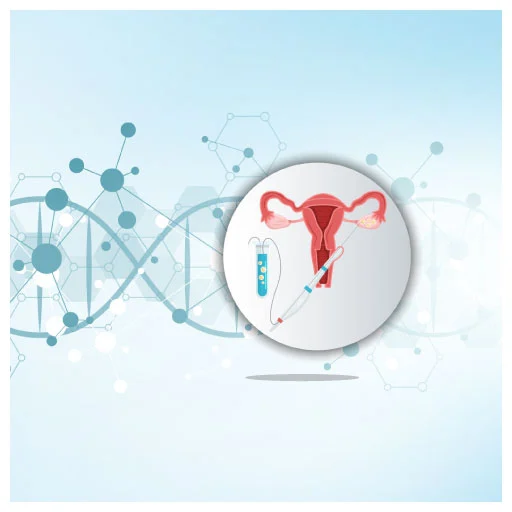
    Illustration of IUI procedure with uterus and syringe against a DNA background.

    Challenges and Rewards of Surrogacy vs Adoption

    Challenges of Adoption:

    1. Legal Complications: Similar to surrogacy, adoption also involves complex legal processes that can vary from country to country and state to state. There may be restrictions on who can adopt, and the process can be lengthy and expensive.

    2. Emotional Challenges: Adoption can be an emotionally taxing process for both the adoptive parents and the child. The child may have experienced trauma or loss, and it can take time for them to adjust to their new family. For the adoptive parents, there may be challenges in bonding with the child and navigating the complexities of an open or closed adoption.

    3. Uncertainty: Unlike surrogacy, where the child is biologically related to at least one of the intended parents, adoption involves uncertainty in terms of the child’s health, background, and potential challenges. This can be daunting for some individuals or couples, as they may not know what to expect when bringing a child into their family.

    Rewards of Adoption:

    1. Providing a Home for a Child in Need: One of the greatest rewards of adoption is providing a loving and stable home for a child who may not have had one otherwise. By adopting, individuals or couples are giving a child the opportunity to grow and thrive in a safe and supportive environment.

    2. Creating a Family: Adoption allows individuals or couples to create a family in a unique and special way. They have the opportunity to provide love, support, and guidance to a child and watch them grow and develop into their own unique person.

    3. Personal Growth: Adoption can also be a rewarding experience in terms of personal growth and learning. It teaches individuals or couples about unconditional love, patience, and resilience, and can bring a deeper understanding and appreciation for the complexities of family.

    In Summary:

    Both surrogacy and adoption have their own set of challenges and rewards. Surrogacy offers a biological connection and more control and involvement in the pregnancy and birth process, but can be expensive and emotionally challenging. Adoption provides the opportunity to give a child a loving home and create a family, but can involve legal and emotional complexities and uncertainty. Ultimately, the decision between surrogacy and adoption is a personal one that should be carefully considered based on individual circumstances and preferences.


  • Single Motherhood: Challenges and Triumphs

    Blog post:

    Single motherhood is a journey that many women embark on, either by choice or by circumstance. It is a path that can be filled with both challenges and triumphs. While there is no one-size-fits-all experience for single mothers, there are common themes and struggles that they face. In this blog post, we will delve into the challenges and triumphs of single motherhood and shed light on the strength and resilience of these incredible women.

    Challenges of Single Motherhood:

    Financial Struggles:

    One of the biggest challenges faced by single mothers is financial instability. With only one source of income, it can be difficult to make ends meet and provide for the family. Single mothers often have to juggle multiple jobs or work long hours to ensure that their children have a roof over their heads and food on the table. This can lead to exhaustion and stress, making it challenging to give their children the time and attention they deserve.

    Lack of Support:

    Another challenge faced by single mothers is the lack of a support system. Raising children alone can be overwhelming, and without a partner or family members to lean on, the burden can feel even heavier. Single mothers often have to make difficult decisions on their own and bear the weight of their responsibilities without someone to share the load. This can lead to feelings of loneliness and isolation, making it crucial for single mothers to find support from other sources.

    Emotional Struggles:

    Being a single mother also comes with emotional struggles. Many single mothers have to deal with the end of a relationship or the loss of a partner, which can bring up a range of emotions, including grief, anger, and sadness. These emotions can be difficult to navigate, especially while trying to be strong for their children. Single mothers also carry the emotional burden of being the sole caregiver and decision-maker for their children, which can be overwhelming at times.

    Triumphs of Single Motherhood:

    Despite the challenges, single motherhood also brings with it moments of triumph and accomplishment. These are the moments that make the struggles worth it and showcase the strength and resilience of single mothers.

    model of the female reproductive system with a hand demonstrating intrauterine insemination technique

    Single Motherhood: Challenges and Triumphs

    Independence and Empowerment:

    Single motherhood forces women to become independent and self-sufficient. They have to learn how to manage their finances, make decisions on their own, and take care of their children without relying on anyone else. This independence can be empowering and give single mothers a sense of pride and accomplishment. They are role models for their children, showing them the importance of resilience and determination.

    Bond with Children:

    Single mothers often have a deep bond with their children. They are the main caregiver and provider, which allows them to spend quality time with their children and build a strong relationship. This bond can be even stronger as single mothers have to navigate the challenges together and rely on each other for support. Single mothers also have the opportunity to be more involved in their children’s lives, attending school events, and being present for important moments. This can create a special bond that lasts a lifetime.

    Personal Growth:

    Single motherhood can also lead to personal growth and self-discovery. With no partner to rely on, single mothers have to take on multiple roles and responsibilities. This can push them out of their comfort zone and help them discover their strengths and capabilities. Single mothers often become more resilient, adaptable, and resourceful, which can benefit them in all aspects of their lives.

    Support and Community:

    While single mothers may face a lack of support from traditional sources, they often find a strong community among other single mothers. This support system can provide a sense of belonging and understanding, as other single mothers can relate to the challenges and triumphs of single motherhood. It is essential for single mothers to seek out this support and build a network of other single mothers who can offer advice, help, and encouragement.

    In conclusion, single motherhood is a journey filled with both challenges and triumphs. It takes strength, resilience, and determination to navigate this path, but the rewards are immeasurable. Single mothers are true superheroes, and their love and dedication to their children is unmatched. It is important to recognize and celebrate the triumphs of single motherhood and offer support and understanding for the challenges they face.

    Summary:

    Single motherhood is a journey that comes with its own set of challenges and triumphs. Financial struggles, lack of support, and emotional struggles are some of the common challenges faced by single mothers. However, single motherhood also brings moments of triumph, such as independence and empowerment, a strong bond with children, personal growth, and a supportive community. It is crucial to recognize and celebrate the strength and resilience of single mothers and offer support and understanding for the challenges they face.

  • The Benefits of Single Motherhood vs Traditional Family Planning

    Single motherhood and traditional family planning are two different paths that women may choose when starting a family. While traditional family planning involves having a partner and creating a family unit together, single motherhood involves raising a child on one’s own. Both options have their own unique challenges and benefits, and it ultimately comes down to personal preference and circumstances. In this blog post, we will explore the benefits of single motherhood versus traditional family planning.

    First and foremost, single motherhood allows women to have full control over their reproductive choices. They do not have to rely on a partner’s decision or approval when it comes to starting a family. This can be empowering for women who may not have a supportive partner or who simply want to take charge of their own life and decisions. Traditional family planning, on the other hand, often involves a compromise between partners and may not always align with a woman’s personal desires.

    Another benefit of single motherhood is the freedom to make decisions without having to consider a partner’s opinions. This includes decisions about parenting styles, discipline, and other important aspects of raising a child. Single mothers have the flexibility to create their own rules and routines that work best for them and their child. This can also lead to a stronger bond between the mother and child, as they rely solely on each other for support and guidance.

    In terms of financial stability, single motherhood may seem like a daunting prospect. However, many single mothers are able to successfully provide for their child through hard work and determination. They may have a higher level of motivation to succeed in their career, as they are solely responsible for their child’s well-being. Additionally, single mothers have the option to seek financial support from government programs, such as child support or welfare, to help alleviate the financial burden.

    On the other hand, traditional family planning can also provide financial stability through the combined income of both partners. This can allow for a more comfortable and stable lifestyle for the family. However, it also means that both partners must be willing to work and contribute to the household income, which may not always be the case.

    illustration of intrauterine insemination procedure with a syringe and catheter in the uterus.

    The Benefits of Single Motherhood vs Traditional Family Planning

    Single motherhood also allows for more flexibility and independence in terms of personal goals and aspirations. Without the added responsibility of a partner, single mothers can focus on their own personal growth and development. This can include pursuing higher education, traveling, or starting a business. Traditional family planning may present more challenges in achieving personal goals, as partners must often compromise and make sacrifices for the family.

    Furthermore, single motherhood can also provide a positive role model for children. It teaches them the importance of resilience and independence, as they see their mother successfully navigate life on her own. It also breaks down traditional gender roles and shows that women are capable of being strong and independent caregivers. This can lead to a more empowered and confident generation of children.

    Of course, traditional family planning also has its own benefits, such as having a partner to share the responsibilities and joys of raising a child. It also provides a stable family unit for the child, with both parents present to provide love and support. This can also lead to a more balanced and well-rounded upbringing for the child, as they have both a male and female role model.

    In terms of social stigma, single motherhood may still face negative stereotypes and judgment from society. However, with the rise of single-parent households and a more progressive mindset, there is a growing acceptance and understanding of single motherhood. Traditional family planning, on the other hand, may face pressure to conform to societal expectations and traditional gender roles.

    In conclusion, both single motherhood and traditional family planning have their own unique benefits and challenges. It ultimately comes down to personal preference and individual circumstances. Single motherhood allows for independence, control, and flexibility, while traditional family planning provides a stable family unit and shared responsibilities. Whichever path a woman chooses, it is important to support and empower all mothers, regardless of their family structure.